Save 15% on your 1st Autoship learn more

 Email us
 Live Chat
 FAQs
FAQs





Introduction
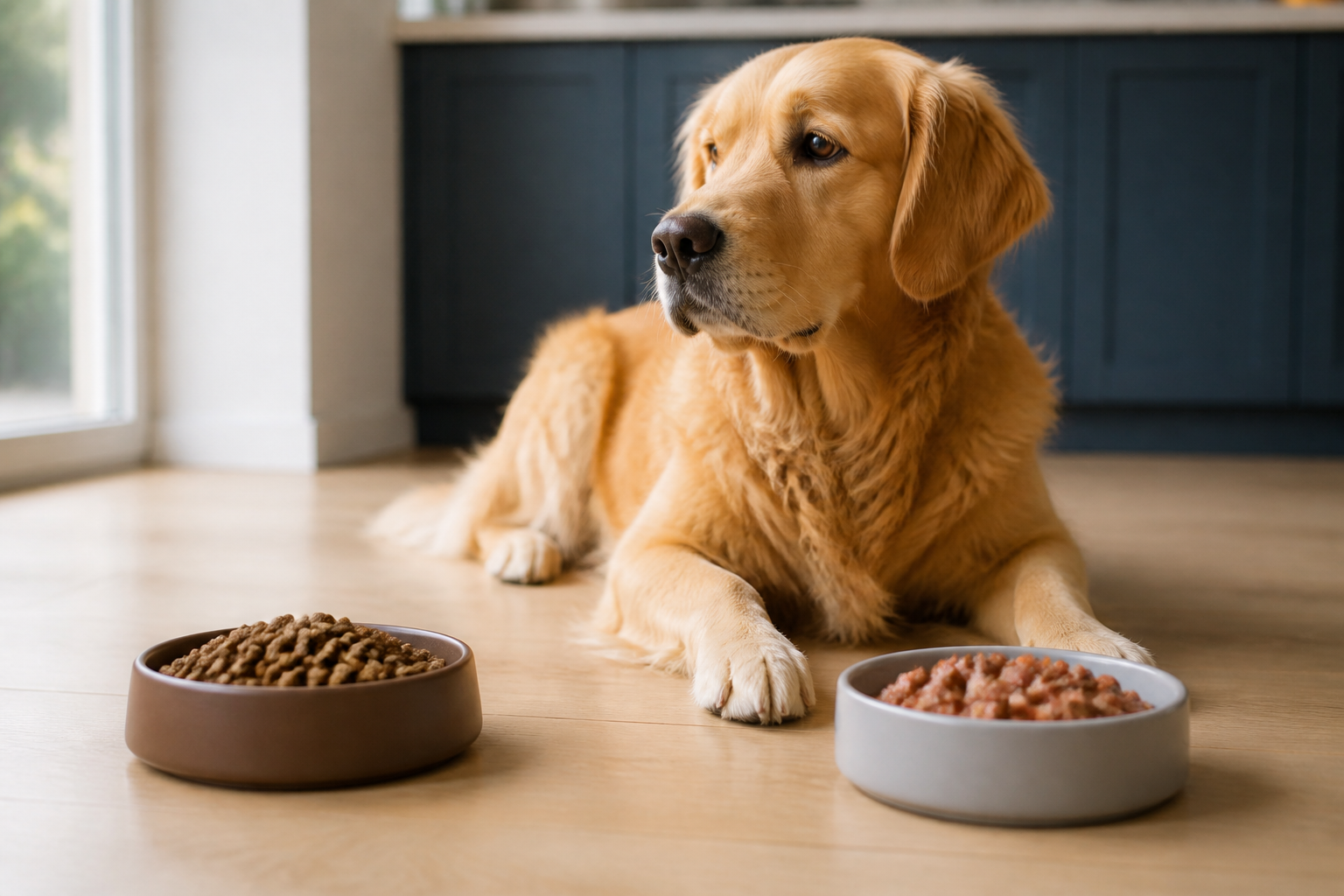
Standing in a pet food aisle or scrolling through endless pages of options can feel overwhelming. You want to provide the best nutrition possible, but the choice between a bag of kibble and a case of cans is not always clear. This is a question we hear often at our BaxterBoo warehouse from owners who want to balance nutrition, cost, and their dog's personal preferences. Both formats have distinct advantages that cater to different life stages and health needs. We will explore the differences in moisture, nutrition, and convenience to help you decide which bowl filler is right for your home. Ultimately, the best choice depends on your dog’s age, health status, and what they actually enjoy eating. If you want to browse options as you read, start with our dog food category.
Understanding the Difference in Processing
The main difference between these two types of food starts with how they are made. This process determines the texture, shelf life, and moisture content of the final product.
Dry dog food, or kibble, is created through a process called extrusion. Ingredients like meat, grains, and vegetables are mixed into a dough. This dough is cooked under high pressure and then pushed through small holes to create specific shapes. Once the pieces are dried, they are often sprayed with fats and vitamins to ensure they are nutritionally complete and tasty.
Wet dog food follows a different path. The ingredients are ground up and mixed with a gravy or gel that contains essential minerals and vitamins. This mixture is filled into cans or pouches and then sterilized through a heating process. This sterilization is why canned food can last for years on a shelf without preservatives, but it must be refrigerated once you break the seal.
Quick Answer: Neither dry nor wet food is universally better. Dry food is more convenient and cost-effective, while wet food provides essential hydration and is often more appealing to picky eaters.
The Advantages of Dry Dog Food
Many households rely on kibble because of its practicality. For most healthy adult dogs, a high quality dry food provides everything they need to thrive. For a deeper look at kibble options, compare them with our dry dog food selection.
Convenience and Storage
Kibble is significantly easier to manage than canned food. You can buy large bags and store them in airtight containers for weeks. It does not require refrigeration and is easy to measure out for precise portion control. If your dog is a "grazer" who likes to eat small amounts throughout the day, dry food is the only safe choice. It can sit in a bowl for several hours without spoiling or attracting pests.
Dental Health Support
The crunchy texture of kibble can actually help keep your dog’s teeth cleaner. As they chew, the dry pieces scrape against the surface of the teeth. This action can help reduce the buildup of plaque and tartar. While it is not a replacement for regular brushing or professional cleanings, it provides a daily mechanical benefit that wet food cannot offer.
Cost and Enrichment
Generally, dry food is more affordable per serving than wet food. Since it lacks the high water weight of canned options, you are paying for more concentrated nutrients. Kibble is also the perfect tool for mental stimulation. You can easily use it in:
- Slow feeders to prevent gulping
- Puzzle toys that dispense treats
- Snuffle mats for foraging
- Training sessions as a low calorie reward
Key Takeaway: Dry food is the most practical and budget-friendly choice for most owners, offering dental benefits and ease of use in enrichment toys.
The Advantages of Wet Dog Food
While kibble is convenient, wet food excels in areas like hydration and taste. For certain dogs, the extra moisture and aroma make a significant difference in their quality of life. If you are comparing textures, this also pairs well with our blog post on switching from dry to wet dog food.
Higher Moisture Content
Wet food is typically composed of 75 to 78 percent water. This is a massive jump from the 10 percent moisture found in most kibble. This extra hydration is vital for dogs that do not drink enough water on their own. It is particularly helpful for dogs with a history of urinary tract issues or kidney concerns.
Increased Palatability
If you have a dog that turns their nose up at every meal, wet food is often the solution. Canned food has a much stronger, meatier aroma than dry kibble. This scent is often enough to entice even the pickiest eaters. It is also helpful for sick dogs or those recovering from surgery who may have a decreased appetite.
Help with Weight Management
Because wet food is so high in water, it is less calorie-dense than dry food. This means your dog can eat a larger volume of food without consuming more calories. This can help them feel full and satisfied, which is a great strategy for dogs prone to obesity.
Vet Tip: If your dog has chronic health issues like kidney disease or diabetes, consult your veterinarian about prescription diets. Our pet pharmacy offers prescription options and medications to support these specific medical needs.
Which Option Suits Your Dog's Life Stage?
A dog's nutritional requirements change as they grow. What works for a puppy might not be the best fit for a senior.
Puppies
Puppies need a high concentration of calories and nutrients to support their rapid growth. High quality kibble like those from NutriSource or Royal Canin are excellent because they are energy-dense. However, very young puppies with small teeth sometimes struggle with hard kibble. In these cases, adding a little warm water or a spoonful of wet food can make the transition to solid food much easier. If you are shopping for a growing pup, take a look at our puppy dog food selection.
Seniors
As dogs age, they may experience dental pain, missing teeth, or a declining sense of smell. Senior dogs often find wet food much easier to chew and swallow. The strong aroma of canned food also helps them stay interested in their meals if their senses are dulling. If your senior dog is losing weight, the high palatability of wet food can help maintain their muscle mass. For older dogs, our senior dog food selection is a useful place to begin.
Health Conditions and Dietary Choices
Specific health problems often dictate which format is better. Your vet is the best person to help you navigate these choices, but general patterns exist.
Dogs with dental disease often struggle with the hard texture of kibble. If their gums are inflamed or they have lost teeth, the soft texture of a pâté or stew is much more comfortable. On the other hand, dogs with frequent digestive upset might do better on a specific limited-ingredient dry food that provides consistent fiber.
For dogs with urinary stones or kidney issues, the moisture in wet food is almost always preferred. It helps flush the system and keeps the kidneys from working too hard to process waste. If your vet suggests a specific therapeutic diet, we carry several brands like Farmina Vet Life that are formulated for these exact conditions.
Key Takeaway: Life stage and health history are the most important factors when choosing between textures, with seniors often benefiting more from wet food's softness and aroma.
The Best of Both Worlds: Mixing Wet and Dry
You do not have to choose just one. Many owners find that mixing wet and dry food provides the most benefits. This is often called "combination feeding" or "topping." If you want more ideas for blending foods, our post on feeding wet and dry food together is a helpful companion read.
Benefits of Mixing
- It improves the taste of dry kibble for picky eaters.
- It adds a boost of hydration to the daily diet.
- It keeps the cost lower than a 100 percent wet food diet.
- It introduces different textures, which can prevent boredom.
How to Mix Safely
If you decide to mix, you must be careful about calories. Adding a can of wet food on top of a full portion of dry food will quickly lead to weight gain. You should reduce the amount of kibble to account for the calories in the wet food.
Step 1: Check the calorie count on both labels. / Compare how many calories are in a cup of your dry food versus a can of the wet food. Step 2: Determine the ratio. / Decide if you want a 75/25 split or a 50/50 split based on your budget and your dog's needs. Step 3: Gradually introduce the mix. / Start with a small spoonful of wet food to ensure it does not cause any digestive upset.
Bottom line: Mixing wet and dry food is an excellent way to provide variety and hydration while still enjoying the dental benefits and cost savings of kibble.
Transitioning Between Food Types
If you decide to switch from dry to wet, or vice versa, do not do it overnight. A sudden change in diet is the fastest way to cause an upset stomach or diarrhea.
A safe transition should take about 7 to 10 days. Start by replacing about 25 percent of the old food with the new food for a few days. If your dog's stools remain firm, move to a 50/50 mix for another three days. Finally, move to 75 percent new food before finishing the transition. This slow pace gives the bacteria in your dog's gut time to adjust to the new ingredients and moisture levels. For more on the timing of a changeover, see How to Switch From Dry to Wet Dog Food.
Food Safety and Storage Tips
Proper storage is essential to prevent your dog's food from spoiling or losing its nutritional value.
For dry food, keep it in the original bag if possible. These bags are designed to keep out moisture and light. Place the entire bag inside a plastic or metal bin with a tight seal. Try to finish a bag within six weeks of opening it, as the fats can begin to go rancid once exposed to air.
For wet food, unopened cans should be stored in a cool, dry place. Once a can is opened, it must be covered and refrigerated. Most canned food stays fresh in the fridge for about three to five days. If your dog does not finish the food in their bowl within 30 minutes, you should throw it away. Wet food sitting at room temperature is a breeding ground for bacteria. If storage is your biggest concern, this guide to keeping dog food fresh is a practical next step.
Making the Final Decision
There is no single "correct" answer to the wet versus dry debate. The best food is the one that meets your dog’s specific nutritional needs, fits your daily schedule, and stays within your budget. Many owners of large breeds find that a strictly wet diet is too expensive, while owners of tiny, older dogs find that kibble is simply too hard for them to eat.
We recommend looking at high-quality brands that use real meat as the first ingredient and avoid unnecessary fillers. Brands like Stella and Chewy's, Open Farm, and Acana offer excellent options in both formats. Whether you choose the crunch of kibble or the richness of a stew, the goal is a happy, healthy dog with a shiny coat and plenty of energy. A good place to start brand browsing is our selection of Stella & Chewy's products.
If you are looking for ways to save on your regular orders, consider our Autoship programme. It provides recurring deliveries so you never run out of your dog's favorite food, plus you earn savings on your first order. Combined with the MVP Rewards programme, it is a great way to get premium nutrition delivered right to your door.
Bottom line: Choose the food that your dog thrives on and that you can consistently afford and store safely.
FAQ
Is wet food better for dogs with dental problems?
Yes, wet food is usually the better choice for dogs with missing teeth, sore gums, or advanced dental disease. The soft texture does not require the hard crunching that kibble does, making mealtime much more comfortable. However, because wet food does not help scrape away plaque, you will need to be even more diligent about brushing their teeth or using dental rinses.
Can I leave wet dog food out all day?
No, you should never leave wet dog food out for more than 30 to 60 minutes. Because of its high moisture and protein content, it can quickly grow bacteria if left at room temperature. If your dog is a slow eater who likes to snack throughout the day, dry kibble is a much safer and more hygienic option. For related storage tips, this post on dry food freshness is worth a read.
Why is wet food more expensive than dry food?
Wet food is more expensive because you are paying for the canning process and the high water content. It takes much more packaging and weight to deliver the same amount of calories as a concentrated bag of dry kibble. While it is more costly, many owners find the health benefits of hydration and palatability are worth the extra investment.
Does dry dog food really clean a dog's teeth?
Dry food can help reduce the buildup of tartar and plaque through the mechanical action of chewing, but it is not a cure-all. Some specialized dental diets are shaped specifically to maximize this scrubbing effect. For the best oral health, kibble should be used alongside other preventative measures like dental treats and regular veterinary checkups.