
 Save 15% on your 1st Autoship learn more

 Email us
 Live Chat
 FAQs
FAQs





Introduction
You are standing in the pet food aisle or scrolling through an online shop and notice various terms for your dog's meals. You see bags labeled as dry food, but you also hear people use the word kibble constantly. This can be confusing when you just want to find the best nutrition for your pet. At BaxterBoo, we hear this question from many pet owners who are looking for clarity on what they are actually buying. Understanding what dry dog food is called and how it is made is the first step in becoming a savvy shopper. This guide will explain the common names for dry dog food and the manufacturing process behind those crunchy bites. We will also show you how to read labels to ensure your dog gets high quality ingredients.
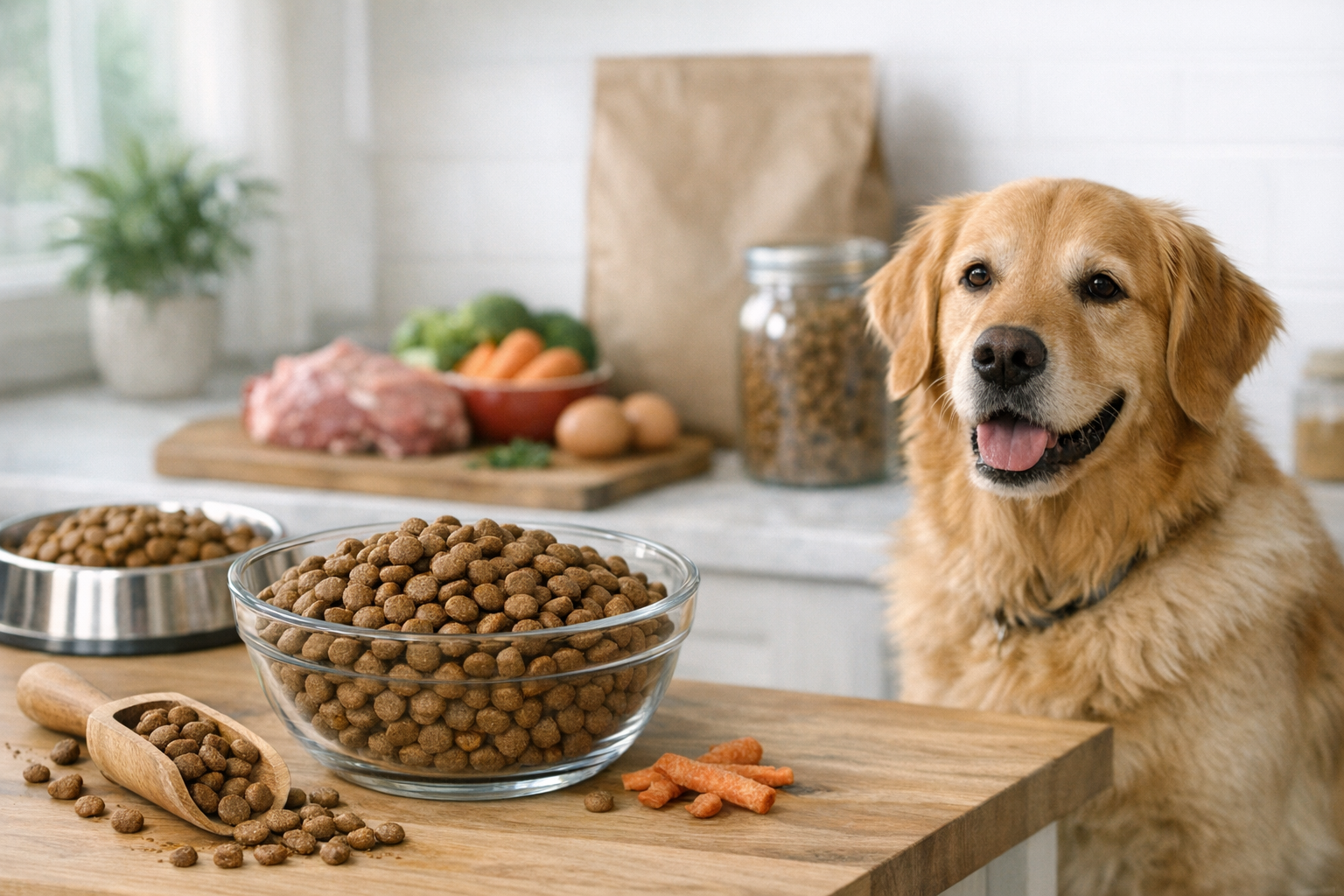
Quick Answer: Dry dog food is most commonly called kibble. It consists of ground ingredients like meat, grains, and vegetables that are cooked and shaped into small, crunchy pellets through a process called extrusion.
The Common Name: What is Kibble?
The most frequent name you will hear for dry dog food is kibble. While the bag might simply say "dry dog food," the individual pieces inside are referred to as kibbles. This term has been around for a long time and is now the industry standard for any hard, shelf stable pet food.
Kibble is designed to be a complete and balanced meal in a very convenient format. Each piece contains a specific blend of proteins, fats, carbohydrates, and essential vitamins. Unlike wet food, which comes in cans and has a high water content, kibble is hard and dry. Most dry foods contain only about 10 percent moisture. This low water content is what allows the food to stay fresh in a bag for weeks after you open it.
The history of this food is quite interesting. The first dry pet foods were actually biscuits made for dogs in the mid 1800s. An American electrician named James Spratt noticed dogs at a shipyard eating discarded biscuits and decided to create a specialized version for them. Over time, these large biscuits evolved into the small, uniform pieces we see today.
Key Takeaway: Kibble is the universal term for dry dog food pieces. It is formulated to provide all necessary nutrients in a shelf stable, crunchy format.
How Dry Dog Food is Produced
Most dry dog foods are made through a process called extrusion. This is the same method used to make many human breakfast cereals and snack foods. Understanding this process helps explain why kibble looks and feels the way it does.
The Mixing Stage
First, manufacturers take raw ingredients and grind them into a fine flour. This includes animal proteins like chicken or beef, as well as carbohydrates like rice, barley, or peas. They also add a premix of vitamins and minerals to ensure the food meets nutritional standards. All these dry ingredients are blended together in a large mixer.
The Extrusion Process
Once the ingredients are mixed, they enter the extruder. The machine adds steam and water to turn the mixture into a thick dough. The extruder uses a large screw to push the dough through a long barrel. Inside this barrel, the dough is subjected to high heat and intense pressure.
At the end of the barrel, the dough is forced through a die. This is a metal plate with specifically shaped holes. As the dough pops out of the holes, it expands and is cut by a rotating blade into individual kibbles.
Drying and Coating
The fresh kibbles are still quite wet when they leave the extruder. They go into a large dryer to remove most of the moisture. This step is critical because it prevents mold and bacteria from growing. After the food is dry, it often goes through a coating drum. Here, it is sprayed with fats, oils, and sometimes flavor enhancers. This makes the food taste better and adds essential fatty acids to the diet.
Bottom line: Extrusion uses heat and pressure to transform a dough of meat and grains into the crunchy, uniform pellets we call kibble.
Understanding the Ingredients List
When you look at a bag of dry food from brands like our selection of Redbarn products or our selection of NutriSource products, the ingredient list can feel overwhelming. However, there are a few simple rules you can follow to judge the quality of the food.
The First Five Ingredients
The ingredients are listed by weight before cooking. Because the first few items make up the bulk of the food, they are the most important. You want to see named animal proteins at the very top. Look for "chicken," "lamb," or "salmon" rather than generic terms like "meat."
Many high quality kibbles use "meat meals." For example, you might see "chicken meal" listed. A meal is simply meat that has been cooked and dried to remove the water. Because it is concentrated, it is a fantastic source of protein for dry food.
Binders and Fillers
Kibble needs a starch to hold its shape during the extrusion process. In traditional grain-in diets, this might be brown rice, barley, or oatmeal. In grain-free diets, manufacturers often use peas, chickpeas, or sweet potatoes.
We suggest avoiding "empty" fillers. These are ingredients that add bulk but very little nutritional value. Examples include corn gluten meal or large amounts of wheat. While dogs can digest these, they are often used to keep costs down rather than to provide superior nutrition.
Identifying Healthy Fats
Fats are essential for your dog’s energy and skin health. Look for named fat sources like "chicken fat" or "herring oil." These are much better than generic "animal fat" or "vegetable oil." High quality fats provide Omega-3 and Omega-6 fatty acids. These nutrients support a shiny coat and help manage inflammation.
The Pros and Cons of a Dry Diet
Feeding a dry diet is the most popular choice for US pet owners. It offers several distinct advantages, but there are a few trade-offs to keep in mind.
Advantages of Kibble
- Convenience: Kibble is easy to measure and serve. It does not require refrigeration and can be left in a bowl for dogs that like to graze throughout the day.
- Cost Effective: Generally, dry food is cheaper per serving than wet or fresh food. It is easier to ship and store in bulk.
- Dental Support: The crunchy texture of kibble provides a mechanical scraping action. This can help reduce the buildup of plaque and tartar on your dog's teeth.
- Nutritional Density: Because the water is removed, kibble is very calorie dense. You do not have to feed as much volume as you would with wet food.
Potential Drawbacks
- Low Moisture: The biggest downside of dry food is the lack of hydration. Dogs eating only kibble must have constant access to fresh water.
- Processing: The high heat of extrusion can destroy some natural enzymes and vitamins. Manufacturers add these back in, but some owners prefer less processed options.
- Palatability: Some picky eaters find dry food less exciting than wet food because it has less aroma.
Vet Tip: If your dog is a reluctant drinker, consider adding a splash of warm water or low sodium broth to their kibble. This increases hydration and makes the food smell more appetizing. If you notice your dog is suddenly very thirsty or losing weight, consult your veterinarian to rule out underlying health issues.
How to Choose the Right Dry Food for Your Dog
Every dog has different needs based on their age, size, and activity level. Our dog food category includes options for many different life stages and preferences.
Puppy Formulas
Puppies grow rapidly and need more protein and fat than adult dogs. They also require specific levels of calcium and phosphorus for bone development. Always look for a bag specifically labeled for puppies. This ensures they get the extra energy they need for growth.
Adult Maintenance
Most healthy dogs do well on a standard adult maintenance formula. If your dog is very active, look for a "sport" or "performance" blend with higher fat. If your dog prefers the couch, a "healthy weight" formula might be better to prevent obesity.
Senior Support
As dogs age, their metabolism slows down. Senior kibbles often have fewer calories but higher quality protein to maintain muscle mass. Many also include supplements like glucosamine or chondroitin for joint support. Brands like our selection of Acana products and our selection of Orijen products often offer specialized recipes for these older pets.
Step 1: Determine your dog's life stage (puppy, adult, or senior). Step 2: Assess their activity level to choose the right calorie density. Step 3: Check for any specific sensitivities, such as grain allergies or skin issues. Step 4: Read the first five ingredients to ensure a named meat source is prominent.
Specialized Dry Diets and Health Needs
Sometimes a standard bag of kibble is not enough. If your dog has a chronic health condition, they may require a specialized diet.
For pets with severe allergies, kidney disease, or urinary stones, a prescription diet is often necessary. These foods are formulated with very specific nutrient ratios to manage medical conditions. Our pet pharmacy offers a wide range of prescription pet foods. Through our partnership with Pet's Choice, we can help you get the exact diet your vet recommends, such as Royal Canin Veterinary Diet or Farmina Vet Life.
If your dog struggles with minor joint stiffness or a dull coat, you might not need a prescription food. Instead, you can look for premium dry foods that include functional ingredients. Many brands we carry, like Acana and Orijen, include natural sources of Omega fatty acids and antioxidants. You can also pair their dry food with targeted supplements like Cosequin or Zesty Paws to support specific wellness goals.
Bottom line: While many dogs thrive on standard kibble, those with specific health hurdles may need prescription diets available through a professional pharmacy.
Storage and Handling Tips
How you handle your dog's dry food matters just as much as what brand you buy. Improper storage can lead to the fats going rancid or the food losing its nutritional value.
Keep the Original Bag
Many owners like to pour the food into a large plastic bin. We actually recommend keeping the food in its original bag. The bags are designed with special liners to keep the food fresh and prevent fats from seeping into the plastic. You can place the entire bag inside a sealed container if you want to keep pests out.
Watch the Expiration Date
Dry food does not stay fresh forever. Check the "best by" date before you buy. Once a bag is opened, try to use it within six to eight weeks. If you have a small dog, avoid buying the giant 40 pound bags. The food at the bottom will likely be stale by the time you reach it. For more details, see how long dry dog food stays fresh once opened.
Clean Your Bowls
Even though dry food is not messy like wet food, it still leaves behind oils and crumbs. These can attract bacteria or even cause "puppy acne" on your dog's chin. Wash your dog's food bowl with hot, soapy water every single day.
Transitioning to a New Dry Food
If you decide to switch your dog to a new brand of kibble, do not do it all at once. A sudden change in diet can lead to an upset stomach or diarrhea. A gradual transition allows your dog's digestive enzymes to adapt to the new ingredients.
- Days 1-2: Feed 75% of the old food mixed with 25% of the new food.
- Days 3-4: Feed 50% of the old food and 50% of the new food.
- Days 5-6: Feed 25% of the old food and 75% of the new food.
- Day 7: Feed 100% of the new food.
During this week, keep a close eye on your dog's stool and energy levels. If you notice any vomiting or severe gas, slow the transition down. Some dogs with sensitive stomachs may need two weeks instead of one. If you want more guidance, our guide on mixing dry dog food with wet may also help.
Key Takeaway: A slow, seven day transition is the best way to prevent digestive upset when switching dry food brands.
Conclusion
Dry dog food, most commonly called kibble, is a practical and nutritionally complete way to feed your pet. While the name is simple, the science behind the food is quite complex. By choosing a high quality brand with named animal proteins and avoiding unnecessary fillers, you can provide your dog with a foundation for a long and healthy life.
Remember these key points for your next shopping trip:
- Look for named meat or meat meals in the first five ingredients.
- Match the formula to your dog's specific life stage and activity level.
- Store the food in its original bag to maintain freshness.
- Consult your vet for any specialized health or prescription needs.
We invite you to explore our dog food selection to find the perfect match for your pup. Whether you need a standard grain-in diet or a specialized prescription formula from our pet pharmacy, we are here to help you make the best choice for your furry family member.
FAQ
What is the difference between kibble and pellets?
In the world of pet food, the terms kibble and pellets are often used interchangeably to describe dry food. However, kibble specifically refers to food made through the extrusion process, which makes the pieces light and crunchy. Pellets are more common in livestock feed and are often made by cold pressing ingredients into dense, heavy cylinders.
Is kibble better for a dog's teeth than wet food?
Kibble can provide a small dental benefit because the mechanical crunching helps scrape some plaque off the surface of the teeth. However, it is not a replacement for regular dental care or professional cleanings. Some specialized dental kibbles are larger and have a specific fiber matrix designed to scrub the teeth more effectively than standard dry food.
Should I add water to my dog's dry food?
Adding water to dry food is a great idea for many dogs, especially those who do not drink enough on their own. It increases hydration and can make the food easier to chew for senior dogs or puppies. Just be sure to throw away any uneaten moistened food after 30 minutes, as it can grow bacteria much faster than dry kibble. If you want another option for better mealtime hydration, our guide to wetting dry dog food is a helpful next step.
How do I know if my dry dog food has gone bad?
The first sign that kibble has gone bad is usually a sour or "paint-like" smell, which indicates the fats have turned rancid. You might also notice a change in the color or texture of the pieces. If your dog suddenly refuses to eat a food they usually love, check the bag for moisture, mold, or an expired date.
For shoppers who want added value on repeat purchases, our Autoship programme can make reordering easier, while the MVP Rewards programme helps you earn back on everyday purchases. For brand-loyal shoppers, our Frequent Buyer Program can also be a smart fit.






