
 Save 15% on your 1st Autoship learn more

 Email us
 Live Chat
 FAQs
FAQs





Introduction
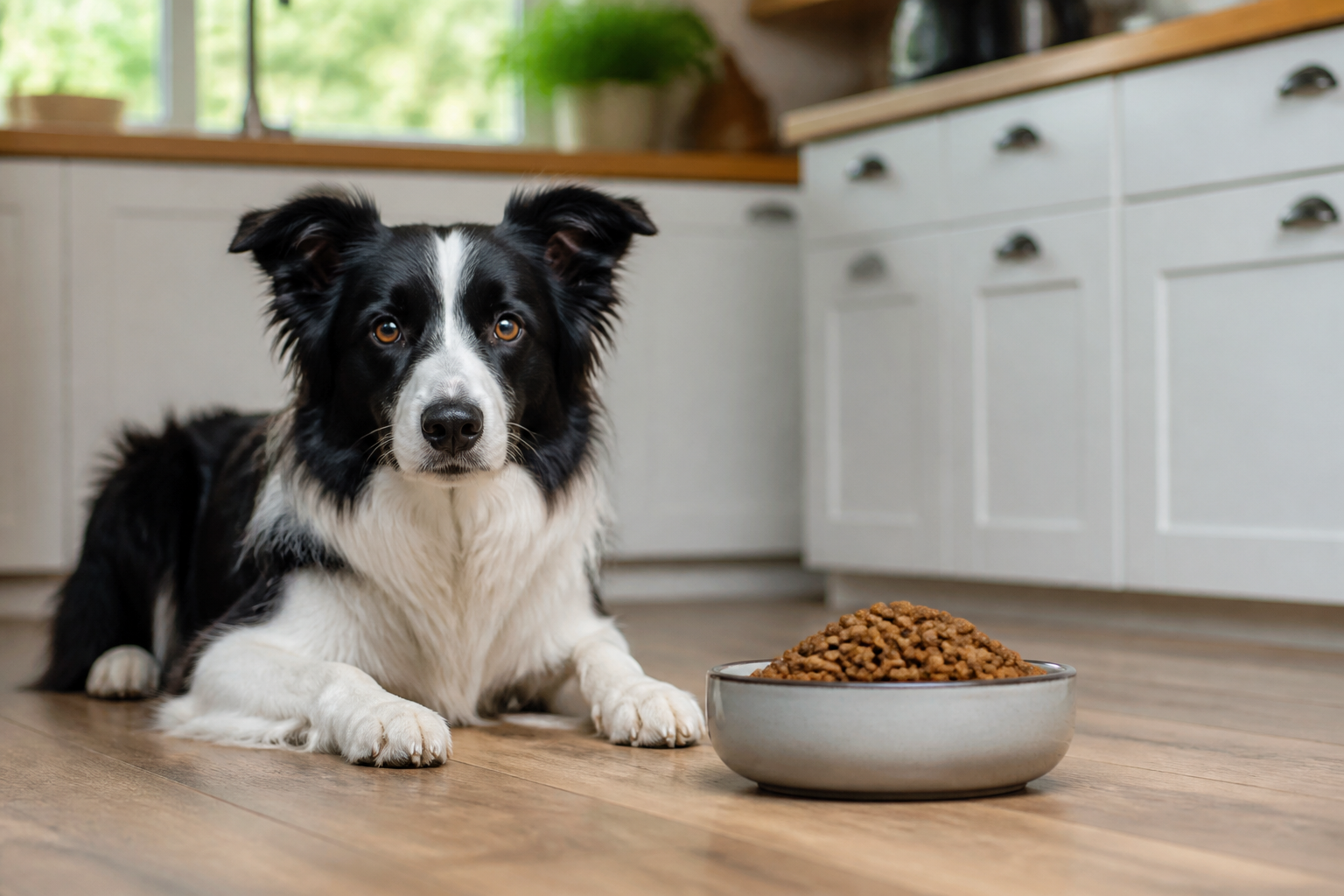
If you have ever watched your dog turn a simple game of fetch into a high stakes tactical mission, you know the Border Collie intensity. These dogs do not just play. They work with a level of focus and athleticism that few other breeds can match. Whether your dog is herding sheep on a farm or herding toddlers in a suburban backyard, their bodies require a specific fuel to maintain that signature stamina. At BaxterBoo, we understand that finding the right balance of protein, fat, and micronutrients is essential for this high energy breed. This guide covers the nutritional requirements for every life stage and how to spot the best ingredients for their unique health needs. Choosing the right kibble ensures your dog stays as sharp and agile as the day you brought them home.
The High Performance Engine of a Border Collie
Border Collies are often called the world's premier herding dogs. Their history involves long days of sprinting, crouching, and navigating rough terrain in the Scottish Highlands. This heritage means their metabolism is generally higher than that of a more sedentary breed. Even a Border Collie that lives a primarily indoor life still tends to have a "busy" mind and body that burns through calories quickly.
When you look for dry food, you are looking for a high performance fuel. A standard maintenance diet might not provide enough sustained energy for a dog that runs several miles a day. These dogs need a diet rich in high quality animal proteins to support lean muscle mass. They also require healthy fats, which serve as their primary energy source during long bouts of activity.
Quick Answer: The best dry dog food for Border Collies is a high protein, moderate fat formula that prioritizes named animal meats. Look for recipes with at least 26 to 30 percent protein and added Omega-3 fatty acids to support their joints and cognitive health.
Key Nutrients for Herding Breeds
A bag of dog food is more than just its protein percentage. For a Border Collie, specific nutrients play a role in preventing common breed issues and supporting their athletic lifestyle.
Quality Animal Protein
Protein is the building block of muscle. For an active dog, muscle repair happens constantly. You want to see a specific meat listed as the first ingredient, such as chicken, beef, or lamb. Avoid foods that list generic "meat meal" without a named source. Brands like Acana or Orijen are well known for their high inclusions of fresh and raw animal ingredients.
Healthy Fats for Endurance
Fat is the most concentrated source of energy for dogs. For a Border Collie, fat provides the "slow burn" energy they need for endurance. Look for healthy sources like chicken fat, fish oil, or flaxseed. These also provide essential fatty acids that keep their double coat shiny and weather resistant.
Carbohydrates for Quick Energy
While protein and fat are the stars, carbohydrates provide the glucose needed for quick bursts of speed. Whole grains like oats or brown rice are excellent for steady energy. If you prefer grain free options, look for complex carbs like sweet potatoes or lentils rather than simple starches.
Joint Support Compounds
Because Border Collies are so active, their joints take a lot of impact. Glucosamine and chondroitin are vital for maintaining cartilage. Many premium dry foods formulated for active dogs or large breeds already include these. If your dog is older or has a history of stiffness, you might consider a diet with higher levels of these compounds.
- Protein: Minimum 26% for active adults.
- Fat: 15% to 20% to support high metabolism.
- Omega-3s: To support skin, coat, and eye health.
- Glucosamine: To protect joints during high impact activity.
Life Stage Nutrition
Your dog's nutritional needs will shift as they move from a clumsy puppy to a focused adult and finally to a dignified senior. Matching the food to their life stage is one of the most important decisions you can make.
Border Collie Puppies
Puppies need more than just energy. They need the building blocks for brain development and bone growth. Border Collies are exceptionally smart, and much of that cognitive development happens in the first year. Look for puppy formulas that contain DHA (docosahexaenoic acid). This is an Omega-3 fatty acid found in mother's milk and fish oil that supports brain and vision development. For additional guidance, read our article on when puppies can eat dry dog food.
Active Adults
Once your dog reaches about 12 to 15 months, they can transition to an adult formula. For a working Border Collie or one involved in agility sports, a "Sport" or "Performance" formula is often the best choice. These recipes usually have a higher protein to fat ratio, such as 30/20. If your Border Collie is more of a weekend warrior, a standard high quality adult kibble from brands like NutriSource or Farmina will provide balanced nutrition without excessive calories.
Senior Years
As Border Collies age, their metabolism slows down, but their minds often stay just as sharp. Senior dogs may become less active, making them prone to weight gain. Excess weight puts dangerous pressure on aging joints. Senior formulas often feature lower calories, higher fiber to help them feel full, and increased levels of joint supplements. Our guide to choosing dog food for senior pets offers more ideas for comparing senior formulas.
Key Takeaway: Always transition between life stage foods slowly over 7 to 10 days. This prevents the digestive upset that can occur when a dog's gut bacteria are surprised by a new nutrient profile.
Common Health Concerns and Diet
While generally hardy, Border Collies are predisposed to certain health conditions. Proper nutrition can help manage these risks or support a dog already dealing with a diagnosis.
Hip and Elbow Dysplasia
This is a condition where the joints do not fit together perfectly. It can lead to arthritis and pain. Weight management is the single most effective tool for managing dysplasia. Feeding a high quality dry food and strictly measuring portions ensures your dog stays lean. We carry several weight management formulas, including those in the Farmina Vet Life range, which can help keep your dog at their ideal weight.
Collie Eye Anomaly (CEA)
CEA is an inherited condition that affects the development of the eye. While diet cannot cure a genetic condition, nutrients like Vitamin A, lutein, and EPA/DHA support overall ocular health. Ensuring your dog's food includes these antioxidants may help maintain their remaining vision as they age.
Sensitive Stomachs
Some Border Collies can be prone to digestive sensitivities. If your dog has frequent gas or loose stools, they may benefit from a limited ingredient diet or a recipe that uses highly digestible proteins like lamb or fish. Probiotics are also a great addition to their daily routine to support a healthy gut microbiome.
Vet Tip: If your Border Collie shows signs of persistent joint stiffness, sudden vision changes, or chronic digestive issues, consult your veterinarian for a full evaluation. Our pet pharmacy offers FDA approved medications and prescription diets through our partnership with Pet's Choice for dogs that require clinical nutritional support.
Choosing the Best Ingredients
Reading a dog food label can feel like learning a second language. However, once you know what to avoid, the process becomes much simpler. The "Best" food is one that uses transparent sourcing and avoids cheap fillers.
What to Look For
- Named Meat Sources: Look for "Deboned Chicken" or "Salmon Meal" rather than "Poultry Meal."
- Whole Vegetables: Carrots, peas, and spinach provide natural vitamins and minerals.
- Natural Preservatives: Look for tocopherols (Vitamin E) rather than chemical preservatives like BHA or BHT.
- Chemotherapeutic Nutrients: Ingredients like blueberries or turmeric provide natural antioxidants.
What to Avoid
- Corn, Wheat, and Soy: These are often used as cheap protein substitutes and can be difficult for some dogs to digest.
- Artificial Colors: Dogs do not care what color their food is, and these dyes can cause allergic reactions in sensitive pets.
- By-Product Meals: While not always bad, these are less consistent in quality than named meat meals.
Comparing Dry Food Types for Border Collies
Not all dry food is created equal. Depending on your dog's activity level, you may choose between a standard kibble, a high performance formula, or a cold pressed or air dried option. Browse our dry dog food selection to compare formulas for different life stages and activity levels.
| Food Type | Best For | Key Benefit |
|---|---|---|
| High Performance Kibble | Working dogs, agility stars | High calorie density and 30%+ protein |
| Standard Adult Kibble | Active pets, daily walkers | Balanced nutrition for daily maintenance |
| Limited Ingredient Diet | Dogs with allergies or sensitive guts | Simple recipes that reduce the risk of reaction |
| Grain-Inclusive | Most healthy Border Collies | Uses ancient grains for fiber and heart health |
Managing Your Border Collie's Weight
It is easy to overfeed a dog that looks like they are always on the move. However, even a few extra pounds can be detrimental to a Border Collie's long term health. You should be able to feel your dog's ribs easily without a thick layer of fat covering them. When viewed from above, they should have a visible waistline.
If your dog is highly motivated by food, use a portion of their daily dry food kibble for training instead of high calorie treats. This ensures they get the mental stimulation they crave without the extra calories. Border Collies love to work for their food, so using puzzle feeders or treat dispensing toys can also slow down their eating and provide a brain workout. Our guide to dog weight management includes additional ideas for portion control and activity.
Bottom line: A lean Border Collie is a healthy Border Collie, so use a measuring cup for every meal rather than "eyeballing" the amount.
The Role of Our Pharmacy in Your Dog's Health
Sometimes, even the best commercial diet is not enough to manage a specific health condition. Through our partnership with Pet's Choice, we provide access to a full pharmacy for our customers. This is particularly useful for Border Collie owners managing chronic conditions like epilepsy or severe joint issues.
If your vet prescribes a specific therapeutic diet for weight loss, urinary health, or kidney support, you can fulfill those needs through us. We carry prescription brands like Farmina Vet Life that are formulated to address medical needs while still providing the high quality nutrition your dog deserves. Having your food and medication delivered together through our Autoship programme can save time and ensure you never run out of the essentials.
Transitioning to a New Dry Food
When you find the right food, do not switch it all at once. Border Collies can have sensitive systems, and a sudden change can lead to diarrhea or vomiting. Our article on switching dog food gradually provides another transition framework to consider.
Step 1: Mix 25 percent of the new food with 75 percent of the old food for three days. Step 2: Increase to a 50/50 mix for the next three days. Step 3: Move to 75 percent new food and 25 percent old food for the final three days. Step 4: Offer 100 percent of the new food once your dog's stools remain firm and their appetite is consistent.
During this transition, watch for any signs of itching, ear infections, or lethargy. These can be signs of a food sensitivity to a new protein source or ingredient.
Summary of Findings
Finding the best dry food for your Border Collie means matching their energy output with high quality ingredients. Look for high protein, moderate to high fat, and plenty of joint support. Whether you choose a grain-inclusive recipe or a limited ingredient diet, the quality of the raw materials is what matters most.
- Prioritize named animal proteins like chicken, lamb, or beef.
- Ensure the fat content supports your dog's specific activity level.
- Look for DHA in puppy food and Glucosamine in adult/senior food.
- Monitor your dog's weight and body condition regularly.
We are proud to offer over 500 trusted brands at BaxterBoo to help you find the perfect match. From premium kibble to specialized health supplements, our goal is to support your dog through every sprint and every nap.
Key Takeaway: The best food is the one that your specific dog thrives on, shown by a shiny coat, clear eyes, and consistent energy levels.
FAQ
How many calories does a Border Collie need daily?
An active adult Border Collie typically needs between 900 and 1,400 calories per day depending on their weight and activity level. Working dogs or those doing daily agility training may require significantly more. Always consult the feeding guide on your specific bag of food and adjust based on your dog's body condition.
Is grain free food better for Border Collies?
Grain free is not necessarily better unless your dog has a specific allergy to grains, which is relatively rare. Many Border Collies do very well on ancient grains like oats, barley, or sorghum, which provide steady energy and fiber. If you choose grain free, ensure the recipe uses high quality legumes or potatoes and talk to your vet about heart health.
When should I switch my Border Collie from puppy to adult food?
Most Border Collies reach their full physical height and structure between 12 and 15 months of age. This is the ideal time to transition to an adult maintenance or performance formula. Switching too early can deprive them of the extra calories and minerals needed for growth, while switching too late can lead to unnecessary weight gain.
Should I add supplements to my Border Collie's dry food?
If you are feeding a high quality, complete, and balanced dry food, extra supplements may not be necessary for a healthy young dog. However, as they age, adding fish oil for their coat or a glucosamine chew for their joints can provide extra support. Always discuss new supplements with your veterinarian to ensure they do not interfere with their current diet or medications.






