
 Save 15% on your 1st Autoship learn more

 Email us
 Live Chat
 FAQs
FAQs





Introduction
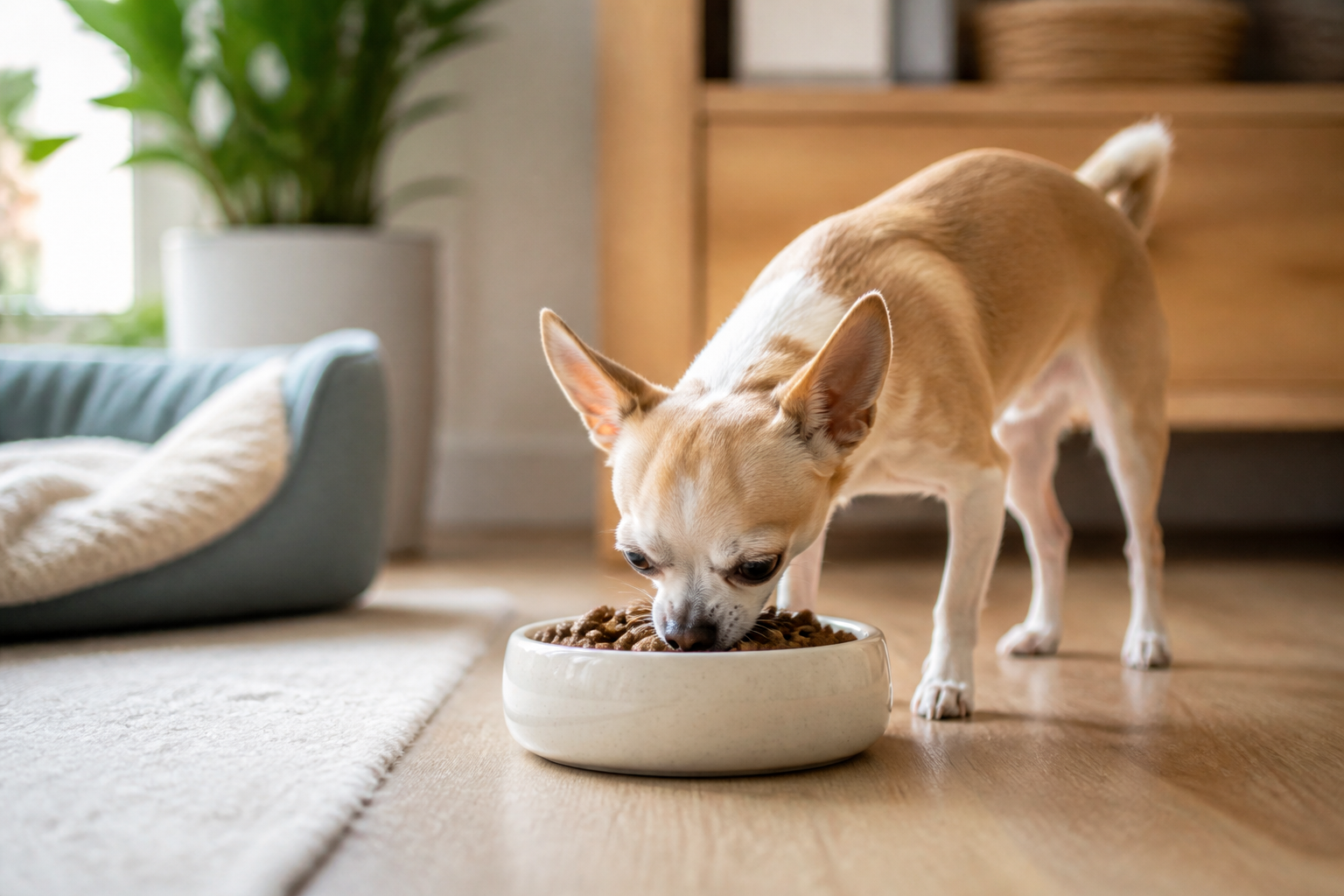
You fill a tiny ceramic bowl with kibble only to have your Chihuahua give it a skeptical sniff and walk away. This small but mighty breed is famous for having a big personality and an even bigger list of dietary preferences. Finding the right food for a Chihuahua is about more than just catering to a picky eater. These dogs have the fastest metabolisms in the canine world and mouths so small that standard kibble can be a genuine choking hazard. At BaxterBoo, we have spent years helping pet owners navigate the specific needs of toy breeds from our warehouse in Illinois. This guide explores the nutritional requirements of the Chihuahua and identifies which dry food formulations actually support their long term health. We believe the best dry food for a Chihuahua balances high calorie density with a specialized kibble shape to protect their delicate teeth and joints.
Quick Answer: The best dry dog food for Chihuahuas is a small-breed or breed-specific formula with high calorie density and small kibble sizes. Look for real animal protein like chicken or lamb as the first ingredient and avoid large, hard nuggets that can damage their tiny jaws.
The High Stakes of the Chihuahua Metabolism
A Chihuahua may weigh only five pounds, but they burn energy at a rate that would exhaust a Labrador. Because their bodies are so small, they do not have large fat reserves to fall back on. This makes them highly susceptible to hypoglycemia, or low blood sugar, especially during puppyhood or times of stress. If they go too long without a nutrient-dense meal, their energy levels can crash dangerously fast.
The best dry food for this breed must be calorie-dense. This means every single bite needs to count. You want a recipe that packs a high concentration of protein and healthy fats into a very small volume of food. Since their stomachs are about the size of a walnut, they cannot eat large quantities at once. A high-quality kibble allows them to get the fuel they need without feeling overfull or bloated. You can compare options in our dry dog food category.
Weight management is the other side of this metabolic coin. Because they are so small, gaining just one pound is the equivalent of a human gaining thirty pounds. This extra weight puts massive strain on their tiny hearts and fragile joints. We often see Chihuahuas struggle with patellar luxation, a condition where the kneecap slips out of place. Keeping them at a lean, healthy weight through precise calorie control is one of the best ways to keep them mobile.
Why Kibble Shape and Size Matter
When you look at a Chihuahua, you notice their head shape often involves a short muzzle and a slightly rounded skull. This anatomy means their teeth are often crowded together in a very small space. Crowded teeth trap food particles more easily than the well-spaced teeth of larger dogs. This makes Chihuahuas highly prone to dental disease, tartar buildup, and early tooth loss.
The physical structure of the dry food you choose is a tool for dental health. Many standard kibbles are too large for a Chihuahua to crack comfortably. If the kibble is too big, they may try to swallow it whole, which leads to digestive upset or choking. Conversely, if the kibble is too soft or large, it does not provide the mechanical scraping action needed to help reduce plaque. For more guidance, read what’s best about dry food for small dogs.
The best formulas for Chihuahuas, such as the breed-specific options from Royal Canin, use a customized kibble shape. These are often small, cross-shaped, or triangular pieces designed specifically for miniature jaws. The texture is engineered to encourage chewing, which helps scrub the surface of the teeth. This is especially important for adult and senior Chihuahuas who may already have some dental sensitivity.
Key Takeaway: Proper nutrition for a Chihuahua requires a balance between high calorie density for their fast metabolism and a specialized kibble shape that accommodates their tiny, crowded teeth.
Essential Ingredients for Toy Breed Health
When reading a dog food label for your Chihuahua, the first three to five ingredients tell the most important story. This breed thrives on high-quality animal proteins that support lean muscle mass. Look for named sources like chicken, turkey, lamb, or fish. Avoid generic terms like "meat meal" or "animal by-products," which can be inconsistent in quality and harder for a small dog to digest.
Healthy fats are the primary energy source for these active little dogs. Omega-3 and Omega-6 fatty acids are crucial. They do more than just make the coat shiny. These fats support brain development in puppies and provide anti-inflammatory benefits for senior dogs. Ingredients like fish oil, flaxseed, and chicken fat are excellent sources of these nutrients.
Digestible carbohydrates are also necessary for steady energy. While some owners prefer grain-free diets, many Chihuahuas do very well with wholesome grains like oatmeal, brown rice, or barley. These provide the fiber needed for consistent digestion and firm stools. If your dog has a sensitive stomach, which is common in this breed, limited ingredient diets can help pinpoint and eliminate triggers like corn, soy, or wheat. Our selection of The Honest Kitchen products includes whole-food and limited-ingredient options.
Checklist for Quality Chihuahua Food:
- Real animal protein listed as the first ingredient (Chicken, Beef, Lamb).
- Small-breed specific formulation for appropriate calorie counts.
- Added Omega fatty acids for skin and coat health.
- Antioxidants like blueberries or spinach for immune support.
- Small kibble size (roughly the size of a pea or smaller).
Top Brand Recommendations at BaxterBoo
Our warehouse team at BaxterBoo carefully curates the brands we carry to ensure every bag of food meets high nutritional standards. For Chihuahuas, we frequently recommend brands that prioritize small-breed biology and high-quality sourcing.
Royal Canin Chihuahua Adult
This is one of the few formulas designed specifically for the breed. It addresses the exact jaw shape and finicky appetite of the Chihuahua. The kibble size and shape are tailored for easy pick-up and chewing. It also contains highly digestible proteins to help reduce the volume and odor of stools, which is a big plus for indoor city dogs.
The Honest Kitchen Whole Food Clusters (Small Breed)
For owners who want the benefits of fresh food with the convenience of dry kibble, these clusters are a fantastic choice. They are cold-pressed and dehydrated rather than extruded at high heat. This preserves more of the natural nutrients. The small-breed recipe uses human-grade ingredients and has a texture that is easy for small dogs to crunch without being overly hard.
NutriSource Small Breed Recipes
NutriSource is known for its Good 4 Life system, which focuses on gut health. Chihuahuas with sensitive stomachs often thrive on their chicken and rice or trout and rice formulas. They include prebiotics and probiotics that help the dog absorb more nutrients from smaller amounts of food. This is vital for a breed that eats so little in one sitting. Explore our selection of NutriSource products to compare available recipes.
Stella and Chewy’s Freeze-Dried Raw Coated Kibble
If you have a particularly picky Chihuahua, this brand is often the solution. They take high-quality kibble and coat it in freeze-dried raw meat. It provides an aroma and flavor that most small dogs find irresistible. It also includes glucosamine and chondroitin, which support the joint health these dogs need as they age.
Feeding for Every Life Stage
The nutritional needs of a Chihuahua change significantly as they grow from a tiny puppy into a senior lap dog. You cannot simply feed the same food in different amounts throughout their life. For more guidance on puppy feeding amounts, read how much dry dog food to feed a puppy.
Chihuahua Puppies
Puppies need significantly more protein and fat than adults to support their rapid growth. They also require DHA, an omega fatty acid found in mother's milk, which is essential for brain and vision development. Because of the risk of hypoglycemia, puppies should be fed three to four small meals a day. Look for "Small Breed Puppy" labels to ensure the calcium and phosphorus levels are balanced for their small bones.
Adult Chihuahuas
Once your dog reaches about eight to ten months, they transition to adult food. The goal here is maintenance. You want to keep their energy high but their weight stable. If your adult dog is mostly a lap pet with low activity, you may need a formula with slightly lower fat content to prevent obesity.
Senior Chihuahuas
As Chihuahuas enter their double digits, their metabolism slows down. Senior dogs often face joint stiffness and a decline in cognitive function. Senior-specific dry foods often add extra joint support like Green Lipped Mussel or Cosequin. If your senior dog begins to lose teeth, you may need to transition to a softer "clusters" style food or add a small amount of warm water to their dry kibble to create a softer texture.
Vet Tip: Chihuahuas are prone to heart issues and kidney disease as they age. If you notice your senior dog is drinking more water than usual or has a persistent cough, consult your veterinarian. They may recommend a prescription diet from our pet pharmacy, such as Farmina Vet Life, which is formulated for specific health conditions.
Managing the Picky Eater
It is a common complaint among Chihuahua owners: "My dog just won't eat dry food." This pickiness is often a learned behavior. If a Chihuahua knows that refusing kibble will result in a piece of chicken or cheese from the table, they will hold out every time. However, some dogs genuinely find dry kibble unappealing because it lacks aroma. For additional strategies, see what dry dog food is best for picky eaters.
To encourage a picky Chihuahua to eat their dry food, try these steps:
Step 1: Add a small amount of warm water or low-sodium bone broth to the kibble. This releases the fats and aromas, making the food much more tempting.
Step 2: Use a high-quality food topper. Brands like Stella and Chewy’s make meal mixers that can be crumbled over dry food to add a burst of raw flavor. You can also explore our freeze-dried pet food collection.
Step 3: Ensure the food is fresh. Because Chihuahuas eat so little, a large bag of food might sit open for months. Fats in the food can go rancid and lose their smell. Buy smaller bags to ensure the kibble stays crunchy and fragrant.
Transitioning to a New Dry Food
If you decide to switch your Chihuahua to a higher-quality dry food, do not do it overnight. Their digestive systems are sensitive, and a sudden change can lead to vomiting or diarrhea. This is especially risky for small dogs who can dehydrate quickly. For more information about digestive upset during food changes, read can dry food cause diarrhea in dogs.
Step 1: Days 1-2. Mix 25% of the new food with 75% of the old food.
Step 2: Days 3-4. Mix 50% of the new food with 50% of the old food.
Step 3: Days 5-6. Mix 75% of the new food with 25% of the old food.
Step 4: Day 7. Serve 100% of the new food.
Monitor your dog's stools during this week. If they become loose, stay at the current percentage for an extra day or two before increasing the new food. This slow transition allows the beneficial bacteria in their gut to adjust to the new protein and fiber sources.
Bottom line: A slow seven-day transition is the best way to prevent digestive upset when moving your Chihuahua to a more nutrient-dense dry food.
Addressing Common Health Concerns Through Diet
While a standard high-quality dry food is enough for most Chihuahuas, some individuals require more targeted support. Food allergies are relatively common in the breed and often manifest as itchy skin, red paws, or chronic ear infections. If your dog is constantly licking their feet, they may have a sensitivity to common ingredients like chicken or beef.
In these cases, a limited ingredient diet or a novel protein source like venison, duck, or lamb can be life-changing. We carry several specialized lines like PureVita that focus on single-protein recipes. These formulas remove the common allergens that cause skin inflammation.
For dogs with more advanced health needs, such as chronic kidney issues or severe urinary stones, a therapeutic diet might be necessary. Our pharmacy partnership with Pet's Choice allows us to provide FDA-approved prescription pet foods. These diets are formulated with precise mineral levels to manage internal health conditions. You will need a valid prescription from your veterinarian to order these specialized foods through our pharmacy. You can also review this guide to veterinary diet food before discussing options with your veterinarian.
Maintaining the Ideal Weight
It is very easy to overfeed a Chihuahua. A single standard measuring cup of food is often enough to feed a five-pound dog for two entire days. Most owners find that using a standard kitchen scale is much more accurate than a measuring cup. Weighing the food in grams ensures your dog gets the exact number of calories they need without the "cup creep" that leads to weight gain.
Check your dog's body condition regularly. You should be able to feel their ribs easily under a thin layer of skin, and they should have a visible waist when viewed from above. If they start to look like a little loaf of bread, it is time to cut back on treats. Remember that treats should never make up more than 10% of their daily caloric intake. For a Chihuahua, this might only be one or two small biscuits a day.
Summary of Finding the Best Food
Selecting the right food for your Chihuahua is one of the most impactful decisions you can make for their longevity. By focusing on calorie density, kibble size, and high-quality proteins, you provide the foundation for a healthy life. Whether you choose a breed-specific formula or a high-protein cluster, the goal is to support their fast metabolism while protecting their teeth and joints.
- Prioritize small-breed specific dry foods for appropriate kibble sizing.
- Ensure the first ingredient is a high-quality animal protein.
- Use a slow transition period to avoid stomach upset.
- Monitor weight closely and use a kitchen scale for portion accuracy.
- Consult your vet for any signs of allergies or dental pain.
As your dog ages or if they develop specific health needs, we are here to help. You can earn rewards on every bag of food through the MVP Rewards programme, or save time and money by setting up our Autoship programme for their favorite kibble. For those requiring medical support, our pet pharmacy offers a wide range of prescription diets and medications to keep your tiny companion thriving for years to come.
FAQ
Does my Chihuahua really need a breed-specific food?
While not strictly mandatory, breed-specific foods like Royal Canin Chihuahua Adult are helpful because they address specific breed traits. These include the unique jaw shape and the high frequency of dental issues in Chihuahuas. If you do not use a breed-specific food, ensure you choose a "small breed" or "toy breed" formula to get the correct kibble size and calorie density.
How many times a day should I feed my Chihuahua?
Adult Chihuahuas generally do best with two to three small meals per day to keep their blood sugar stable. Puppies require more frequent feedings, usually four times a day, to prevent hypoglycemia. Avoid "free feeding" or leaving food out all day, as this makes it difficult to monitor exactly how much they are eating and can lead to obesity.
Why does my Chihuahua have "tear stains" and can food fix it?
Tear stains are common in light-colored Chihuahuas and are often caused by the shape of their eyes or allergies. Sometimes, low-quality ingredients or artificial dyes in dry food can worsen the staining. Switching to a high-quality, limited-ingredient dry food with no artificial colors can sometimes reduce the severity of tear stains, though you should also have your vet check for blocked tear ducts.
Is grain-free dry food better for Chihuahuas?
Grain-free is not necessarily better unless your Chihuahua has a confirmed allergy to specific grains like wheat or corn. Many Chihuahuas thrive on high-quality grains like oatmeal or brown rice, which provide steady energy and fiber. If you choose a grain-free diet, ensure it is high in protein and not just filled with high levels of potatoes or legumes, which can be hard for some small dogs to digest.






