
 Save 15% on your 1st Autoship learn more

 Email us
 Live Chat
 FAQs
FAQs





Introduction
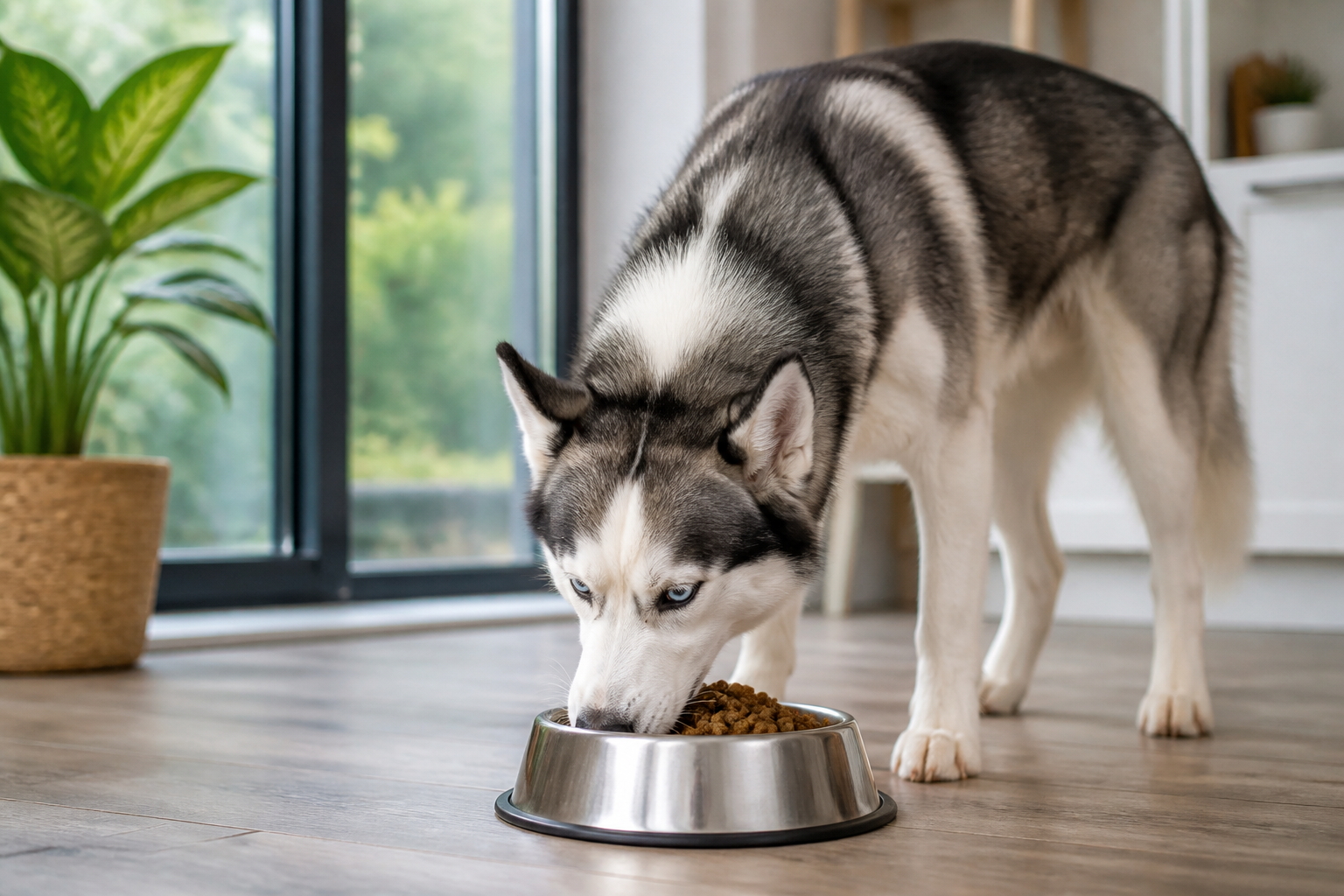
You are likely familiar with the sight of a husky owner standing in a pet store aisle, staring blankly at a wall of colorful bags. Your Siberian Husky has enough energy to power a small village, yet they often seem surprisingly disinterested in their dinner bowl. This breed is famous for its striking eyes and athletic build, but their nutritional needs are just as unique as their personalities. At BaxterBoo, we know that fueling a working breed in a modern home requires a careful balance. This guide will explore the specific caloric, protein, and fat requirements that keep these arctic athletes healthy. We will cover everything from the best protein sources to managing common health concerns through nutrition. Our goal is to help you find a diet that supports their legendary stamina and their beautiful double coats.
Quick Answer: The best dry dog food for huskies is a high-protein, moderate-fat formula that uses real animal meat as the first ingredient. Look for recipes with 22 to 30 percent protein and added Omega-3 fatty acids to support their thick coats and active joints.
The Unique Metabolism of the Siberian Husky
Huskies are not like most other dogs when it comes to how they process food. They were originally bred by the Chukchi people in Siberia to pull light loads over vast distances in freezing temperatures. Because food was often scarce, the breed evolved a highly efficient metabolism. They can travel incredible distances while burning very few calories compared to other breeds.
In a modern home, this efficiency can sometimes look like picky eating. If a husky is not working hard, they may simply decide they are not hungry. They often eat only until they are full, rather than eating everything in sight. This trait makes them less prone to obesity than a Labrador, but it can make choosing a food difficult for owners. You need a nutrient-dense kibble so that the small amount they do eat provides everything their body requires.
Because their bodies are so efficient, many owners find that their husky needs less food than the package suggests. Feeding the full amount recommended for a sixty-pound dog might lead to weight gain if your husky is a couch potato. Focus on the quality of the calories rather than the volume. High-quality animal proteins and fats should do the heavy lifting in their diet.
Protein Requirements for Active Sled Dogs
Protein is the most critical component of a husky's diet. It provides the amino acids necessary for muscle repair and maintenance. For an active husky, protein should make up a significant portion of their daily intake. Most experts recommend a range of 22 to 30 percent protein for an adult husky. If your dog is involved in agility, hiking, or actual sledding, they may need even more.
The source of the protein is just as important as the percentage. Look for whole meats or meat meals from named sources like chicken, beef, lamb, or fish. Avoid vague terms like "animal byproduct" or "poultry meal." These terms do not guarantee the quality or the source of the protein. Brands like Orijen or Acana are excellent choices because they prioritize fresh, regional ingredients and high meat inclusions. Browse our selection of Orijen products when comparing protein-forward recipes.
Protein also supports the husky's thick double coat. Hair is made almost entirely of protein. If a husky does not get enough high-quality protein, their coat may become brittle, thin, or dull. Since huskies shed heavily twice a year, they need a constant supply of protein to grow a healthy new coat.
Key Takeaway: Huskies require nutrient-dense food with high-quality animal protein to maintain their lean muscle mass and iconic double coats.
The Role of Healthy Fats and Omega Fatty Acids
Fat is the primary energy source for a working husky. While humans use carbohydrates for quick energy, dogs are much better at utilizing fat. For a husky, fat provides the long-burning fuel they need for endurance. A diet with 12 to 18 percent fat is usually ideal for an adult dog living an average lifestyle.
Beyond energy, fats are essential for skin and coat health. The Siberian Husky has a dense undercoat and a longer topcoat. To keep this fur waterproof and shiny, they need plenty of Omega-3 and Omega-6 fatty acids. Fish-based foods, such as those featuring salmon or mackerel, are naturally high in these nutrients.
We carry several fish-forward brands like Orijen Six Fish that are perfect for this breed. If you choose a chicken or beef-based kibble, look for added ingredients like salmon oil or flaxseed. These additions help prevent the dry, itchy skin that some huskies experience in climate-controlled homes. Orijen Six Fish Grain-Free Dry Dog Food is one fish-forward option to compare.
Essential Fats Checklist:
- Salmon oil or fish oil for Omega-3s
- Chicken fat or sunflower oil for Omega-6s
- DHA and EPA for brain and eye health
- Minimum fat content of at least 12 percent for adults
Carbohydrates and Digestive Sensitivity
Huskies can be prone to sensitive stomachs. In their ancestral environment, their diet consisted largely of proteins and fats with very few carbohydrates. Some modern huskies struggle to digest high levels of corn, wheat, or soy. If your dog has frequent loose stools or gas, it might be time to look at the carbohydrate sources in their food.
Many owners find success with grain-free diets that use sweet potatoes, peas, or lentils. However, grains are not inherently bad for huskies. Ancient grains like oats, barley, and millet can provide steady energy and helpful fiber. The key is to avoid "filler" grains that offer little nutritional value.
If you are transitioning to a new carbohydrate source, do it slowly. A sudden change can upset a husky's digestive tract. Mix a small amount of the new food with the old food over at least ten days. This gives their gut bacteria time to adjust to the new ingredients. For additional guidance, read our guide to selecting dry dog food.
Zinc-Responsive Dermatosis in Huskies
One specific health concern for huskies is zinc-responsive dermatosis. This breed, along with other northern breeds like Alaskan Malamutes, can have trouble absorbing zinc from their food. Zinc is vital for skin health, immune function, and wound healing.
When a husky is deficient in zinc, you might notice crusting or redness around their eyes, muzzle, and paw pads. Their coat may also become thin. While many high-quality dry foods contain zinc, some huskies need a formula with higher bioavailability or a specific supplement.
Vet Tip: If you notice crusty skin or hair loss around your husky's face, consult your veterinarian. They can determine if your dog needs a zinc supplement or a specific prescription diet. Never start a high-dose zinc supplement without professional guidance, as too much zinc can interfere with the absorption of other minerals.
Nutritional Needs for Husky Puppies
Husky puppies grow rapidly, but they take longer to reach full maturity than smaller breeds. They generally need a puppy-specific formula until they are at least 12 to 18 months old. Feeding a puppy food designed for "large breeds" is often a smart choice. These formulas are carefully balanced to control growth rates.
If a husky puppy grows too fast, it can put unnecessary strain on their developing joints. Large breed puppy foods have specific calcium and phosphorus ratios to ensure bones grow at a healthy pace. Look for brands like NutriSource or Royal Canin that offer life-stage-specific recipes. These brands conduct extensive research to ensure puppies get the right building blocks for a long, healthy life.
Puppy food should also contain DHA, which is often sourced from fish oil. This nutrient is essential for brain development and vision. Since huskies are highly intelligent and independent, supporting their cognitive growth during puppyhood is a great investment. For more portion guidance, read how much dry dog food to feed a puppy.
Managing Senior Husky Health
As your husky enters their senior years, usually around age eight or nine, their nutritional needs will shift again. They may become less active, meaning they require fewer calories to avoid weight gain. However, they still need high levels of protein to prevent muscle wasting.
Joint health becomes a major priority for older huskies. Years of running and jumping can lead to arthritis or general stiffness. Look for senior-specific dry foods that include glucosamine and chondroitin. These compounds help maintain cartilage and joint lubrication.
We also suggest looking for foods with added antioxidants like blueberries, cranberries, and spinach. These help support the immune system and may help combat cognitive decline. If your senior husky becomes extremely picky or has trouble chewing hard kibble, you can soften it with warm water or a high-quality wet food topper.
The BaxterBoo Pharmacy and Prescription Diets
Sometimes, a standard over-the-counter kibble is not enough to manage a husky's health. This breed can be prone to certain conditions like hip dysplasia, cataracts, or severe allergies. If your veterinarian recommends a specific therapeutic diet, we can help.
Our pet pharmacy offers FDA-approved medications and prescription pet foods through our partnership with Pet's Choice. Whether your husky needs a hydrolyzed protein diet for severe skin allergies or a joint-support formula for mobility issues, you can find it through our platform. Having your dog's regular food and their prescription needs in one place makes managing their health much simpler.
Prescription diets are formulated with specific medical goals in mind. They often contain higher levels of certain nutrients or use unique processing methods that are not found in standard retail foods. If your husky's health needs go beyond general wellness, the pharmacy is a valuable resource for maintaining their quality of life.
How to Handle a Picky Husky
It is very common for a husky to walk away from a full bowl of food. This can be frustrating for owners, but it is often just a sign of their efficient metabolism. However, if your dog is losing weight or seems lethargic, you need to encourage them to eat.
One trick is to enhance the aroma of the dry kibble. Adding a splash of warm water or unsalted bone broth can make the food much more appealing. You can also use freeze-dried toppers. Stella & Chewy’s makes meal mixers that are packed with raw, freeze-dried protein. Crumbling a few of these over the kibble can often entice a picky husky to finish their meal. You can also explore our freeze-dried food collection.
Another strategy is to stick to a strict feeding schedule. Leave the food down for twenty minutes, then pick it up. This teaches your husky that food is available at specific times. Avoid giving too many treats throughout the day. A few extra biscuits can easily spoil a husky's appetite for their actual dinner.
Key Takeaway: Don't panic if your husky skips a meal. If they are maintaining a healthy weight and have plenty of energy, they are likely just regulating their own calorie intake.
Feeding for the "Double Coat"
A husky’s coat is their crowning glory. It protects them from both heat and cold. To keep it functioning correctly, the skin must be healthy and hydrated. If the skin is dry, the hair follicles will not produce strong, healthy fur.
In addition to Omega fatty acids, look for foods containing Vitamin E and Biotin. These nutrients work together to strengthen the skin barrier. If you live in a very dry climate, you might find that even the best dry food needs a little help. Adding a teaspoon of coconut oil or a squirt of salmon oil to their breakfast can make a noticeable difference in their shine within a few weeks.
Remember that "blowing coat" season requires even more nutritional support. During these times, your husky is losing a massive amount of fur and growing a new layer. This process is metabolically demanding. Ensuring they are on a high-protein diet during shedding season can help the new coat grow in faster and stronger.
Avoiding Gastric Torsion and Bloat
While huskies are not as high-risk as some giant breeds, they can still experience gastric torsion, commonly known as bloat. This is a life-threatening condition where the stomach fills with gas and twists. Feeding habits play a large role in preventing this.
Never feed your husky immediately before or after heavy exercise. Wait at least one hour after a long run before offering a meal. If your husky tends to gulp their food, consider using a slow-feeder bowl. These bowls have ridges that force the dog to take smaller bites, reducing the amount of air they swallow.
Breaking their daily food into two or three smaller meals rather than one large meal can also help. Smaller portions are easier to digest and put less strain on the stomach. Always ensure they have access to fresh water, but try to prevent them from drinking huge amounts of water all at once right after eating.
Bloat Prevention Steps:
- Use a slow-feeder bowl to prevent gulping.
- Wait 60 to 90 minutes after exercise to feed.
- Split daily food into two smaller meals.
- Avoid elevated bowls unless specifically recommended by a vet.
Transitioning to a New Food
When you find the best dry dog food for your husky, do not swap it out overnight. Huskies have sensitive digestive systems that need time to adapt to new protein levels or fiber sources. A slow transition prevents diarrhea and stomach upset.
Start by mixing 25 percent of the new food with 75 percent of the old food. Do this for three days. If their stools remain firm, move to a 50/50 mix for another three days. Finally, move to 75 percent new food for the last three days before switching completely.
If at any point your husky develops loose stools, go back to the previous ratio for a few more days. This patient approach is the best way to ensure the new diet is a success. It also allows you to see if the new food causes any immediate allergic reactions or skin issues. For another transition approach, read how to switch from dry to wet dog food.
Summary of Husky Nutritional Goals
Finding the right balance for a husky means looking at the dog in front of you. An urban husky who walks three miles a day has different needs than a rural husky who runs ten miles. Adjust their portions based on their body condition. You should be able to feel their ribs easily, but they should not be poking out visibly.
Look for a food that checks these boxes:
- Real meat as the first ingredient (Chicken, Fish, Beef).
- Protein content between 22 and 30 percent.
- Fat content between 12 and 18 percent.
- Includes Omega-3 fatty acids for coat health.
- Contains no wheat, corn, or soy if your dog is sensitive.
- Offers joint support for seniors (Glucosamine/Chondroitin).
By focusing on these key factors, you can ensure your husky has the energy to be their playful, mischievous self for years to come. We are here to help you every step of the way with a curated selection of the best brands in the industry. Browse our dog food category to compare formulas for different life stages and activity levels.
Conclusion
Feeding a Siberian Husky requires a bit more thought than feeding many other breeds, but the effort is worth it. Their efficient metabolism, thick coats, and high energy levels all demand a specific nutritional profile. By choosing a high-protein, fat-rich diet and monitoring their unique health needs, you can keep your husky thriving. Whether you are navigating puppy growth or managing a senior's stiff joints, the right food makes all the difference. Remember to consult your veterinarian for any persistent health or weight concerns. We invite you to explore our wide range of premium dog foods and take advantage of the MVP Rewards program to earn back on every bag.
Bottom line: Quality protein and healthy fats are the foundation of a husky's health and happiness.
For ongoing savings on your husky's favorite kibble, consider signing up for our Autoship program. You will save on your first order and ensure you never run out of the food your dog loves. Plus, you will receive a free MVP Gold membership for even more exclusive benefits.
FAQ
How much should I feed my Siberian Husky daily?
Most adult huskies need between 1.5 and 2.5 cups of high-quality dry food per day, split into two meals. However, because huskies have very efficient metabolisms, they often require less food than other breeds of similar size. You should always monitor your dog's weight and adjust their portions based on their activity level and body condition.
Is grain-free food better for huskies?
Grain-free food can be beneficial for huskies with specific allergies or sensitive stomachs, but it is not a requirement for the breed. Many huskies do very well on diets containing ancient grains like oats or barley, which provide steady energy. The most important factor is the quality of the ingredients rather than the presence or absence of grains.
Why is my husky such a picky eater?
Huskies are naturally inclined to eat only what they need to maintain their energy levels. If they haven't been very active, they may skip a meal or eat very little. As long as your husky is maintaining a healthy weight and has a shiny coat and normal energy, their picky eating is likely just a result of their efficient metabolism.
When should I switch my husky from puppy food to adult food?
Huskies are a medium-to-large breed and generally reach physical maturity between 12 and 18 months of age. You should keep them on a puppy-specific formula, preferably one designed for large breeds, until they have finished growing. Switching to adult food too early can deprive them of the specific calcium and phosphorus levels they need for healthy bone development.






