
 Save 15% on your 1st Autoship learn more

 Email us
 Live Chat
 FAQs
FAQs





Introduction
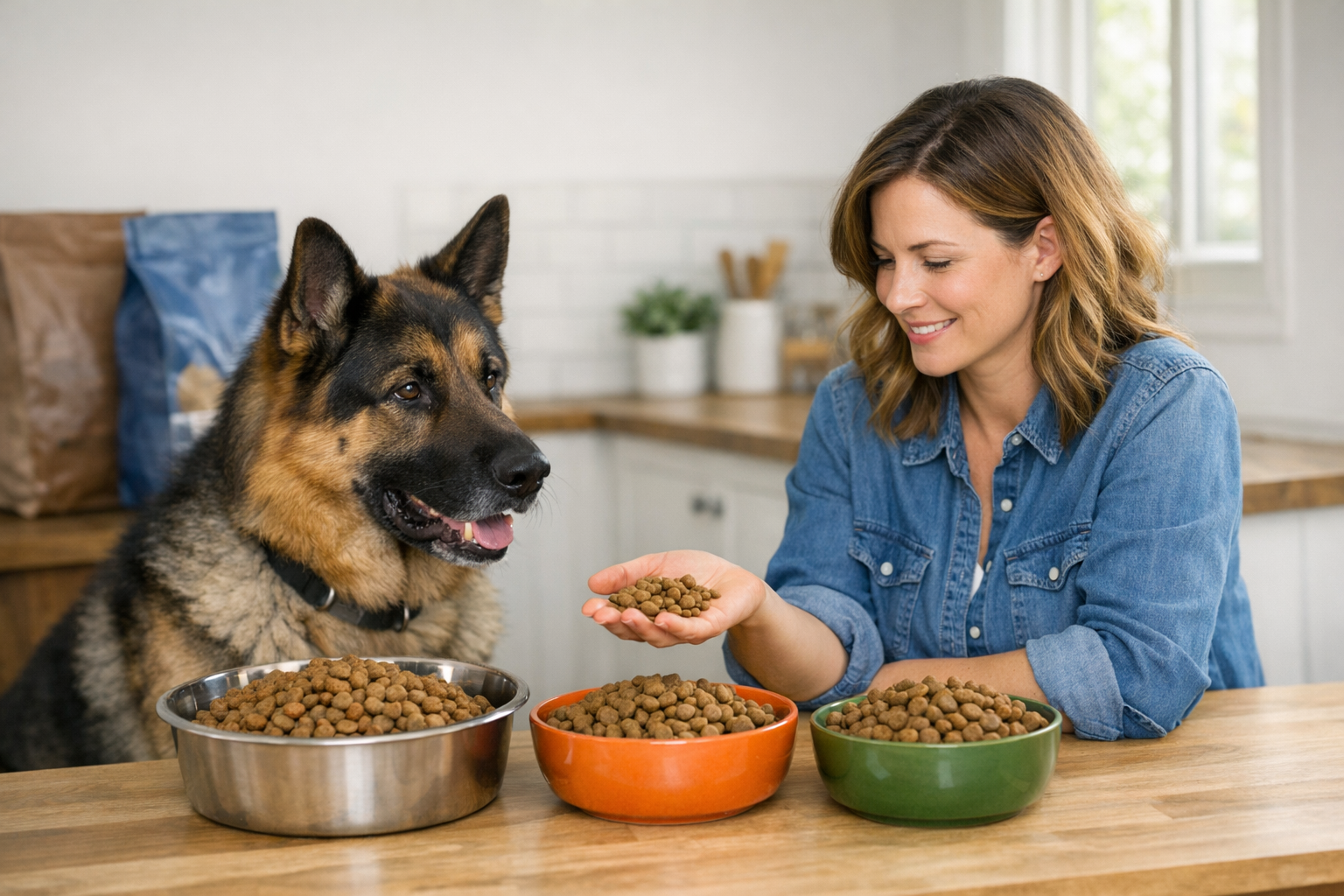
You are likely standing in a crowded pet aisle or scrolling through endless pages of search results, trying to figure out which bag of food will actually support your big dog. Choosing the right nutrition for a large breed feels like a high-stakes decision because it is. These dogs have unique skeletal structures and metabolic needs that smaller dogs simply do not share. At BaxterBoo, we have spent years curating a selection of over 500 brands to ensure every pet owner finds exactly what their animal needs. This article covers the essential nutrient balances for large breeds, the importance of life-stage specific formulas, and how to identify high-quality ingredients. We will also look at how your dog's size affects their risk for specific health conditions. Understanding these nutritional nuances is the first step toward a long and active life for your canine companion. If you want a broader starting point, our dry dog food category is a helpful place to compare options.
The Unique Nutritional Needs of Large Breeds
Large breed dogs are defined as those weighing over 50 pounds as adults. Because of their size, they face specific physiological challenges that smaller dogs do not. Their joints carry more weight, their hearts work harder, and their digestive tracts are relatively smaller compared to their body mass. This means their food cannot just be a larger version of standard dog food. It must be a precision-engineered formula.
One of the most important factors is calorie density. While a tiny Terrier might need a high-energy food to fuel a fast metabolism, a large breed dog often needs a more moderate caloric intake. If a large dog consumes too many calories, they can easily become overweight. Excess weight puts immense strain on their bones and joints, leading to mobility issues later in life.
The physical size of the kibble also matters. Large dogs are often "gulpers" who swallow their food without much chewing. Large-breed specific dry foods usually feature bigger kibble pieces. This design encourages the dog to crunch through the food, which can help slow down their eating speed and provide a minor dental cleaning benefit.
Quick Answer: The best dry dog food for large breeds is a formula specifically labeled for large breeds that meets AAFCO standards. It should contain moderate fat and calorie levels, balanced calcium and phosphorus ratios, and added joint support like glucosamine.
Life Stage Matters: From Puppyhood to Senior Years
The "best" food changes as your dog grows. A giant breed puppy has vastly different requirements than a senior dog of the same breed. Mixing these up can lead to serious health consequences, particularly during the rapid growth phase. For a more detailed look at feeding growing dogs, our large breed puppy food category is a useful next step.
Large Breed Puppies
Large breed puppies grow at an incredible rate. A puppy can go from one pound at birth to over 100 pounds in less than two years. If they grow too quickly, their bones may not develop the density needed to support their increasing weight. This often leads to developmental orthopedic diseases.
To prevent this, large breed puppy foods are formulated with lower levels of calcium and phosphorus compared to standard puppy food. They also have slightly fewer calories to ensure a steady, controlled growth rate rather than a massive growth spurt. Brands like our selection of Open Farm products offer specialized puppy formulas that prioritize this slow-growth approach using high-quality animal proteins.
Adult Maintenance
Once a dog reaches skeletal maturity, usually between 18 and 24 months for large breeds, they transition to adult food. The goal here shifts from growth to maintenance. You want a food that supports lean muscle mass without adding unnecessary fat. Look for foods that list a high-quality animal protein as the first ingredient, such as deboned chicken, beef, or salmon.
Many adult formulas for large breeds also start including preventative supplements. Omega-3 fatty acids from fish oil are common for skin and coat health. Glucosamine and chondroitin are often added to support the cartilage in the joints. Our selection of Orijen products and our selection of NutriSource products are good examples of brands that tailor their adult formulas to these specific structural needs.
Senior Support
Large dogs tend to age faster than small dogs. A dog over the age of six or seven is often considered a senior. At this stage, their metabolism slows down even further. Senior large breed food typically contains more fiber to help them feel full on fewer calories. It also may contain higher levels of antioxidants to support cognitive function and a stronger immune system. If you want more background on how feeding changes as dogs age, our guide to puppy portions can help frame the life-stage differences.
Vet Tip: Always transition your dog to a new food slowly over 7 to 10 days. Start by mixing 25% of the new food with 75% of the old food, gradually increasing the ratio to prevent digestive upset or diarrhea.
Understanding the Ingredient Label
Reading a dog food label can feel like deciphering a different language. However, there are a few key things to look for that indicate a high-quality dry food. The Association of American Feed Control Officials (AAFCO) provides the gold standard for nutritional adequacy. Every bag of food you buy should have an AAFCO statement confirming it is "complete and balanced" for your dog's specific life stage.
Protein Sources
Look for specific named meats. Terms like "chicken," "lamb," or "turkey" are better than vague terms like "meat meal" or "animal by-products." Whole meats provide the essential amino acids your dog needs for muscle repair. Some premium brands like our selection of Stella & Chewy's products use raw-coated kibble or freeze-dried pieces to boost the protein quality and taste.
Carbohydrates and Grains
There is a lot of debate about grains in dog food. For many large dogs, ancient grains like oats, barley, and quinoa provide excellent fiber and energy. Grain-free options often use legumes like peas or lentils. Both can be healthy, but it is important to choose based on your dog's individual sensitivities. If your dog has a sensitive stomach, a limited ingredient diet from a brand like Merrick might be the best route.
Fats and Oils
Fats are a necessary part of a dog's diet for energy and cell function. However, for large breeds, the source of fat matters. Look for healthy fats like chicken fat or salmon oil. Avoid foods that list "vegetable oil" or "tallow" high up on the ingredient list. High-quality fats contribute to a shiny coat and support brain health. For more on keeping kibble in peak condition, our dry dog food freshness guide is a helpful read.
Key Takeaway: Prioritize foods with named animal proteins and specific healthy fats. Ensure the bag carries an AAFCO statement for the correct life stage of your large dog.
Managing Health Risks Through Nutrition
Large dogs are prone to several serious health conditions that can be managed or influenced by what they eat. Being proactive with their diet can save you from expensive vet bills and heartache later. For supplement options and everyday support products, our dog health category is a practical place to browse.
Orthopedic Disease and Joint Health
Because large dogs carry so much weight, their joints take a beating. Conditions like hip dysplasia and arthritis are common. While genetics play a role, nutrition is a massive factor. Feeding a food with added glucosamine, chondroitin, and MSM can help maintain the integrity of the joint fluid and cartilage. If your dog is already showing signs of stiffness, you might consider adding a separate supplement to their daily routine. For a deeper look at mobility support, our joint health and mobility guide is a useful companion piece.
The Danger of Bloat (GDV)
Gastric Dilation-Volvulus, or bloat, is a life-threatening condition where the stomach fills with gas and twists. Large, deep-chested breeds like Great Danes, German Shepherds, and Standard Poodles are at the highest risk. Diet plays a role in prevention. Feeding smaller, more frequent meals rather than one large meal can help. Avoid dry foods that use high amounts of fats or oils in the first four ingredients, as these can slow down gastric emptying.
Obesity Prevention
Obesity is the most common nutritional disease in dogs, and it is particularly hard on big dogs. Just five extra pounds on a Golden Retriever is the equivalent of a human carrying significantly more. It shortens their lifespan and makes orthopedic issues much worse. We carry several weight-management formulas, such as Farmina Vet Life, which are designed to help dogs lose weight safely while still feeling satisfied.
When to Consider Prescription Diets
Sometimes, a standard over-the-counter dry food is not enough. If your dog has a chronic health condition like kidney disease, severe allergies, or recurring urinary stones, your veterinarian may recommend a prescription diet. These foods are formulated with precise levels of nutrients to manage a specific disease state.
Our pet pharmacy offers a wide range of prescription pet foods and medications through our partnership with Pet's Choice. This allows you to get your dog's specialized nutrition delivered right to your door alongside their other health needs. Prescription diets are often the best choice for dogs with complex medical histories.
Steps for Starting a Prescription Diet:
- Consult your veterinarian for a formal diagnosis.
- Receive a written prescription for a specific diet.
- Place your order through our pharmacy section.
- Monitor your dog for improvements and follow up with your vet for regular check-ups.
Shopping for Value and Quality
We understand that feeding a large dog is an investment. They eat a lot of food, and the cost of premium kibble can add up quickly. However, high-quality food is often more nutrient-dense, meaning you can actually feed your dog less than you would with a cheaper, filler-heavy brand. This often brings the cost-per-serving closer together than it appears on the price tag.
To help our customers manage these costs, we offer several ways to save. Our MVP Rewards programme lets you earn rewards on your purchases, which can be used toward future bags of food. We also have a Frequent Buyer Program for many of our top brands, where you can earn free products after a certain number of purchases.
For the ultimate convenience, our Autoship programme ensures you never run out of food. You can set a recurring delivery schedule that fits your dog's appetite, saving you a trip to the store.
Bottom line: Investing in high-quality food now can lead to lower veterinary costs and a higher quality of life for your large dog as they age.
Selecting the Right Brand for Your Dog
There is no single "best" brand for every dog, but certain companies consistently produce high-quality results for large breeds. We carry several of these trusted names at BaxterBoo.
- Open Farm: Known for their commitment to traceability and ethically sourced meats. Their ancient grains formulas are excellent for large dogs needing high-quality fiber.
- Royal Canin: They offer breed-specific formulas that account for the unique jaw shapes and nutritional needs of dogs like Labradors, German Shepherds, and Golden Retrievers.
- Stella & Chewy's: A great choice for owners who want the benefits of raw nutrition with the convenience of dry kibble. Their raw-coated and raw-blend options are very palatable.
- NutriSource: A family-owned company that focuses heavily on gut health. Their large breed formulas include their proprietary "Good 4 Life" system to support digestion and immunity.
- Orijen: This brand focuses on "biologically appropriate" diets, meaning they use high percentages of fresh, whole animal ingredients. This is perfect for high-energy large dogs.
Conclusion
Finding the best dry dog food for large dogs requires looking beyond the marketing on the bag. You must consider the specific life stage of your dog, their current weight, and any underlying health concerns. Focus on finding a formula that balances controlled growth for puppies and joint support for adults and seniors. High-quality proteins and healthy fats should always take center stage on the ingredient list.
At BaxterBoo, we are committed to helping you navigate these choices. Whether you are looking for a standard large breed formula or a specialized prescription diet through our pharmacy section, we have the expertise and the inventory to support your journey. Your large dog gives you a massive amount of love. Returning that love starts with the food you put in their bowl every day.
Summary Takeaways:
- Large breed puppies need slow-growth formulas with controlled calcium levels.
- Adult large dogs require joint support and calorie management to prevent obesity.
- The pharmacy at BaxterBoo is your resource for prescription diets and health management.
- Using programs like MVP Rewards and Autoship makes premium nutrition more affordable.
FAQ
Is grain-free food better for large breed dogs?
Grain-free is not inherently better unless your dog has a specific allergy to grains, which is actually quite rare in dogs. Many large dogs thrive on ancient grains like oats and brown rice, which provide steady energy and fiber. If you choose grain-free, ensure it is a high-quality formula that doesn't rely too heavily on cheap legume fillers.
How often should I feed my large breed dog to prevent bloat?
Most veterinarians recommend feeding large breed dogs at least two smaller meals per day rather than one large one. This prevents the stomach from becoming overly distended. You should also avoid vigorous exercise for at least an hour after eating to reduce the risk of the stomach twisting.
When should I switch my large breed puppy to adult food?
Large and giant breeds take longer to mature than small dogs. Most should stay on a large breed puppy formula until they are 18 to 24 months old. Switching too early can lead to an imbalance in the nutrients they need to finish their bone development. Always consult your vet before making the switch.
Do large breed dogs really need joint supplements in their food?
While not every dog will develop joint issues, large breeds are much more susceptible due to their weight. Having glucosamine and chondroitin already in the kibble provides a baseline of support. For dogs with existing stiffness or breeds highly prone to dysplasia, adding an extra high-quality supplement is often recommended by experts.






