
 Save 15% on your 1st Autoship learn more

 Email us
 Live Chat
 FAQs
FAQs





Introduction
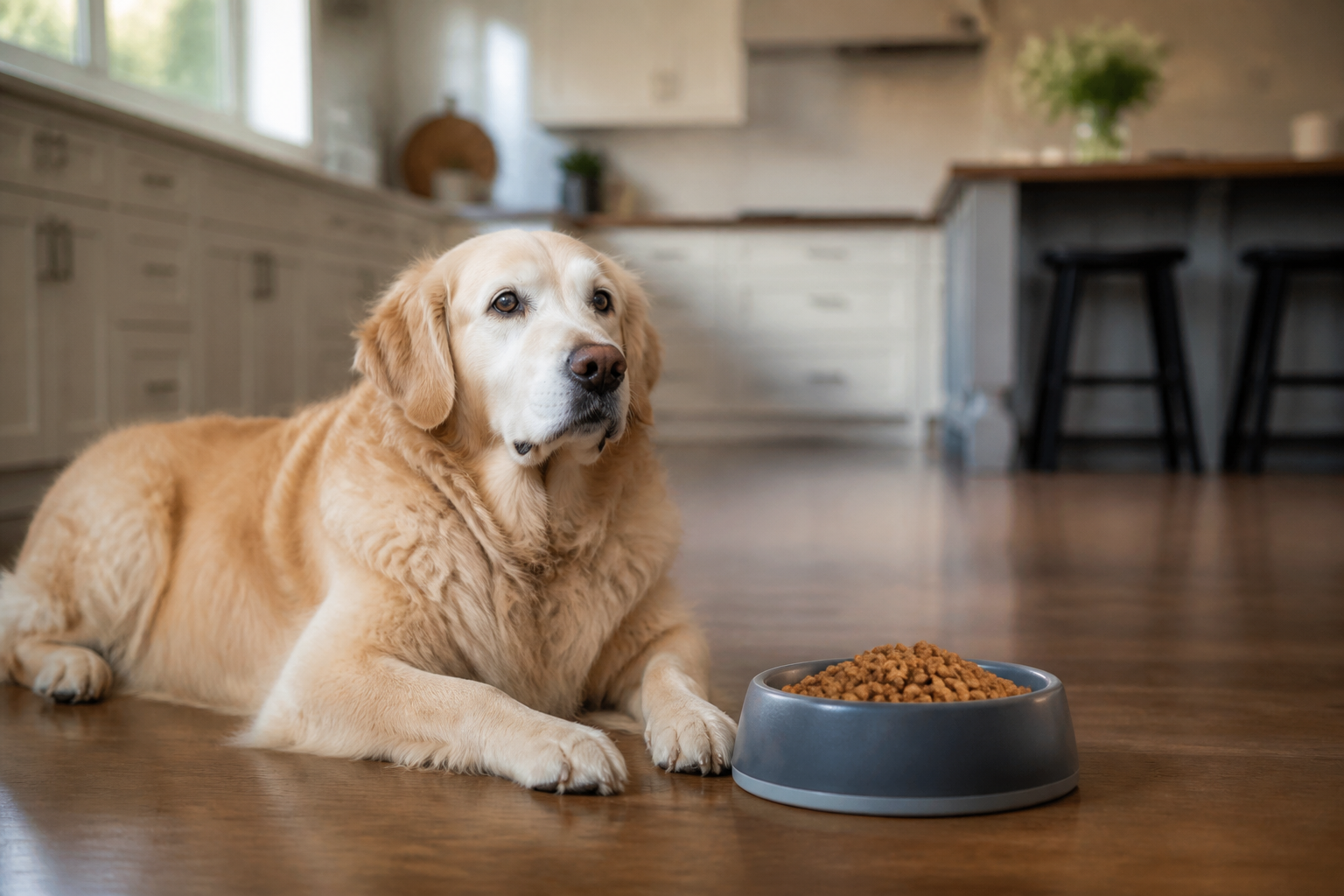
You might notice it when they take the stairs a bit slower or when that gray fur starts creeping across their muzzle. Your once-energetic puppy is now a senior dog. This shift is a natural part of life, but it means their nutritional needs are changing. At BaxterBoo, we have helped thousands of pet owners navigate these golden years since we opened our doors in 2006. Choosing the right kibble is one of the most effective ways to support your dog’s mobility, cognitive health, and weight. This guide explores the specific nutrients aging dogs need and which brands offer the best support for their evolving bodies. Understanding these requirements ensures your companion stays comfortable and active for as long as possible.
Quick Answer: The best dry dog food for seniors provides high-quality protein to maintain muscle, lower calories to prevent weight gain, and added joint supports like glucosamine. Look for brands that include omega-3 fatty acids for brain health and fiber for easy digestion.
Why Senior Dogs Need Specialized Nutrition
As dogs age, their internal systems do not work quite as efficiently as they used to. Their metabolism slows down, which often leads to unwanted weight gain even if their portion sizes stay the same. At the same time, their bodies become less efficient at processing protein. This can lead to muscle wasting, making them look thinner in their hips and shoulders even if they have a "potbelly."
A specialized senior diet addresses these concerns by balancing calorie density with high-quality nutrients. While every dog is different, most seniors benefit from a diet that is easier on the kidneys and fortified with antioxidants. These ingredients help fight oxidative stress and support the immune system.
Key Takeaway: Senior dogs require a delicate balance of fewer calories and higher-quality protein to prevent both obesity and muscle loss.
When Is a Dog Considered a Senior?
The age at which a dog becomes a "senior" depends largely on their size and breed. Larger dogs tend to age faster than smaller ones.
- Small breeds: 10 to 12 years old.
- Medium breeds: 8 to 10 years old.
- Large and Giant breeds: 6 to 8 years old.
If you notice your dog is sleeping more, showing signs of stiffness, or experiencing changes in vision or hearing, it is time to look at their diet. For additional guidance, read our guide to choosing the right dog food for senior pets.
Key Ingredients to Look for in Senior Kibble
Not all bags of senior food are created equal. When you are walking the aisles of our warehouse or browsing our dog food category, look for specific ingredients that target age-related issues.
High-Quality Protein
There is a common myth that senior dogs need less protein to protect their kidneys. Modern veterinary science shows that healthy seniors actually need more protein to maintain their lean muscle mass. Look for real meat as the first ingredient, such as deboned chicken, turkey, or fish. These provide the essential amino acids your dog needs to stay strong.
Joint Support Nutrients
Joint health is a top concern for aging dogs. Ingredients like glucosamine and chondroitin are the building blocks of healthy cartilage. Many senior dry foods, such as those from Wellness or Blue Buffalo, include these naturally. Some formulas also include green-lipped mussel, which is a powerful natural anti-inflammatory. You can compare our selection of Wellness products while reviewing your options.
Omega-3 Fatty Acids
Omega-3s, typically found in fish oil or flaxseed, are essential for two reasons. First, they help reduce inflammation in the joints. Second, they support cognitive function. If your dog seems a bit confused or has changes in their sleep patterns, a diet rich in DHA and EPA fatty acids may help support their brain health.
Fiber and Probiotics
Older dogs often experience slower digestion. This can lead to constipation or irregular bowel movements. Look for fiber sources like pumpkin, sweet potatoes, or chicory root. Added probiotics also help maintain a healthy gut microbiome, which is essential for a strong immune system.
Vet Tip: If your senior dog is showing significant signs of joint pain or mobility loss, consult your veterinarian. They may suggest a prescription joint diet or FDA-approved medications, which our pet pharmacy can fulfill through our partnership with Pet's Choice.
Top Dry Dog Food Options for Aging Pups
We carry over 500 trusted brands at BaxterBoo, and we have handpicked several that stand out for senior nutrition. These brands focus on high-quality ingredients rather than cheap fillers.
Purina Pro Plan Bright Mind Adult 7+
This is a favorite for dogs showing signs of cognitive decline. It uses botanical oils to provide an alternative energy source for the aging brain. Many owners report that their dogs seem more alert and engaged after switching to this formula.
Open Farm Grain-Free Senior Recipe
For owners who prioritize transparency, our selection of Open Farm products is an excellent choice. Their senior recipe uses humanely raised turkey and chicken along with functional ingredients like New Zealand green-lipped mussel. It is easy to digest and free from artificial fillers.
Orijen Senior Recipe
Orijen is known for its biologically appropriate diets. This senior formula is packed with fresh and raw animal ingredients. It is high in protein, which is perfect for maintaining muscle mass in active seniors. It also includes fiber from whole vegetables to help with digestion.
Royal Canin Size Health Nutrition
Royal Canin creates formulas based on the specific needs of different dog sizes. Their senior foods for small, medium, and large dogs account for the different ways these groups age. For example, their small-breed senior food often includes nutrients to support dental health, as small dogs are prone to plaque buildup.
Bottom line: Choose a food that matches your dog's specific activity level and size to ensure they get the right caloric balance.
Managing Senior Health with Prescription Diets
Sometimes, a standard over-the-counter senior food is not enough. As dogs age, they may develop chronic conditions like kidney disease, diabetes, or severe allergies. In these cases, your vet might recommend a prescription diet.
Our pharmacy at BaxterBoo offers a wide range of prescription pet foods and FDA-approved medications. Through our partnership with Pet's Choice, we can help you manage your dog's health needs conveniently. Brands like Farmina Vet Life and Royal Canin Veterinary Diet offer specialized formulas that can only be purchased with a veterinarian's authorization.
Common prescription needs for seniors include:
- Kidney support (Renal diets)
- Weight management for obesity
- Urinary tract health
- Severe mobility support
- Cognitive support medications
If your vet writes a prescription, you can easily add it to your regular order. This ensures your dog gets exactly what they need to manage their condition.
Dry vs. Wet Food: Which Is Better for Seniors?
This is a question we hear often in our Vernon Hills store. The truth is that both have benefits, and many owners find that a combination works best. For a closer comparison, read should senior dogs eat wet or dry food.
The Benefits of Dry Kibble
- Dental Health: The crunchy texture of dry food can help scrape away some plaque, though it is not a substitute for brushing.
- Cost-Effectiveness: Dry food is generally more affordable and easier to store in bulk.
- Convenience: It stays fresh in the bowl longer, which is helpful if your dog likes to graze.
The Benefits of Wet Food
- Hydration: Senior dogs are more prone to dehydration. Wet food has a high moisture content that helps keep them hydrated.
- Palatability: If your dog’s sense of smell is fading, the strong aroma of wet food can encourage them to eat.
- Ease of Chewing: For dogs with missing teeth or painful gums, soft food is much more comfortable.
The Topper Solution
Many senior owners use dry kibble as the base and add a spoonful of wet food or a nutrient-rich topper. This provides the dental benefits of kibble with the hydration and flavor of wet food. We carry many high-quality toppers from brands like Tiki Dog and Caru that are perfect for picky seniors. For more ideas, see how to wet dry dog food for better digestion and hydration.
How to Transition Your Dog to Senior Food
You should never switch your dog's food overnight. Their digestive systems become more sensitive with age, and a sudden change can cause upset stomachs or diarrhea. A gradual transition over 7 to 10 days is the safest approach.
Step 1: Mix 25 percent new food with 75 percent old food. / Do this for the first two or three days while monitoring their stool and appetite. Step 2: Increase to a 50/50 mix. / If your dog is doing well, stay at this ratio for another three days. Step 3: Move to 75 percent new food and 25 percent old food. / Observe their energy levels and make sure they are not experiencing any gas or bloating. Step 4: Transition to 100 percent new food. / Once the transition is complete, keep an eye on their weight over the next month to ensure the portion sizes are correct.
Key Takeaway: A slow transition protects your senior dog's sensitive digestive tract and helps them accept the new flavor profile.
Maintaining a Healthy Weight in the Senior Years
Obesity is perhaps the biggest threat to a senior dog's quality of life. Extra weight puts immense pressure on aging joints and can worsen conditions like arthritis. It also increases the risk of heart disease and diabetes.
Most senior dry foods are designed with lower fat content to help manage weight. However, you must still be careful with portion sizes. Use a standard measuring cup rather than "eyeballing" the amount. If your dog is still gaining weight on a senior diet, you may need to reduce their treats or look for low-calorie options like green beans or specialized senior treats.
Regular weigh-ins are helpful. You can do this at your vet's office or even at our warehouse location if you are in the Vernon Hills area. Keeping your dog at a lean weight can literally add years to their life. For more feeding guidance, explore how much dry dog food to feed a 15-pound dog.
The Importance of Dental Care for Seniors
Dental issues often go unnoticed until they become severe. If your dog has painful teeth, they may stop eating their dry food. This can lead to weight loss and nutritional deficiencies.
While dry food helps a little, you should also look for dental treats like Greenies or specialized dental diets. If your dog is struggling to chew their favorite kibble, it is a sign they need a dental checkup. Sometimes, soaking the dry food in warm water or low-sodium broth can make it easier for them to eat while you wait for a vet appointment. Browse our dog dental care options for additional products.
Supporting the Whole Pet
Nutrition is the foundation, but it is only one part of caring for an aging dog. At BaxterBoo, we believe in a holistic approach to senior care. Along with the right food, consider adding supplements like Cosequin or Zesty Paws to their routine for extra joint and skin support.
Keep their environment comfortable with orthopedic beds to cushion their joints and ramps to help them get into the car. Regular, low-impact exercise like short walks or swimming is also vital for keeping their joints lubricated and their minds sharp.
Value and Convenience for Your Pet's Needs
We know that high-quality senior food can be an investment. To help our customers, we offer several programs to make caring for your pet more affordable. Our MVP Rewards program allows you to earn up to 5 percent back on every purchase. If you find a food your dog loves, our Autoship programme offers savings on your first order and ensures you never run out of kibble.
For those who use specific premium brands, we also participate in Frequent Buyer Programs. These allow you to earn free bags of food over time. We are committed to providing value without compromising on the quality of the products we carry.
Conclusion
Choosing the best dry dog food for your senior companion is a powerful way to show them love in their later years. By focusing on high-quality protein, joint support, and weight management, you can help them stay active and happy. Remember that every dog is an individual. What works for one may not work for another.
- Look for real meat as the first ingredient.
- Prioritize joint-supporting additives like glucosamine.
- Monitor weight closely and adjust portions as needed.
- Consult your vet for prescription needs and pharmacy support.
Bottom line: The best senior food is one that meets your dog's specific health needs while being highly palatable and easy to digest.
If you are ready to update your dog's diet, browse our extensive collection of dog food. You can also explore our pharmacy for specialized health needs or sign up for Autoship to save on your regular orders.
FAQ
How do I know if my dog needs senior food? Most dogs should transition to senior food around age seven, though giant breeds may need it sooner. Look for signs like decreased activity, weight gain, a duller coat, or stiffness when getting up. If your dog is maintaining a healthy weight and has plenty of energy on their adult food, you may not need to switch immediately, but it is worth discussing with your vet.
Is grain-free dry food better for senior dogs? Grain-free is not necessarily better unless your dog has a specific grain allergy or sensitivity. Many seniors do very well with high-quality grains like brown rice or oatmeal, which provide essential fiber. The most important factor is the quality of the protein and the presence of functional ingredients like omega fatty acids.
What should I do if my senior dog stops eating their dry food? First, visit your veterinarian to rule out dental pain or underlying health issues. If they are healthy, try "rehydrating" the kibble with warm water or a pet-safe bone broth to enhance the aroma. You can also mix in a high-quality wet food topper to make the meal more enticing for their fading sense of smell.
Can I give my senior dog supplements along with their senior food? Yes, many senior foods contain joint supports like glucosamine, but the levels may not be high enough for dogs with existing arthritis. Adding a targeted supplement like Cosequin or fish oil can provide extra support. Always check with your vet before starting new supplements to ensure they do not interfere with any medications your dog may be taking.






