
 Save 15% on your 1st Autoship learn more

 Email us
 Live Chat
 FAQs
FAQs





Introduction
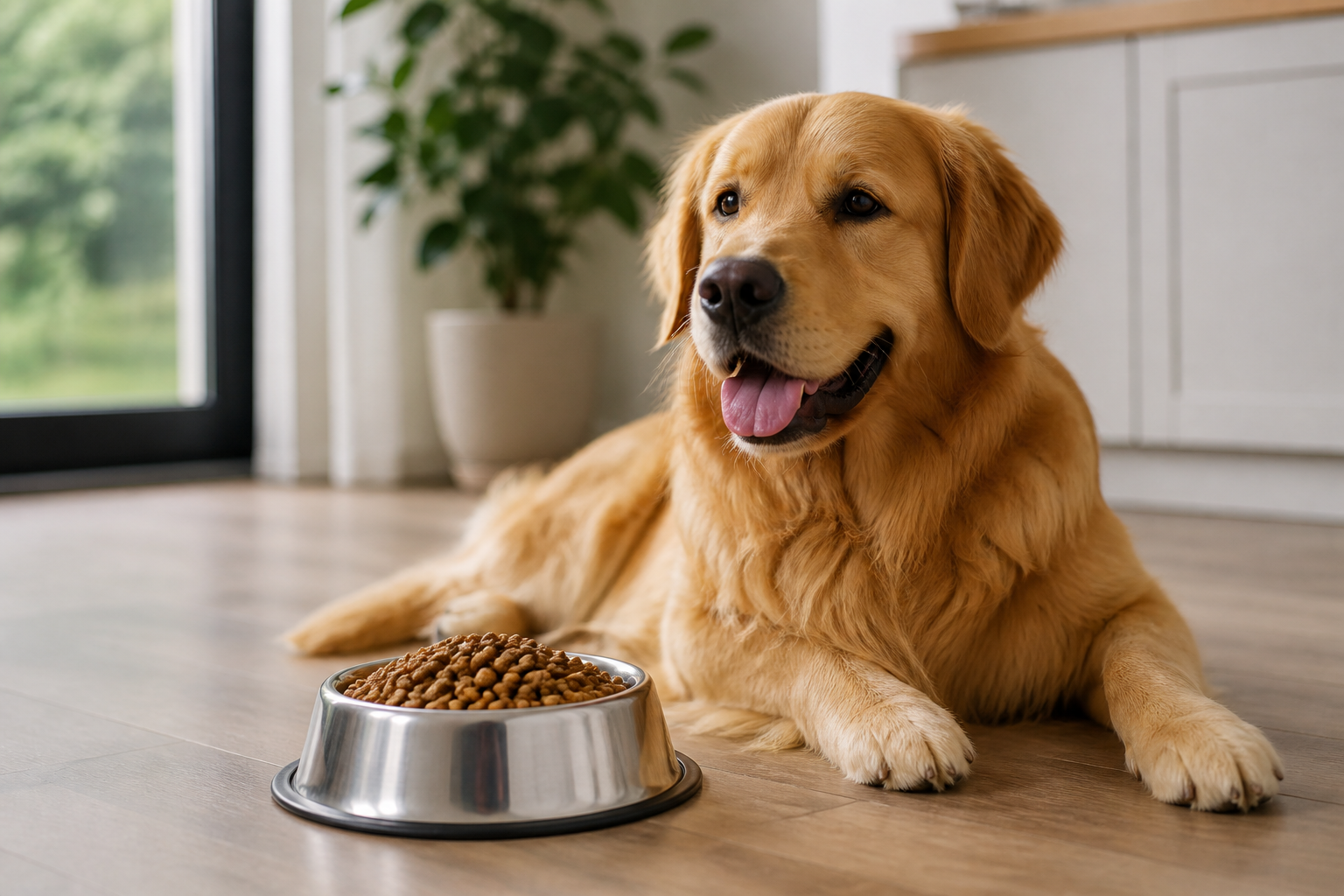
You stand in the pet food aisle or scroll through endless product pages. You see pictures of Labradors and Great Danes on the bags. You wonder if the food inside is truly different from standard kibble. If you live with a large breed dog, you know their size comes with specific physical challenges. At BaxterBoo, we see pet owners every day who worry about clicking joints or sudden puppy growth spurts. Choosing the right kibble is the most important health decision you make for your big companion. This guide explains the nutritional science behind large breed formulas. We will help you identify the best dry food for large dogs based on their life stage and unique physiology. Proper nutrition helps ensure your dog lives a long and mobile life.
Why Large Breeds Need Specific Nutrition
Large breed dogs are defined as those weighing over 50 pounds as adults. Giant breeds are those over 90 pounds. These dogs have a different metabolic rate than smaller dogs. They also face unique skeletal pressures because of their weight. Standard dog food is often formulated for the average medium-sized dog. This can lead to problems for larger pets.
They require specific ratios of minerals to protect their bones. They also need calorie-controlled diets. A large dog that carries even a few extra pounds puts significant stress on its hips and elbows. This can lead to chronic pain and decreased mobility over time.
The Dangers of Rapid Growth
Large breed puppies grow at an incredible rate. A puppy can gain over a hundred pounds in less than two years. If they grow too quickly, their bones do not have time to harden properly. This results in Developmental Orthopedic Disease or DOD.
DOD includes conditions like hip dysplasia and elbow dysplasia. These conditions are painful and often require expensive surgery. Feeding a diet specifically labeled for large breed puppies helps prevent this. These formulas are lower in calcium and phosphorus than standard puppy food. This controls the speed of skeletal development.
For more guidance about growth stages and dry food, read our guide to how much dry dog food to feed a puppy.
Joint Support Requirements
The joints of a large dog work harder than those of a small dog. Every step puts pressure on the cartilage and ligaments. High-quality dry foods for large dogs often include added supplements. Glucosamine and chondroitin are the two most common. These ingredients help maintain the cushion between joints.
Omega-3 fatty acids are also important. These are often sourced from fish oil or flaxseed. They help reduce inflammation throughout the body. This is particularly helpful for dogs prone to stiffness after exercise.
Key Takeaway: Large breed nutrition focuses on skeletal health and joint support to manage the physical stress of a heavy frame.
What to Look for on the Label
Reading a dog food label can feel like learning a new language. However, there are specific terms that indicate a high-quality product for big dogs. You want to look for a statement from the Association of American Feed Control Officials. This is known as the AAFCO statement. It should say the food is complete and balanced for the dog's specific life stage.
When comparing formulas, you can browse our adult dog food category to review dry food options for different sizes and life stages.
Protein Sources
Look for named meat sources as the first ingredient. Examples include chicken, beef, or lamb. Avoid foods that list generic animal fat or meat meal without a name. Large dogs need lean protein to maintain muscle mass without gaining excess fat. Muscle supports the joints, while fat stresses them.
Mineral Ratios
For large breed puppies, the calcium content should be between 1.2 and 1.5 percent. Phosphorus should be in a similar range. If these levels are too high, the puppy may develop bone deformities. Many premium brands like NutriSource and Orijen carefully balance these minerals in their large breed specific recipes.
Caloric Density
Large dogs actually need fewer calories per pound of body weight than small dogs. This is because they have a slower metabolism. The best dry food for large dogs will have a lower caloric density. This allows them to feel full without consuming too much energy.
Vet Tip: If your large dog is struggling with weight gain or persistent joint pain, consult your veterinarian. They may suggest a prescription diet. Our pharmacy for dogs carries prescription foods and medications through our partnership with Pet's Choice.
Managing the Risk of Bloat
Bloat is officially known as Gastric Dilation and Volvulus or GDV. It is a life-threatening condition where the stomach fills with gas and twists. Large, deep-chested breeds are at the highest risk. Breeds like Great Danes, Weimaraners, and German Shepherds are particularly vulnerable.
For additional information about prevention strategies, read about dog breeds prone to bloat.
Kibble Size and Shape
The size of the kibble matters for large dogs. Many brands like Royal Canin design specific kibble shapes for large breeds. These larger pieces are harder to swallow whole. This forces the dog to chew. Chewing slows down the eating process. Some kibbles are even shaped to encourage a specific dental scrubbing action for large teeth.
The Royal Canin Large Adult Dry Dog Food formula is designed for adult dogs weighing 56 to 100 pounds and includes support for bones, joints, and digestion.
Feeding Habits
How you feed is as important as what you feed. Veterinarians recommend several small meals a day instead of one large one. Avoid using raised feeders unless your vet specifically tells you to do so. Recent studies suggest raised feeders may actually increase the risk of bloat in some breeds.
Step 1: Divide the daily food amount. / Split the total into two or three smaller portions.
Step 2: Use a slow feeder bowl. / These bowls have ridges that prevent the dog from taking large gulps.
Step 3: Rest after meals. / Do not allow your dog to run or jump for at least an hour after eating.
Bottom line: Preventing bloat requires a combination of large kibble size and careful feeding management.
Top Brand Recommendations for Large Dogs
We carry several brands at BaxterBoo that specialize in large breed nutrition. These companies invest in research to ensure their formulas meet the specific needs of big dogs.
NutriSource Large Breed Formulas
NutriSource is known for its Good 4 Life system. This system focuses on gut health. It includes prebiotics and probiotics to help with nutrient absorption. Their large breed puppy and adult formulas are very popular. They use high-quality protein and have very consistent mineral levels.
You can compare NutriSource large breed formulas for puppy and adult feeding needs.
Royal Canin Size Health Nutrition
Royal Canin is a leader in size-specific feeding. They offer formulas tailored to the exact size and age of your dog. Their Maxi and Giant lines are designed for dogs over 56 and 99 pounds. They focus heavily on kibble texture and bone support. They also offer breed-specific diets for Labradors, Golden Retrievers, and German Shepherds.
Open Farm and Orijen
If you prefer high-protein or traceable ingredients, Open Farm and Orijen are excellent choices. Orijen uses a whole-prey approach. This includes meat, organs, and bone to provide natural vitamins and minerals. Open Farm offers incredible traceability. You can use the lot number on the bag to see exactly where every ingredient came from.
| Feature | NutriSource | Royal Canin | Orijen |
|---|---|---|---|
| Primary Focus | Gut Health & Digestion | Size-Specific Science | Biologically Historic Diet |
| Joint Support | Glucosamine & Chondroitin | EPA & DHA Fatty Acids | Natural Bone & Cartilage |
| Kibble Size | Large Rounds | Breed/Size Optimized | Dense Nuggets |
| Life Stages | Puppy, Adult, Senior | Extensive Age Ranges | All Life Stages |
Senior Care for Large Dogs
Large dogs are considered seniors earlier than small dogs. Most enter their senior years around age six or seven. During this time, their nutritional needs change again. Their metabolism slows down even further. Their kidneys and heart may need extra support.
For more age-specific guidance, read how to choose the right dog food for senior pets.
Reduced Calories and Higher Fiber
Senior formulas for large dogs usually contain more fiber. Fiber helps the dog feel satisfied while eating fewer calories. It also helps with digestive regularity. Maintaining a lean weight is critical in the senior years. Excess weight can make arthritis much worse.
Cognitive and Heart Health
Some senior foods include antioxidants and Medium Chain Triglycerides or MCTs. These ingredients support brain function. This can help with age-related cognitive decline. Taurine and L-carnitine are often added to support heart muscle health. This is important for breeds prone to cardiac issues.
If your senior dog has significant mobility issues, supplements alone might not be enough. You might need to discuss prescription joint support with your vet. We can help you fill those prescriptions through our pharmacy partnership with Pet's Choice.
Bottom line: Senior large breed nutrition focuses on weight management and protecting aging organs and joints.
Transitioning Your Large Dog to New Food
Never switch your dog's food suddenly. Large dogs can have sensitive stomachs. A quick change can lead to diarrhea or vomiting. This is especially true if you are moving to a higher-protein diet like Orijen or Stella and Chewy's.
For another gradual feeding transition, see our guide to switching from dry to wet dog food.
The Seven-Day Schedule
A gradual transition allows the healthy bacteria in the gut to adjust.
- Days 1 and 2: Mix 25 percent new food with 75 percent old food.
- Days 3 and 4: Mix 50 percent new food with 50 percent old food.
- Days 5 and 6: Mix 75 percent new food with 25 percent old food.
- Day 7: Feed 100 percent new food.
Monitoring Success
Watch your dog's stool and energy levels during the transition. Their coat should stay shiny and their eyes clear. If you notice persistent gas or loose stools, slow down the transition. Some dogs may need two weeks to fully adjust to a new formula.
Key Takeaway: A slow transition over one week prevents digestive upset and helps your dog accept the new flavor.
Saving on Large Breed Food
Feeding a big dog is an investment. Because they eat more than small dogs, the costs can add up quickly. We offer several programs to help you manage these costs without sacrificing quality.
Autoship and MVP Rewards
Our Autoship programme is a great way to ensure you never run out of kibble. You can set the delivery schedule that works for your dog's appetite. You save on your first order and receive free MVP Gold membership. The MVP Rewards programme lets you earn up to 5 percent back on your purchases. This is a simple way to save on every bag of food.
Frequent Buyer Programs
Many of the brands we carry, such as NutriSource and Stella and Chewy's, participate in frequent buyer programs. These programs often reward you with a free bag of food after a certain number of purchases. This provides significant value for owners of large dogs who go through kibble quickly.
Common Nutritional Myths for Large Dogs
There is a lot of misinformation online regarding big dogs. One common myth is that large breed puppies need extra calcium supplements. This is dangerous advice. As we discussed, too much calcium causes skeletal deformities.
Another myth is that large dogs must eat grain-free diets. While some dogs have grain sensitivities, most do well with high-quality grains like brown rice or oatmeal. Ancient grain formulas from brands like Farmina offer a great balance for many pets.
Grain-Free vs. Grain-Inclusive
The choice between grain-free and grain-inclusive should be based on your dog's specific health needs. If your dog has itchy skin or digestive issues, a grain-free diet might help. However, always consult your vet before making a major change. Recent heart health studies have highlighted the importance of a balanced diet that includes essential nutrients like taurine.
When to See a Veterinarian
Diet is a foundation of health, but it cannot fix everything. If your large dog is limping, you should see a vet. If they have a sudden change in appetite or are losing weight, professional advice is necessary. Large dogs are stoic and often hide pain until it is severe.
Your vet can perform blood work to check organ function. They can also take X-rays to check for joint issues. If your dog requires a specialized prescription diet, our pharmacy can assist you. We offer a wide range of prescription foods through Pet's Choice. This ensures your dog gets exactly what the doctor ordered delivered to your door.
Vet Tip: Regular wellness exams are vital for large breeds. Early detection of joint or heart issues makes them much easier to manage through diet and medication.
Summary of Large Breed Feeding
Choosing the best dry food for large dogs requires looking beyond the bag's size. You must consider the life stage, growth rate, and joint health of your pet. By selecting high-quality brands like NutriSource, Royal Canin, or Orijen, you provide the building blocks for a healthy life.
- Prioritize controlled growth in puppies with large breed formulas.
- Look for joint support ingredients like glucosamine in adult and senior foods.
- Manage meal times and kibble size to reduce the risk of bloat.
- Monitor weight strictly to prevent unnecessary joint stress.
At BaxterBoo, we are committed to helping you find the right products for your large companion. Whether you visit our warehouse in Vernon Hills or order online, our experts are here to help. You can explore our dog food selection and join our MVP Rewards programme to start saving today.
FAQ
Is regular puppy food okay for a large breed puppy?
No, regular puppy food is usually too high in calcium and calories for a large breed. This can cause the bones to grow too fast, leading to joint problems like hip dysplasia. Large breed specific puppy food is designed to slow down growth to a safe, healthy pace.
Why does my large dog need bigger kibble?
Bigger kibble encourages your dog to chew rather than gulping their food down whole. This slows their eating speed and reduces the amount of air they swallow. Swallowing less air can help lower the risk of bloat, a life-threatening condition for deep-chested dogs.
Should I add calcium to my large dog's food?
You should never add calcium supplements to a balanced commercial dog food unless a veterinarian specifically tells you to. Modern high-quality kibble already contains the exact amount of minerals your dog needs. Adding more can lead to serious bone and joint deformities.
When should I switch my large dog to senior food?
Large and giant breeds typically reach their senior years around age six or seven. You should consider switching when you notice their energy levels slowing down or if they are gaining weight on their adult food. Senior formulas help by providing fewer calories and more joint-supporting nutrients.






