
 Save 15% on your 1st Autoship learn more

 Email us
 Live Chat
 FAQs
FAQs





Introduction
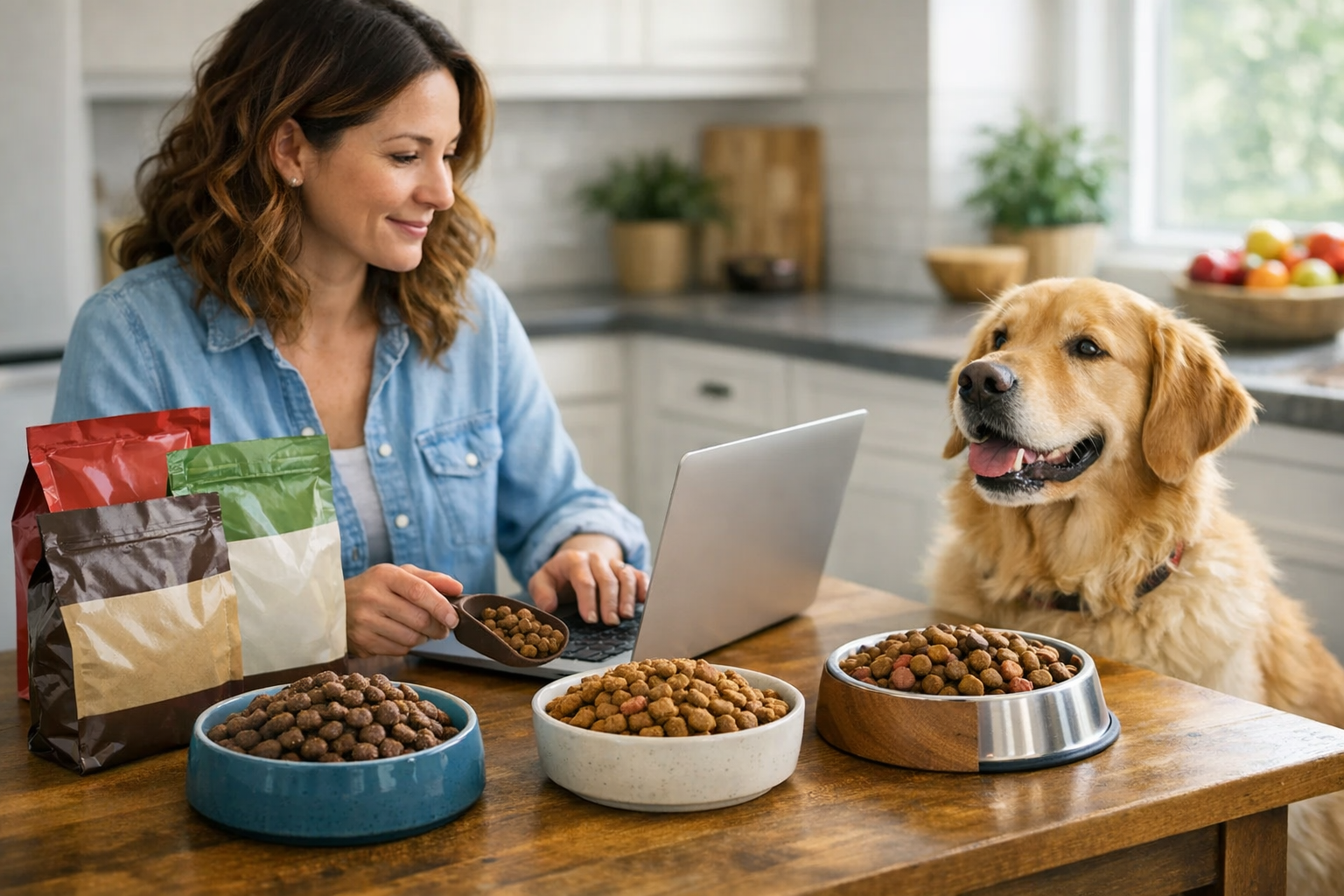
You are standing in a pet store aisle or scrolling through an endless list of colorful bags online. Every brand claims to be the healthiest. One bag highlights ancient grains while the next boasts a grain-free recipe. Another mentions "humanely raised" meat. It is a moment of total overwhelm that almost every pet owner experiences. You want to make the right choice for your dog's health, but the marketing jargon makes it feel like you need a degree in nutrition just to buy a bag of kibble.
At BaxterBoo, we have spent years helping pet parents navigate these exact choices. We know that there is no single food that is perfect for every dog in the world. The best dry kibble depends on your dog’s age, activity level, breed size, and specific health needs. This guide explains how to cut through the noise to find a high-quality diet that helps your dog thrive. If you want to start browsing now, our dry dog food category is a helpful place to begin.
Quick Answer: The best dry kibble dog food is one that is AAFCO-compliant, features a named animal protein as the first ingredient, and matches your dog’s specific life stage and size. Brands like Open Farm, Nulo, and Merrick are top choices because they prioritize ingredient transparency and nutrient density.
Understanding the Foundation of Dog Nutrition
Before you look at individual brands, you must understand the basic standards used in the United States. The most important acronym you will see is AAFCO, which stands for the Association of American Feed Control Officials. This organization sets the nutritional standards for pet foods.
Every bag of kibble should have a nutritional adequacy statement. This statement tells you if the food is "complete and balanced." If a food is complete and balanced, it contains every single nutrient your dog needs in the correct proportions.
Identifying Life Stages
AAFCO recognizes specific life stages. A "puppy" food is formulated for growth and reproduction. These recipes have more calories, protein, and minerals like calcium to support developing bones and muscles. An "adult maintenance" food is for fully grown dogs. These have moderate calorie levels to prevent unnecessary weight gain.
"All life stages" foods meet the higher requirements for puppies but are safe for adults. However, if you have a sedentary adult dog, an all-life-stages food might be too calorie-dense. For age-specific shopping, our puppy food category makes it easier to compare growth formulas.
The Role of Breed Size
Size matters when choosing kibble. Large-breed puppies grow very quickly. If they grow too fast, they can develop serious joint and bone issues later in life. Large-breed puppy formulas have controlled levels of calcium and phosphorus to ensure steady, healthy growth.
On the other end of the spectrum, small-breed dogs have very high metabolisms. They need energy-dense food. They also need smaller kibble pieces that are easier for their tiny mouths to chew and swallow safely.
Key Takeaway: Always check the bag for an AAFCO statement to ensure the food is nutritionally complete for your dog’s specific life stage and breed size.
How to Read a Dog Food Label Like a Pro
The ingredient list is your best tool for judging quality. Ingredients are listed by weight before cooking. Since kibble is processed, you need to look at the first few items to understand the bulk of the recipe.
Named Animal Proteins
The first ingredient should always be a named animal protein. Look for "Deboned Chicken," "Beef," or "Salmon." Avoid generic terms like "Meat Meal" or "Animal Fat." These vague terms mean the manufacturer can change the source of the protein based on what is cheapest at the time. A named source like "Chicken Meal" is actually a very high-quality, concentrated protein source because the water has been removed before weighing.
Whole Grains vs. Fillers
Grains are not inherently bad for dogs unless they have a specific allergy. High-quality grains like brown rice, oatmeal, barley, and quinoa provide essential fiber and energy. However, you should be wary of foods that rely heavily on corn, wheat, or soy as their primary protein sources. These are often used as cheap fillers.
Beneficial Additives
Many premium brands now include "functional" ingredients. These are extras that support specific areas of health:
- Probiotics: Live bacteria that support a healthy gut and immune system.
- Omega Fatty Acids: Found in fish oil or flaxseed, these keep the skin healthy and the coat shiny.
- Glucosamine and Chondroitin: These support joint health, which is vital for large breeds and senior dogs.
- DHA: An omega-3 fatty acid that is critical for brain and eye development in puppies.
Vet Tip: If your dog has chronic skin issues, digestive upset, or persistent itching, consult your veterinarian. These can be signs of a food sensitivity. Your vet may recommend a prescription diet or a limited ingredient food from our pharmacy to identify the trigger.
Top Picks for Different Needs
We carry over 500 brands at BaxterBoo, and we have seen which ones consistently perform well for our customers. Here are some of the most trusted options for common categories. If you want to compare a few options side by side, our selection of Open Farm products is a strong place to start.
Best Overall and Senior Support: Open Farm
Open Farm is a leader in transparency. You can actually track every ingredient in your bag back to its source. They use ethically raised meats and non-GMO vegetables. Their senior recipes are particularly good because they include green-lipped mussel for joint support and are easy to digest.
Best for Puppies: Nulo Freestyle
Nulo is known for its high-protein, low-carb approach. Their puppy recipes include BC30 probiotics and DHA. This combination supports both physical growth and cognitive development. They offer specific formulas for large-breed puppies to ensure they grow at the correct rate. For more feeding guidance, our puppy feeding guide is a useful companion read.
Best for Sensitive Stomachs: Merrick Limited Ingredient
If your dog has a "fussy" stomach, a limited ingredient diet is often the best path forward. Merrick offers recipes with a single animal protein source and no grain, corn, or soy. By keeping the recipe simple, you reduce the chances of a digestive flare-up. You can browse our selection of Merrick products if this sounds like the right fit.
Best for High Energy: Orijen
For working dogs or canine athletes, Orijen is a powerhouse. Their "WholePrey" philosophy uses meat, organs, and cartilage to mimic a natural diet. This results in a very high protein percentage that supports muscle mass and high energy levels.
Bottom line: Match the brand's strength to your dog’s primary need, whether that is joint support, growth, or digestive ease.
The Grain-Free vs. Grain-Inclusive Debate
In recent years, many pet owners moved toward grain-free diets. This was largely driven by the idea that dogs should eat like wolves. However, most dogs can digest grains quite well.
A few years ago, the FDA began investigating a potential link between certain grain-free diets and a heart condition called Dilated Cardiomyopathy (DCM). The concern centered on diets that replaced grains with high amounts of peas, lentils, and chickpeas. If you are still comparing your options, our nutrition guide to selecting the best dry dog food is a helpful next step.
While the research is ongoing, many veterinarians now suggest "ancient grain" formulas as a middle ground. These use grains like millet, sorghum, and oats instead of corn or wheat. If you are unsure which path to take, a grain-inclusive diet is a safe and traditional choice for most healthy dogs.
- Grain-Free: Best for dogs with confirmed grain allergies (which are actually quite rare).
- Ancient Grains: Great for dogs needing high-quality fiber and steady energy.
- Standard Grain-Inclusive: A reliable, cost-effective choice for most adult dogs.
Why Quality Matters for Longevity
It is tempting to grab the cheapest bag at the grocery store. However, high-quality kibble is an investment in your dog’s future health. Poorly formulated foods often contain high levels of salt and sugar to make them taste better. They may also use chemical preservatives like BHA or BHT.
When a dog eats a nutrient-dense diet, you often notice:
- Smaller Stools: Because the dog is digesting more of the food, there is less waste.
- Healthier Skin: Fewer hot spots and less dandruff.
- Better Energy: No "sugar crashes" from high-carb fillers.
- Weight Control: High-protein diets help dogs feel full longer.
Our pharmacy partnership with Pet's Choice allows us to provide FDA-approved medications and prescription diets for dogs managing chronic conditions like kidney disease or severe allergies. If your dog’s health needs go beyond what standard kibble can provide, a prescription diet might be necessary.
Key Takeaway: Feeding a higher-quality food now can help prevent expensive veterinary bills for obesity-related issues or skin conditions later.
Enhancing the Kibble Experience
Some dogs get bored with dry kibble. You do not necessarily need to switch their entire diet to keep them interested. Adding a "topper" can provide extra hydration and flavor. If you are looking for snack options and mix-ins, our dog treats collection is a practical place to browse.
Bone Broths
Open Farm and other brands offer bone broths specifically for pets. These are different from human broths, which often contain toxic onions or excessive salt. Pet-safe bone broth adds collagen for joints and moisture for kidney health.
Freeze-Dried Raw
Stella & Chewy’s makes "meal mixers" that you can crumble over standard kibble. This provides the nutritional benefits of raw food with the convenience of dry food. It is a great way to boost protein intake without the mess of a fully raw diet.
Slow Feeders and Enrichment
The way you feed your dog matters as much as what you feed them. If your dog "inhales" their food, they are at risk for bloat, a life-threatening condition. Using a slow-feeder bowl or a food-dispensing toy like a Kong can slow them down and provide mental stimulation.
Step 1: Choose your base kibble./Pick a high-quality brand that fits your budget and your dog's needs. Step 2: Add a healthy topper./Use a small amount of bone broth or freeze-dried meat to increase palatability. Step 3: Use an enrichment tool./Place the food in a puzzle toy to make mealtime a brain workout. For more ideas, our guide to freeze-dried feeding can help you decide how to mix it in.
How to Switch Your Dog’s Food Safely
Never switch your dog’s food overnight. Their digestive systems are sensitive to sudden changes in protein sources and fiber levels. A sudden swap usually leads to diarrhea and gas.
Instead, follow a seven-day transition plan:
- Days 1–2: 75% old food, 25% new food.
- Days 3–4: 50% old food, 50% new food.
- Days 5–6: 25% old food, 75% new food.
- Day 7: 100% new food.
If your dog shows signs of upset, slow the process down. Some dogs may need two weeks to fully adjust to a richer, higher-protein diet. If you want a practical reference for portions, our dry dog food feeding guide is worth a look.
Vet Tip: During a food transition, keep an eye on your dog's energy levels and stool consistency. If you notice vomiting or severe lethargy, stop the transition and contact your vet immediately.
Common Myths About Dry Dog Food
There is a lot of misinformation online regarding kibble. Let's clear up a few common myths.
Myth: Kibble cleans teeth.
While the crunch of kibble can help scrape some plaque away, it is not a substitute for dental care. Most kibble pieces shatter too quickly to provide real cleaning benefits. You still need to brush your dog’s teeth or use dental treats and water additives.
Myth: "By-products" are always bad.
In high-quality foods, by-products often include organ meats like liver and heart. These are incredibly nutrient-dense. The problem only arises when "by-products" are not named or come from low-quality sources.
Myth: Dogs should eat the same thing forever.
While some dogs have very sensitive stomachs, many benefit from "rotational feeding." This means switching the protein source (like moving from chicken to lamb) every few months. This can help prevent the development of food allergies and keeps the dog interested in their meals.
Finding Value Without Compromise
We understand that pet care costs can add up. However, you do not have to choose between your budget and your dog’s health. Many premium brands are more calorie-dense than budget brands. This means you actually feed less per meal, making the bag last longer.
At BaxterBoo, we offer several ways to save on high-quality food:
- Autoship: You can set up recurring deliveries so you never run out. This usually comes with a discount on your first order and helps you earn MVP Gold membership.
- MVP Rewards: Every purchase earns you points that you can use as cash toward future orders.
- Frequent Buyer Program: Many of the brands we carry, including Open Farm and Northwest Naturals, participate in programs where you can earn free bags after a certain number of purchases.
Our warehouse in Vernon Hills is always stocked with these trusted brands. Whether you shop with us online or visit us in person, you are getting products that have been handpicked by people who truly care about animals.
Summary of Selection Criteria
When you are ready to make a purchase, use this checklist to ensure you are getting the best for your pet.
- Protein First: Is a named meat the very first ingredient?
- Life Stage: Does the bag match your dog's age (Puppy, Adult, Senior)?
- AAFCO Statement: Does it confirm the food is "complete and balanced"?
- Specific Needs: Does it address your dog's joints, weight, or skin?
- Transparency: Does the brand tell you where their ingredients come from?
Bottom line: The best dry kibble is the one that your dog enjoys eating, results in healthy stools and skin, and fits within your long-term health plan.
Conclusion
Choosing the best dry kibble dog food does not have to be a guessing game. By focusing on named proteins, AAFCO compliance, and your dog's specific life stage, you can provide a foundation for a long and healthy life. Remember that every dog is an individual. What works for your neighbor's dog might not be the right fit for yours.
Our team at BaxterBoo is here to help you navigate these choices with expert curation and a genuine love for pets. If your dog has ongoing health concerns, please consult your veterinarian to see if a specialized or prescription diet is necessary.
- Choose a food based on life stage and breed size.
- Prioritize named animal proteins and avoid mystery fillers.
- Transition to new foods slowly over seven days.
- Consider our pharmacy for specialized health needs.
Check out our full collection of dry dog food and join our MVP Rewards program to start earning back on every bag.
FAQ
How do I know if my dog's kibble is high quality?
Look for a named animal protein as the first ingredient and ensure the bag carries an AAFCO nutritional adequacy statement. High-quality foods avoid artificial colors, BHA/BHT preservatives, and vague terms like "meat by-products." You should also notice physical signs of health in your dog, such as a shiny coat, clear eyes, and firm, consistent stools.
Is grain-free kibble better for my dog?
Not necessarily, as most dogs digest grains like oats and brown rice very well. Grain-free diets are essential for dogs with specific grain allergies, but these are less common than allergies to proteins like chicken or beef. If you choose grain-free, ensure the recipe is balanced and does not rely too heavily on legumes like peas or lentils as a primary protein source.
Can I mix different brands of dry dog food?
Mixing brands is generally safe if both foods are high quality and meet your dog's nutritional needs. However, it can make it harder to identify the cause of a digestive upset or allergy flare-up if one occurs. If you choose to mix, ensure you are not overfeeding by calculating the caloric density of both foods combined.
How much dry kibble should I feed my dog?
Start by following the feeding guidelines on the back of the bag, which are based on your dog's weight. However, these are just starting points, so you may need to adjust the amount based on your dog's activity level and metabolism. Consult your veterinarian to determine your dog's ideal body condition score and adjust their daily calories accordingly.






