
 Save 15% on your 1st Autoship learn more

 Email us
 Live Chat
 FAQs
FAQs





Introduction
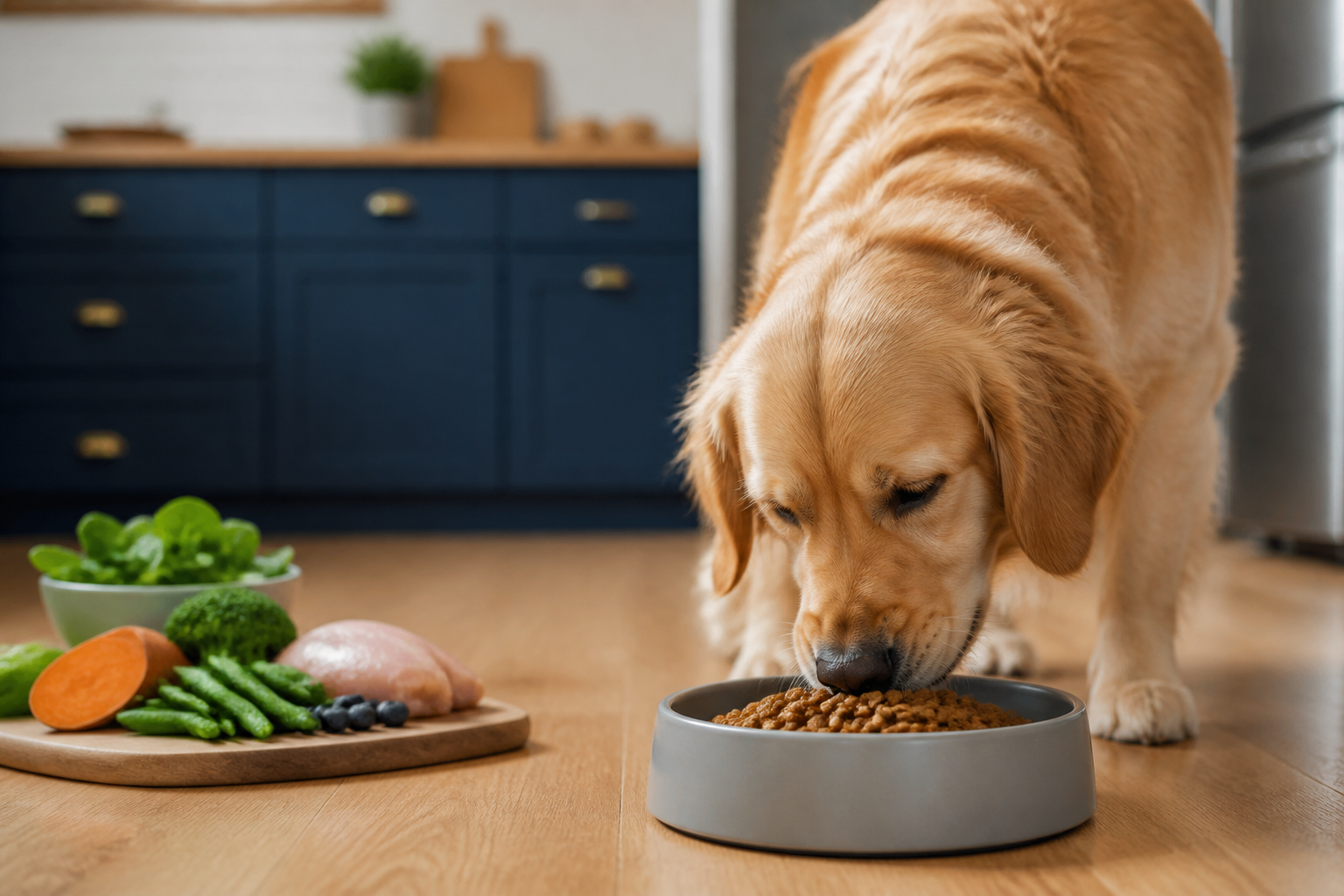
You are standing in the pet food aisle, surrounded by towering stacks of colorful bags. Every brand claims to be the best. Some promise high protein, while others boast about being grain-free. You want the absolute best for your dog, but the ingredient lists look like a chemistry textbook. Choosing the healthiest dry dog food for dogs can feel like a full-time job. At BaxterBoo, we believe that "healthy" is not a one-size-fits-all label. The right food for a high-energy puppy is not the same as the right food for a senior dog with stiff joints. This guide will help you cut through the marketing noise. We will explain how to read labels, what ingredients to prioritize, and how to match nutrition to your dog's specific life stage. The healthiest food is the one that meets your dog's unique biological needs every single day.
Quick Answer: The healthiest dry dog food is a complete and balanced formula that meets AAFCO standards and matches your dog's life stage. Look for named animal proteins as the first ingredient, minimal fillers, and functional additions like omega fatty acids or probiotics.
Understanding the AAFCO Statement
The first step in finding healthy food is looking for the AAFCO statement. The Association of American Feed Control Officials sets the nutritional standards for pet foods in the United States. They do not approve food, but they provide the guidelines that companies must follow to claim their food is complete and balanced.
A healthy kibble must state that it is formulated to meet the nutritional levels established by the AAFCO Dog Food Nutrient Profiles. This statement tells you the food contains all the essential vitamins, minerals, and nutrients your dog needs to survive. Without this statement, the food should only be used for intermittent or supplemental feeding.
There are two main ways a company can prove its food meets these standards. The first is through laboratory analysis of the ingredients. The second, and often preferred, method is through actual feeding trials. Feeding trials involve giving the food to real dogs over a period of time to ensure they maintain their health. This provides an extra layer of confidence that the nutrients are actually being absorbed and used by the body.
The Power of Named Animal Proteins
When you look at the ingredient list, the first few items are the most important. Ingredients are listed by weight before cooking. Since dogs are primarily meat eaters, the healthiest dry dog food for dogs usually lists a specific animal protein first.
Look for names like deboned chicken, beef, lamb, or wild-caught salmon. Avoid vague terms like "meat meal" or "animal by-products." A named source ensures you know exactly what your dog is eating. Brands like Orijen and Acana excel in this area by using high percentages of fresh or raw animal ingredients.
Protein is the building block of muscles, skin, and the immune system. High-quality proteins are easier for your dog to digest. This means they get more nutrition out of every bite and produce less waste.
The Role of Meat Meals
You will often see "chicken meal" or "lamb meal" on a bag of healthy kibble. Do not let the word "meal" scare you away. High-quality meat meals are simply meat that has been cooked and dried to remove moisture. This creates a concentrated source of protein. Since kibble is a dry food, having a protein meal as one of the top ingredients helps ensure the total protein percentage remains high after the cooking process.
Key Takeaway: Prioritize foods where the first ingredient is a specific, named animal protein. This ensures your dog gets the essential amino acids they need for a healthy heart and strong muscles.
Evaluating Carbohydrates and Fillers
Carbohydrates provide energy and fiber, but not all carbs are created equal. The healthiest foods use complex carbohydrates that digest slowly. These help maintain steady blood sugar levels and keep your dog feeling full.
Ingredients like sweet potatoes, chickpeas, and ancient grains are excellent choices. Ancient grains include millet, quinoa, and sorghum. Brands like Open Farm often include these because they are packed with nutrients and are often easier on the stomach than corn or wheat.
Fillers are ingredients with little to no nutritional value used to bulk up the food. Common fillers include corn, wheat, and soy. While some dogs digest these just fine, many owners find their dogs do better on foods that avoid them. Reducing fillers often leads to a shinier coat and better energy levels.
The Grain-Free Conversation
Grain-free food became very popular over the last decade. It is a great option for dogs with specific grain allergies. However, it is not a requirement for every dog to be healthy. If you choose a grain-free diet, make sure the grains are not just replaced with high amounts of simple starches like white potatoes. Look for nutrient-dense replacements like lentils or peas.
Vet Tip: If you are considering a grain-free diet due to heart health concerns or allergies, consult your veterinarian first. They can help you determine if your dog truly needs to avoid grains or if an ancient grain formula might be a better fit.
Healthy Fats for Skin and Coat
Fat is not a bad word in dog nutrition. In fact, it is essential. Healthy fats provide the most concentrated source of energy for your dog. They also play a major role in brain function and the health of the skin and coat.
Look for specific sources like chicken fat, salmon oil, or flaxseed. These provide Omega-3 and Omega-6 fatty acids. If your dog has dry, itchy skin or a dull coat, they might need a food with higher levels of these healthy fats. Brands like Stella & Chewy's often incorporate high-quality fats to ensure their recipes support overall wellness.
- Omega-3 fatty acids: Support heart health and reduce inflammation.
- Omega-6 fatty acids: Help maintain the skin's moisture barrier.
- DHA: An Omega-3 crucial for brain and eye development in puppies.
Customizing Nutrition for Every Life Stage
A dog's nutritional needs change as they age. What is healthy for a puppy could be harmful to a senior dog. Feeding the right life stage formula is one of the easiest ways to ensure your dog stays healthy.
Puppy Nutrition
Puppies are growing rapidly. They need more protein, fat, and minerals like calcium and phosphorus than adult dogs. Healthy puppy food often includes DHA to support brain development. Formulas from Nulo are known for high protein levels that help support this fast growth.
Adult Maintenance
Once a dog reaches adulthood, the goal shifts to maintaining a healthy weight and supporting their daily activity. Adult food has a balance of protein and fat that prevents excessive weight gain while still providing plenty of energy.
Senior Support
Senior dogs often become less active. Their metabolism slows down, and they may begin to struggle with joint stiffness. The healthiest dry dog food for senior dogs usually has fewer calories but higher levels of fiber to help them feel full. Many senior formulas also include joint-supporting ingredients like glucosamine and chondroitin.
For more guidance, read our senior dog feeding guide.
Bottom line: Feeding a life-stage-specific food ensures your dog gets the precise balance of nutrients required for their current level of development and activity.
Addressing Specific Health Needs
Sometimes, general nutrition is not enough. Many dogs deal with sensitivities or health conditions that require a specialized diet.
Sensitive Stomachs and Skin
If your dog has frequent gas, loose stools, or itchy skin, they may have a food sensitivity. Limited ingredient diets are often the healthiest choice here. These foods use a single protein source and a single carb source to minimize the risk of a reaction. Merrick offers excellent limited ingredient recipes that focus on simple, clean nutrition.
Weight Management
Obesity is a major health risk for dogs. It puts extra strain on the heart and joints. Healthy weight management foods use high fiber to keep the dog satisfied while reducing the total fat and calorie content. We carry specialized formulas like Farmina Vet Life for dogs that need a more controlled caloric intake.
For additional portion guidance, see our article on how much dry dog food to feed your dog.
Prescription Diets and the Pharmacy
In some cases, your vet may recommend a prescription diet. These are formulated to manage specific medical conditions like kidney disease, urinary crystals, or severe allergies. Our pharmacy carries FDA-approved medications and prescription pet foods through our partnership with Pet's Choice. If your dog has a chronic health condition, a prescription diet may be the healthiest option available to manage their symptoms.
Vet Tip: Never switch your dog to a prescription diet without a veterinarian's guidance. These foods are therapeutic and should be used under professional supervision to ensure they are appropriate for your dog's condition.
Looking for Functional Ingredients
The best dry dog foods go beyond the basics. They include functional ingredients that provide specific health benefits. These small additions can make a big difference in your dog's long-term wellness.
- Probiotics: Beneficial bacteria that support a healthy gut and immune system.
- Prebiotics: Fibers that feed the good bacteria in the digestive tract.
- Antioxidants: Found in fruits like blueberries and cranberries, these help fight cellular damage.
- Glucosamine: Supports cartilage and joint health, especially in large breeds.
NutriSource is a brand that places a heavy focus on gut health by including a proprietary blend of prebiotics and probiotics in their kibble. A healthy gut often leads to better nutrient absorption and a stronger immune system.
How to Read a Guaranteed Analysis
The back of the bag features a box called the Guaranteed Analysis. This lists the minimum percentages of protein and fat and the maximum percentages of fiber and moisture.
When comparing two foods, remember that these numbers are based on the weight of the food as it is in the bag. To get a true comparison, you would need to look at the "dry matter" basis. However, for most pet owners, the Guaranteed Analysis is a great way to see if a food meets the basic requirements for their dog.
If you have a very active dog, you might look for a protein percentage above 28%. If you have an older, sedentary dog, a fat percentage around 10% to 12% might be more appropriate to prevent weight gain.
For help with serving sizes and measurements, read our guide to how much a cup of dry dog food weighs.
Transitioning to a New Healthy Food
Once you find the healthiest dry dog food for dogs that fits your pet, you must introduce it slowly. A sudden change in diet can cause an upset stomach, even if the new food is much higher in quality than the old one.
Step 1: Mix 25% of the new food with 75% of the old food for two to three days.
Step 2: Increase the new food to 50% and keep the old food at 50% for another two to three days.
Step 3: Move to 75% new food and 25% old food for the final two to three days.
Step 4: Feed 100% of the new food.
During this transition, watch your dog's stool and energy levels. If you notice any issues, slow the process down.
For another perspective on changing your pet's diet, read how to switch from dry to wet dog food.
Storing Your Dog Food for Freshness
Even the healthiest food loses its nutritional value if it is not stored correctly. Once a bag of kibble is opened, the fats begin to oxidize when exposed to air. This can lead to the food going rancid and losing its flavor.
The best way to store dry dog food is in its original bag. These bags are designed to keep moisture and air out. You can place the entire bag inside an airtight plastic or metal container for extra protection. Keep the container in a cool, dry place. Avoid storing dog food in a garage where temperatures can fluctuate wildly, as heat can destroy delicate vitamins and fats.
For more storage advice, read our guide to dry dog food freshness.
Checking Expiration Dates
Always check the "best by" date before purchasing or feeding a bag of food. While dry food has a long shelf life, it does not last forever. Feeding expired food can mean your dog is missing out on the essential vitamins that break down over time.
Key Takeaway: Proper storage preserves the integrity of the ingredients. Keep food in the original bag and use an airtight container to maintain maximum freshness and nutritional value.
Why Quality Matters More Than Price
It is tempting to grab the cheapest bag of food on the shelf. However, high-quality food is often more cost-effective in the long run. Because premium foods are more nutrient-dense, you can often feed smaller portions than you would with a budget brand full of fillers.
Furthermore, better nutrition can lead to fewer trips to the vet. A dog eating a healthy diet is less likely to suffer from obesity-related issues, skin allergies, or digestive problems. Investing in a brand like Royal Canin or Farmina means you are paying for decades of scientific research and high-quality sourcing.
At BaxterBoo, we have been operating since 2006. We have seen firsthand how much of a difference a high-quality diet makes in the lives of our customers' pets. We carry over 500 trusted brands because we know that every dog is different. Our goal is to provide value without compromising on the quality of the ingredients.
Summary of Healthy Food Choices
Finding the healthiest dry dog food for dogs requires a bit of detective work. You have to look past the pretty pictures on the bag and focus on the data.
- Check for the AAFCO statement to ensure the food is complete.
- Look for named animal proteins as the first ingredient.
- Identify complex carbohydrates and avoid unnecessary fillers.
- Ensure the food matches your dog's specific life stage.
- Look for functional ingredients like probiotics and omega fatty acids.
- Consult your vet if your dog has specific health concerns or needs a prescription diet.
By following these steps, you can feel confident that you are providing the foundation for a long, happy life for your dog.
Choosing the Best Path Forward
Selecting the right food is one of the most important decisions you make as a pet owner. It impacts every aspect of your dog's life, from their energy levels to the shine of their coat. Remember that your dog's needs will change over time. Stay observant and be ready to adjust their diet as they transition from a playful puppy to a dignified senior.
- Prioritize whole ingredients and named proteins.
- Match the calorie count to your dog's activity level.
- Use functional ingredients to target specific health needs.
- Consult your veterinarian for specialized medical advice.
Key Takeaway: The healthiest food is a balance of high-quality ingredients and a formula that respects your dog's unique biology. Whether you need a standard life-stage diet or a specialized prescription formula, the right nutrition is the best medicine for a thriving pet.
Our team is here to help you navigate these choices. You can explore our wide selection of dry dog foods or visit our pharmacy for specialized health needs. If you want to save on your favorite brands, consider joining our MVP Rewards program or setting up an Autoship order for recurring deliveries.
FAQ
What are the signs that my dog's current food is not healthy for them?
If your dog has a dull coat, constant itching, excessive gas, or low energy, their food might be the problem. You might also notice large, soft stools, which suggest they are not digesting the fillers in their diet. A healthy food should result in small, firm stools and a shiny, healthy coat.
Is expensive dog food always healthier than cheap dog food?
While price does not always guarantee quality, healthy ingredients like fresh meat and specialized probiotics cost more to source than fillers like corn. Premium foods are often more nutrient-dense, meaning you feed less per meal. This often makes the cost per serving comparable to cheaper brands while providing much better nutrition.
Should I choose grain-free or grain-inclusive dry dog food?
This depends entirely on your dog's health and any allergies they might have. Many dogs thrive on ancient grains like quinoa and oats, which provide excellent fiber and energy. However, if your dog has a confirmed grain allergy, a high-quality grain-free food using peas or sweet potatoes is a healthy alternative.
How do I know if my dog needs a prescription diet?
Only a veterinarian can determine if your dog needs a prescription diet to manage a medical condition. If your dog has chronic issues like crystals in their urine, kidney disease, or severe skin allergies, ask your vet about specialized formulas. Our pharmacy carries many of these vet-recommended brands through our partnership with Pet's Choice.






