
 Save 15% on your 1st Autoship learn more

 Email us
 Live Chat
 FAQs
FAQs





Introduction
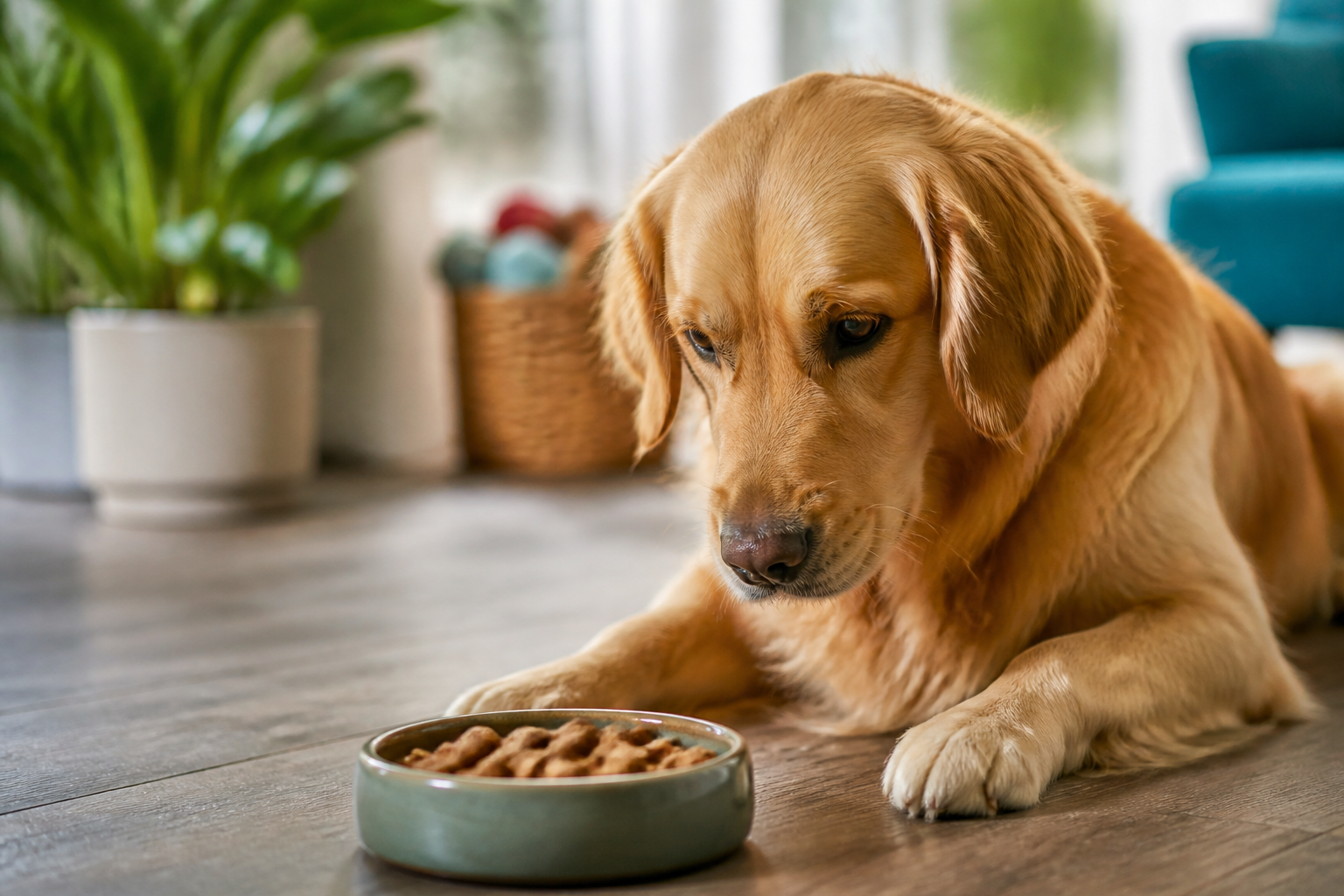
You might notice your older dog hesitating before the food bowl or hearing the loud "clack" of hard kibble against their teeth. This often signals that mealtime has become a chore or even a source of pain. Finding a balance between the convenience of dry food and the comfort of a tender texture is a common challenge for many pet owners. At BaxterBoo, we understand that every dog has unique needs as they age or manage dental sensitivities. This article explores the different types of soft dry food and how to identify the best options for your companion. We will cover the benefits of various processing methods and how to choose high-quality ingredients that support overall wellness. Finding the right texture can transform your dog's daily routine from a struggle into a highlight.
Quick Answer: The softest dry dog foods are typically air-dried, freeze-dried, or semi-moist formulas. These options provide a tender, easy-to-chew texture while maintaining the shelf-stable convenience of traditional kibble.
Understanding the Different Types of Soft Dry Food
Not all "soft" foods are created equal. The pet food industry uses several different methods to achieve a tender texture. Understanding these processes helps you choose a product that fits your budget and your dog's nutritional requirements.
Semi-Moist Dog Food
Semi-moist food often comes in pouches and has a chewy, soft consistency. These products usually contain more water than standard kibble. They also frequently use humectants like glycerin to keep the pieces from drying out. While these are very easy for dogs to chew, it is important to read the labels carefully. Some lower-quality brands use artificial colors and sugars to enhance the appeal. Look for options that prioritize real meat as the first ingredient.
Air-Dried Dog Food
Air-dried food is a premium category that bridges the gap between raw and dry food. ZIWI Peak uses a gentle evaporation process to remove moisture slowly. This preserves the nutrients and flavors of the raw ingredients without using high heat. The result is a jerky-like texture that is much softer than baked or extruded kibble. It is highly nutrient-dense, so you often feed smaller portions compared to regular dry food.
Freeze-Dried Dog Food
Freeze-drying is perhaps the most advanced way to preserve food while keeping it soft. This process removes moisture by turning ice directly into vapor. It leaves the cellular structure of the ingredients intact. Brands like Stella and Chewy's or Vital Essentials offer freeze-dried patties or morsels. These can be fed dry as a soft, crumbly meal or rehydrated with water. If your dog has significant dental pain, rehydrating freeze-dried food makes it almost effortless to eat. For more guidance, read how to feed freeze-dried dog food.
Tender Kibble Blends
Some traditional dry foods include "tender meaty bits" mixed in with hard kibble. These are popular for picky eaters who enjoy the variety of textures. However, if your dog is struggling with hard pieces, they might pick out the soft parts and leave the rest. In these cases, a fully soft or air-dried diet is usually a better long-term solution.
Why Your Dog Might Need Softer Food
The transition to soft food is rarely just about preference. Usually, there is a physical or behavioral reason why hard kibble is no longer the best choice.
Dental Issues and Sensitivity
Dental disease is incredibly common in dogs, especially small breeds and seniors. Broken teeth, receding gums, or inflamed pockets can make biting down on a hard nugget feel like chewing on a stone. If you see your dog dropping food out of their mouth or chewing on only one side, it is time for a checkup. Soft food allows them to get the nutrition they need without aggravating sensitive nerves. You can also explore our dog dental care category.
The Aging Process
As dogs enter their senior years, their jaw strength may decrease. They might also lose interest in food if their sense of smell or taste begins to fade. Soft dry foods often have a much stronger aroma than standard kibble. This scent can stimulate a flagging appetite and make mealtime exciting again. For another perspective, read whether senior dogs should eat wet or dry food.
Picky Eaters and Transitioning Puppies
Some dogs are simply born with a preference for softer textures. Puppies transitioning from mother's milk or wet food may also find hard kibble too difficult to manage at first. Using a soft dry food can provide a smooth transition into adult nutrition.
Vet Tip: If your dog suddenly stops eating hard food, consult your veterinarian for a dental exam. While soft food helps manage the symptoms, underlying issues like abscesses or gum disease require professional treatment. Our pet pharmacy can fulfill prescriptions for pain management or dental health if your vet recommends them.
Key Benefits of Switching to Soft Dry Food
Moving away from rock-hard kibble offers several advantages beyond just ease of chewing. Many owners find that their dogs' overall health improves when they switch to these specialized diets.
- Improved Digestion: Softer foods, particularly air-dried and freeze-dried options, are often less processed. This can make them easier for the body to break down and absorb.
- Higher Moisture Content: While not as hydrating as canned food, soft dry food usually contains more moisture than standard kibble. This supports kidney health and helps with hydration.
- Enhanced Palatability: The textures and smells of semi-moist or air-dried foods are much closer to real meat. This makes them highly rewarding for most dogs.
- Convenience: Unlike wet food, soft dry food does not require refrigeration before opening. It is easy to portion out and carry during travel.
Nutritional Density
One of the best things about premium soft dry foods is the lack of fillers. Because they are often air-dried or freeze-dried, they do not need as much starch or carbohydrate "glue" to hold the kibble shape. This means your dog gets more protein and healthy fats in every bite. Brands like Orijen and Acana focus on these high-quality meat inclusions. Compare options in our dry dog food category.
Key Takeaway: Soft dry food provides a nutrient-dense alternative for dogs that struggle with hard textures. It combines the ease of storage found in dry food with the high palatability of wet food.
How to Choose a Quality Soft Dry Food
When you are browsing the aisles or shopping online at BaxterBoo, the sheer number of options can be overwhelming. Not every soft food is a healthy food. You must look past the marketing and check the facts on the back of the bag.
Check the First Three Ingredients
The first few ingredients should always be named animal proteins. Look for "deboned chicken," "beef," or "lamb" rather than generic "meat meal." If the first ingredient is a grain or a filler like corn or soy, the food may not provide the amino acids your dog needs for muscle maintenance.
Look for Natural Humectants
If you are choosing a semi-moist food, check how it stays soft. Vegetable glycerin is a common choice that is generally safe. Avoid products that use propylene glycol, which was historically used to maintain moisture but is less desirable in high-quality pet diets.
Consider Life Stage Formulas
A senior dog has different requirements than a puppy. Seniors often need lower calories but higher-quality protein and joint support. Look for brands that include glucosamine or chondroitin. Many soft dry foods are formulated specifically for older dogs who are the most likely to need a tender texture.
Identifying Fillers and Additives
Stay away from artificial colors. Dogs do not care what color their food is. These dyes are only added to make the food look more appealing to humans. Similarly, avoid excessive salt and sugars, which are sometimes used to make low-quality soft food more addictive to pets.
Practical Ways to Soften Standard Kibble
You might not be ready to switch brands entirely. Or perhaps your dog is on a specific prescription diet from our pharmacy that only comes in a hard kibble format. In these cases, you can create a soft texture at home.
Step 1: Measure the portion. / Place your dog's usual amount of dry kibble into a clean bowl.
Step 2: Add warm liquid. / Use warm water or a pet-safe bone broth. Do not use boiling water as it can destroy some vitamins.
Step 3: Wait and stir. / Let the food sit for 10 to 15 minutes. The kibble will soak up the liquid and expand.
Step 4: Mash if necessary. / For dogs with severe dental issues, use a fork to mash the softened kibble into a paste.
Bottom line: Adding warm water or broth to existing kibble is a cost-effective way to provide a softer texture while maintaining a consistent diet.
Transitioning Your Dog Safely
Changing your dog's diet too quickly can lead to stomach upset or diarrhea. This is especially true when moving from a high-carb dry kibble to a high-protein soft or air-dried food. For additional guidance, see how to switch from dry to wet dog food.
- Days 1-3: Mix 25% of the new soft food with 75% of the old food.
- Days 4-6: Mix 50% of the new food with 50% of the old food.
- Days 7-9: Mix 75% of the new food with 25% of the old food.
- Day 10: Feed 100% of the new soft dry food.
Monitor your dog's energy levels and stool quality during this time. If you notice any issues, slow down the transition. Every dog's digestive system adapts at a different pace.
Health Considerations for Soft Food Diets
There is a long-standing myth that dogs must eat hard kibble to keep their teeth clean. While the "crunch" can help scrape away some surface plaque, it is not a substitute for dental care. In fact, many kibbles shatter instantly upon contact with the tooth, providing very little mechanical cleaning.
The Role of Dental Chews
If you switch to a soft dry food, you may want to supplement with dental treats. Brands like Greenies or specialized chews from our dog healthcare section can help manage plaque. These are designed to be chewed for a longer period, which helps clean the gum line.
Weight Management
Soft dry foods, particularly the semi-moist varieties, can be higher in calories and fats. It is easy to overfeed because the portions look smaller than airy, puffed kibble. Always use a standard measuring cup and follow the feeding guidelines based on your dog's ideal weight. If your dog is prone to obesity, we offer weight management formulas that provide a soft texture without the extra calories.
Prescription Diets and the Pharmacy
Sometimes, a dog needs more than just a softer texture. They might require a specific nutrient balance to manage kidney disease, urinary crystals, or severe allergies. Through our partnership with Pet's Choice, the BaxterBoo pharmacy carries FDA-approved prescription diets. Many of these come in both wet and dry versions. If your vet prescribes a dry diet for a dog with a sore mouth, remember the soaking method mentioned earlier to make it safer for them to eat.
Maximizing Value and Convenience
Feeding high-quality soft dry food can be more expensive than buying bulk bags of hard kibble. However, there are several ways to make this choice more affordable for your household.
MVP Rewards Program
When you shop for your pet's needs at BaxterBoo, you can earn up to 5% back on every purchase through our MVP Rewards programme. This adds up quickly when buying premium air-dried or freeze-dried foods. These points can be used on future orders of food, treats, or even gear.
Use Autoship for Savings
Consistency is key for your dog's health. Setting up an Autoship order ensures you never run out of their favorite soft kibble. You also get savings on your first order and a free MVP Gold membership. This is a great way to manage your budget while providing top-tier nutrition. Learn more about our Autoship programme.
Frequent Buyer Program
We partner with many trusted brands like Stella and Chewy's and NutriSource that offer frequent buyer rewards. This means you can earn free bags of food after a certain number of purchases. It is a fantastic way to reward your loyalty to a brand that works well for your dog. Review the details of our Frequent Buyer Program.
Signs Your Dog Is Thriving on Their New Food
Once you have made the switch, look for positive changes in your dog. These signals tell you that the new texture and nutrient profile are working.
- Increased Enthusiasm: Your dog should be excited for mealtime and finish their bowl without hesitation.
- Healthier Coat: High-quality fats in soft dry foods often lead to a shinier, softer coat and less flaky skin.
- Steady Energy: A better balance of proteins and fats provides consistent energy throughout the day.
- Better Stools: You should see small, firm, and consistent stools, which indicate that the food is being absorbed well.
If you do not see these changes, or if your dog seems lethargic, it may be worth trying a different protein source. Some dogs have sensitivities to common proteins like chicken or beef. Switching to a "novel" protein like lamb or salmon can often solve these issues.
Conclusion
Finding the softest dry dog food is about more than just convenience. It is about ensuring your dog can eat comfortably and enjoy their golden years or their puppyhood to the fullest. Whether you choose a premium air-dried brand like ZIWI Peak or use warm broth to soften a prescription kibble from our pharmacy, the goal is a happy and healthy pet. At BaxterBoo, we pride ourselves on carrying a wide range of options that cater to every specific need. From the dental-friendly textures of semi-moist pouches to the high-protein benefits of freeze-dried morsels, the right solution is within reach. Consider joining our MVP Rewards programme or setting up our Autoship programme for your next bag to ensure your dog never misses a meal. Taking this step shows you are attentive to your pet's comfort and long-term health.
FAQ
Is soft dry dog food better for senior dogs than hard kibble? For many senior dogs, soft dry food is a better choice because it is easier on sensitive teeth and aging jaws. It also tends to have a stronger aroma, which can help stimulate the appetite of older dogs who may be losing their sense of smell. However, you should always consult your vet to ensure the nutritional profile matches your senior dog's specific health needs.
Can I mix soft dry food with regular hard kibble? Yes, mixing the two is a great way to add variety and make a meal more appealing for a picky eater. This is often called "topping." If your dog has severe dental pain, mixing might not be enough, as they may still struggle with the hard pieces. If you are mixing for nutritional reasons, ensure you are not overfeeding by adjusting the portions of both foods.
Does soft dry dog food expire faster than hard kibble? Soft dry food often has a slightly shorter shelf life than hard kibble because it contains more moisture. Semi-moist pouches and air-dried bags should be sealed tightly after every use to prevent them from becoming hard or attracting mold. Always check the "best by" date on the packaging and store the food in a cool, dry place.
Will soft food cause more dental problems for my dog? Soft food does not necessarily cause dental problems, but it does not help clean the teeth as much as some hard kibbles might. If you switch to a soft diet, it is even more important to maintain a dental routine. This should include regular tooth brushing and providing dental chews to help manage plaque and tartar buildup.






