
 Save 15% on your 1st Autoship learn more

 Email us
 Live Chat
 FAQs
FAQs





Introduction
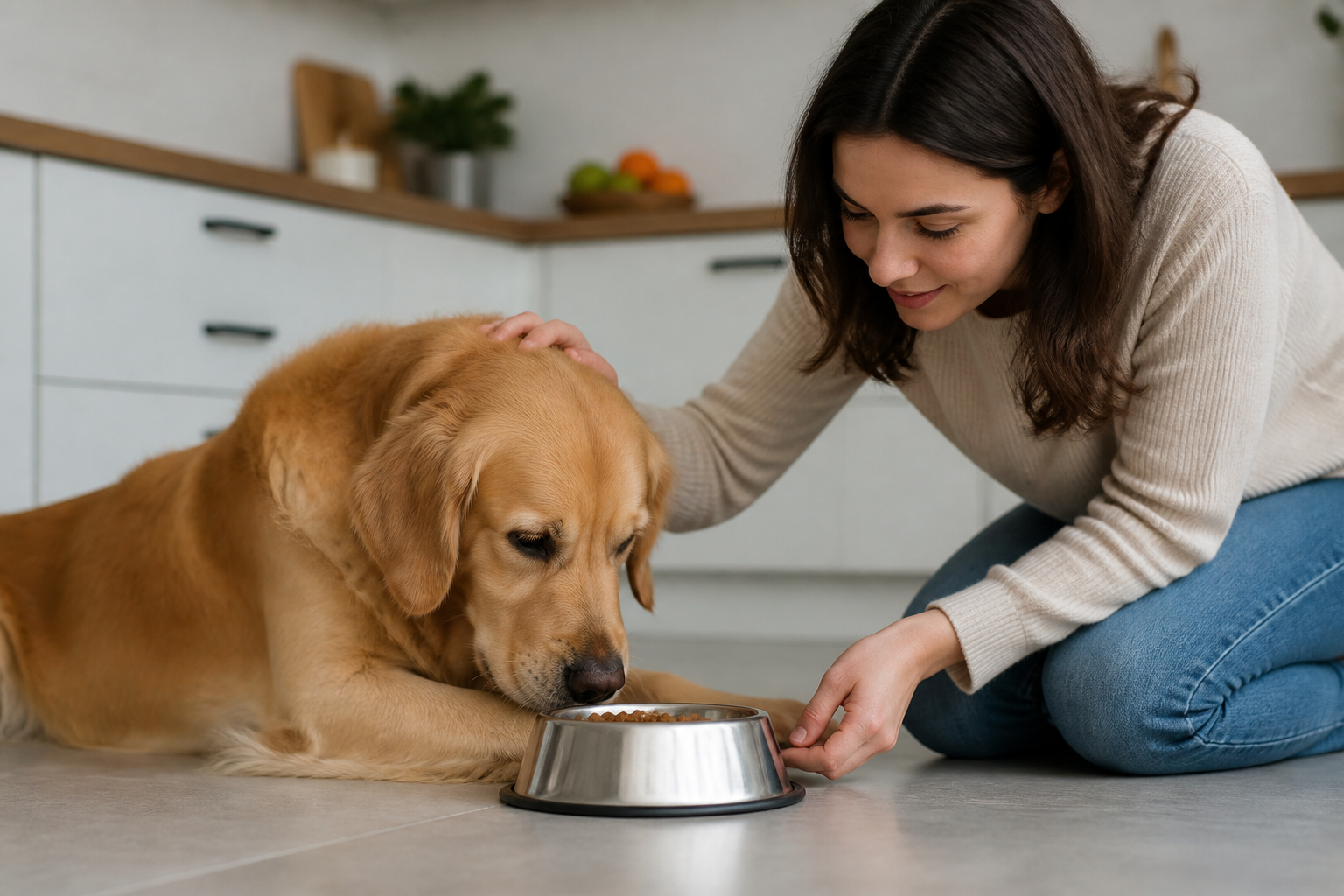
It is a familiar and stressful scene for many pet owners. You set down a bowl of high quality kibble only to have your dog sniff it and walk away. You might worry they are sick or just becoming impossibly picky. At BaxterBoo, we talk to pet parents every day who are navigating this exact frustration. Whether you have a new puppy or a senior dog, a sudden or gradual refusal to eat dry food is common. This article covers the most likely reasons for this behavior and provides practical steps to get your dog excited about mealtime again. Understanding the difference between a behavioral quirk and a medical concern is the first step toward a happy, healthy eater.
Quick Answer: If your dog refuses dry food, first rule out dental pain or illness with a vet. If they are healthy, try adding warm water or a topper to the kibble, stick to a strict feeding schedule, and limit treats to 10 percent of their daily calories.
Ruling Out Medical Issues First
Before you assume your dog is just being stubborn, you must consider their physical health. A sudden change in appetite is often the first sign that a dog does not feel well. Dogs cannot tell us when they have a dull stomach ache or a throbbing tooth. If your dog was a consistent eater and suddenly stops, a medical checkup is the most important next step.
Dental Pain and Oral Health
One of the most common reasons a dog rejects dry food is oral discomfort. Kibble is hard and requires significant crunching power. If your dog has a cracked tooth, inflamed gums, or an oral infection, biting down on hard pellets can be painful. You might notice them drop food after picking it up or chew only on one side of their mouth.
Gastrointestinal Distress
General stomach upset can make any food unappealing. However, dry food is often less aromatic and harder to digest than wet options. If your dog is dealing with nausea, they may hold out for something blander or more enticing. Keep an eye out for other symptoms like lethargy, vomiting, or changes in their stool.
Age Related Changes
As dogs enter their senior years, their senses of smell and taste often decline. Since dry food relies less on scent than wet food, it might simply seem flavorless to an older pet. Senior dogs are also more prone to chronic conditions that can impact appetite. Our pet pharmacy offers prescription diets for dogs managing specific health challenges.
Vet Tip: If your dog has not eaten for 24 to 48 hours, or if the lack of appetite is accompanied by vomiting or lethargy, contact your veterinarian immediately. Early intervention is key for managing underlying health conditions.
Why Quality and Freshness Matter
Sometimes the problem is not with the dog but with the food itself. Even the best brands can lose their appeal if they are not stored correctly. Dogs have a sense of smell that is significantly more powerful than ours. They can often detect spoilage or rancidity long before we can see or smell a difference. For additional storage guidance, read how long dry dog food can stay fresh.
Checking for Spoilage
Dry food contains fats and oils that can go rancid over time. Once you open a bag of kibble, it is exposed to oxygen and moisture. Most dry food should be consumed within three to four weeks of opening. If you buy giant bags for a small dog, the food at the bottom might be stale or spoiled by the time you reach it.
Proper Storage Techniques
Storing food correctly can preserve the flavor and nutritional value. We recommend keeping the kibble in its original bag and placing that bag inside an airtight container. The bags are designed to provide a barrier against fat migration and oxidation. Keeping the food in a cool, dry place is also essential for preventing mold growth.
Brand and Ingredient Quality
Not all kibble is created equal. Some lower quality brands use heavy fillers and artificial flavors that are less palatable. At BaxterBoo, we handpick brands like Farmina, Orijen, and Acana because they prioritize real meat and high quality fats. If your dog consistently refuses a specific brand, they may be reacting to a lack of nutritional density or a flavor profile they find unappealing. You can compare options in our dog food category.
Simple Strategies to Enhance Dry Food
If your dog is healthy but uninspired by their bowl, you do not necessarily need to switch to a purely wet diet. There are several ways to make dry food more enticing without breaking your budget or changing your routine entirely. Our dog food supplements include toppers and broth options for adding extra aroma and flavor.
Add Warm Water or Broth
Adding a small amount of warm water is the easiest way to boost the appeal of kibble. The warmth releases the fats and aromas in the food, making it smell much stronger. It also creates a bit of gravy and softens the texture. You can also use a dog safe bone broth. Ensure any broth you use is free of onions, garlic, and excessive salt.
Use a High Quality Topper
Toppers are a great middle ground between dry and wet food. You can mix in a spoonful of canned food, like Tiki Cat for dogs or Stella and Chewy’s Meal Mixers. Another option is adding a squirt of salmon oil. Brands like Zesty Paws or Pooch & Mutt offer oils that add flavor and support skin and coat health.
Step 1: Measure out your dog's standard portion of dry food.
Step 2: Add a small amount of topper or warm liquid.
Step 3: Stir thoroughly to coat the kibble so your dog cannot just pick out the "good stuff."
Try Rotational Feeding
Some dogs simply get bored eating the same thing every day for years. Rotational feeding involves switching flavors or protein sources within the same brand. For example, you might switch from a chicken formula to a lamb or salmon formula. This provides a variety of amino acids and keeps mealtime interesting.
Key Takeaway: Enhancing dry food with moisture or toppers can solve many cases of pickiness while providing extra hydration and nutrients.
Correcting Behavioral Pickiness
In many cases, a dog learns that refusing dry food leads to something better. If you immediately offer treats or table scraps when they walk away from their bowl, you are accidentally training them to be picky. They are smart enough to hold out for the high value rewards. For more ideas, see this practical guide for picky dry-food eaters.
The 15 Minute Rule
Establishing a consistent routine helps your dog understand that food is not available all day. Put the bowl down for 15 to 20 minutes. If they do not eat, pick the bowl up and do not offer food or treats until the next scheduled mealtime. Most healthy dogs will not starve themselves and will be much more interested in the kibble when the next meal rolls around.
Limit Treats and Scraps
Treats should never account for more than 10 percent of a dog's daily calories. If your dog is getting bits of cheese, toast, or frequent training treats, they may simply not be hungry. Cut back on all extras for a week to see if their interest in their primary food returns.
Make Eating a Game
Some dogs refuse food because they find the delivery method boring. Using puzzle feeders or snuffle mats can tap into their natural foraging instincts. This makes mealtime a rewarding mental challenge rather than a chore. Brands like Kong offer durable toys that you can stuff with kibble to make them work for their meal.
Bottom line: Consistency and boundaries are usually more effective than constantly switching foods to please a picky dog.
Managing Dietary Transitions
If you decide that a different brand or type of food is necessary, you must move slowly. A sudden switch can cause digestive upset, which will only make your dog more reluctant to eat. For another approach to combining textures, read can you mix dry dog food with wet food.
- Days 1 to 2: 25 percent new food, 75 percent old food.
- Days 3 to 4: 50 percent new food, 50 percent old food.
- Days 5 to 6: 75 percent new food, 25 percent old food.
- Day 7: 100 percent new food.
Watch for any signs of diarrhea or gas during this period. If your dog is particularly sensitive, you can extend the transition to 10 or 14 days. This allows their gut microbiome to adjust to the new ingredients and nutrient levels.
When to Consider the BaxterBoo Pharmacy
For dogs with chronic health issues, a standard retail diet might not be enough. If your vet has diagnosed a condition like kidney disease, food allergies, or urinary stones, a prescription diet may be required. Our pharmacy provides access to these specialized foods.
Prescription diets are formulated with specific clinical goals in mind. While they are still dry kibble, they are often designed to be highly palatable to encourage eating in sick or senior pets. If your dog needs ongoing medication for anxiety or joint pain, these can also be managed through our pharmacy services with a valid prescription from your vet.
Conclusion
Getting a dog to eat dry food again requires a mix of patience, observation, and sometimes a little creativity. Start by ensuring there are no painful dental issues or underlying illnesses. Check that your food is fresh and stored correctly. Once you have ruled out health concerns, use techniques like adding warm water or high quality toppers to boost flavor. Stay consistent with your feeding schedule and avoid overfeeding treats. At BaxterBoo, we are here to support you with a curated selection of premium foods and a dedicated pharmacy for your pet’s medical needs. Consider signing up for our Autoship programme to ensure you always have fresh food delivered right when you need it.
FAQ
Why did my dog suddenly stop eating dry food but will still eat treats?
Treats are usually higher in fat, salt, and aroma than standard kibble, making them much more enticing. If a dog is feeling slightly unwell or just being picky, they might reject their boring meal while still accepting high value rewards. This behavior often suggests the issue is either a minor stomach upset or a behavioral habit rather than a total loss of appetite.
Can I mix wet and dry dog food together every day?
Yes, mixing wet and dry food is a great way to add moisture and flavor to your dog's diet. It can help picky eaters stay interested in their meals and provides extra hydration. Just be sure to calculate the total calories of both the wet and dry portions to ensure you are not overfeeding your pet.
How long can dry dog food stay in the bowl?
Dry kibble can generally stay out for about 24 hours before it starts to lose its freshness and attract pests. However, if you have added water, broth, or wet toppers, you should remove the food after 20 to 30 minutes. Moistened food can grow bacteria quickly at room temperature and should be discarded if not eaten promptly.
Is it okay if my dog skips a single meal?
If your dog is a healthy adult and skips one meal but acts normally otherwise, it is usually not a cause for panic. They might just not be hungry or may have had too many treats earlier in the day. However, if they skip multiple meals, stop drinking water, or show signs of lethargy, you should contact your veterinarian to rule out any medical problems.






