
 Save 15% on your 1st Autoship learn more

 Email us
 Live Chat
 FAQs
FAQs





Introduction
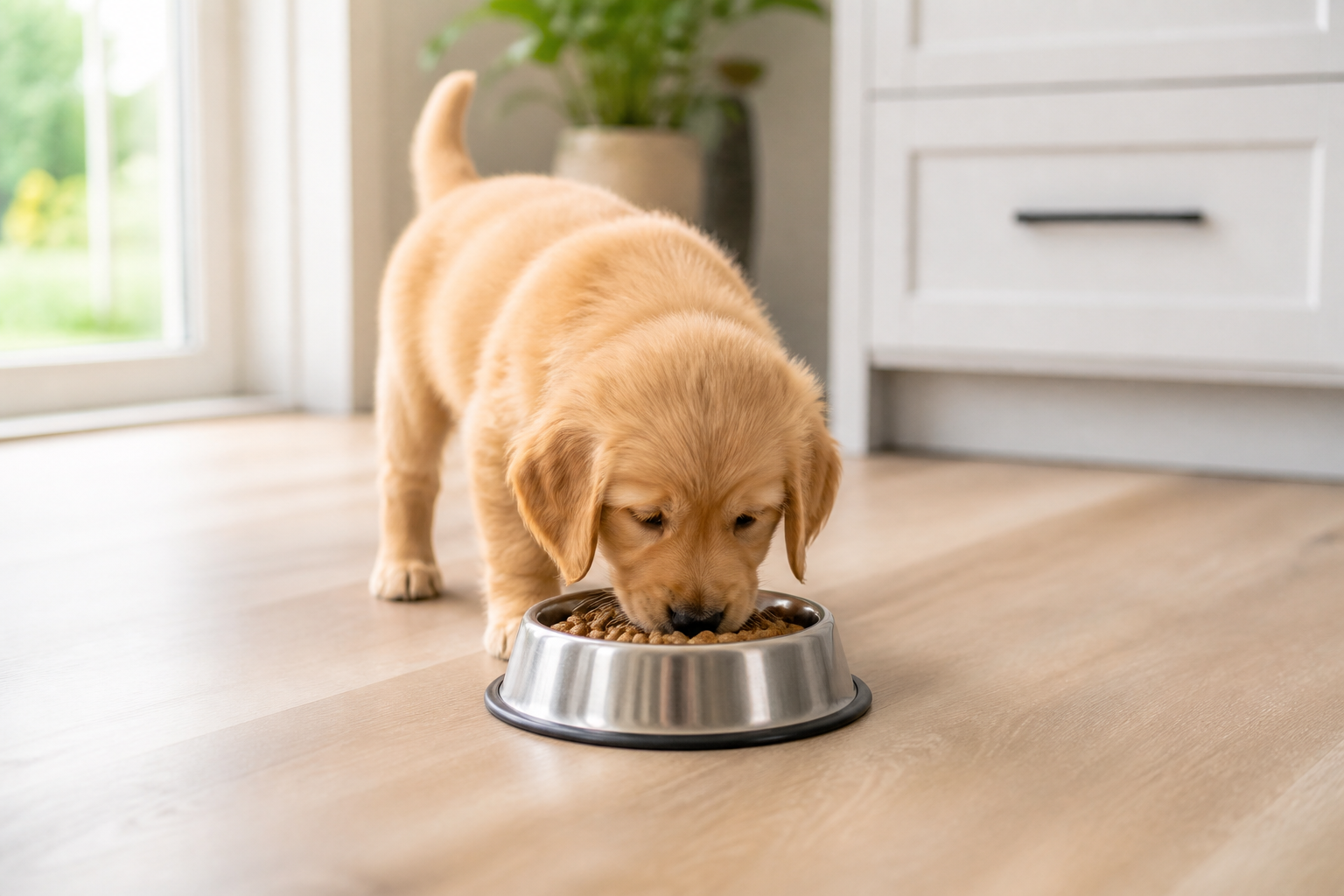
Watching a new puppy explore their world is one of the most rewarding parts of being a pet owner. You notice every milestone, from the first time they successfully climb onto the sofa to the moment they start showing interest in what is in your own dinner bowl. At first, your puppy relies entirely on their mother for nutrition. However, as they grow, you will eventually reach the stage where they need to transition to solid, crunchy kibble. Knowing exactly when to start this process and how to do it safely is vital for their development.
At BaxterBoo, we have helped thousands of pet owners navigate these early developmental stages since 2006. This post covers the timeline for introducing solids, the signs your puppy is ready for kibble, and how to manage the weaning process. We will also look at the nutritional differences that make puppy food essential for growing dogs. Our goal is to ensure your puppy moves from nursing to dry food with minimal digestive upset and maximum health benefits.
Quick Answer: Puppies typically begin the transition to dry food around four weeks of age through a process called weaning. By eight to ten weeks, most puppies have developed their baby teeth and can eat dry kibble without it being softened by liquids.
The Weaning Process: From Milk to Mush
The journey to eating dry dog food does not happen overnight. It begins with weaning, which is the gradual transition from a liquid diet to solid food. In a natural setting, this happens when the mother dog begins to spend less time with her litter and the puppies start looking for other sources of energy.
For most puppies, the weaning process starts around three to four weeks of age. At this stage, their mother’s milk is still their primary source of nutrition, but it is no longer enough to support their rapid growth. You will notice the puppies becoming more mobile and curious. This is the perfect time to introduce a puppy mush or gruel.
Creating a puppy mush involves mixing high-quality dry kibble with a liquid. You can use warm water or a canine milk replacer. Avoid using cow’s milk, as many puppies cannot digest the lactose and it often leads to severe diarrhea. The consistency should be similar to thin oatmeal or a thick soup. This allows the puppies to lap up the food rather than having to chew it, which is important because their teeth are only just beginning to emerge.
Key Takeaway: Weaning is a slow bridge between nursing and solid food. Never rush this stage, as a puppy’s digestive system needs time to adapt to processing complex proteins and carbohydrates.
Step-by-Step Guide to Softening Kibble
To successfully transition your puppy to dry food, you must gradually change the ratio of liquid to solid. This process usually takes about four weeks. By following a structured schedule, you give the puppy’s stomach time to adjust to the new diet.
Step 1: The Introduction Phase.
Mix one part dry puppy food with three parts warm water or formula. Let the mixture sit for at least 15 to 20 minutes until the kibble is completely soft. Mash it with a fork until it is a smooth consistency. Offer this three to four times a day.
Step 2: Increasing Texture.
After about a week of successful eating, move to a two-to-two ratio. This means two parts food to two parts liquid. The mixture will be thicker and require the puppy to use their tongue and jaws more actively.
Step 3: The Thick Mush Phase.
By the third week, use three parts dry food and only one part liquid. The kibble should still be soft but should hold its shape. This stage is crucial as it prepares them for the crunch of fully dry food.
Step 4: Transition to Fully Dry.
By week four of the process, which is usually when the puppy is around seven or eight weeks old, you can offer dry kibble. Many owners choose to add a tiny splash of warm water just to release the aroma, but the food no longer needs to be soaked through.
Vet Tip: If your puppy experiences vomiting or consistent diarrhea during the weaning process, slow down. Return to the previous ratio for a few days before trying to increase the solid food content again. Persistent digestive issues in puppies can lead to dehydration and should be discussed with your veterinarian.
For additional guidance on preparing softened food, read our guide to making dry dog food soft.
Signs Your Puppy is Ready for Dry Food
Age is the primary factor, but physical milestones are also important indicators. You can look for specific behavioral and physical changes that suggest your puppy is ready to move away from softened food.
One of the most obvious signs is the eruption of deciduous teeth, also known as baby teeth. These tiny, needle-sharp teeth usually appear between three and five weeks of age. Once these teeth are present, the puppy is physically capable of breaking down small pieces of kibble. You might also notice the puppy “mouthing” objects or trying to chew on their bedding. This is a natural instinct that prepares them for a solid diet.
Another sign is curiosity. If the puppy is constantly trying to get into the mother’s food bowl or shows excitement when they smell dry food, their brain is signaling a need for more substantial nutrition. A healthy puppy should be gaining weight steadily. If they seem hungry immediately after nursing, they likely need the higher caloric density found in solid puppy food.
Bottom line: Teeth development and natural curiosity are the best indicators that a puppy is ready to transition beyond a purely liquid diet.
Why Specialized Puppy Food is Essential
You might wonder why you cannot just feed your puppy the same dry food your adult dogs eat. The reason lies in the intense nutritional demands of growth. Puppies require significantly more energy, protein, and specific minerals than adult dogs.
Puppy-specific dry foods are formulated with higher levels of protein and fat to support muscle development and energy needs. They also contain precise ratios of calcium and phosphorus. If these minerals are out of balance, especially in large breeds, it can lead to lifelong skeletal problems and joint issues. Most high-quality puppy foods also include DHA, an omega-3 fatty acid found in mother’s milk that is essential for brain and eye development.
We carry 500+ trusted brands at BaxterBoo, including names like Royal Canin, Farmina, and NutriSource, which offer life-stage-specific formulas. You can compare options in our puppy food category. These brands ensure that every bite of kibble provides the exact nutrients a puppy needs to thrive. Feeding an adult maintenance food to a puppy can result in nutritional deficiencies that may not be apparent until the dog is older.
Nutritional Checklist for Puppy Food
- High-quality animal protein as the first ingredient.
- DHA (Docosahexaenoic acid) for cognitive development.
- Glucosamine and chondroitin for joint support, especially for large breeds.
- Antioxidants like Vitamin E and C to support a developing immune system.
- Small kibble size to prevent choking hazards.
For more help comparing formulas, explore our guide to the best dry dog food for puppies.
Managing Meal Times and Portions
Once your puppy is eating dry food, establishing a routine is the next priority. Puppies have small stomachs and high metabolisms. Feeding them one or two large meals a day can lead to energy crashes or digestive upset.
Between the ages of eight weeks and six months, most puppies do best with three to four small meals spread throughout the day. This provides a steady stream of energy for growth and play. After six months, you can usually transition to two meals a day.
Portion control is equally important. While it is tempting to keep the bowl full at all times, this can lead to obesity and rapid growth spurts that stress the joints. Always refer to the feeding guidelines on the back of the food bag as a starting point. However, remember that these are just guidelines. Your puppy’s activity level and metabolism might require slightly more or less than the average.
- Establish a consistent feeding schedule.
- Use a measuring cup to ensure accurate portions.
- Remove the food bowl after 20 minutes to discourage “grazing.”
- Provide fresh water at all times, as dry food contains very little moisture.
For a closer look at portions and feeding frequency, see how much dry dog food to feed a puppy.
The Role of Breed Size in Nutrition
A Great Dane puppy has very different nutritional needs than a Pomeranian puppy. Breed size significantly influences how long a dog should stay on puppy food and when they are ready for certain textures.
Small breed puppies grow very quickly. They often reach their full adult size by 10 to 12 months. Because they have tiny mouths and higher metabolic rates, they need small, calorie-dense kibble. Many small breed puppies are prone to hypoglycemia (low blood sugar), so frequent small meals are mandatory during their first few months of eating dry food.
Large and giant breed puppies grow much more slowly, sometimes continuing to develop their skeletons until they are two years old. It is vital that these puppies do not grow too fast. Large breed puppy formulas, like those from Hill’s Science Diet or Royal Canin, are designed with lower fat content and strictly controlled calcium levels. This helps prevent conditions like hip dysplasia. We often recommend these specialized diets to our customers who are raising large breed dogs to ensure their joints develop correctly.
Transitioning from Puppy to Adult Dry Food
The transition to adult dry food is the final step in the puppy feeding journey. This usually happens when the puppy is nearing its adult height and weight. For small dogs, this might be at 10 months. For large dogs, it might not be until 18 or 24 months.
When you make this switch, do it gradually over seven to ten days. Start by mixing 25 percent of the adult food with 75 percent of the puppy food. Every few days, increase the proportion of adult food. This gradual change prevents the stomach upset and diarrhea that often occur when a dog’s diet is changed abruptly.
You can compare options for later life stages in our adult dog food category.
If your puppy has a sensitive stomach or specific health needs, your veterinarian might recommend a prescription diet. Our BaxterBoo pharmacy offers FDA-approved medications and prescription pet foods through our partnership with Pet’s Choice. If your vet prescribes a specific therapeutic diet for growth or health management, our pet pharmacy can help you fulfill that order conveniently.
Vet Tip: Always consult your veterinarian before switching from puppy food to adult food. They can assess your dog’s body condition score to ensure they have reached the appropriate stage of maturity for the transition.
For more detail on changing foods gradually, read our guide to switching your puppy to a new food.
Common Challenges and Solutions
Not every puppy transitions to dry food without a few hurdles. Some puppies are picky eaters, while others might have trouble chewing the hard kibble if their baby teeth are still emerging.
If your puppy refuses to eat dry kibble, try adding a small amount of warm water or a puppy-safe bone broth to the bowl. The warmth enhances the smell of the food, making it more appealing. You can also try using a puzzle toy or a slow feeder. Sometimes, making mealtime a “game” encourages a puppy to engage with their food.
Another common issue is fast eating. Some puppies gulp their dry food so quickly that they swallow air, leading to gas or vomiting. A slow-feeding bowl is an excellent tool for these puppies. It forces them to navigate around obstacles to get to the kibble, naturally slowing their pace.
Our dog bowls and feeders include options for everyday meals and slower feeding.
Bottom line: Patience is key. If a puppy is reluctant to eat dry food, small adjustments in temperature, texture, or delivery can make a significant difference.
Monitoring Your Puppy’s Health
As your puppy starts eating dry food, you need to be a diligent observer. Their stool is one of the best indicators of how well they are digesting their new diet. Ideally, a puppy should have firm, dark brown stools. If the stool is consistently loose, it may be a sign that the food is too rich, or the transition happened too quickly.
You should also keep an eye on their coat and skin. A healthy puppy on a balanced dry food diet should have a shiny coat and clear skin. If you notice excessive scratching, redness, or a dull coat, it might indicate a food sensitivity or a need for different nutrients, such as more omega fatty acids.
For ongoing health management, including flea and tick prevention which is vital for puppies spending time outdoors, we offer a wide range of solutions. Our pharmacy carries top brands like Frontline and NexGard. Keeping your puppy free from parasites ensures that their body can focus all its energy on growth and development rather than fighting off pests.
Conclusion
The transition to dry dog food is a major milestone that sets the foundation for your puppy’s long-term health. By starting the weaning process at four weeks and aiming for full kibble by eight to ten weeks, you align their diet with their physical development. Remember to choose a high-quality, breed-specific puppy food that provides the protein, fat, and minerals necessary for their unique growth rate.
At BaxterBoo, we are committed to supporting you through every stage of your pet’s life. From their first bag of puppy kibble to their transition to adult maintenance food, our expertly curated selection and pharmacy services are here to help. If you have questions about which formula is right for your specific breed, we are always ready to provide practical guidance.
- Start weaning around 4 weeks with a soft mush.
- Transition to fully dry kibble by 8 to 10 weeks.
- Feed three to four small meals a day to maintain energy.
- Choose puppy-specific formulas to ensure correct mineral balances.
- Consult your vet for a personalized feeding plan based on breed size.
Bottom line: A gradual, patient approach to introducing dry food ensures your puppy grows up strong, healthy, and happy.
FAQ
Can I give my 6-week-old puppy dry food?
At six weeks old, most puppies are in the middle of the weaning process and do best with softened kibble. While they may be able to crunch a few dry pieces, their digestive systems and teeth are usually not ready for a diet consisting of 100 percent dry food. It is better to continue moistening the kibble with warm water or formula until they are at least seven or eight weeks old.
What should I do if my puppy chokes on dry kibble?
Choking is a serious concern for small puppies. Ensure you are using a puppy-specific kibble, as the pieces are much smaller and easier to swallow. If your puppy tends to gulp their food, continue to soften it with water or use a slow-feeder bowl to prevent them from taking too much at once. Always supervise your puppy during meal times to ensure they are chewing safely.
How do I know if my puppy’s dry food is high quality?
Check the ingredient label for a high-quality animal protein like chicken, beef, or lamb as the first ingredient. Look for a statement that the food meets AAFCO (Association of American Feed Control Officials) standards for “growth” or “all life stages.” Avoid foods with excessive artificial colors, flavors, or generic “meat by-products” that do not specify the animal source.
Is it okay to mix wet food with dry kibble for a puppy?
Yes, mixing wet and dry food is a great way to increase hydration and make the meal more palatable for a picky puppy. This is often called “topper feeding.” Just ensure that both the wet and dry components are formulated for puppies and that you adjust the total portions so you are not overfeeding. Many owners find that this combination provides the dental benefits of dry food with the flavor of wet food.






