
 Save 15% on your 1st Autoship learn more

 Email us
 Live Chat
 FAQs
FAQs





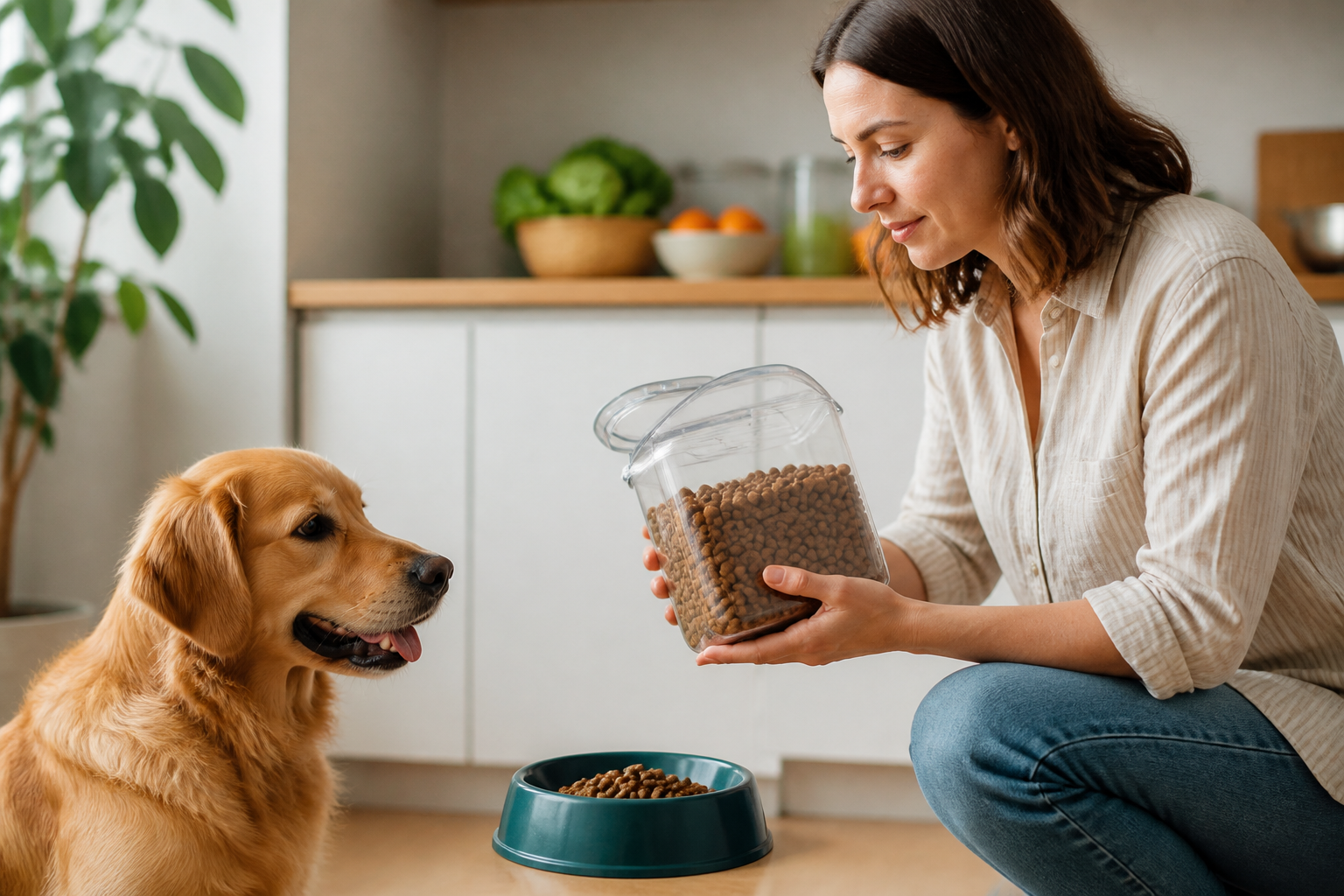
Introduction
You reach into the pantry to scoop dinner for your dog and notice the kibble feels slightly oily. Or perhaps your usually enthusiastic eater suddenly snubs the bowl. These small signs often lead to a common question: when does dry dog food expire? While most of us are diligent about checking the milk in our own fridge, pet food often sits in a large bag for weeks or months.
At BaxterBoo, we know that providing high quality nutrition is the foundation of your dog’s health. Understanding the shelf life of kibble is about more than just avoiding a bad smell. It is about ensuring your dog receives the vitamins and minerals promised on the label. This guide will cover how to read expiration dates, how long food stays fresh after opening, and the best ways to store your supplies. Proper storage keeps your dog safe and ensures your money does not go to waste.
Quick Answer: Most dry dog food has an unopened shelf life of 12 to 18 months. Once the bag is opened, the food should be consumed within 4 to 6 weeks to ensure the fats do not turn rancid and the nutrients remain stable.
Understanding the Best By Date
Every bag of dog food comes with a date stamped on the side or back of the packaging. Manufacturers usually label this as a "Best By" or "Best if Used By" date. This is not a random suggestion. It is a calculated estimate of how long the ingredients will stay potent.
Nutritional experts at pet food companies determine these dates based on the stability of the vitamins and minerals. Over time, these essential nutrients begin to break down. If you feed your dog food that is long past its date, they might feel full, but they are not getting the complete nutrition they need. This is especially important for puppies and senior dogs who have very specific dietary requirements.
The date also considers the preservatives used in the food. Natural preservatives like tocopherols (Vitamin E) are very effective but have a shorter lifespan than synthetic ones. If you buy premium, natural brands, you might notice shorter expiration windows than you would find with grocery store brands.
Does Dry Dog Food Expire if Unopened?
Even if the seal has never been broken, dry dog food can still go bad. The packaging is designed to be a barrier, but it is not a perfect shield against the environment. Over many months, oxygen can slowly permeate the material.
Heat is the biggest enemy of unopened pet food. If a bag is stored in a hot garage or a humid shed, the fats inside can begin to oxidize even before you open it. This process makes the food less palatable and can eventually lead to spoilage. Most experts agree that you should not purchase bags that are already within a month of their expiration date.
When you shop at a high volume retailer like us, you generally get fresher stock because the inventory moves quickly. However, it is always a good habit to check the bottom of the bag before you head to the checkout or put it in your pantry.
Key Takeaway: An unopened bag of dog food is at its peak nutritional value before the Best By date. Store unopened bags in a cool, dry place to prevent premature nutrient breakdown.
How Long Does Kibble Last After Opening?
The moment you break the seal on a bag of kibble, the countdown begins. Exposure to air, moisture, and light accelerates the degradation of the food. While the bag might say it is good for another year, that date only applies to the unopened product.
Most veterinarians and nutritionists recommend using a bag of dry dog food within 4 to 6 weeks of opening. After this window, the risk of the fats turning rancid increases significantly. Rancid fats are not just smelly. They can cause digestive upset and, over time, more serious health issues.
If you have a small dog, it can be tempting to buy a 40-pound bag to save money. However, if it takes your dog three months to finish that bag, the food they eat in the final weeks will be stale and nutritionally deficient. Buying smaller bags more frequently is often the better choice for your dog’s health. For more guidance, read our article on how long dry dog food stays fresh once opened.
The Impact of Oxidation
Oxidation occurs when oxygen interacts with the fats and oils sprayed onto the kibble. Most manufacturers add these fats to make the food taste better to your dog. When these fats are exposed to air, they begin to break down chemically.
This process creates a "stale" flavor that many dogs will reject. If your dog is usually a good eater but starts leaving kibble in the bowl, oxidation might be the culprit. Beyond taste, oxidation destroys the fat-soluble vitamins and omega fatty acids that support your dog’s skin, coat, and brain health.
Signs Your Dog Food Has Gone Bad
You cannot always rely on your eyes to tell if kibble is expired. Bacteria and rancid fats are often invisible. However, there are several sensory clues you can look for to protect your pet. Our dry dog food category is a useful place to compare fresh food options when it is time to replace a questionable bag.
First, use your nose. Fresh dog food should have a mild, grain-like, or meaty scent. If the bag smells sour, musty, or like old paint, it has likely gone bad. Rancid fats have a very distinct, sharp odor that is hard to miss once you know what to look for.
Second, check the texture. Kibble should be dry and crunchy. If the pieces feel damp, sticky, or overly oily, moisture has likely gotten into the bag. Moisture is a breeding ground for mold and bacteria like Salmonella.
Visual Cues and Pests
Look closely at the bottom of the container or bag. You should see whole pieces of kibble and perhaps a small amount of "kibble dust." If you see webbing, small crawling insects, or tiny moths flying out of the bag, you have a pest infestation.
Pantry moths and grain mites love dog food. If you find these, you must throw the entire bag away. Do not try to sift them out. Insects can introduce bacteria and waste products that are harmful to your dog. For additional spoilage clues, see our guide to dry dog food storage tips.
Vet Tip: If your dog becomes ill after eating, including symptoms like vomiting or diarrhea, stop feeding that batch of food immediately. Save the bag so you have the lot number and expiration date in case you need to report a potential safety issue to the manufacturer.
The Dangers of Feeding Expired Food
Feeding your dog food that is past its prime is not just about a bad taste. It poses real health risks. The most common issue is simple malnutrition. If the vitamins have degraded, your dog is essentially eating empty calories.
More serious risks involve mold and bacteria. If moisture gets into the bag, mold can grow. Some molds produce mycotoxins, which are highly toxic to dogs. Ingesting these can lead to tremors, vomiting, and even liver failure.
Rancid fats can also cause long-term health problems. They create free radicals in the body, which can lead to cellular damage. Chronic consumption of rancid fats has been linked to inflammatory conditions and a weakened immune system.
When to See a Veterinarian
If you accidentally fed your dog expired food and they seem fine, you likely do not need to panic. However, keep a close eye on them for the next 24 to 48 hours. Watch for:
- Sudden loss of appetite
- Vomiting or frequent gagging
- Loose stools or bloody diarrhea
- Lethargy or unusual tiredness
- Signs of abdominal pain
If any of these symptoms appear, contact your veterinarian right away. If your dog has a sensitive stomach or a chronic condition, they might be more reactive to stale food. For dogs with specific health needs, our pet pharmacy carries a variety of prescription diets and medications through our partnership with Pet's Choice to help manage recovery.
Proper Storage Techniques for Dry Dog Food
The way you store your kibble can add weeks to its freshness. Many pet owners make the mistake of pouring the food out of the bag and directly into a plastic bin. This is actually one of the worst ways to store pet food.
Keep it in the Original Bag
The original packaging is specifically designed to keep food fresh. Most high quality brands use multi-layered bags with fat barriers and oxygen seals. When you pour food into a plastic bin, the plastic can actually leach oils from the kibble. These oils then stick to the sides of the bin and turn rancid, contaminating the next batch of food you pour in.
Instead, place the entire bag inside your storage container. This gives you two layers of protection. It also ensures you always have the lot number and expiration date handy in case there is ever a product recall.
Use Airtight Containers
An airtight seal is vital for stopping the oxidation process. Look for containers with a rubber gasket or a screw-top lid. These prevent air and moisture from seeping in and keep pests out.
If you use a rolling bin, make sure the lid snaps shut tightly every time. Leaving the lid cracked even a tiny bit can let in humidity that ruins the food. After every meal, squeeze the excess air out of the original bag and clip it shut before closing the outer container lid.
Location Matters
Where you store the food is just as important as what you store it in. You should find a location that is cool and dry. A kitchen pantry or a temperature-controlled closet is ideal.
Avoid storing dog food in the garage or laundry room. Garages experience extreme temperature swings that can cause condensation inside the bag. Laundry rooms are often too humid. Ideally, the storage area should stay below 80 degrees Fahrenheit at all times.
For containers and carriers designed for this purpose, browse our dog food storage solutions.
Bottom line: The best storage method is keeping the food in its original bag, sealed with a clip, and placed inside an airtight container in a cool pantry.
Common Storage Mistakes to Avoid
Even the most well-meaning pet owners can fall into bad habits. One frequent mistake is "topping off" the food container. This happens when you have a little bit of old food left and you pour a brand-new bag right on top of it.
This practice is risky because the old crumbs and oils at the bottom of the container are likely already starting to oxidize. By pouring new food on top, you are essentially "seeding" the new batch with rancid oils. Always finish the old bag completely and wash the storage bin with soap and hot water before starting a new one.
Another mistake is leaving the food scoop inside the bag. Our hands have oils and bacteria, and the scoop itself can collect moisture. Store the scoop in a clean, dry place outside the bag between feedings.
- Never mix different brands of food in one container.
- Do not store food near cleaning chemicals or pesticides.
- Avoid keeping food in direct sunlight.
- Do not use containers that are not food-grade.
Buying Habits to Ensure Freshness
Managing your dog’s food supply is a balancing act. You want to save money by buying in bulk, but you do not want the food to expire. The best way to manage this is to calculate how much your dog eats in a month.
If a 20-pound bag lasts exactly 4 weeks, that is the perfect size for you. If you have multiple large dogs, a 40-pound bag might be fine. For those with tiny breeds, look for the smallest bags available, even if the price per pound is slightly higher. The health benefits of fresh food outweigh the small savings of buying too much at once.
We offer an Autoship programme that can help you manage these timelines perfectly. You can set your delivery schedule based on exactly how long it takes your dog to finish a bag. This ensures a fresh bag arrives just as you are reaching the bottom of the old one, without you needing to store extra inventory.
Managing Prescription and Specialty Diets
If your dog is on a prescription diet for a condition like kidney disease or food allergies, freshness is even more critical. These foods are often formulated with specific levels of proteins and fats that must remain stable to be effective.
Prescription foods can be more expensive, which makes proper storage even more important to protect your investment. If your vet has prescribed a specific diet, our pharmacy can help you fulfill that order conveniently. Through our partnership with Pet's Choice, we offer FDA-approved medications and therapeutic diets that can be delivered right to your door.
When dealing with health conditions, always consult your veterinarian about how a change in food freshness might affect your dog's symptoms. A dog with a sensitive stomach may react much more quickly to food that is slightly past its prime than a dog with a "stomach of iron."
Tips for Humid Climates
If you live in a part of the country with high humidity, you have to be extra careful. Humidity is the primary cause of mold growth in dry kibble. In these environments, an airtight container is not just a luxury; it is a necessity.
You might consider using a desiccant pack designed for food storage. These can be taped to the inside of the container lid to help pull moisture out of the air. Just ensure the pack is securely attached so it can never fall into the food where a dog might accidentally eat it.
In very humid areas, the 4-week rule is even more important. You may even want to aim for using the bag within 3 weeks. If you notice the kibble losing its "crunch" and becoming soft, it has absorbed too much moisture and should be discarded.
For another perspective on moisture control, read how to keep dog food dry for freshness and safety.
How to Dispose of Expired Dog Food
If you realize your dog food has expired or gone bad, do not just leave it in an open trash can. The smell can attract wildlife like raccoons or stray animals who might get sick from eating it.
Seal the bad food in a trash bag and place it in a secured outdoor bin. If the food was part of a recent purchase and is within the Best By date but appears spoiled, keep the packaging. You will want the lot number to contact the manufacturer or the store where you bought it. At BaxterBoo, we stand behind the brands we carry and want to know if a product does not meet our quality standards.
Step 1: Check the bag. / Confirm the expiration date and look for signs of spoilage like mold or a sour smell.
Step 2: Seal the food. / Place the spoiled kibble in a heavy-duty trash bag and tie it tightly.
Step 3: Clean the bin. / Scrub your storage container with hot, soapy water and let it dry completely before adding new food.
Step 4: Restock. / Purchase a fresh bag that fits your dog's consumption rate for the next 4 to 6 weeks.
Conclusion
Keeping your dog's dry food fresh is a simple but vital part of responsible pet ownership. By respecting the Best By date and sticking to the 4 to 6 week rule after opening, you ensure your dog gets the most out of every meal. Remember to keep the food in its original bag, use an airtight container, and store it in a cool, dry place. These small steps prevent nutrient loss and protect your pet from the risks of mold and rancid fats.
- Use opened dry food within 4 to 6 weeks.
- Always store food in a cool, dry pantry, not a garage.
- Keep kibble in its original bag for the best fat barrier.
- Watch for changes in smell or your dog's appetite.
If your dog is struggling with digestive issues or requires a specific therapeutic diet, visit our pharmacy section. We carry a wide range of prescription foods and health supplies to keep your pet feeling their best.
FAQ
Can I feed my dog food that is one month past the expiration date?
It is generally not recommended to feed food past the Best By date. While the food may not be toxic immediately, the nutritional value has likely declined, and the fats may have begun to turn rancid. For the safety of your dog, it is best to start a fresh bag.
Is it okay to pour dog food into a plastic storage bin?
It is much better to keep the food in its original bag and place the entire bag inside the bin. Plastic bins can absorb oils that turn rancid over time, and they do not provide the same protective barrier as the manufacturer's packaging. Keeping the bag also ensures you have important information in case of a recall.
How can I tell if the fats in my dog's food have turned rancid?
The most reliable way is the smell test. Rancid fats have a sharp, sour, or "off" odor, sometimes described as smelling like old oil or wet cardboard. If the smell makes you wrinkle your nose, it is likely not safe for your dog to eat.
What should I do if I find bugs in my dog's dry food?
If you see any signs of insects, such as moths, larvae, or beetles, you should discard the entire bag of food immediately. Insects can contaminate the food with waste and bacteria. After throwing the food away, thoroughly clean your pantry and storage containers to prevent the pests from spreading.






