
 Save 15% on your 1st Autoship learn more

 Email us
 Live Chat
 FAQs
FAQs





Introduction
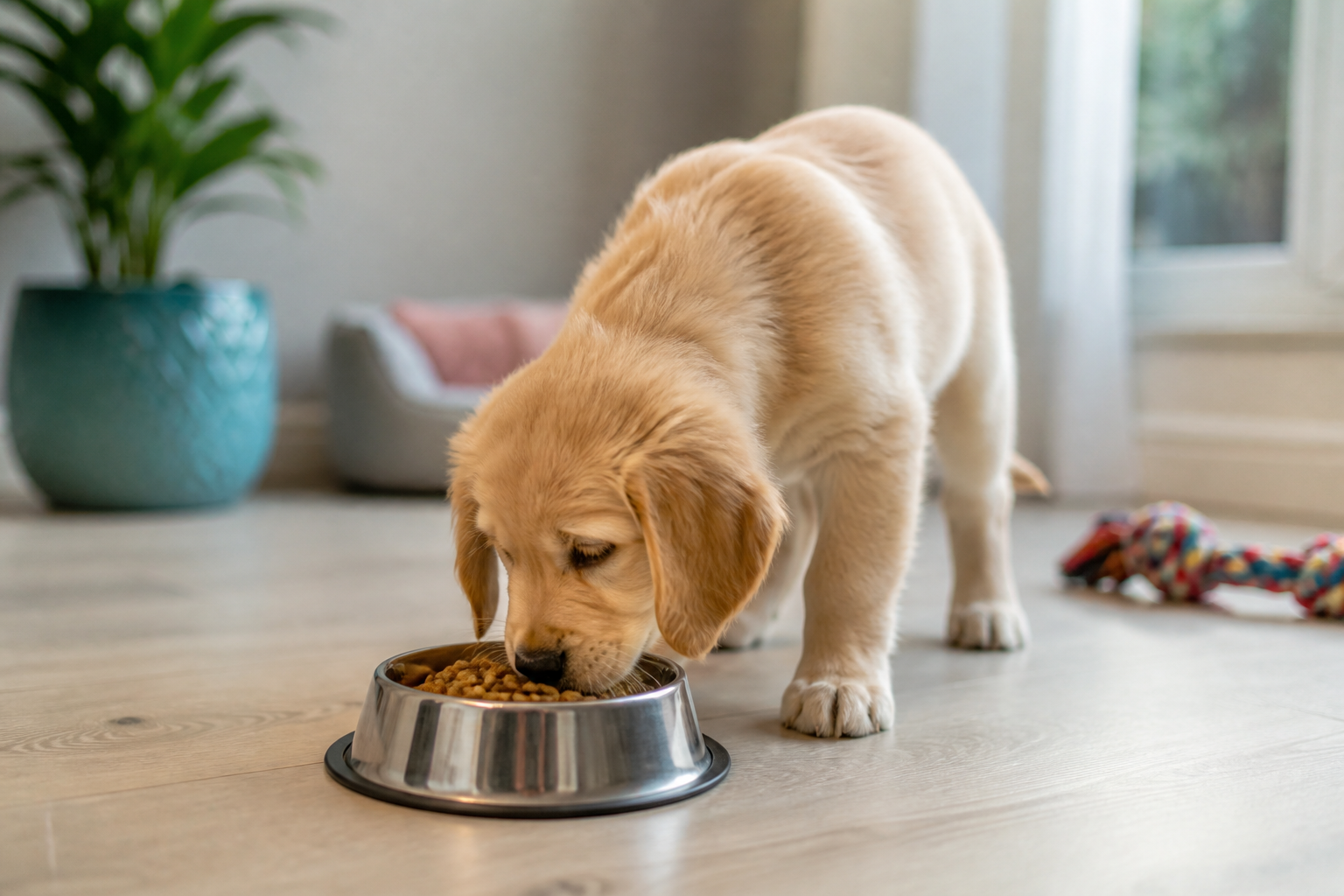
You are likely sitting on the kitchen floor watching a tiny ball of fur explore their new world. Perhaps they have already started sniffing at your older dog's food bowl or nibbling on the corner of a rug. At BaxterBoo, we know that the first few months of a dog's life are filled with these small but significant milestones. Transitioning from mother's milk to solid kibble is one of the most important steps in their physical development. This post covers the exact timeline for weaning, how to safely introduce dry food, and how to tell when your puppy is ready for a full crunch. Understanding this process ensures your puppy receives the calories and nutrients necessary to build strong bones and a healthy immune system.
The Developmental Timeline of a Puppy
A puppy's nutritional needs change almost weekly during their first two months of life. For the first three weeks, they rely entirely on their mother's milk. This milk is a biological marvel that provides antibodies and the perfect balance of fats and proteins. Around the twenty one day mark, a puppy's curiosity begins to peak. Their baby teeth, also known as deciduous teeth, start to poke through the gums. This is the physical signal that their body is preparing to process something other than liquid.
Most puppies are not ready to dive straight into a bowl of hard kibble at this stage. Their digestive systems are still very sensitive. The transition must be a slow dance between milk and solids. By four weeks, they can start exploring "puppy gruel." By eight weeks, most should be eating dry food with little to no added liquid. Every puppy develops at a slightly different pace, so observing their interest and energy levels is vital.
Quick Answer: Puppies typically begin the transition to dry food around four weeks of age by eating a softened version of kibble. Most puppies are fully weaned and can eat completely dry dog food by eight to ten weeks old.
Starting with Puppy Gruel at Three to Four Weeks
When your puppy reaches about one month of age, they enter the weaning phase. This is not an overnight switch but a gradual introduction to new textures. You want to create what many breeders call a puppy mush or gruel. This mixture mimics the moisture of milk but introduces the nutrient density of high quality puppy food.
To make this, you will need a high quality dry puppy kibble. We carry several brands like NutriSource and Stella and Chewy’s that offer excellent starter formulas. The goal is to make the food easy to lap up rather than chew. At this age, their jaws are not yet strong enough to crush hard bits of kibble. Using warm water or a puppy milk replacer is the best way to achieve the right consistency. You can begin comparing options in our puppy food selection.
How to Make the Perfect Puppy Mush
Making the transition food requires a bit of patience. You cannot simply pour water on the food and serve it immediately. The kibble needs time to absorb the moisture and expand.
- Measure out the recommended daily portion of dry food.
- Add three parts warm water or milk replacer to one part dry food.
- Let the mixture sit for at least fifteen to twenty minutes until the kibble is soft.
- Use a fork or a blender to mash the mixture into a smooth, oatmeal like consistency.
- Test the temperature with your finger to ensure it is lukewarm, not hot.
Vet Tip: If your puppy is moving away from mother's milk and shows signs of a sensitive stomach, consult your veterinarian. Our pharmacy offers prescription diets through our partnership with Pet's Choice if your vet determines a specialized medical food is necessary for their growth.
Transitioning to Hard Kibble by Eight Weeks
By the time a puppy is six weeks old, they should be eating four small meals of mushy food every day. From week six to week eight, your job is to slowly reduce the amount of liquid you add to the bowl. This strengthens their jaw muscles and gets their digestive tract used to processing more complex carbohydrates and proteins.
This period is also when their baby teeth are fully emerged. Chewing on slightly harder textures helps with the discomfort of teething. It also starts the lifelong process of mechanical teeth cleaning. While puppies do not have a lot of tartar buildup yet, the act of crunching helps keep their gums healthy. By eight weeks, most puppies are ready to leave their mother and move to their forever homes, where they should be capable of eating dry kibble comfortably. For more guidance on softening food safely, read how to make dry dog food soft.
The Four Week Weaning Schedule
If you are managing the weaning process yourself, following a structured schedule helps prevent digestive upset. Sudden changes in diet can lead to diarrhea or vomiting in young dogs.
Step 1: Week Four. / Offer a very thin gruel made of one part food and three parts liquid. Offer this four times a day while the puppy still nurses from their mother.
Step 2: Week Five. / Increase the food content slightly. Use two parts liquid to one part food and mash it less thoroughly.
Step 3: Week Six. / Move to a thicker consistency. Use one part liquid to one part food. At this stage, the puppy should be getting most of their calories from the food rather than milk.
Step 4: Week Seven and Eight. / Offer kibble with just a splash of water to soften the outer layer. By the end of week eight, offer the kibble completely dry.
Key Takeaway: The transition from milk to dry food should take about four weeks of gradual liquid reduction to ensure the puppy's stomach adapts without issues.
Signs Your Puppy is Ready for Solid Food
Age is a great guideline, but puppies are individuals. Some may be ready for the crunch at seven weeks, while others might need softened food until ten weeks. Observing their behavior during mealtime will tell you everything you need to know.
One clear sign is "food guarding" or intense interest in the mother's food. If they are trying to steal a bite of hard kibble and can successfully crunch it, they are likely ready. You should also look at their weight gain. A puppy that is ready for solids will be energetic and show steady growth. If they seem to struggle with the bowl or walk away after a few licks of mush, they might need another week of more liquid based meals.
- They have a full set of small, sharp teeth.
- They are drinking water from a bowl independently.
- They no longer try to nurse as frequently.
- They show interest in chewing toys or other hard objects.
- They can swallow the mush without gagging or coughing.
Choosing the Right Puppy Kibble for Growth
Not all dry dog food is created equal, especially for a growing puppy. Puppies require a much higher concentration of calories, protein, and minerals than adult dogs. This is because they are literally building their skeletons and muscle mass from scratch. Feeding an adult maintenance food to a puppy can lead to developmental issues or stunted growth.
Look for a bag that is specifically labeled for puppies or "all life stages." At BaxterBoo, we recommend checking the ingredient list for high quality animal proteins like chicken, lamb, or beef as the first ingredient. Essential fatty acids like DHA are also vital for brain and eye development. Brands like Acana and Orijen focus on these biologically appropriate ingredients to give your pup the best start. One example is Acana Wholesome Grains Puppy Recipe Dry Dog Food.
Bottom line: Always choose a food specifically formulated for puppies to ensure they get the extra protein and calcium needed for skeletal development.
Why Puppy Food is Different from Adult Food
The caloric density of puppy food is significantly higher than adult formulas. A ten pound puppy might need more calories than a twenty pound adult dog because the puppy is burning energy just by existing and growing. If you feed too little or the wrong type of food, the puppy may become lethargic.
Furthermore, the calcium and phosphorus ratio is strictly controlled in puppy foods. This is particularly important for large breed puppies. If a large breed dog grows too fast due to improper mineral intake, they can develop joint and bone problems later in life. We carry specialized large breed puppy formulas from brands like Royal Canin that address these specific growth rates. You can compare one size-specific option, Royal Canin Medium Puppy Dry Dog Food.
- Higher protein for muscle and tissue growth.
- Increased fat for concentrated energy and brain health.
- Precise calcium and phosphorus levels for bone density.
- Smaller kibble size to fit smaller mouths and prevent choking.
Feeding Frequency and Portion Control
Puppies have tiny stomachs but massive energy needs. This means you cannot feed them once or twice a day like you would an adult dog. Their blood sugar can drop quickly if they go too long without a meal. For the first few months after weaning, a four meal per day schedule is best. For additional portion guidance, see how much dry dog food to feed a puppy.
As the puppy reaches four to six months of age, you can usually transition to three meals a day. By the time they are six months to a year old, two meals a day is standard for most breeds. Always use a measuring cup rather than "eyeballing" the amount. Overfeeding a puppy can lead to obesity early in life, which puts unnecessary strain on developing joints.
Vet Tip: Use a portion of their daily kibble for training rewards. This prevents overfeeding and helps your puppy associate their dry food with positive reinforcement and learning.
When the Transition Doesn't Go Smoothly
Sometimes a puppy might resist dry food or experience a "tummy ache" during the switch. This is common and usually not a cause for alarm if the puppy remains energetic. If your puppy refuses to eat the dry kibble, you can try adding a small amount of high quality wet food to entice them. Tiki Cat and Caru offer toppers and wet foods that are highly palatable.
However, if your puppy has persistent diarrhea, is lethargic, or stops drinking water, it is time to visit the vet. Puppies can become dehydrated very quickly. In some cases, a puppy might have a food sensitivity or an underlying issue like intestinal parasites that makes the transition to solid food difficult. If you are considering another texture, our guide to switching from dry to wet dog food offers related feeding information.
Key Takeaway: Digestive upset is common during weaning, but persistent symptoms like vomiting or lethargy require a professional veterinary consultation.
Hydration During the Move to Dry Food
When a puppy is nursing, they get all their hydration from milk. As they move to dry kibble, they lose that liquid source. It is vital that a bowl of fresh, clean water is available at all times. Some puppies do not immediately understand how to drink from a bowl. You may need to dip your finger in the water and let them lick it off to show them what it is. Browse our dog bowls and feeders for feeding essentials.
If you are worried your puppy is not drinking enough, you can continue to add a splash of water to their dry kibble even after they have successfully transitioned. This ensures they are getting moisture with every meal. Proper hydration supports kidney function and keeps their coat looking shiny and healthy.
The Role of Treats in a Puppy's Diet
While the focus is on dry food, most new owners want to start training immediately. Treats are a great tool, but they should be used sparingly. A good rule of thumb is that treats should make up no more than ten percent of your puppy's daily caloric intake.
For very young puppies, look for soft treats that can be broken into tiny pieces. Harder treats can be introduced as their adult teeth begin to come in around four to six months. We offer a wide selection of training treats from brands like Zesty Paws and Greenies that are perfect for rewarding good behavior without ruining their appetite for their main meals. Our dog treats category is a useful place to compare options.
Moving from Puppy Food to Adult Kibble
Once your puppy has mastered dry food, the next big question is when to stop. You do not want to keep a dog on puppy food forever. The high calorie content that helped them grow can lead to weight gain once their growth plates have closed.
The timing of this switch depends heavily on the breed. Small dogs like Chihuahuas or Yorkies finish growing much faster than a Great Dane or a Labrador. Generally, the transition to adult food happens at these ages:
- Small breeds: 10 to 12 months.
- Medium breeds: 12 months.
- Large and giant breeds: 18 to 24 months.
Just like the weaning process, this switch should be gradual. Mix the adult food into the puppy food over a period of seven to ten days to prevent stomach upset.
Common Mistakes to Avoid During the Transition
One of the most frequent mistakes is giving in to a "picky" eater too quickly. If a puppy realizes that refusing dry food results in getting pieces of steak or chicken, they will quickly learn to hold out for the good stuff. Stay consistent with the dry kibble. If they do not eat it within twenty minutes, pick up the bowl and try again at the next scheduled mealtime.
Another mistake is leaving moistened food out for too long. Once you add water or milk replacer to kibble, it can grow bacteria quickly, especially in a warm house. If your puppy does not finish their mushy meal within half an hour, discard it and wash the bowl. Always keep the feeding area clean to prevent the spread of germs.
Bottom line: Consistency and cleanliness are the two most important factors in a successful move to dry dog food.
Encouraging Healthy Eating Habits
The way you feed your puppy now sets the stage for their behavior as an adult. Avoid "free feeding," which is leaving a bowl of food out all day. Scheduled mealtimes help with potty training because you will know exactly when the puppy needs to go outside. It also allows you to monitor exactly how much they are eating, which is the first indicator of their health.
If your puppy eats too fast, which is common in some breeds, consider using a slow feeder bowl. These bowls have ridges and mazes that force the puppy to take smaller bites. This prevents bloating and helps them feel full more quickly.
Conclusion
Transitioning your puppy to dry dog food is a rewarding process that marks the beginning of their independence. By starting with a soft gruel at four weeks and slowly moving toward a full crunch by eight weeks, you give their digestive system the time it needs to adapt. At BaxterBoo, we are here to support you with a curated selection of premium puppy foods and all the gear you need for those first few months. Whether you are stocking up on high quality kibble or looking for a slow feeder bowl, we have the expertise to help you make the right choice. Don't forget that our Autoship program can save you time and money on the food your growing pup needs most. For any specialized dietary needs, our pharmacy is ready to help through our Pet's Choice partnership.
FAQ
Can a six week old puppy eat completely dry food?
Most six week old puppies still need their food to be slightly softened with water or milk replacer. While they have teeth, their jaws are still developing, and a completely dry kibble may be too difficult to chew or swallow. It is best to wait until eight weeks before offering food without any liquid added.
What should I do if my puppy refuses to eat dry kibble?
If your puppy resists dry food, try warming up the mixture to release the aroma or adding a small amount of puppy safe wet food as a topper. Ensure you are using a high quality kibble designed for puppies, as these are often more palatable. If the refusal lasts more than twenty four hours, consult your veterinarian to rule out any health issues.
Is it okay to mix water with my puppy's dry food long term?
There is no harm in adding water to your dog's food throughout their life, as it helps with hydration. However, the mechanical action of chewing dry kibble is beneficial for dental health. Most owners stop adding water once the puppy is fully weaned and has their adult teeth, but some dogs simply prefer a softer texture.
How many times a day should a two month old puppy eat?
A two month old puppy should ideally eat four small meals a day. Their stomachs are small and they burn energy very quickly, so frequent feedings help maintain steady blood sugar levels. As they get older, you can gradually reduce this to three meals and eventually two meals by the time they reach adulthood.






