Save 15% on your 1st Autoship learn more

 Email us
 Live Chat
 FAQs
FAQs





Introduction
You set the bowl down and before you can even stand back up, the kibble is gone. Your dog is already licking the ceramic, looking for stray crumbs, while you worry about them choking or getting an upset stomach from eating too fast. This frantic mealtime ritual is common for many pet owners. At BaxterBoo, we know that mealtime should be more than a thirty-second race to the finish line. A snuffle mat dog feeder turns a standard chore into a rewarding brain game that satisfies your dog's natural instincts. This article explores the benefits of foraging mats, how they improve digestive health, and what features to look for when choosing one. Using a snuffle mat is a simple way to bring a bit of the wild indoors for your favorite companion.
What Exactly Is a Snuffle Mat Dog Feeder?
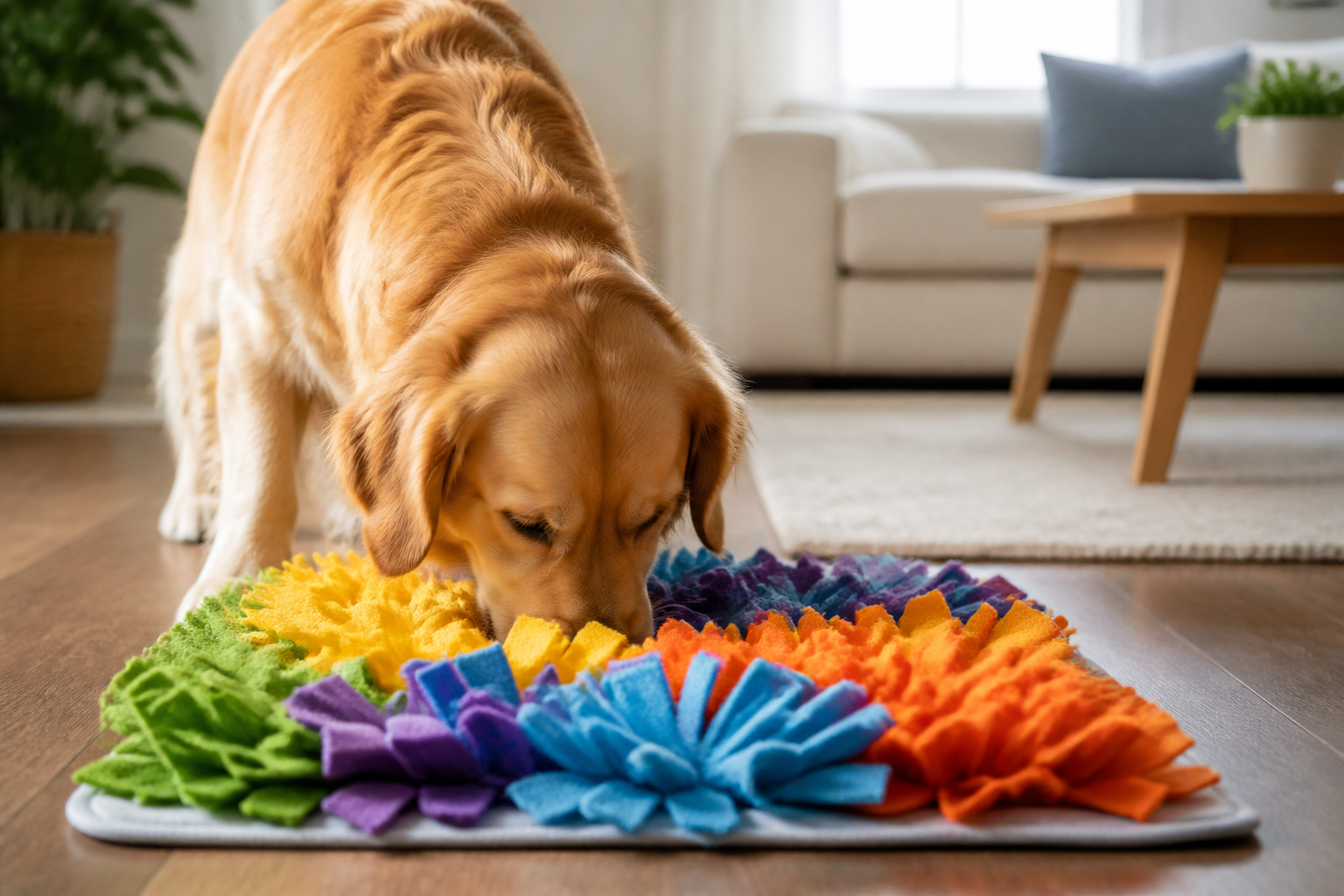
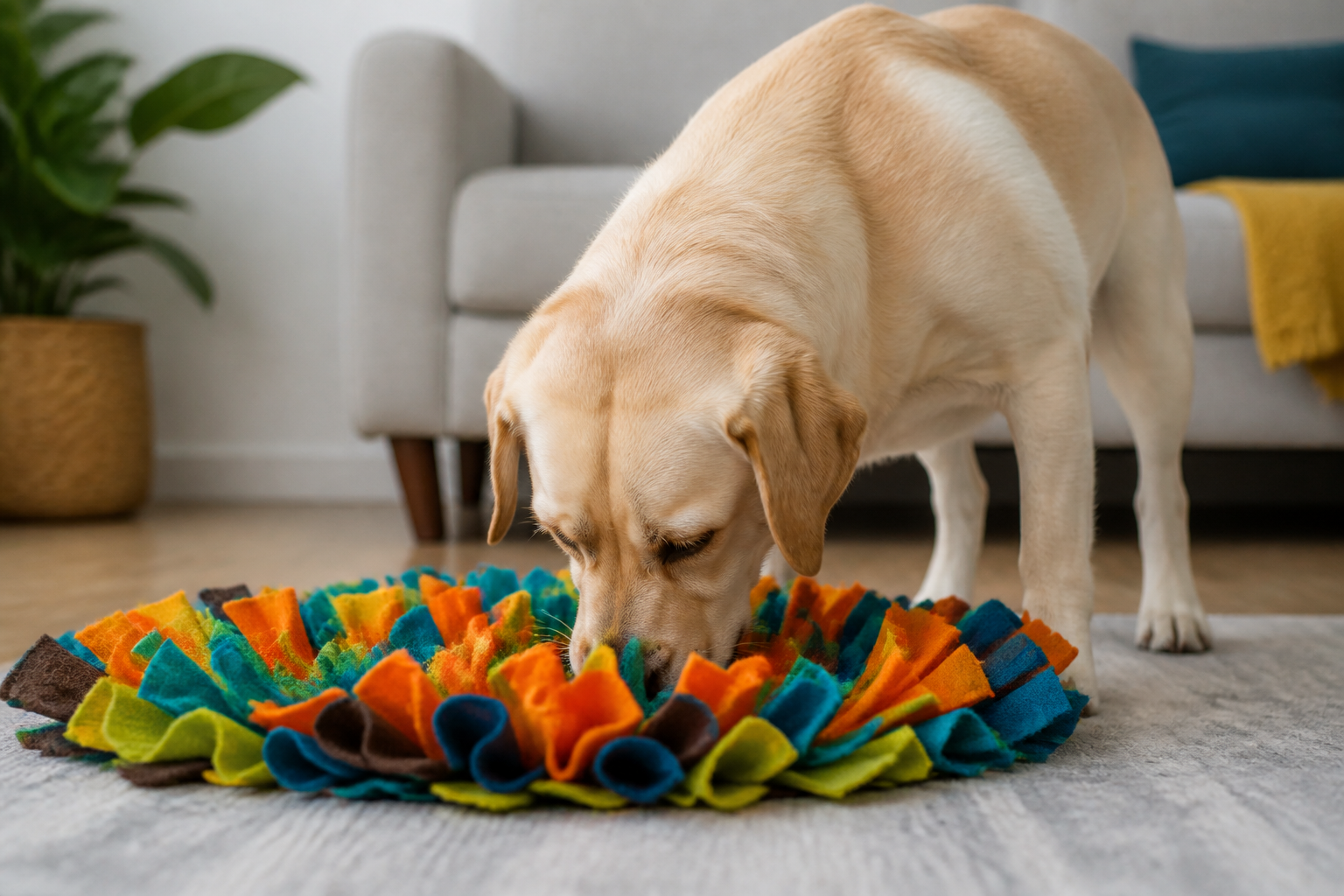
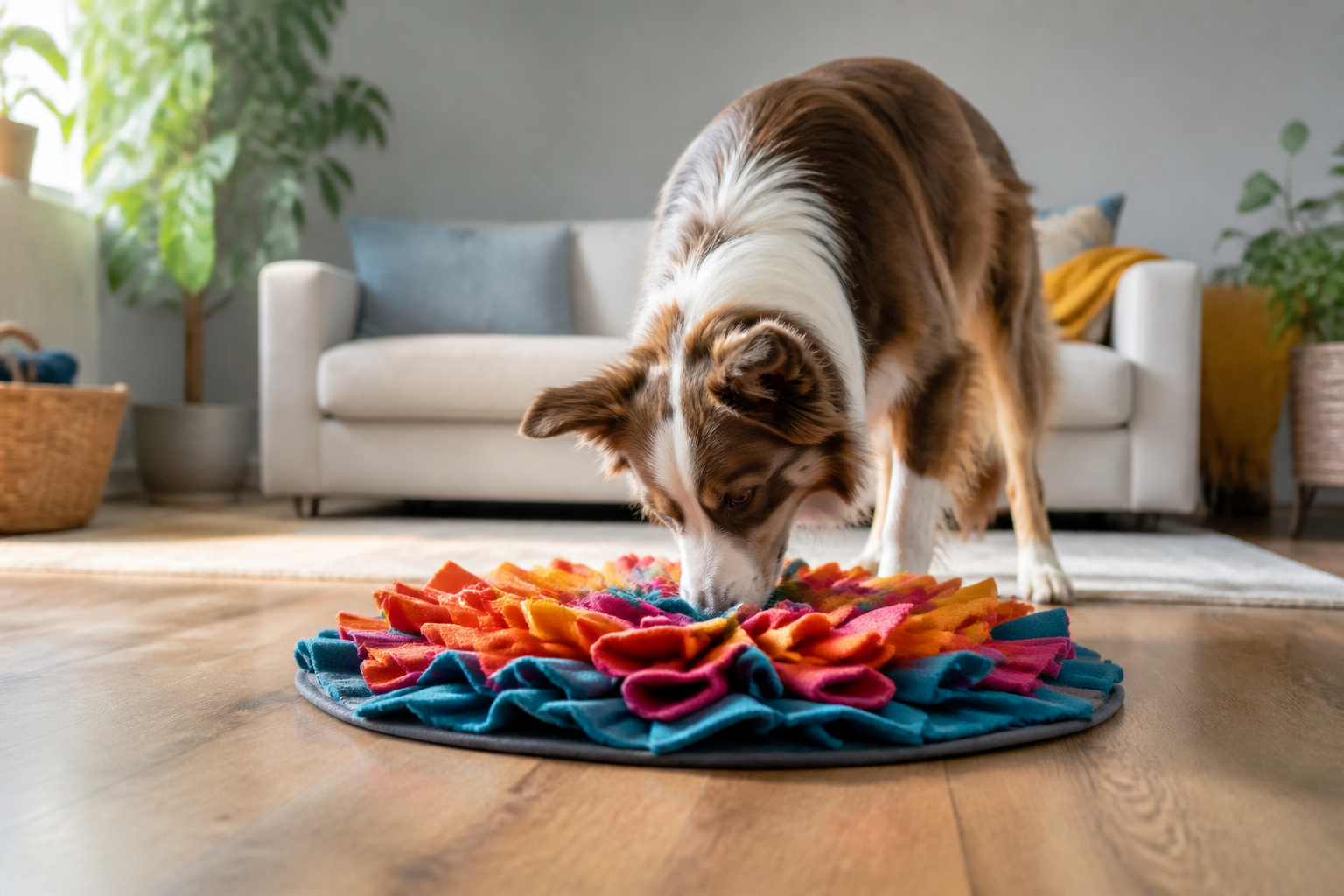
A snuffle mat is a fabric puzzle designed to mimic the experience of hunting and foraging in long grass. It usually consists of a sturdy base with hundreds of fabric strips, pockets, and folds attached to the top. You hide dry kibble or small treats deep within these layers. Your dog then has to use their nose to locate the food and their paws or snout to retrieve it.
Unlike a standard bowl where food is sitting in plain sight, a snuffle mat forces a dog to work for every bite. It taps into the olfactory system, which is the primary way dogs perceive the world. Their brains are hardwired to solve scent-based puzzles. When you provide a snuffle mat, you are giving them a job to do.
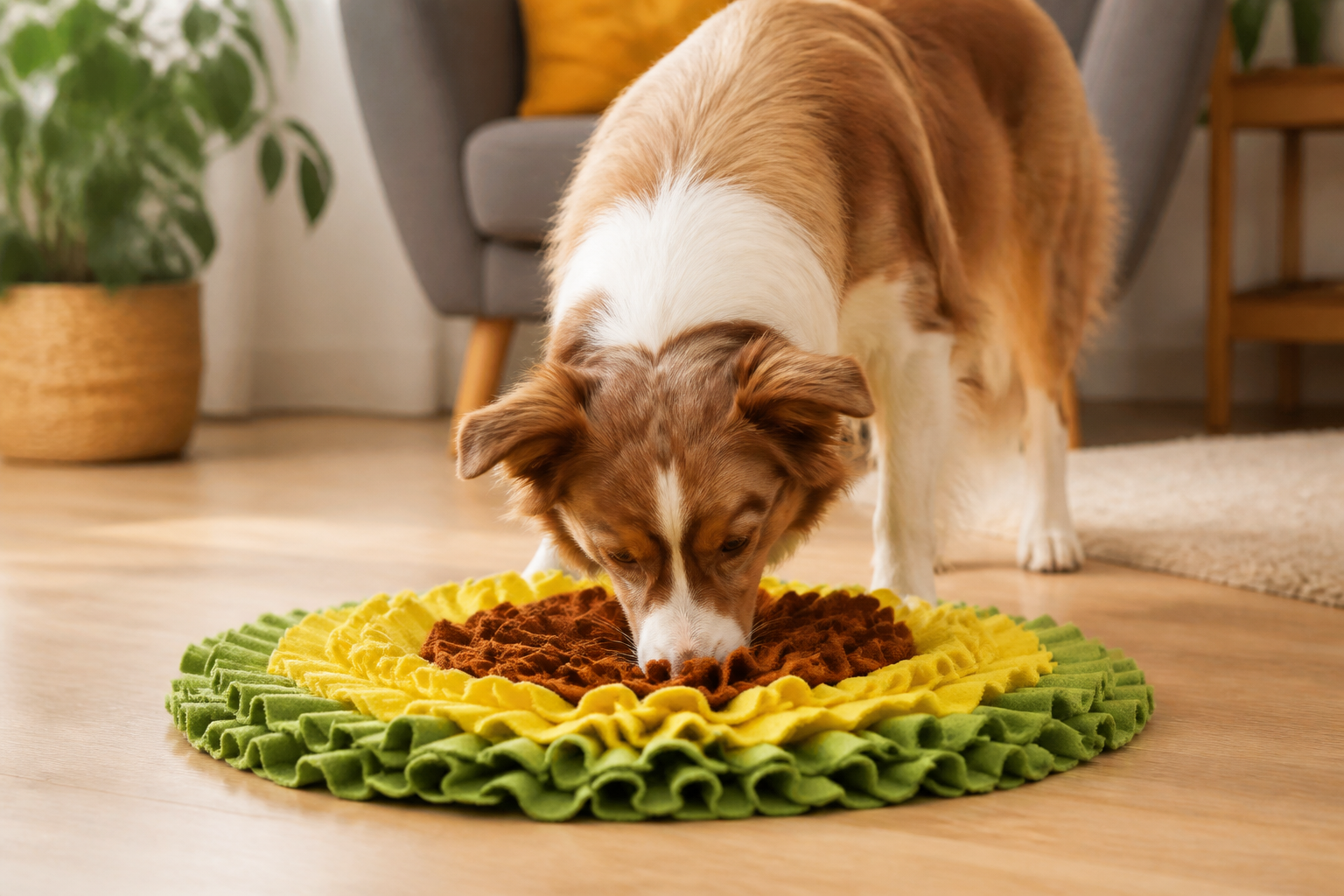
These feeders come in various shapes and sizes. Some look like shaggy rugs, while others have complex geometric patterns or even resemble a small garden. The goal is always the same: create a physical barrier between the dog and their food that requires mental effort to overcome.
For a ready-made option, the Zanies Sniffari Snuffle Mat Dog Toy - Owl includes looped tabs and a pocket for hiding treats.
Quick Answer: A snuffle mat is an interactive enrichment toy made of fabric strips and pockets. It hides kibble or treats to encourage a dog to use their sense of smell to find food, which slows down eating and provides mental stimulation.
The Mental Benefits of Sniffing
Many people focus purely on physical exercise like walking or playing fetch. While those are important, mental fatigue is just as valuable for a well-behaved pet. Experts often say that fifteen minutes of intense sniffing can burn as much energy as a one-hour walk. This is because a dog's brain processes scent information using a large portion of its neurological capacity.
Using a snuffle mat provides deep mental enrichment. It requires focus and problem-solving skills. For a high-energy breed, this can be the difference between a calm evening and a dog that paces the house looking for trouble. It gives them a productive outlet for their energy that does not require a backyard or a trip to the park.
For more ways to keep your dog engaged indoors, explore these dog boredom busters, puzzles, and play ideas.
Foraging also releases endorphins in a dog's brain. These are the feel-good chemicals that promote relaxation and a sense of satisfaction. If you have a dog that suffers from mild separation anxiety or general nervousness, a snuffle session can help them settle down. It shifts their focus from whatever is making them anxious to the rewarding task of finding food.
Helping the Speed Eater
One of the most practical reasons to use a snuffle mat dog feeder is to slow down a fast eater. Dogs that "inhale" their food often swallow a significant amount of air in the process. This can lead to gas, discomfort, or even vomiting immediately after a meal. In more serious cases, fast eating is a risk factor for gastric dilatation-volvulus, commonly known as bloat.
A snuffle mat naturally breaks up a large meal into tiny, individual portions. Instead of taking one giant gulp of kibble, the dog finds one or two pieces at a time. This forces them to chew more thoroughly and prevents them from over-filling their stomach too quickly. It can turn a meal that usually lasts thirty seconds into a ten-minute activity.
If your dog has a history of severe digestive distress or chronic bloating, it is important to look at more than just their bowl. We carry a variety of specialized solutions for these pets. Our dog pharmacy offers prescription options through our pharmacy service. Pairing a slow-feeding method with the right nutrition is a powerful way to manage digestive health.
Vet Tip: If your dog is a chronic speed eater, monitor them closely for signs of bloat, such as a distended abdomen or unproductive retching. Consult a veterinarian immediately if these symptoms appear, as bloat is a life-threatening emergency.
Signs Your Dog Needs a Slow Feeder
- They finish their entire meal in under one minute.
- They frequently gag or cough while eating.
- They vomit undigested food shortly after mealtime.
- They act restless or uncomfortable after eating.
Selecting the Right Features for Your Dog
Not all snuffle mats are created equal. When you are shopping at BaxterBoo, you will notice different textures and materials. Choosing the right one depends on your dog's size, age, and chewing habits. You want a mat that is challenging enough to be fun but durable enough to last.
Material and Safety
The best mats are usually made from soft, non-toxic materials like fleece or felt. These fabrics are gentle on a dog's nose and won't cause friction burns or irritation as they root around. Look for a mat with a non-slip backing. This prevents the mat from sliding across the kitchen floor while your dog is working, which can be frustrating for them and messy for you.
Complexity and Size
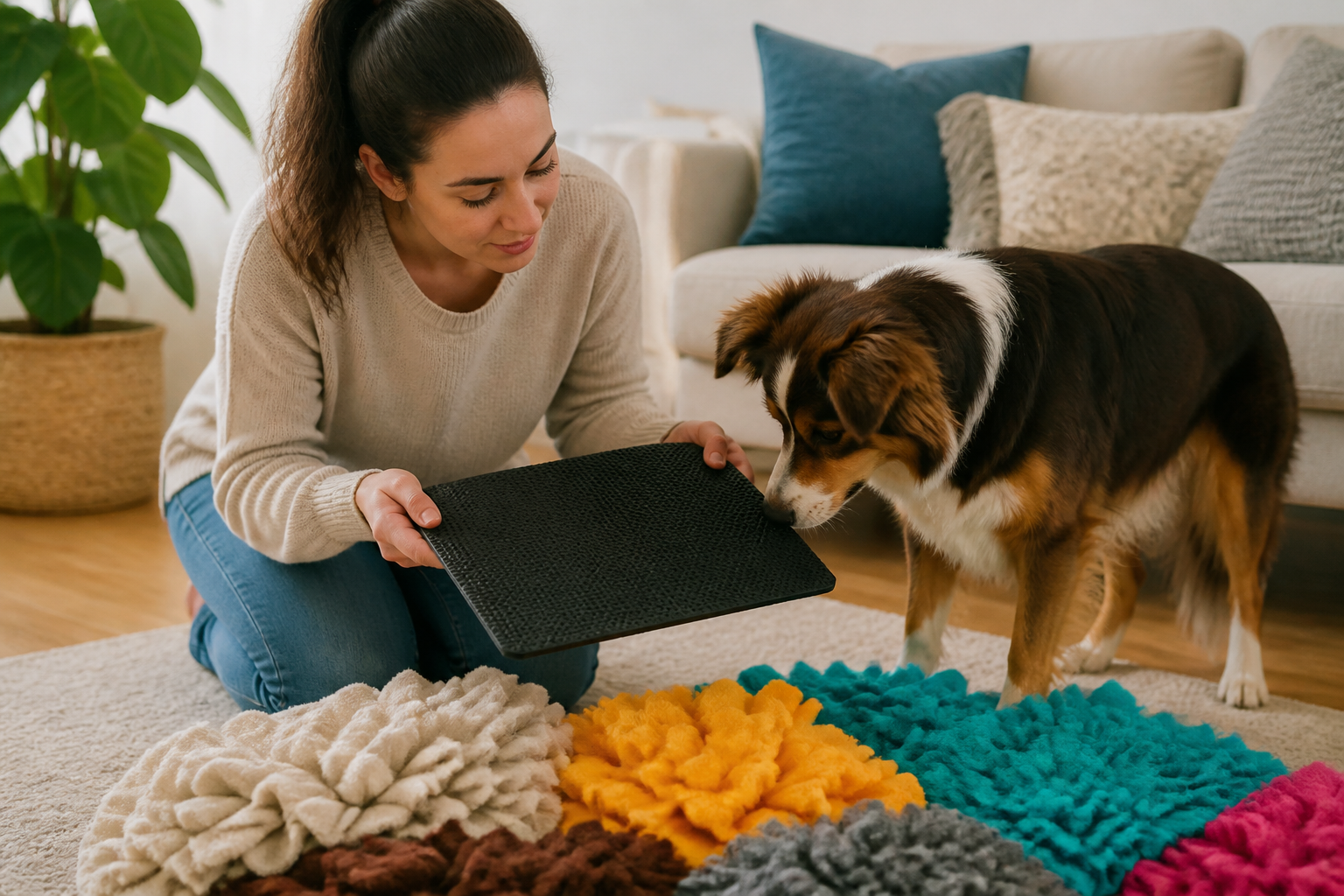
If your dog is new to scent work, start with a simpler mat that has longer, looser fabric strips. This makes it easier for them to find the food and builds their confidence. As they get better at the game, you can move to mats with tighter folds, hidden pockets, or varying textures.
Size also matters. A tiny Chihuahua will struggle with a massive, heavy mat, while a Great Dane might accidentally flip a small mat over. Choose a size that roughly matches the footprint of your dog. A larger surface area generally means a longer foraging session.
Portability
Some snuffle mats can be rolled up or folded into a carrying case. This is great for pet owners who travel or want to bring a distraction to the vet's office. A portable mat allows you to provide a familiar, calming activity no matter where you are.
You can compare additional options in our dog toys and interactive feeders collection, which includes products designed for mental stimulation and treat-based play.
Key Takeaway: Choose a snuffle mat with soft fleece strips and a non-slip base. Match the size of the mat to your dog’s breed to ensure they stay engaged without getting frustrated.
How to Introduce the Mat to Your Dog
If you simply drop a complex mat in front of a dog and walk away, they might get frustrated. Some dogs might even try to pick up the mat and shake it to get the food out. It is better to introduce the feeder in stages to ensure they understand the "sniffing" part of the game.
Step 1: Start easy. / Sprinkle a few high-value treats right on top of the fabric strips. Let your dog see you do this so they know there is something good inside.
Step 2: Use a command. / Use a phrase like "find it" or "search" as they start sniffing. This turns the feeder into a training tool.
Step 3: Increase the depth. / Once they have found the treats on top, start tucking them slightly deeper into the folds. Eventually, you can hide the treats so they are completely out of sight.
Step 4: Transition to meals. / When they are comfortable with the mat, you can begin using it for their daily kibble instead of just treats.
Always supervise your dog during the first few sessions. If they start chewing on the fabric strips rather than sniffing for food, gently redirect them. Once the food is gone, it is a good idea to pick the mat up and put it away. This keeps the mat from becoming a chew toy and maintains its "special" status for mealtime.
For another approach to scent-based enrichment, try these dog brain games and nose-work activities.
Bottom line: Introducing the mat slowly ensures your dog learns to use their nose rather than their teeth to get the rewards.
Using Snuffle Mats for Different Life Stages
Snuffle mats are versatile enough for almost any dog. They are not just for high-energy adults. They can be particularly useful for puppies and senior dogs who have different physical limitations.
For Puppies
Puppies are like sponges for new information. Using a snuffle mat early in life helps develop their cognitive abilities. It also teaches them patience and focus. Since puppies can't always go for long walks before they have all their vaccinations, a snuffle mat is a safe way to burn off "zoomie" energy inside the house.
For Senior Dogs
As dogs age, they may develop mobility issues like arthritis that make long walks difficult. However, their minds still need activity. A snuffle mat allows a senior dog to stay mentally sharp without putting stress on their joints. It is a low-impact way to keep them engaged with their environment.
If your senior dog is experiencing cognitive decline or significant physical slowing, we can help. Our dog healthcare collection features products designed to support aging pets. For dogs requiring specific supplements or medications for joint health, our pharmacy provides access to prescription options through Pet's Choice.
For Anxious Dogs
Dogs that are afraid of thunderstorms or fireworks can benefit from the distraction of a snuffle mat. Because sniffing is a self-soothing behavior, it can help lower their heart rate and distract them from loud noises. It gives them a "safe" task to focus on when the world feels overwhelming.
For additional ideas, read about calming dog toys and enrichment activities.
Care and Maintenance for Longevity
Because snuffle mats involve food and saliva, they can get dirty quickly. A dirty mat can harbor bacteria or mold if it stays damp with slobber and food particles. Regular cleaning is essential to keep your pet healthy.
Most high-quality snuffle mats are machine washable. You should look for this feature before you buy. It is usually best to wash the mat on a gentle cycle with a pet-safe, unscented detergent. Avoid using fabric softeners, as the strong scents can be overwhelming for a dog’s sensitive nose and might discourage them from using the mat later.
After washing, air drying is often the best choice. This helps maintain the shape of the fabric strips and the integrity of the non-slip backing. If you use the mat daily for meals, you might want to have two mats on hand. This allows you to have one in the wash while the other is ready for dinner.
Key Takeaway: Regular washing prevents bacteria buildup. Always use unscented detergent and air dry the mat to keep the fabric strips in top condition for sniffing.
Why Quality Matters
It can be tempting to buy the cheapest mat available, but durability is a major factor in pet safety. Poorly made mats may have fabric strips that pull out easily. If a dog swallows these strips, it can lead to a dangerous intestinal blockage.
At BaxterBoo, we curate our selection to ensure the products we carry are built to last. We look for reinforced stitching and heavy-duty bases. A well-made mat might cost a little more upfront, but it will survive months of daily use and dozens of trips through the washing machine.
When you invest in quality gear, you are also investing in your dog's safety. Cheap felt can sometimes bleed dyes when it gets wet with saliva. High-quality fleece is usually colorfast and much softer on the snout.
Expanding the Enrichment Routine
A snuffle mat is a great start, but it doesn't have to be the only tool in your kit. You can rotate different types of puzzles to keep your dog's interest high. Some days you might use a snuffle mat, while other days you might use a rubber treat dispenser or a hard plastic puzzle toy.
Rotation prevents boredom. If a dog does the exact same puzzle every single day, they eventually become so efficient at it that the mental challenge decreases. By switching things up, you keep their brain guessing.
You can also vary the food you put in the mat. While dry kibble is the standard, you can also use small pieces of dehydrated meat or broken-up crunchy treats. Just be sure to avoid anything wet or sticky, as these will ruin the fabric and are very difficult to clean out of the folds.
Summary of Best Practices
Using a snuffle mat dog feeder is one of the easiest ways to improve your dog's quality of life. It addresses both physical health through slower eating and mental health through species-appropriate enrichment.
- Always supervise your dog when introducing a new mat.
- Pick up the mat once the food is gone to prevent chewing.
- Wash the mat weekly to keep it hygienic.
- Use a variety of treats to keep the game exciting.
- Consult your vet if you are using the mat to manage a medical condition like bloat or obesity.
Whether you have a rambunctious puppy or a quiet senior, a snuffle mat provides a sense of accomplishment that a bowl never can. It turns a basic necessity into a highlight of their day.
Conclusion
A snuffle mat dog feeder is far more than just a trendy pet accessory. It is a functional tool that supports your dog's digestive health and provides essential mental stimulation. By slowing down fast eaters and giving them a job to do, you create a calmer, happier home environment. We are proud to offer a wide range of enrichment toys and wellness products to help you care for your pet at every stage of life. If you want to make sure you never run out of the treats and kibble needed for your foraging sessions, consider signing up for our Autoship program. You will save on your first order and earn a free MVP Gold membership, making it easier than ever to keep your dog’s brain and belly satisfied. At BaxterBoo, we believe that every pet deserves the chance to use their natural instincts every single day.
FAQ
Can I use a snuffle mat for a dog that is a heavy chewer?
You can use a snuffle mat with a heavy chewer, but you must supervise them closely. The mat is designed for sniffing and foraging, not for gnawing. If your dog starts to bite or pull at the fabric, use a redirection command and temporarily remove the mat. Once they learn that the mat is only for finding treats, most dogs will stop trying to chew it.
How often should I wash my dog's snuffle mat?
If you use the mat for daily meals, you should wash it at least once a week. Saliva and small crumbs can build up in the fabric folds, creating an environment for bacteria to grow. Using a machine-washable mat makes this process easy. Always use a pet-safe, fragrance-free detergent to avoid irritating your dog's sensitive nose.
Will a snuffle mat help with my dog's anxiety?
Sniffing is a naturally calming activity for dogs that can help lower their stress levels. While a snuffle mat is not a cure for severe clinical anxiety, it is an excellent tool for managing boredom and mild stress. It provides a focused task that can distract a dog from triggers like loud noises or being left alone for short periods.
Can I put wet food or raw food in a snuffle mat?
It is not recommended to use wet or raw food in a fabric snuffle mat. These foods will soak into the fabric fibers, making the mat very difficult to clean and potentially leading to mold or bacterial growth. For wet or raw food, a silicone lick mat or a hard plastic slow feeder is a much better and more hygienic choice.