
 Save 15% on your 1st Autoship learn more

 Email us
 Live Chat
 FAQs
FAQs





Introduction
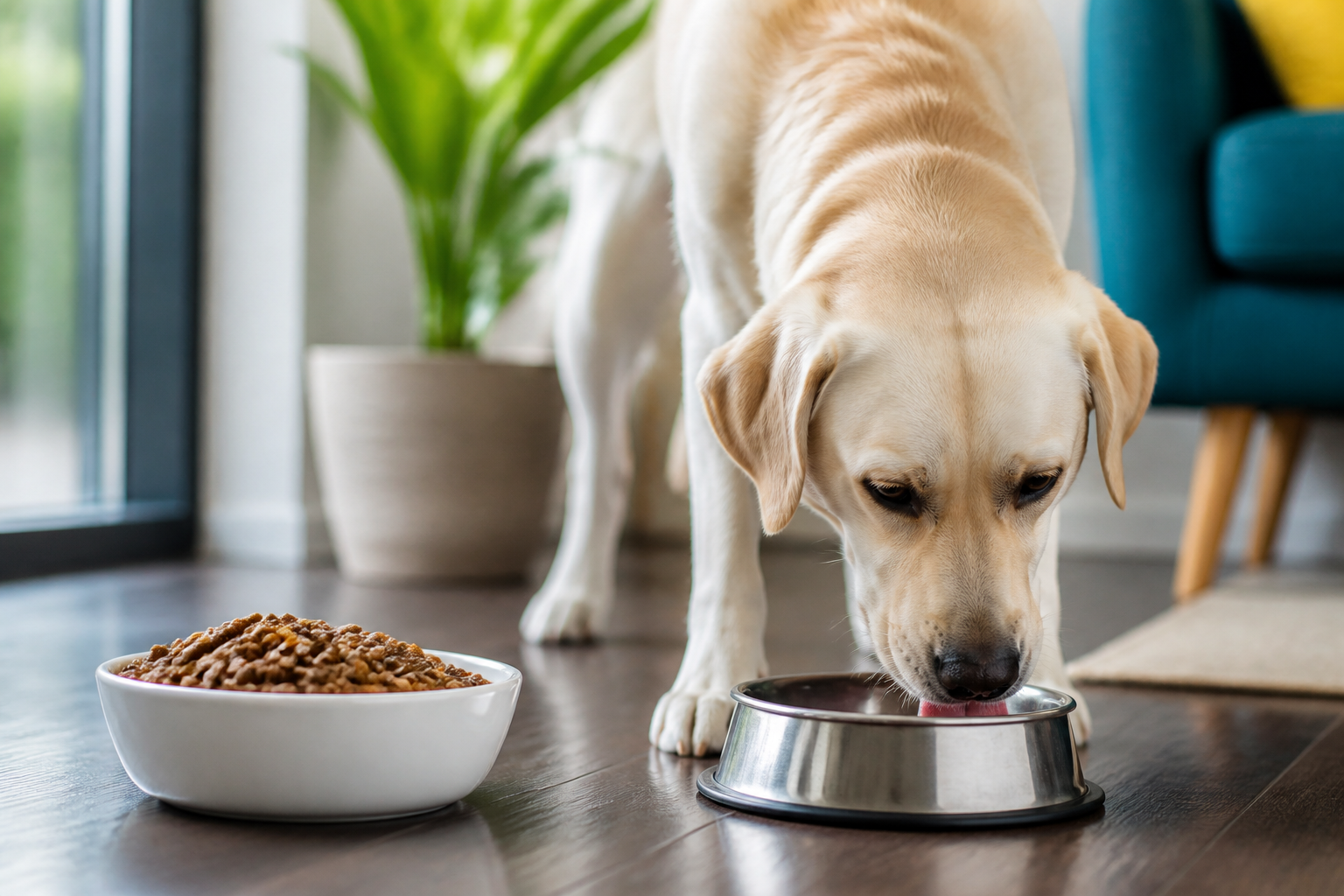
You might notice a familiar pattern every evening. Your dog finishes a bowl of crunchy kibble and immediately trots over to the water dish for a long, rhythmic drink. This post-meal ritual is something we see constantly with our own pets. At BaxterBoo, we know that understanding your dog’s hydration is just as important as choosing the right protein source.
This article explains why kibble leads to increased water consumption and how you can tell the difference between healthy thirst and a potential health concern. We will cover the biology of digestion, the impact of specific ingredients, and practical ways to keep your pup hydrated. Understanding these factors helps you provide the best possible care for your companion.
The Moisture Gap Between Dry and Wet Food
The most straightforward reason dry food makes dogs thirsty is the lack of water in the food itself. Most high-quality kibble is designed to be shelf-stable. To achieve this, manufacturers reduce the moisture content to between 6 and 10 percent. This low moisture level is what gives the food its signature crunch and long shelf life.
In contrast, canned or wet dog food is often comprised of 75 to 80 percent water. When a dog eats wet food, they are essentially hydrating while they eat. A dog on a dry food diet is starting at a significant moisture deficit. They must make up for that missing 70 percent of water by drinking from their bowl throughout the day. Explore our dog food category to compare dry and wet options.
Quick Answer: Dry dog food makes dogs thirsty because it only contains about 10 percent moisture. Since the body needs water to process and digest the dry matter, dogs must drink significantly more to stay hydrated compared to those eating wet food.
The Sponge Effect and Digestion
When your dog swallows a mouthful of kibble, the digestion process begins in the stomach. Kibble is highly concentrated and very dry. Once it hits the stomach acid and fluids, it acts like a tiny sponge. The dry bits of food begin to absorb the liquid already present in the digestive tract.
This absorption causes the kibble to expand. If there is not enough fluid in the stomach to fully break down the food, the body sends a signal to the brain that it needs more water. This is why many dogs head straight for the water bowl the moment they finish eating. They are instinctively replacing the fluids their body is using to process the meal. For another perspective on moistening meals, read how to wet dry dog food for better digestion and hydration.
Key Takeaway: Thirst after eating dry food is a normal biological response. The body requires extra fluid to rehydrate the kibble so it can be properly broken down and absorbed.
How Sodium and Ingredients Influence Thirst
The moisture content is not the only factor at play. The specific ingredients in the bag can also drive your dog to drink more. Many brands we carry, such as Royal Canin or NutriSource, carefully balance their minerals, but the presence of certain components will always influence hydration needs.
Sodium Content
Sodium is often used in dog food as a preservative or to enhance flavor. Just like humans feel thirsty after eating salty snacks, dogs respond to sodium by seeking out water. Salt helps the body maintain fluid balance, but the kidneys must use water to flush out any excess sodium. If a food is slightly higher in salt, you will likely see your dog at the water bowl more often.
Protein and Fiber
High-protein diets can also increase water requirements. When the body breaks down protein, it produces nitrogen as a byproduct. The kidneys require water to filter this nitrogen out of the blood and excrete it through urine. Similarly, high-fiber diets absorb water as they move through the intestines. This helps with stool formation but means there is less water available for the rest of the body.
How Much Water Does Your Dog Actually Need?
Knowing what is normal for your dog helps you spot when something is wrong. While every pet is different, there are general guidelines based on body weight. A healthy dog typically needs about one ounce of water per pound of body weight every single day.
If your dog weighs 50 pounds, they should be drinking roughly 50 ounces of water. This amount can change based on several factors:
- The temperature in your home or outside.
- How much exercise your dog gets.
- Whether they are eating dry kibble or a mix of food types.
- Individual metabolism and age.
Dogs eating strictly dry food will almost always trend toward the higher end of the hydration range. If you have an active dog eating a high-protein dry food in the heat of a Vernon Hills summer, their water needs could easily double. If you are comparing meal formats, our guide to wet and dry dog food offers a helpful companion read.
Recognizing Signs of Dehydration
It is important to distinguish between a thirsty dog and a dehydrated dog. Thirst is the body's way of preventing dehydration. Dehydration occurs when the body has already lost more fluid than it has taken in. We recommend checking your dog’s hydration status regularly, especially during seasonal transitions.
The Skin Turgor Test
One of the easiest ways to check for dehydration is the skin pinch test. Gently grasp a fold of skin between your dog’s shoulder blades, pull it up slightly, and then let go.
- In a well-hydrated dog, the skin will snap back into place instantly.
- If the skin stays in a "tent" shape or moves back slowly, your dog may be dehydrated.
- If the skin does not move back at all, this is a medical emergency.
Checking the Gums
Your dog’s gums should be pink and slippery. If you touch them and they feel tacky, sticky, or dry, your dog is likely low on fluids. You should also look for "capillary refill time." Press your finger firmly against the gum until it turns white, then let go. The pink color should return in less than two seconds.
Vet Tip: If your dog shows signs of lethargy, sunken eyes, or extremely dry gums along with their thirst, contact your veterinarian. Persistent dehydration can lead to kidney strain or other serious health issues.
Practical Ways to Boost Hydration
If you are concerned that your dog is not drinking enough to compensate for their dry diet, there are several simple steps you can take. We have found that small changes in the feeding routine can make a big difference in overall wellness.
Hydrate the Kibble
One of the best ways to help is to add water directly to the food. You can add a half-cup of warm water or low-sodium broth to the bowl. This turns the kibble into a "stew" and ensures your dog gets a large dose of hydration with their meal. It also helps release the aromas of the food, which can be great for picky eaters. For more practical guidance, read how to mix dry dog food with water.
Keep It Fresh and Clean
Dogs are often more sensitive to water quality than we realize. Dust, hair, and saliva can create a film on the surface of the water called a biofilm. This can discourage your dog from drinking.
- Change the water at least twice a day.
- Scrub the bowl with soap and water daily to remove bacteria.
- Use glass, ceramic, or stainless steel bowls, as plastic can harbor more bacteria.
- Consider a pet fountain, as many dogs prefer the taste of moving, aerated water.
Strategic Bowl Placement
Do not make your dog work to find water. If you have a large home, place bowls on every floor. If your dog spends time in the backyard, ensure there is a clean, shaded water source available there too. Convenience often leads to better hydration.
Bottom line: Adding water to kibble and keeping water bowls meticulously clean are the two most effective ways to support a dog on a dry food diet.
When Excessive Thirst Indicates a Problem
There is a medical term for excessive thirst: polydipsia. If your dog's drinking habits change suddenly without a change in diet or weather, it is time to pay attention. If your dog is waking you up in the middle of the night to go outside or is suddenly "guarding" the water bowl, these are red flags.
Several health conditions can cause a dog to drink more water than usual:
- Diabetes Mellitus: High blood sugar levels lead the body to try and flush out excess glucose through urine, which causes extreme thirst.
- Kidney Disease: When kidneys struggle to concentrate urine, the dog must drink more to stay ahead of the fluid loss.
- Cushing’s Disease: This hormonal imbalance often results in increased thirst and appetite.
- Urinary Tract Infections (UTI): Infections can make a dog feel the need to urinate frequently, which can sometimes trigger more drinking.
If your veterinarian diagnoses a chronic condition, they may recommend a prescription diet. Our pet pharmacy carries a wide range of FDA-approved medications and prescription pet foods through our partnership with Pet's Choice. These specialized diets, like Farmina Vet Life, are formulated to support pets with specific health needs while managing their nutrient and mineral intake.
The Role of Supplements and Treats
Sometimes, thirst is influenced by the extras we give our dogs. High-salt treats or certain supplements can contribute to a dry mouth. When choosing treats, look for options with limited ingredients. Brands like Stella and Chewy's or Vital Essentials offer freeze-dried treats that are high in protein but low in unnecessary fillers that might drive thirst.
If you use supplements for joint health or coat shine, monitor your dog's water intake when you start a new one. While supplements like Cosequin or Zesty Paws are formulated for safety, any change in the diet can have a minor impact on how much a dog drinks. We always suggest introducing new items slowly to see how your pet's body reacts.
Using the BaxterBoo Pharmacy for Health Management
Managing a dog with unusual thirst often requires professional guidance. If your vet determines that your dog’s thirst is related to a medical issue, they might prescribe a specific medication or a therapeutic diet. This is where we can help beyond just providing standard kibble.
Our pharmacy provides a convenient way to get the medications your pet needs. Because we partner with Pet's Choice, you can have your prescriptions filled and shipped right to your door alongside your regular food and toy orders. This is especially helpful for managing long-term conditions like thyroid issues or kidney support, where consistency is the key to health.
Key Takeaway: While dry food naturally increases thirst, a sudden or extreme change in drinking habits should always be discussed with a veterinarian to rule out underlying medical issues.
Conclusion
Dry dog food is a popular and nutritious choice for many families, but its low moisture content does mean your dog will spend more time at the water bowl. By understanding the "why" behind this thirst, you can better monitor your pet's health. Remember to provide fresh water constantly, consider adding a splash of water to their kibble, and watch for any sudden shifts in behavior.
Whether you are looking for a new premium kibble from brands like Open Farm or need to fill a prescription through our pharmacy, we are here to support your journey as a pet owner. Our goal is to make it easy for you to provide the best care possible. If you want to make sure you never run out of your dog’s favorite hydrating treats or food, consider signing up for our Autoship programme to save on every order.
FAQ
Why does my dog drink so much water after eating kibble?
Kibble is a concentrated food source with only about 10 percent moisture content. As your dog digests the dry food, the kibble absorbs fluids in the stomach to break down, which triggers a natural thirst response to replace those used fluids.
Is it okay to add water to my dog's dry food?
Yes, adding water or low-sodium broth to dry food is an excellent way to increase your dog's daily fluid intake. This can be especially helpful for dogs that do not drink enough on their own or for senior dogs who may need extra hydration for kidney support.
How can I tell if my dog is drinking too much water?
If your dog's water consumption increases suddenly without a change in activity or weather, it may be excessive. Watch for signs like frequent accidents in the house, wanting to go out in the middle of the night, or drinking several full bowls of water in one sitting, and consult your vet if these occur.
Does the salt in dry dog food make dogs thirsty?
Many dry dog foods contain sodium for flavor and as a preservative. While these levels are regulated and safe for healthy dogs, sodium naturally increases thirst as the body works to maintain a proper mineral balance and flush out any excess through the kidneys.






