
 Save 15% on your 1st Autoship learn more

 Email us
 Live Chat
 FAQs
FAQs





Introduction
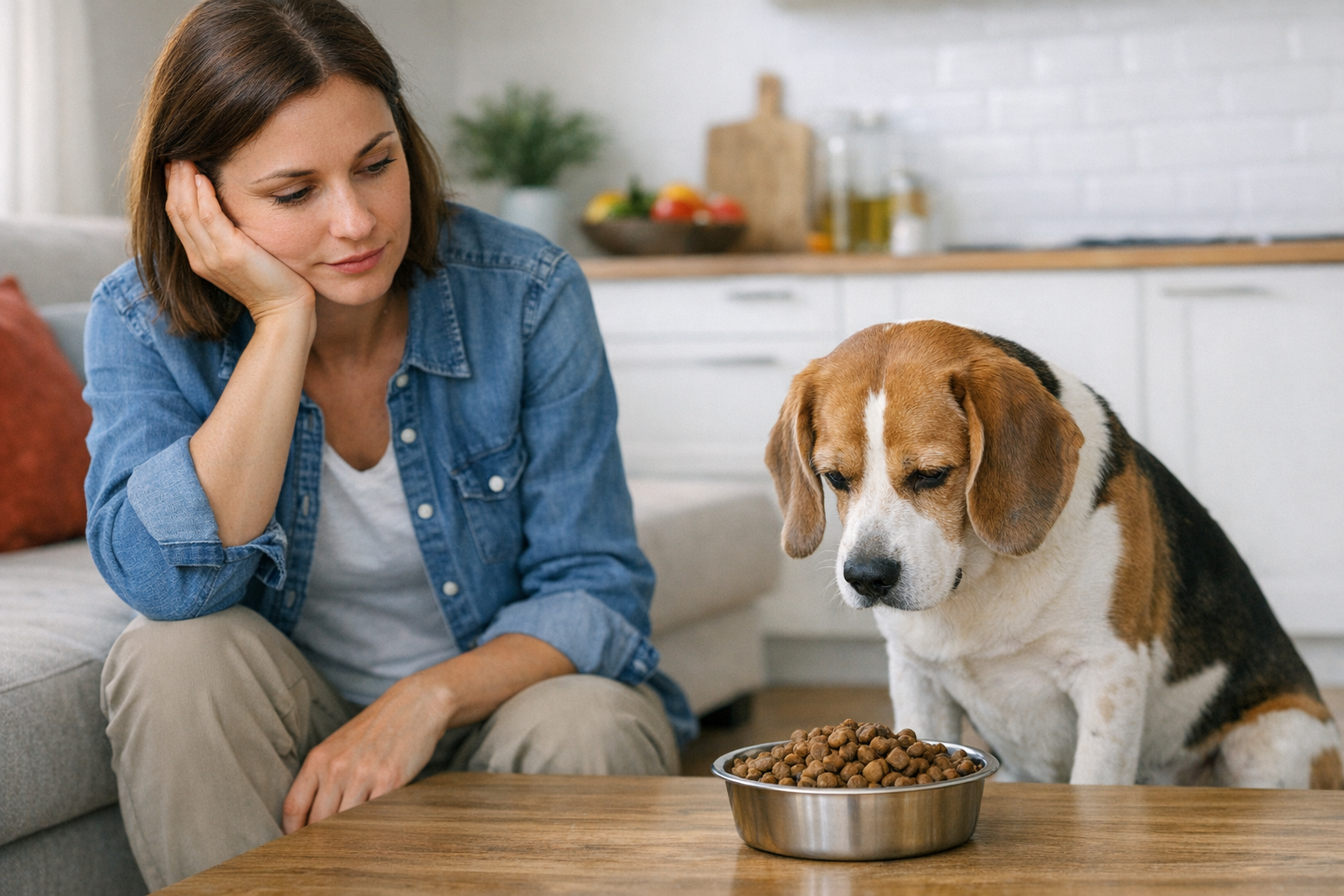
You place the bowl on the floor and hear the familiar clink of kibble. Your dog walks over, takes one sniff, and then turns away with a sigh. It is a frustrating moment for any pet owner. You know the food is high quality and nutritious, yet your dog treats it like a chore. At BaxterBoo, we have talked to thousands of owners facing this exact scenario. This lack of appetite for dry food can stem from several different places, including medical issues, behavioral habits, or the quality of the food itself. This article explores why your dog is suddenly snubbing their kibble and provides practical steps to get them back on track. Understanding the root cause is the first step toward a happy, healthy mealtime routine.
Quick Answer: Dogs often refuse dry food due to dental pain, boredom, or the hope of getting tastier human scraps. If the refusal is sudden or accompanied by lethargy, a vet visit is necessary to rule out underlying illness.
Common Medical Reasons for Kibble Refusal
When a dog stops eating something they previously enjoyed, we should first consider their physical health. Dry food requires significant chewing power. If it becomes painful to crunch, a dog will naturally avoid it.
Dental Discomfort and Oral Health
Dental issues are one of the most frequent reasons dogs reject dry food but still eat soft treats. If your dog has a cracked tooth, an abscess, or inflamed gums, the pressure of hard kibble can be agonizing. Imagine trying to eat a handful of pretzels with a toothache. You would likely choose something softer or skip the meal entirely.
Watch for signs of oral pain while your dog is at the bowl. They might drop pieces of food, tilt their head to one side while chewing, or paw at their mouth. Bad breath is another indicator that something is wrong in the mouth. Regular dental care is vital for preventing these issues. If you want to explore support options, start with our dog healthcare category and our dental and breath care collection.
Vet Tip: If your dog avoids dry food but eats wet food, check their gums for redness or bleeding. Schedule a dental exam with your veterinarian to rule out infections or broken teeth that require professional care.
Digestive Upsets and Underlying Illness
A sudden loss of appetite is often a signal that your dog simply does not feel well. Issues like nausea, kidney disease, or gastrointestinal blockages can make any food unappealing. In some cases, a dog might associate their dry food with a previous stomach upset. They may think the food caused the pain and decided to avoid it.
Our pharmacy carries FDA-approved medications and prescription diets through our partnership with Pet's Choice. If your veterinarian determines that a medical condition is causing the lack of appetite, they may prescribe a specific therapeutic diet. These foods are formulated to support pets with chronic health needs while remaining highly palatable. If your dog’s issue seems health-related, our pharmacy page is a natural next step.
Key Takeaway: Always rule out physical pain or illness before assuming your dog is just being picky about their dinner.
Behavioral Factors and Picky Eating
If your dog has a clean bill of health but still ignores their bowl, the issue is likely behavioral. Dogs are incredibly smart. They quickly learn how to manipulate their environment to get what they want.
Holding Out for High-Value Rewards
This is the most common behavioral cause we see. If your dog knows that refusing kibble eventually leads to a topping of chicken, cheese, or canned food, they will wait you out. They are playing a game of chicken with their dinner. By holding out, they are essentially training you to give them something better.
We often contribute to this without realizing it. If you give your dog a handful of treats every time they skip a meal, you are reinforcing the refusal. The dog learns that "no kibble" equals "tasty treats." To break this cycle, you must be more patient than your dog. If you want a helpful next step, compare options in our dog food category and our dog food topper collection.
Stress, Anxiety, and Environmental Changes
Dogs are creatures of habit. A change in their routine can easily throw off their appetite. This might include a move to a new home, the arrival of a new pet, or even a change in your work schedule. Anxiety can cause a dog's digestive system to slow down, making them feel less hungry.
Some dogs also experience "bowl anxiety." The sound of their collar tags hitting a metal bowl can be startling. Others might feel vulnerable while eating in a high-traffic area. Try moving the food to a quiet corner or using a ceramic or plastic dish to see if the environment is the problem. For more ideas on picky eating, this pairs well with our guide to dry food for picky eaters.
Bottom line: A dog that eats treats but refuses kibble is often holding out for a better offer from their owner.
Age-Related Appetite Changes
As dogs enter their senior years, their nutritional needs and physical abilities change. What worked for them as a puppy might not be suitable now.
The Challenges for Senior Dogs
A senior dog's sense of smell and taste can fade over time. Since a dog's appetite is heavily driven by scent, bland kibble might not register as food anymore. Dry food also expands in the stomach once it mixes with digestive juices. For an older dog with a slower metabolism, this can lead to uncomfortable bloating or a feeling of being overfull.
Furthermore, older dogs often have some degree of dental wear or joint pain. Standing over a bowl for long periods can be taxing on their neck or front legs. Using an elevated feeder can help reduce this strain. If your senior dog is struggling with mobility alongside their appetite, our Medical and Mobility section offers various supports to make daily life more comfortable. You can also browse our senior dog food category.
- Slower metabolism leads to faster satiation.
- Decreased saliva production makes dry food harder to swallow.
- Weakened jaw muscles make crunching difficult.
When the Problem Is the Food Itself
Sometimes the dog is right to refuse the food. Just because the bag is not empty does not mean the food is still good.
Freshness and Proper Storage
Dry food contains fats and oils that can go rancid once exposed to air. Most bags of kibble stay fresh for about two to three weeks after opening. If you buy a massive bag for a small dog, the food at the bottom might be stale or spoiled by the time you reach it.
Always check the "best by" date on the packaging. Store the food in its original bag inside an airtight container. This provides a double barrier against moisture and pests. If the food smells "off" or like old paint, throw it away. Your dog's nose is much more sensitive than yours, and they will smell spoilage long before you do. For more freshness guidance, see our post on dry dog food freshness.
Ingredient Quality and Palatability
Not all kibble is created equal. Some brands use a high percentage of fillers like corn or soy, which lack the rich aroma of real meat. If your dog is consistently uninterested, it might be time to look at the ingredient label.
We carry premium brands like our selection of Farmina products, our selection of Orijen products, and our selection of Open Farm products that prioritize high-quality animal proteins. These foods tend to have a stronger, more natural scent that appeals to a dog's instincts. Our Frequent Buyer Program makes it easier to find the right match for your dog by earning you free products on participating brands as you shop.
Key Takeaway: Proper storage and high-quality ingredients are essential for keeping dry food appealing to your dog's sensitive nose.
How to Make Dry Food More Appealing
You do not always have to switch foods to solve the problem. Sometimes a few simple adjustments can make a world of difference.
Using Healthy Toppers and Mixers
Meal toppers are a great way to add excitement to a bowl of dry food without completely abandoning the kibble. Brands like our selection of Stella & Chewy's products and our selection of Portland Pet Food products offer toppers designed specifically for this purpose.
The key is to mix the topper thoroughly. If you just put it on top, your dog will lick off the "good stuff" and leave the kibble behind. Stir it in so every piece of dry food is coated. This makes it impossible for them to pick and choose.
Hydration and Temperature
Adding moisture is the easiest and cheapest way to entice a picky eater. You can use warm water or a dog-safe bone broth. Moisture does two things. First, it softens the texture, which is helpful for dogs with minor dental sensitivity. Second, the heat from the water releases the fat molecules in the kibble, making it smell much stronger.
Step 1: Measure out the usual portion of dry food. Step 2: Add a quarter cup of warm (not boiling) water or broth. Step 3: Let it sit for five minutes to soak into the kibble. Step 4: Stir and serve at room temperature.
Bottom line: Adding warm liquid to kibble enhances the aroma and softens the texture, making it more like wet food.
Establishing a Better Feeding Routine
Consistency is your best tool when dealing with a picky eater. If your dog knows exactly when and how they will be fed, they are less likely to hold out for extras.
The 15-Minute Rule
Many owners leave food out all day. This is called free-feeding, and it often leads to picky behavior. When food is always available, it loses its value. Instead, put the bowl down and give your dog 15 to 20 minutes to eat. If they have not finished by then, pick the bowl up and do not offer food again until the next scheduled meal.
Your dog will not starve themselves by missing one or two meals. Once they realize that the food is not going to sit there all day, they will be more motivated to eat when the bowl is first presented. Be sure to skip treats during this training period so they are genuinely hungry at mealtime.
Exercise Before Meals
A tired dog is a hungry dog. Physical activity stimulates the appetite and helps regulate the digestive system. Try scheduling your main walk or a vigorous play session about 30 minutes before feeding time. The transition from active play to a quiet meal can help focus their energy on eating.
| Strategy | Benefit | Best For |
|---|---|---|
| Adding Water | Enhances aroma and softens kibble | Seniors or dental issues |
| Timed Feeding | Increases the value of the food | Picky or manipulative dogs |
| Meal Toppers | Adds variety and flavor | Bored dogs |
| High-Quality Food | Provides better nutrition and scent | Long-term health and interest |
Conclusion
Dealing with a dog that refuses dry food requires a mix of patience and investigation. Start by checking for dental pain or signs of illness. If they are healthy, look at their routine and the freshness of the food. Adding a topper or a splash of warm broth can often bridge the gap between a boring meal and an exciting one. Remember that you are in control of the kitchen. With a consistent schedule and high-quality ingredients, most dogs will return to their kibble with enthusiasm.
If you are ready to try a new approach, consider signing up for our Autoship programme. It ensures you always have fresh food on hand while saving you money on every order. Our team at BaxterBoo is always here to help you find the right solutions for your pet's unique needs.
FAQ
Is it okay if my dog only eats wet food?
While dogs can live healthy lives on a purely wet food diet, dry food offers benefits for dental health by helping to scrape away plaque. Wet food is also typically more expensive and has a shorter shelf life once opened. If you switch to all wet food, ensure it is a complete and balanced formula rather than just a topper or treat. If you want to compare food formats, our blog on wet versus dry dog food is a useful next read.
Can I mix human food with my dog's kibble?
You can add small amounts of dog-safe human foods like plain boiled chicken, carrots, or green beans to their bowl. However, you must ensure these additions do not make up more than ten percent of their daily calories to avoid nutritional imbalances. Avoid any seasonings, onions, or garlic, which are toxic to dogs.
How do I know if my dog's dry food has gone bad?
Check for a sour or rancid smell, similar to old cooking oil or paint. You may also notice a change in texture, such as the kibble feeling greasy or appearing moldy. If your dog suddenly refuses a brand new bag, there may have been a manufacturing issue or a breach in the packaging, so it is best to replace it.
Why does my dog eat dry food from my hand but not the bowl?
This behavior often points to anxiety or a desire for attention. Hand-feeding makes the meal a social interaction, which some dogs find more rewarding than eating alone. It can also suggest that the dog is uncomfortable with the location or the physical attributes of their food bowl. For more support with mealtime value, you can also explore the MVP Rewards programme and our blog on freeze-dried food for better health.






