
 Save 15% on your 1st Autoship learn more

 Email us
 Live Chat
 FAQs
FAQs





Introduction
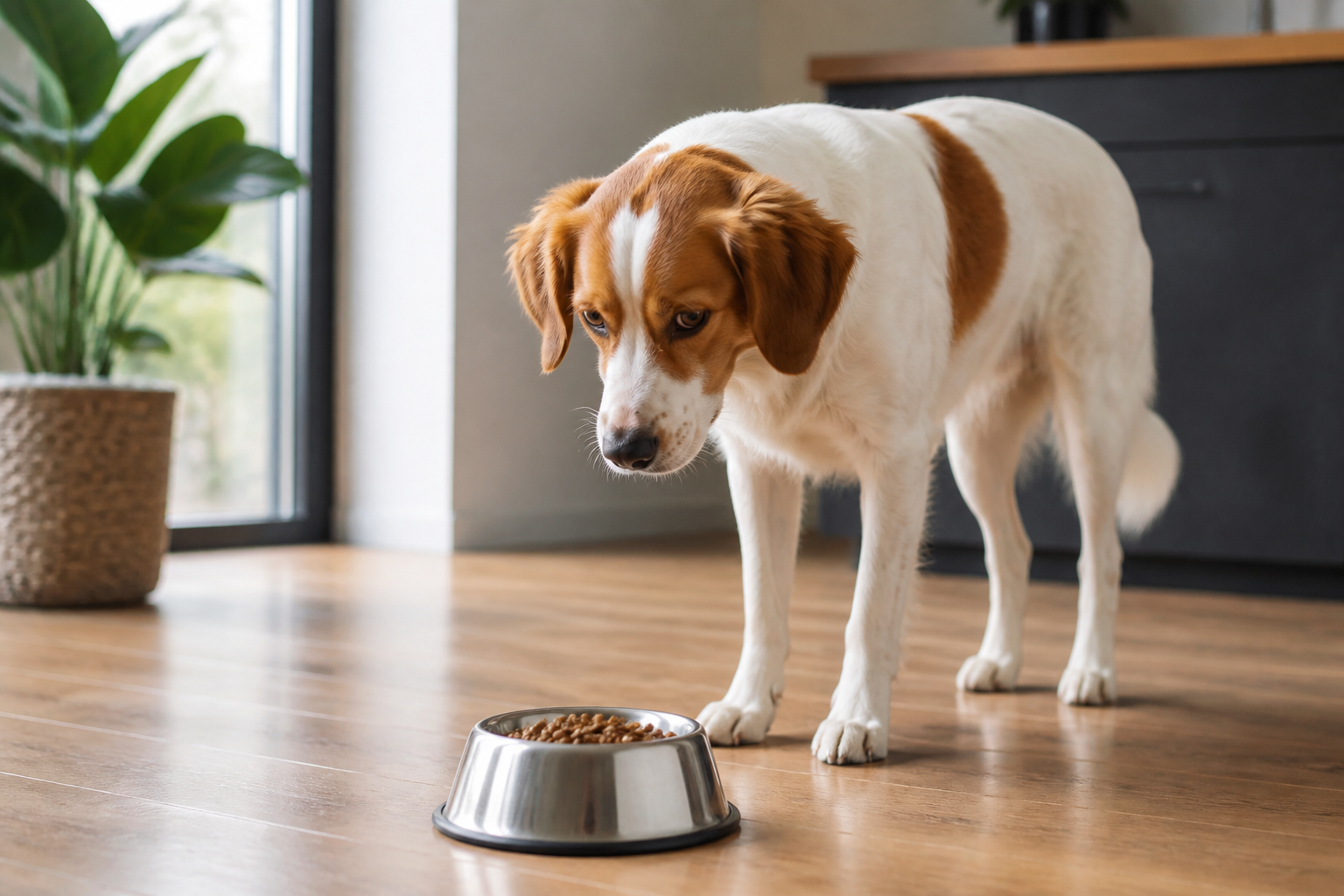
You hear the familiar sound of kibble hitting the ceramic bowl. Usually, your dog is at your heels before the bag is even closed. Today, they sniff the air, look at the bowl, and walk back to the couch. It is a confusing and often worrying moment for any pet owner. At BaxterBoo, we talk to people every day who are facing this exact situation. This sudden change in behavior can stem from many different sources. It might be a simple preference for a new flavor. It could also be a sign of an underlying health issue. This guide will help you identify why the bowl is staying full. We will explore medical causes, behavioral shifts, and practical ways to get your dog excited about mealtime again.
Is It a Health Issue or a Picky Habit?
Quick Answer: A dog may stop eating dry food due to dental pain, sensory loss from aging, or spoiled fats in the kibble. Sometimes they are simply holding out for high-value treats or table scraps they prefer over plain dry food.
Before you assume your dog is just being stubborn, you must rule out physical discomfort. If a dog is hungry but refuses to eat, something is usually blocking that natural drive. A healthy dog with a strong appetite does not typically walk away from a meal without a reason.
You should monitor your dog for other changes in their daily life. Are they still drinking water? Are they excited about their favorite toys? If they refuse their meal but still beg for pieces of your steak, the issue might be behavioral. However, if they refuse all food and seem lethargic, a veterinary visit is the necessary first step.
Common Medical Reasons for Kibble Refusal
Medical issues are the most frequent cause for a sudden change in eating habits. Many conditions make the act of eating dry food difficult or unappealing.
Dental Pain and Oral Disease
Dry kibble is hard. It requires significant pressure to break down each piece. If your dog has a cracked tooth or inflamed gums, that pressure causes sharp pain. Dogs are experts at hiding discomfort. They might want to eat but find the physical process of crunching too much to handle.
Look for these signs of oral pain:
- Dropping pieces of food after picking them up
- Chewing only on one side of the mouth
- Excessive drooling or pawing at the face
- Unusually bad breath
Vet Tip: Oral health issues can quickly escalate into systemic infections. If you notice red gums or broken teeth, consult your vet. Our dog healthcare collection includes dental care products to help support your pet's oral-care routine.
Digestive Upsets and Nausea
If your dog has a mild stomach bug, they may associate their dry food with feeling unwell. This is called a taste aversion. Even after they feel better, the smell of that specific kibble might trigger a sense of nausea. Chronic issues like kidney disease or liver problems can also cause a general loss of appetite. These conditions often make a dog feel "off" consistently, making a large bowl of dry food seem overwhelming.
Sensory Decline in Senior Pets
As dogs age, their bodies change in ways that impact how they experience food. A senior dog might not be "picky" in the traditional sense. They may simply be unable to perceive their food the way they once did.
The sense of smell is the primary driver of appetite for dogs. As seniors, their olfactory receptors can lose sensitivity. If they cannot smell the meat and fats in the kibble, the food tastes like cardboard. Senior dogs also produce less saliva. Dry food requires saliva to move through the throat comfortably. Without it, the kibble feels scratchy and difficult to swallow.
Key Takeaway: Aging affects a dog's ability to smell and swallow dry food. Adding moisture or choosing highly aromatic brands like Stella & Chewy's can help bridge this gap for older pets.
Food Quality and Storage Issues
Sometimes the problem is not with the dog, but with the food itself. Dry food contains fats and oils that keep the kibble together and provide flavor. These fats are prone to oxidation once the bag is opened.
If a bag of food sits in a warm garage or is left unsealed, those fats go rancid. To a human, the food might look fine. To a dog with a sense of smell thousands of times stronger than ours, it smells spoiled. Most kibble is only truly fresh for about three to four weeks after the seal is broken.
Check these food storage factors:
- Is the food past its expiration date?
- Is the bag stored in a cool, dry place?
- Do you use an airtight container?
- Has the recipe recently changed?
If you suspect the food has spoiled, try opening a fresh, small bag of the same brand. If they eat the fresh food immediately, your storage method likely needs an upgrade. We recommend keeping the food inside its original bag and placing that bag inside an airtight bin. This provides a double barrier against oxygen and moisture. For more storage guidance, read how long dry dog food stays fresh once opened.
The "Something Better" Syndrome
We love our pets, and we often show that love through treats. However, your dog is a fast learner. If they realize that refusing kibble leads to a topping of wet food or a piece of cheese, they will wait. This is a behavioral loop.
If your dog is holding out for something better, they will usually appear alert and interested in your own food. They are not acting sick. They are acting strategic. To break this habit, you must be consistent. Offer the food for twenty minutes. If they do not eat, pick it up and do not offer treats until the next scheduled mealtime. Most healthy dogs will not starve themselves and will return to their kibble once they realize the "bonus" food is not coming.
Practical Ways to Reintroduce Dry Food
If you have ruled out medical issues with your vet, you can use several techniques to make the bowl more attractive. You do not always need to switch brands entirely. Sometimes a few small adjustments make all the difference.
Use Hydration to Boost Aroma
Heat and moisture are your best tools for a reluctant eater. Dry food does not release much scent when it is cold and hard.
Step 1: Add a splash of warm water or low-sodium bone broth to the bowl.
Step 2: Let it sit for a few minutes to soften the outer layer of the kibble.
Step 3: Stir the mixture to create a light gravy that coats every piece.
The warm water releases the fat molecules into the air. This creates a much stronger aroma that can jump-start a dog's appetite. Brands like Open Farm and Caru offer high-quality broths specifically designed for this purpose.
Mix in High-Quality Toppers
Sometimes a "bridge" is needed to get a dog back to their regular diet. Toppers add texture and a punch of flavor without requiring a total diet change. You can use freeze-dried raw nuggets, such as those from Stella and Chewy's or Vital Essentials. Crumble them over the top of the kibble. The dust coats the dry pieces and makes them taste like a high-value treat.
Bottom line: Enhancing the smell and texture of kibble with warm liquids or freeze-dried toppers is often enough to overcome minor pickiness. You can also explore our freeze-dried food collection for additional options.
When to Contact Your Veterinarian
While many cases of kibble refusal are behavioral or age-related, some require professional help. You should never let a dog go without food for more than 24 to 48 hours. This is especially true for small breeds or senior dogs who can suffer from low blood sugar quickly.
Contact your vet immediately if you notice:
- Significant weight loss in a short period
- Vomiting or persistent diarrhea
- Yellowing of the eyes or gums
- Extreme lethargy or hiding
If your vet determines that your dog needs a specialized diet for a health condition, our pet pharmacy is here to help. These diets are specifically formulated to support dogs with kidney disease, food allergies, or digestive sensitivities. Getting a prescription through us is simple and ensures your dog gets exactly what the vet ordered delivered to your door.
Conclusion
Seeing your dog turn away from their food is stressful. However, by looking at their health, their environment, and the food itself, you can usually find a solution. Whether it is a quick dental check or a more airtight storage container, most dogs can be coaxed back to a healthy routine. We are committed to helping you navigate every stage of your pet's life with expert advice and the best products.
- Check the freshness of your current food bag.
- Rule out dental pain with a quick look at their gums.
- Try adding warm water or a flavorful topper.
- Consult your vet for any persistent lack of appetite.
For dogs needing extra support, consider our Autoship programme. It ensures fresh food arrives right when you need it so you never have to worry about old kibble sitting in the pantry. You can also earn rewards on every bag through the MVP Rewards programme.
FAQ
Why did my dog stop eating their dry food but still wants treats?
This is usually a sign of a behavioral preference or "pickiness." Treats are higher in fat and salt, making them much more appealing than plain kibble. If your dog is acting normally otherwise, they are likely holding out for the more flavorful option. Try reducing treat intake to see if their appetite for regular food returns.
Can a dog suddenly become allergic to their dry food?
Yes, dogs can develop food sensitivities at any age, even after eating the same brand for years. Common symptoms include itchy skin, chronic ear infections, or digestive upset. If your dog seems uncomfortable after eating, talk to your vet about a limited ingredient diet or a prescription allergy formula from our pharmacy.
How do I know if my dog's kibble has gone bad?
Check for a sour or "paint-like" smell, which indicates that the fats have gone rancid. You might also notice a dusty or oily film on the inside of the bag. If the kibble feels soft or lacks its usual crunch, it has likely absorbed too much moisture and should be replaced. For additional guidance, read does dry dog food go bad?.
Is it okay to mix wet food with dry food forever?
Mixing wet and dry food is a great way to provide variety and extra hydration. Many owners do this long-term to keep their dogs interested in their meals. Just be sure to adjust the total caloric intake so your dog does not gain excess weight. We carry a wide variety of premium wet foods from brands like Tiki Dog and Ziwipeak that pair perfectly with kibble. For more perspective, read should dogs eat dry or wet food?.






