
 Save 15% on your 1st Autoship learn more

 Email us
 Live Chat
 FAQs
FAQs





Introduction
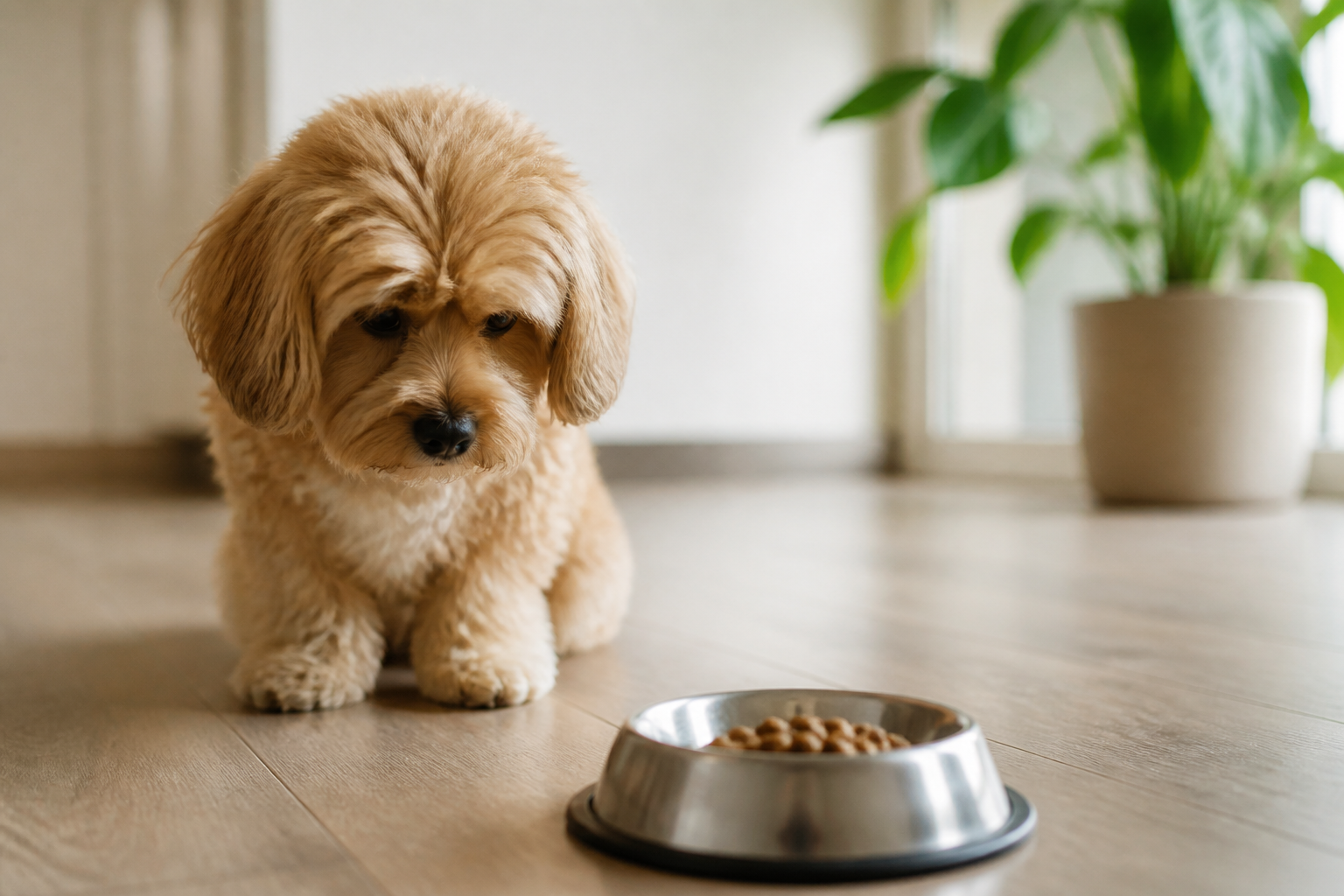
You fill the bowl with high quality kibble and set it down. Your dog walks over, takes a single sniff, and then looks up at you with a mournful expression. This moment is a common source of frustration for many pet owners. You know the food is nutritious, but your dog seems to think it is little more than cardboard.
At BaxterBoo, we talk to pet parents every day who are dealing with this exact struggle. Whether it is a sudden change in habit or a lifelong picky streak, there is always a reason behind the refusal. This post covers the medical, behavioral, and environmental factors that affect your dog's appetite. We will also provide practical tips to make mealtimes more exciting. Understanding why your dog avoids the bowl is the first step toward finding a solution that works for everyone.
Common Medical Reasons for Kibble Refusal
When a dog suddenly stops eating dry food, your first priority should be their physical health. Dogs are masters at hiding discomfort. A refusal to eat hard food is often a silent signal that something is wrong.
Dental Pain and Oral Health
The most common medical reason for avoiding dry food is dental distress. Dry kibble is very hard. It requires significant pressure to crunch. If your dog has a broken tooth, an abscess, or inflamed gums, that pressure causes sharp pain. You might notice your dog trying to eat a piece of kibble, dropping it, and then walking away. They want to eat, but the act of chewing is too difficult.
Gastrointestinal Issues
An upset stomach makes any food look unappealing. This is especially true for calorie dense dry food. If your dog is dealing with nausea, acid reflux, or a minor stomach bug, they may reject their meal. They might still accept a high value treat because it is small and enticing. However, a full bowl of dry food feels like too much for a sensitive stomach to handle.
Underlying Systemic Illness
Loss of appetite is a primary symptom for many health conditions. Issues with the kidneys, liver, or heart can make a dog feel generally unwell. When a dog feels "off," they often lose interest in their standard diet. This is usually accompanied by other signs like lethargy or changes in water consumption.
Vet Tip: If your dog has not eaten anything for 24 hours, or if they are also refusing water, contact your veterinarian immediately. A sudden loss of appetite combined with vomiting or diarrhea requires a professional exam to rule out serious conditions.
Behavioral Factors and Picky Eating
If your veterinarian gives your dog a clean bill of health, the issue is likely behavioral. Dogs are very observant. They learn quickly how to get what they want from their owners.
Holding Out for Better Options
Dogs are smart. If they know that refusing kibble eventually leads to a topping of grilled chicken or a spoonful of wet food, they will wait. By skipping their dry food, they are training you to provide something better. This is often called "the waiting game." If your dog looks healthy and has plenty of energy but turns their nose up at the bowl, they might just be holding out for a premium upgrade.
Too Many Treats and Scraps
It is easy to lose track of how many treats a dog gets throughout the day. If your dog receives multiple biscuits, training treats, and bites of your dinner, they simply may not be hungry. Their daily caloric needs might already be met by the time dinner rolls around.
Stress and Environmental Changes
Dogs thrive on routine. A change in the household can disrupt their eating habits. This includes moving to a new home, a new family member, or even a change in where you place the food bowl. Some dogs are "social eaters" and will only eat when their family is in the room. Others are "closet eaters" and need complete privacy to feel safe enough to eat.
Key Takeaway: Picky eating is often a learned behavior. If you consistently offer "bribes" to get your dog to eat, you may be reinforcing their refusal of plain dry food.
Food Quality and Storage Issues
Sometimes the problem is not with the dog, but with the food itself. Dry food does not stay fresh forever. Once a bag is opened, the clock starts ticking. If you want a deeper look at spoilage signs, our dry dog food freshness guide is a helpful next step.
Rancidity and Oxidation
Dry dog food contains fats and oils. When these are exposed to air, they begin to oxidize and turn rancid. You might not be able to smell it, but your dog's nose is thousands of times more sensitive than yours. If the fat has spoiled, the food will taste bitter or "off." This is a common reason why a dog might eat the first half of a bag but refuse the second half.
Storage Mistakes
Many people pour their dog's food out of the bag and into a plastic bin. This can actually cause the food to spoil faster. The original bags are designed to keep out moisture and light. Furthermore, plastic bins can develop a buildup of old fats in the scratches of the plastic. This old fat can contaminate the new food.
Ingredient Quality
Not all kibble is created equal. Some lower quality brands use heavy fillers and artificial flavorings that are not very palatable. If the food lacks a strong meat based aroma, your dog may find it boring. Switching to a brand with high quality proteins can sometimes solve the problem instantly.
Quick Answer: Your dog likely avoids dry food because of dental pain, boredom, or food that has gone stale. Adding a topper or warm water can often increase the appeal and aroma of the meal.
How to Make Dry Food More Appealing
You do not always have to switch to an entirely new diet. Small adjustments can make the current kibble much more enticing. Our dog food topper collection is a practical place to compare add-ins.
Add Warm Water or Broth
Adding a splash of warm water to the bowl does two things. First, it softens the kibble, which is helpful for dogs with minor dental sensitivity. Second, the heat releases the aroma of the fats and proteins in the food. A more fragrant meal is always more tempting to a dog. You can also use a dog-safe bone broth. Ensure the broth contains no onions, garlic, or excessive salt.
Use Healthy Toppers
A little bit of variety goes a long way. You can mix in a small amount of wet food, plain Greek yogurt, or a cooked egg. The key is to mix it thoroughly so the dog cannot simply pick out the "good stuff" and leave the kibble behind.
Increase Physical Activity
A tired dog is a hungry dog. If your dog is not very active, they may not have a strong drive to eat. Try scheduled play sessions or a long walk about thirty minutes before mealtime. The physical exertion stimulates the metabolism and creates a natural sense of hunger.
Bottom line: Enhancing the smell and texture of kibble is the most effective way to encourage a reluctant eater.
Managing the Senior Dog's Appetite
As dogs age, their needs and abilities change. A senior dog who has eaten dry food for ten years may suddenly decide they no longer like it. For more context on older pets and texture preferences, our senior dog food blog post can help.
Decreased Sense of Smell
A dog’s sense of smell is their primary way of experiencing food. As they get older, this sense can dull. If they cannot smell the food, they may not realize it is time to eat. Adding highly aromatic toppers like canned sardines (in water) or specialized senior wet foods can help bridge this gap.
Digestion and Metabolism
Older dogs often have slower digestive systems. They may feel full for longer periods. Additionally, some senior dogs develop sensitivities to certain ingredients. If the dry food makes them feel bloated or gassy, they will start to associate the bowl with discomfort.
The Need for Prescription Diets
Many senior dogs manage chronic conditions like kidney disease or joint issues. Our pet pharmacy for dogs offers a wide range of prescription pet foods through our partnership with Pet's Choice. These diets are specifically formulated to support health needs while remaining palatable for older pets. If your vet recommends a specific diet for a medical condition, the pharmacy can help you fulfill that prescription easily.
Strategic Feeding Habits
Sometimes the "how" is just as important as the "what." Changing your feeding routine can break the cycle of picky behavior.
The 15 Minute Rule
Put the food bowl down and leave the room. If the dog has not started eating within 15 minutes, pick the bowl up and put it away. Do not offer treats or table scraps until the next scheduled mealtime. This teaches the dog that food is only available at certain times. It creates a "use it or lose it" mentality that often overcomes pickiness.
Stop the Scraps
If you are feeding your dog from the table, stop immediately. Human food is much more flavorful than dog food. If they think there is a chance of getting a piece of steak, they will never be interested in their kibble. Commit to a "no human food" rule for at least two weeks to reset their palate.
Use Puzzle Feeders
Some dogs are bored by the bowl. They have a natural instinct to work for their food. Using a puzzle toy or a snuffle mat turns mealtime into a game. This mental stimulation can make the act of eating dry food much more rewarding.
When to Switch Foods Completely
If you have tried toppers, routines, and medical checks, it might be time for a change. Not every food is right for every dog. If you are comparing new textures, our freeze-dried dog food article is a useful place to start.
Transitioning Slowly
Never switch foods overnight. This causes significant GI upset. Follow this schedule for a smooth transition: Step 1: Mix 25 percent of the new food with 75 percent of the old food for three days. Step 2: Increase to a 50/50 mix for the next three days. Step 3: Move to 75 percent new food and 25 percent old food for the final three days. Step 4: Offer 100 percent of the new food.
Choosing the Right Texture
Some dogs prefer specific kibble shapes or sizes. Small breeds often struggle with large chunks. Conversely, large breeds may find tiny pellets unsatisfying. Look for brands like Farmina or NutriSource that offer different kibble sizes tailored to your dog's specific needs.
Considering Semi-Moist or Air-Dried Options
If your dog truly hates traditional kibble, consider an air-dried or freeze-dried food. These options have the convenience of dry food but the texture and aroma of fresh meat. Brands like Stella & Chewy's offer highly palatable alternatives that many picky dogs find irresistible.
Supporting Your Dog's Health and Wellness
At BaxterBoo, we believe that a healthy dog starts with a healthy gut. If your dog's lack of appetite is tied to ongoing health challenges, we have the resources to help.
Our MVP Rewards programme allows you to earn points on every bag of food or topper you buy. This makes it more affordable to experiment with different high quality brands. If your dog requires ongoing support for joint health or skin allergies, our Medical and Mobility section carries trusted supplements from brands like Cosequin and Zesty Paws.
For those dogs with chronic conditions, remember to utilize our pharmacy services. Through our partnership with Pet's Choice, we provide a streamlined way to get the FDA-approved medications and prescription diets your vet has ordered. This ensures your dog gets exactly what they need to feel their best and return to a healthy weight.
Conclusion
A dog refusing dry food is a challenge, but it is rarely a permanent problem. Start by ruling out dental pain or illness with your veterinarian. Once health issues are cleared, focus on making the food more enticing through temperature and aroma. Stick to a firm routine and limit the extra treats that spoil their appetite.
Key actions to take:
- Check the freshness of your current kibble bag.
- Add warm water or a dog-safe broth to release aromas.
- Rule out dental pain or GI distress with a vet visit.
- Maintain a strict feeding schedule without table scraps.
Bottom line: Patience and consistency are your best tools for helping a picky eater enjoy their dry food again.
For those looking to save time and money, consider signing up for our Autoship programme. You will receive savings on your orders and ensure your dog never runs out of their favorite fresh food.
FAQ
Is it okay if my dog only eats wet food and refuses dry food?
Wet food is a perfectly healthy choice as long as it is a complete and balanced formula for your dog's life stage. It provides excellent hydration and is often more palatable for picky eaters or senior dogs. However, wet food does not offer the same dental scraping benefits as dry kibble, so you may need to be more diligent with their tooth brushing routine.
How long can a dog go without eating their dry food?
A healthy adult dog can typically go 24 to 48 hours without eating before it becomes a major medical concern. However, you should never let a dog go that long without seeking advice from a veterinarian, especially if they are small, young, or have underlying health issues. If they are refusing both food and water, this is an emergency.
Can I mix human food like chicken or rice into the kibble?
Yes, you can mix in plain, boiled chicken or white rice, but these should be used as temporary toppers rather than the main meal. These additions lack the complete vitamin and mineral profile found in balanced dog food. Ensure that any human food you add is free of seasonings, oils, onions, and garlic.
Does dry dog food go bad in the bowl?
Yes, dry food can go stale or attract pests if left out for too long. Once kibble is exposed to the air, the fats begin to oxidize. It is best to put the bowl down for 20 to 30 minutes and then remove any uneaten portions. This keeps the food fresh and helps establish a healthy feeding routine for your dog.






