
 Save 15% on your 1st Autoship learn more

 Email us
 Live Chat
 FAQs
FAQs





Introduction
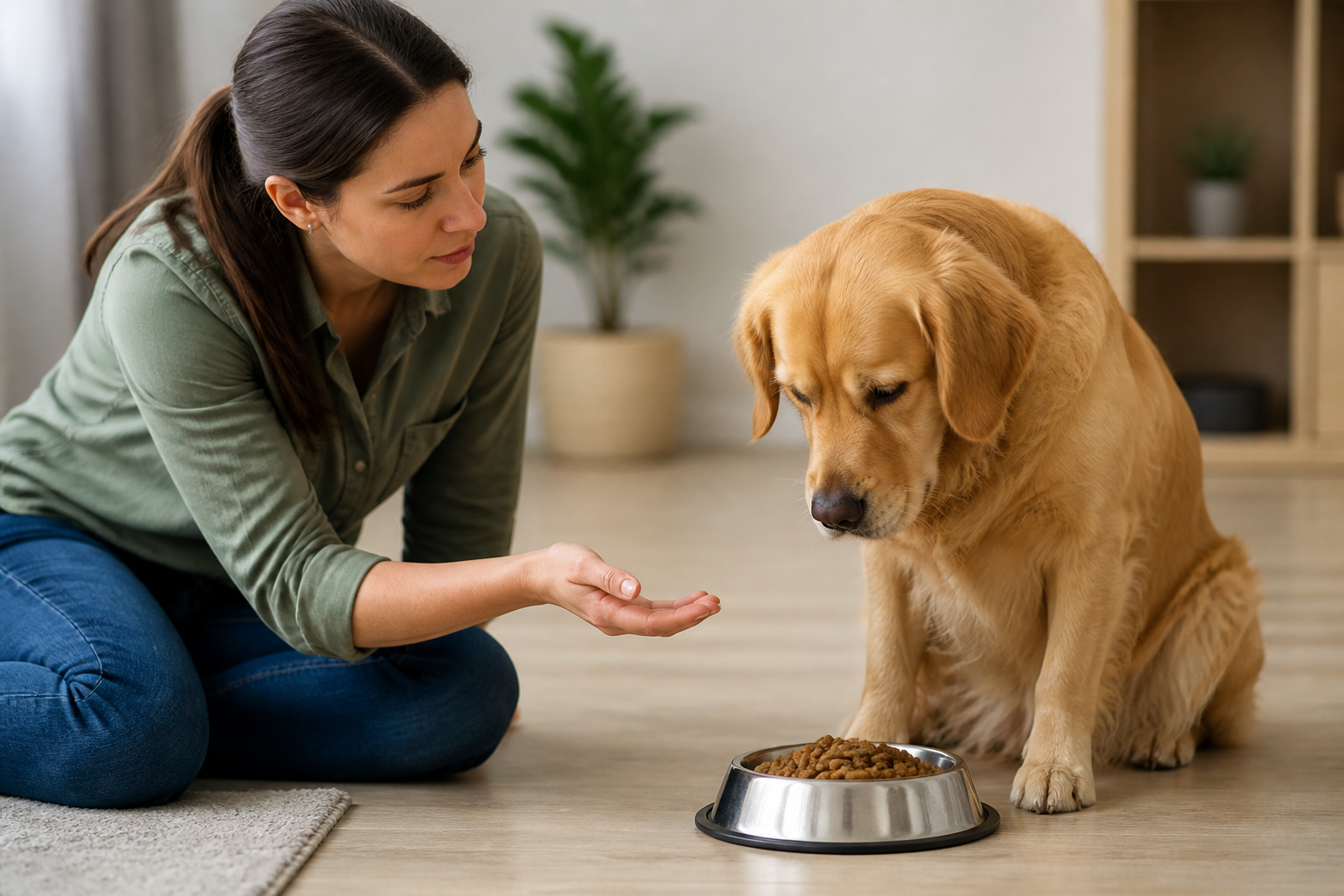
It is a common scene for many pet owners. You fill the bowl with high quality kibble. You hear the familiar sound of the ceramic hitting the floor. But instead of the usual crunching, there is only silence. Your dog sniffs the bowl, looks up at you with sad eyes, and walks away. This behavior is frustrating and worrying. At BaxterBoo, we have helped pet parents navigate these mealtime struggles since 2006. We know that a dog refusing their dry food is often a puzzle with several possible pieces. This post covers the medical, behavioral, and environmental reasons your pup might be snubbing their bowl. We will also provide practical steps to get them excited about dinner again. Understanding the root cause is the first step toward a healthy, well-fed dog.
Common Medical Reasons for Refusing Dry Food
The first step is always to rule out health problems. If a dog suddenly stops eating something they previously loved, it often signals discomfort. Dry food is hard. It requires significant jaw strength and healthy teeth to crunch. If your dog is experiencing any oral pain, that bowl of kibble can look like a bowl of rocks.
Dental issues are the most frequent medical culprit. Dogs can suffer from broken teeth, infected gums, or loose molars. You might notice your dog sniffing the food and acting hungry. They may even pick up a piece of kibble and drop it immediately. This often means they want to eat, but the act of chewing is painful. Check their gums for redness or swelling. Look for any bleeding or a foul smell coming from the mouth. For more context, read about how dental health can affect a dog's food choices.
Digestive upsets are another major factor. Just like humans, dogs do not want to eat a heavy meal when their stomach hurts. Gastrointestinal issues can range from simple gas to more serious conditions like pancreatitis. If your dog is also showing signs of lethargy, vomiting, or diarrhea, the refusal to eat is likely part of a larger illness.
Vet Tip: If your dog has not eaten for more than 24 hours, or if they are refusing both food and water, contact your veterinarian immediately. Sudden changes in appetite often require a professional exam to rule out underlying conditions like kidney disease or infection.
Our pharmacy carries FDA-approved medications through our partnership with Pet's Choice. If your vet prescribes dental antibiotics or digestive support, you can manage those needs easily. Addressing the medical root cause is essential before trying to fix the behavior with toppers or treats.
Behavioral Factors and Stress
Dogs are creatures of habit. They thrive on a predictable schedule. Any change to their environment can cause stress. This stress often manifests as a lack of appetite. If you have recently moved to a new home, your dog may feel too anxious to eat. Even small changes can have an impact. A new baby, a different roommate, or even a loud construction project next door can disrupt their peace. You can also read why some dogs become selective about their meals.
Separation anxiety also plays a role. Some dogs are social eaters. They feel vulnerable when eating and prefer to have their pack nearby. If you feed your dog and then immediately leave for work, they may associate the food with your departure. You might find that they leave the bowl full all day. Then, they eat the entire meal the second you walk through the door.
Boredom is another possibility. While many dogs are happy to eat the same meal for years, some have a high drive for novelty. This is known as neophilia. These dogs might eat a new brand of food with gusto for a week. Then, they suddenly lose interest once the novelty wears off. They are not necessarily sick. They are just looking for a more interesting sensory experience.
Key Takeaway: Stress and anxiety can shut down a dog's hunger signals. Identify any recent changes in your household and try to create a calm, consistent feeding environment.
Signs Your Dog Might Be Stressed
- Pacing or whining around mealtime.
- Eating only when you are in the same room.
- Taking food from the bowl and moving it to a rug or hidden spot.
- Ignoring food when there are loud noises or new people nearby.
The "Treat Trap" and Picky Eating
One of the most common reasons a dog refuses dry food is simple. They are holding out for something better. Dogs are incredibly smart. They learn your patterns quickly. If they refuse their kibble and you immediately offer a piece of cheese or a spoonful of wet food, you have taught them a lesson. You have taught them that stubbornness leads to a reward.
This is often called the "treat trap." If your dog gets many high-value treats throughout the day, they may not be truly hungry at dinner. Table scraps are even more problematic. Human food is usually higher in fat and salt than dog food. It smells much stronger. Once a dog gets used to the flavor of roasted chicken or bacon, plain dry kibble seems boring by comparison.
Weight management is also a factor. If your dog is not eating but is still maintaining or gaining weight, they are getting enough calories elsewhere. You might not realize how many calories are in those small bites from the table. At BaxterBoo, we recommend keeping treats to less than 10 percent of your dog's total daily intake. This ensures they stay hungry for their balanced meals. If you need to compare formulas, browse our dog food category.
How to Identify a Picky Eater
- They refuse dry food but eagerly eat treats or human food.
- They wait by the table during your dinner instead of eating their own.
- They sniff the bowl and look at you expectantly.
- They have plenty of energy and show no signs of physical illness.
Issues with the Food Itself
Sometimes the problem is not the dog. It is the food. Dry food can go stale or spoil. Once you open a bag of kibble, the fats inside begin to oxidize. This happens faster if the bag is stored in a warm or humid area. Most dry food stays fresh for about three to four weeks after opening. If you buy a massive bag for a small dog, the food at the bottom may smell rancid to them long before you finish it. For additional storage guidance, see how long opened dry dog food can stay fresh.
Dogs have a much more sensitive sense of smell than we do. They can detect mold or spoilage that is invisible to the human eye. If your dog suddenly refuses a bag of food they normally like, check the expiration date. Smell the food yourself. If it has a chemical or "off" odor, it is time to toss it. Always store kibble in its original bag inside an airtight container. This provides a double barrier against air and moisture.
The quality of ingredients also matters. Some budget brands use high amounts of fillers and artificial flavorings. These may not be as palatable as premium options. We carry expert-picked brands like Farmina, Acana, and Orijen. These brands focus on high meat content and natural aromas. Switching to a higher quality food with better protein sources can often solve the problem of a snubbed bowl.
Key Takeaway: Always check the freshness and storage of your dry food. Stale or rancid fats can make kibble taste bitter and smell unappealing to a dog.
Practical Solutions to Encourage Eating
If you have ruled out medical issues, you can start making the food more enticing. You do not always need to switch brands. Small adjustments to the texture and aroma can make a big difference. You can also compare dry and wet dog food options when deciding which texture may work best.
One of the easiest methods is adding warm water. This does two things. First, it softens the kibble. This is great for senior dogs or those with minor dental sensitivity. Second, the heat releases the natural oils and aromas in the food. It makes the meal smell much stronger. Let the food soak for about ten minutes before serving. This creates a simple gravy that many dogs find irresistible.
You can also use healthy toppers. A spoonful of plain canned pumpkin or unsweetened Greek yogurt can add enough variety to get them started. We also recommend products like Stella & Chewy's Chicken Meal Mixers Dog Food Topper. These are freeze-dried raw pieces that you can crumble over the kibble. It adds a punch of real meat flavor without needing to switch to an entirely wet diet.
Step-by-Step: Reintroducing Kibble
Step 1: Set a strict schedule. / Feed your dog at the same time every day. Step 2: Use the 15-minute rule. / Put the bowl down for 15 minutes. If they do not eat, pick it up and do not offer food again until the next scheduled meal. Step 3: Cut out all extras. / Stop giving treats and table scraps during this training period. Step 4: Increase exercise. / Take a long walk right before mealtime to help build a natural appetite.
Transitioning to a New Food
If you decide that a brand switch is necessary, do it slowly. A sudden change in diet can cause stomach upset. This will only make your dog more likely to avoid their bowl. A slow transition allows their digestive enzymes to adjust to the new ingredients. For more transition ideas, read how to switch from dry to wet dog food gradually.
Start by mixing a small amount of the new food with the old food. Use a ratio of 25 percent new to 75 percent old for the first few days. Gradually increase the new food while decreasing the old. This process should take about seven to ten days. If your dog picks out the new pieces and leaves the old, they are clearly fans of the new flavor. If they refuse the new food, you may need to try a different protein source, such as switching from chicken to lamb or salmon.
Some dogs prefer specific kibble shapes and sizes. Small breeds often struggle with large, hard nuggets. They may prefer a "small breed" formula with tiny pieces that are easier to manage. Conversely, large dogs may enjoy a bigger kibble that encourages them to chew rather than swallow the food whole. Pay attention to the physical characteristics of the food your dog seems to prefer.
Bottom line: A gradual transition over 7 to 10 days is the best way to introduce a new dry food without causing digestive distress.
Using Enrichment and Puzzles
Sometimes the issue is not the flavor of the food, but the delivery. In the wild, dogs are foragers and hunters. Eating from a static bowl can be boring for high-energy breeds. They might enjoy "working" for their food. This provides mental stimulation and can turn mealtime into a game. For more ideas, explore ways to use dry food for enrichment.
Try using a Kong toy or a snufflemats. You can stuff the kibble inside the toy. This forces the dog to nudge and roll the toy to get the pieces out. Snufflemats allow dogs to use their nose to find hidden kibble in fabric strips. Many owners find that a dog who refuses a bowl will happily eat every single piece of kibble if it is hidden in a puzzle.
This approach is also helpful for dogs that eat too fast once they finally decide to eat. Slow feeders and puzzle toys prevent "scarfing and barfing." They ensure the dog digests the food properly. If your dog seems bored with life in general, changing how you serve their dry food might be the spark they need.
When a Prescription Diet is Needed
In some cases, a dog refuses dry food because their body is reacting poorly to standard ingredients. Allergies and sensitivities are common. These can cause itchy skin or chronic ear infections. They can also cause low-grade nausea that makes the dog avoid their food.
Your veterinarian may recommend a prescription diet. These are formulated to address specific health needs. Some are designed for weight management, while others use hydrolyzed proteins for dogs with severe allergies. Our pharmacy offers these prescription pet foods through our partnership with Pet's Choice.
Prescription diets are often highly palatable because manufacturers know these dogs might be feeling under the weather. If your vet suggests a specific brand like Farmina Vet Life, it is important to stick to it. Do not mix it with other foods or treats unless your vet says it is okay. These specialized diets work best when they are the sole source of nutrition.
Checklist for Transitioning to Prescription Food
- Confirm the prescription with your veterinarian.
- Order through a trusted source like our pharmacy.
- Start the transition slowly, just like any other food change.
- Monitor your dog for improvements in their specific condition.
- Keep a log of their appetite and energy levels.
Maintaining Long-Term Success
Once you find a routine that works, consistency is your best friend. Stick to the same feeding times. Keep the bowl in the same quiet location. Continue to monitor the freshness of your food bags. If you notice your dog starting to slip back into picky habits, evaluate your treat giving. It is easy for those extra snacks to creep back in.
If your dog is a senior, their needs will change over time. They may need a softer kibble or a formula with more joint support. We carry a wide range of supplements like Cosequin that can be added to the diet. Keeping your dog healthy and pain-free is the best way to ensure they keep a robust appetite.
Remember that a healthy dog will not starve themselves. If they are fit, active, and have been cleared by a vet, they will eventually eat. It may take a day or two of "tough love" by removing the bowl, but most dogs will choose the kibble once they realize the steak is not coming. Stay patient and stay consistent.
Summary of Feeding Strategies
Helping a dog who refuses dry food requires a mix of health checks and behavioral discipline. Start by checking their mouth and overall health. Ensure the food is fresh and stored correctly. If the health and food quality are good, focus on your feeding habits. Eliminate table scraps and extra treats. Use warm water or healthy toppers to boost the aroma. If these steps do not work, consider a different protein source or a high-quality brand switch.
Key Takeaway: Success comes from a combination of ruling out pain, ensuring food freshness, and maintaining a disciplined feeding schedule.
Our team is always here to help you find the right solutions for your pet. Whether you need a new puzzle toy to make mealtime fun or a specific supplement to support their health, we have you covered. Visit our medical and mobility section or our pharmacy for specialized needs. We are proud to be your partner in keeping your dog healthy and happy.
FAQ
Why did my dog suddenly stop eating their dry food?
A sudden stop often points to a medical issue or a problem with the food itself. Check for dental pain, such as red gums or broken teeth, and smell the food to ensure it has not gone stale. If your dog is also lethargic or vomiting, you should contact your veterinarian for a checkup.
Can I mix wet food with dry food to make it more appealing?
Yes, mixing a small amount of wet food into the kibble is a great way to add moisture and aroma. Make sure to stir it in well so your dog cannot just pick out the wet pieces. Remember to adjust the total amount of food you serve to prevent overfeeding and weight gain.
How long can a dog go without eating dry food?
Most healthy dogs can go 24 to 48 hours without food as long as they are still drinking water. However, you should not let a puppy or a dog with underlying health conditions go this long without eating. If the refusal lasts longer than a day, it is best to seek veterinary advice to rule out illness.
Is it okay to add human food like chicken broth to my dog's kibble?
You can add chicken broth as long as it is low-sodium and does not contain onion or garlic. These ingredients are toxic to dogs and are often found in human-grade broths. A safer option is to use a broth specifically made for pets or simply use warm water to soften the food.






