
 Save 15% on your 1st Autoship learn more

 Email us
 Live Chat
 FAQs
FAQs





Introduction
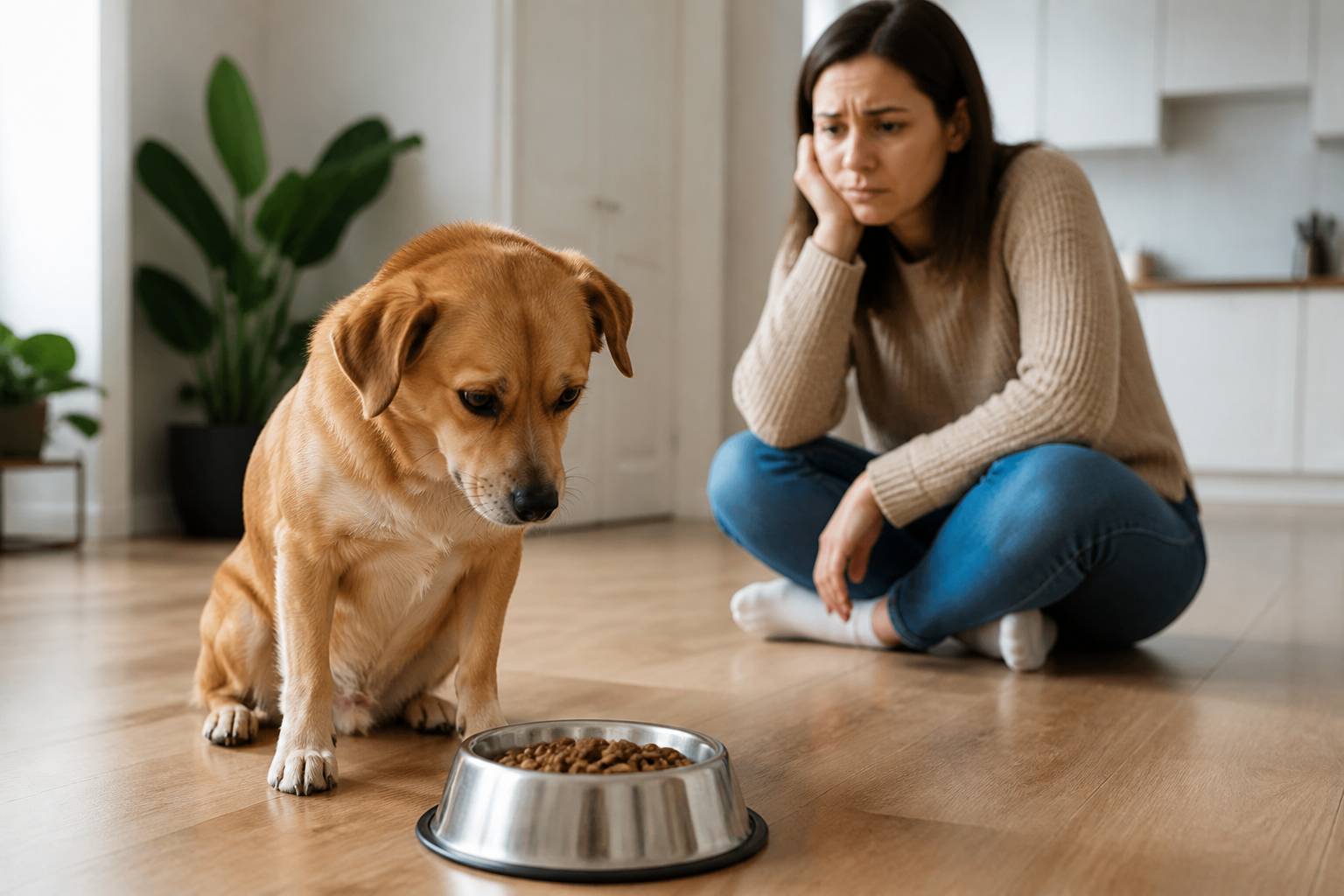
You fill the bowl with the same high quality kibble your dog usually enjoys. You set it down and wait for the familiar sound of crunching. Instead, your dog takes one sniff, looks up at you with sad eyes, and walks away. It is a moment of immediate worry for any pet owner. You start wondering if the food is bad, if your dog is sick, or if they are just holding out for the chicken you had for dinner.
At BaxterBoo, we talk to pet parents every day who are navigating these exact mealtime struggles. We know that a sudden change in appetite can be frustrating. This post covers the common medical, behavioral, and environmental reasons for food refusal. We will also provide practical steps to help your dog get back to their regular eating routine. Understanding the "why" behind their behavior is the first step toward a happy, healthy pup.
Quick Answer: A dog might refuse dry food due to dental pain, digestive issues, or behavioral boredom. It can also happen if they have learned that holding out results in getting high value treats or human table scraps.
Potential Medical Reasons for Food Refusal
Before you assume your dog is just being stubborn, you must rule out physical discomfort. Dogs are experts at hiding pain. A dog that refuses to eat dry food but still shows interest in soft treats might be dealing with oral issues. Dry kibble is hard and requires significant pressure to break down. If a dog has a cracked tooth, an abscess, or inflamed gums, that pressure causes sharp pain.
Dental disease is one of the most frequent reasons dogs turn away from their bowls. Look for signs like dropping food, chewing on only one side of the mouth, or bleeding gums. If the mouth looks healthy, the issue might be deeper in the digestive tract. Nausea from a minor stomach bug or a more chronic condition like pancreatitis can make the smell of dry food unappealing.
In some cases, a systemic health issue like kidney or liver disease can change how a dog perceives the taste and smell of their food. Medications can also have side effects that suppress appetite. If your dog has recently started a new prescription and is now refusing meals, this is a clear sign to call your veterinarian.
Vet Tip: If your dog refuses food for more than 24 hours, or if they show signs like vomiting, lethargy, or diarrhea, please schedule a vet visit. They can perform a physical exam and blood work to rule out underlying illnesses.
Our pharmacy at BaxterBoo offers a wide range of FDA approved medications to help manage chronic health conditions that might affect appetite. Through our partnership with Pet's Choice, we can help you fulfill prescriptions for everything from dental infections to gastrointestinal support. Having access to a trusted pharmacy ensures your dog gets the specific care they need to feel like themselves again.
Behavioral Pickiness and the Treat Trap
Sometimes the problem is not the dog's health, but their habits. Dogs are incredibly smart. They quickly learn the cause and effect of their actions. If your dog refuses their kibble and you immediately offer a piece of cheese or a handful of high value treats, you have just rewarded their refusal.
This is often called the "Treat Trap." Your dog is essentially holding out for a better offer. Breeds like Yorkshire Terriers and Chihuahuas are known for being less food motivated than Labradors. These smaller breeds can easily fill up on a few snacks throughout the day. If treats make up more than 10 percent of their daily calories, they simply may not be hungry when the kibble hits the bowl.
To break this cycle, you have to be consistent. Most trainers recommend the 30 minute rule.
- Step 1: Put the food bowl down at a set time.
- Step 2: Give your dog 30 minutes to eat.
- Step 3: If they do not eat, pick the bowl up and do not offer food until the next scheduled mealtime.
- Step 4: Do not give any treats or table scraps between these meals.
This approach teaches your dog that the food offered is the only food available. Healthy dogs will not starve themselves. Once they realize the "better offer" is not coming, they will usually return to their regular diet.
Key Takeaway: Consistency is the enemy of pickiness. If you stop providing alternatives, most dogs will return to their regular dry food once they are truly hungry.
Checking for Food Freshness and Quality
We sometimes forget that dry dog food is a perishable product. Once you open a bag of kibble, the fats inside begin to oxidize. This process makes the food go stale and, eventually, rancid. While we might not notice a faint change in smell, a dog’s nose is thousands of times more sensitive than ours. They can smell when the fats have turned before the food even looks different to us.
Check the "best by" date on your bag. If the food is past that date, it is time to replace it. Even if the date is fine, how you store the food matters. Leaving the bag open in a humid garage can lead to mold growth or infestations by storage mites.
At BaxterBoo, we carry high quality brands like Farmina, NutriSource, and Open Farm that prioritize fresh, whole ingredients. These brands often use natural tocopherols (Vitamin E) as preservatives. While these are healthier for your dog than synthetic chemicals, they do not last forever. You can compare options in our dog food category.
To keep your dog’s food fresh:
- Keep the kibble in its original bag and place the bag inside an airtight container.
- Store the container in a cool, dry place inside your home.
- Buy bag sizes that your dog can finish within four to six weeks.
- Wash the food bowl daily to prevent bacteria and old oils from building up.
If you suspect the food has gone bad, try opening a fresh, smaller bag of the same brand. If your dog eats the new food immediately, you know the old bag was the problem. For additional guidance, read how long dry dog food stays fresh.
Environmental Stress and Routine Changes
Dogs are creatures of habit. A major change in their environment can easily throw off their appetite. If you have recently moved to a new home, added a new pet, or even just moved the location of the food bowl, your dog might feel too anxious to eat. Helping your dog transition during a move offers additional ideas for maintaining comfort and consistency.
Stress triggers a "fight or flight" response in the body. When a dog is in this state, their digestive system slows down because their body is focused on the perceived threat. Even something as simple as a new, noisy dishwasher near their feeding area can be enough to make a nervous dog avoid their bowl.
Consider the following environmental factors:
- The Bowl Type: Some dogs dislike the sound of their tags clinking against a metal bowl. Others might find a deep bowl intimidating. Try a shallow ceramic dish or a silicone mat.
- Location: Is the bowl in a high traffic area? A busy hallway might be too distracting. Move the bowl to a quiet corner where your dog feels safe.
- Competition: If you have multiple dogs, one might be "guarding" the kitchen or hovering near the other dog's bowl. This can create enough tension that the more submissive dog refuses to eat. Feed your pets in separate rooms to give them peace of mind.
Bottom line: A calm environment is just as important as the food itself for a dog dealing with anxiety or stress.
Making Dry Food More Appealing
If you have ruled out health issues and your dog is still a bit reluctant, you can try making the kibble more enticing. You do not have to switch to an entirely wet diet to get results. Sometimes a little bit of "dressing" is all it takes to jumpstart their appetite.
One of the easiest methods is adding warm water to the kibble. This does two things. First, it softens the texture for dogs who might have minor mouth sensitivity. Second, the heat releases the aromas of the fats and proteins in the food. A dog eats with their nose first. If the food smells stronger, they are more likely to try it. For another approach, see how to wet dry dog food for better digestion and hydration.
You can also use healthy toppers. We carry a variety of options at BaxterBoo, such as Stella and Chewy’s Meal Mixers or The Honest Kitchen’s pour-overs. Browse our dog food topper selection for options that can add flavor without completely replacing balanced kibble.
Other safe additions include:
- Plain Bone Broth: Ensure it is specifically made for dogs and free of onions, garlic, and excessive salt.
- Canned Pumpkin: A spoonful of plain pumpkin (not pie filling) adds fiber and a new flavor.
- A Small Amount of Wet Food: Mix a tablespoon of high quality canned food into the dry pieces so every nugget is coated.
If you find that your dog needs a more specialized diet, our pharmacy and Pet's Choice partnership offer prescription diets like Royal Canin Veterinary Diet or Farmina Vet Life. These are formulated for specific health needs, such as urinary care or skin sensitivities, and often have high palatability to encourage sick dogs to eat.
Steps to Transition Safely
If you decide to try a new brand of dry food, never switch all at once. A sudden change can cause diarrhea and upset stomach, which will only make the food refusal worse. This practical guide for picky eaters covers additional food-selection and transition strategies.
- Days 1-2: Mix 25% of the new food with 75% of the old food.
- Days 3-4: Mix 50% of the new food with 50% of the old food.
- Days 5-6: Mix 75% of the new food with 25% of the old food.
- Day 7: Serve 100% of the new food.
Senior Dogs and Sensory Decline
As dogs age, their bodies go through significant changes that can affect mealtime. Just like humans, a senior dog’s sense of smell and taste can dim. If they cannot smell their food, they often lose interest in eating it.
Senior dogs are also more likely to have underlying issues like arthritis. If their food bowl is on the floor, leaning down to eat can be painful for their neck and front joints. An elevated feeder can make a world of difference for an older dog by bringing the food to a more comfortable height.
Digestive efficiency also decreases with age. Senior dogs may find hard kibble difficult to process, leading to gas or discomfort after eating. They might associate that discomfort with the bowl and start avoiding meals.
We carry supplements like Senilife that are designed to support brain function in aging pets. Cognitive decline can sometimes lead to a dog "forgetting" to eat or becoming confused by their routine. Keeping a senior dog mentally sharp and physically comfortable is key to maintaining their appetite.
Key Takeaway: For senior dogs, the "why" behind food refusal is often a combination of fading senses and physical discomfort.
Managing Weight and Activity Levels
It is possible that your dog is not eating because they simply are not burning enough calories. If a dog sleeps all day and does not get much exercise, their energy requirements are very low. They might eat a full meal one day and then show no interest the next because their body has not used up the stored energy.
Exercise is a natural appetite stimulant. A long walk or a vigorous session of fetch about 30 minutes before mealtime can help prime their system. It builds a healthy "hunger drive" that makes regular kibble much more appealing.
Also, be honest about your dog's weight. Many pet owners are used to seeing overweight dogs and think a dog at a healthy weight looks too thin. If your dog is leaving a little bit of food in the bowl but is maintaining a healthy weight and has plenty of energy, you might just be overestimating how much they need to eat. Check the feeding guidelines on the back of the bag, but remember they are just starting points. Every dog's metabolism is different.
When to Contact the BaxterBoo Pharmacy
If your veterinarian determines that your dog’s lack of appetite is due to a medical condition, we are here to help. Managing a pet with a chronic illness can be overwhelming, but having a reliable source for medication simplifies the process.
Our pharmacy provides FDA approved medications for conditions that commonly cause inappetence, such as:
- Flea and tick preventatives like NexGard or Frontline to prevent blood borne illnesses.
- Prescription heartworm prevention.
- Medications for thyroid issues or kidney management.
- Prescription strength dental gels and rinses.
Because we partner with Pet's Choice, your vet can send prescriptions directly to us. This allows you to manage your dog's food, treats, and medical needs in one place. We handle the verification process with your vet’s office, so you can focus on getting your pup back to full health. While we cannot run ads for these pharmacy items, we want our customers to know that this specialized support is a core part of what we do.
Summary of Practical Steps
Solving a "picky eater" problem takes a mix of investigation and patience. Start by ruling out the most serious causes and then move toward behavioral fixes.
- Check the mouth for red gums, broken teeth, or bad breath.
- Check the food for "best by" dates and signs of spoilage.
- Stop all treats and table scraps for at least one week.
- Use the 30 minute feeding rule to establish a routine.
- Try adding warm water or a healthy topper to boost the aroma.
- Consult your vet if the refusal lasts more than a day or is accompanied by illness.
Providing your dog with high quality nutrition is one of the best ways to ensure a long life together. Whether it is finding the perfect kibble from brands like Acana or Orijen, or managing a health condition through our pharmacy, we are here to support you at every stage.
Bottom line: Most cases of food refusal can be solved by checking food freshness, ruling out dental pain, and sticking to a strict feeding schedule.
FAQ
Why will my dog eat treats but not his dry food?
Treats are often higher in fat and protein than standard kibble, making them taste much better to a dog. If your dog knows that refusing dry food will eventually lead to you giving them treats, they are simply holding out for the better tasting option. To fix this, you must stop all treats until your dog is consistently eating their regular meals again.
Can I leave my dog's dry food out all day?
While "free feeding" is convenient, it is generally not recommended for dogs who are picky. Leaving food out allows the smell to dissipate, making it less appetizing over time. It also makes it harder for you to track exactly how much your dog is eating, which can delay your realization that they are feeling unwell.
Is it safe to add human food to my dog's kibble to make them eat?
You should be very careful with human food, as many common ingredients like onions, garlic, and certain spices are toxic to dogs. Small amounts of plain, boiled chicken or unseasoned green beans are generally safe. However, adding these regularly can reinforce picky behavior and may lead to an unbalanced diet.
How do I know if my dog's dry food has gone bad?
Rancid dry food often has a sour or "paint-like" smell that is different from its usual meaty aroma. You might also notice an oily film on the inside of the bag or the kibble itself appearing darker or damp. If your dog, who usually loves their food, suddenly refuses a brand new bag, it could be a manufacturing issue or spoilage, and the food should be replaced.






