
 Save 15% on your 1st Autoship learn more

 Email us
 Live Chat
 FAQs
FAQs





Introduction
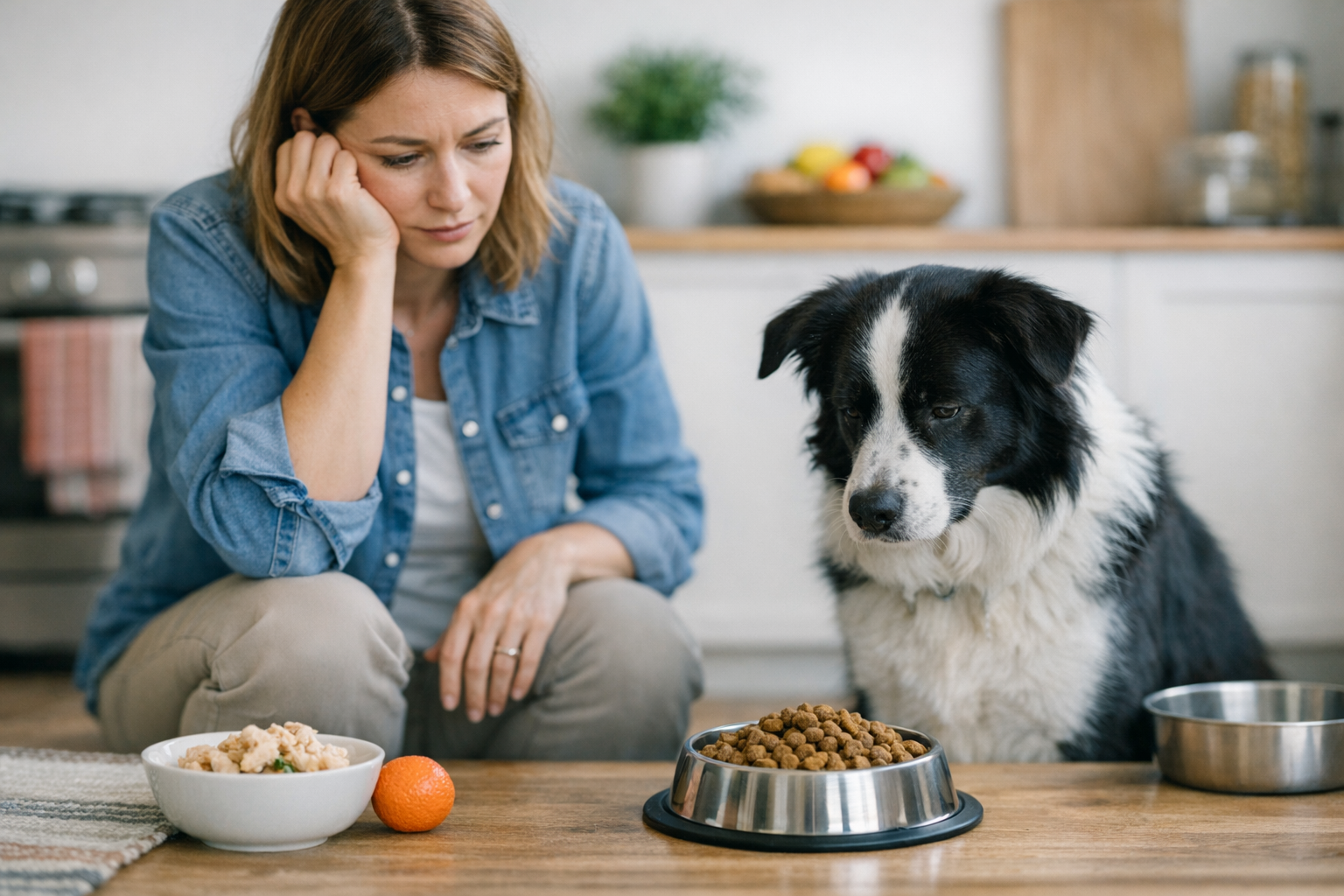
You set the bowl down and the familiar sound of kibble hitting the ceramic echoes through the room. Instead of the usual rush, your dog takes one sniff and walks away. This moment is incredibly stressful for any pet owner. At BaxterBoo, we hear from worried owners every day who wonder if their dog is becoming a picky eater or if something is wrong. A sudden strike against dry food usually has a clear cause. It might be flavor boredom, a change in the environment, or a dental issue that makes crunching painful. This article covers the most common reasons your dog is refusing their kibble and provides practical steps to restore their appetite. Understanding these triggers helps you decide if you need a simple food topper or a visit to the veterinarian.
Quick Answer: A dog may refuse dry food due to dental pain, digestive upset, boredom, or overfeeding with treats. If the refusal is sudden and accompanied by lethargy or vomiting, consult a veterinarian immediately to rule out underlying health issues.
Dental Pain and Oral Health Issues
One of the most frequent reasons a dog stops eating dry food is physical discomfort. Kibble is hard and requires significant jaw pressure to break down. If your dog has a cracked tooth, an abscess, or inflamed gums, that pressure causes sharp pain. You might notice your dog approach the bowl as if they are hungry but then pull back after one bite.
Gum disease is common in dogs that do not receive regular dental cleanings. When bacteria build up under the gumline, it leads to sensitivity and swelling. In these cases, a dog might still eat soft treats or wet food because these options do not require heavy chewing. If you suspect dental pain, look for signs like excessive drooling, bad breath, or favoring one side of the mouth.
Our pharmacy carries dental health supplies and prescription diets designed to support oral hygiene. Through our dog dental care category, we also offer products that can help support better daily oral care. Always have a professional examine your dog's mouth if you notice a sudden change in their ability to chew hard food.
Vet Tip: Check your dog's gums for redness or bleeding. If your dog flinches when you touch their muzzle or has noticeably foul breath, they likely need a professional dental exam to address underlying pain.
The Role of Aging in Appetite Changes
Senior dogs often experience a decline in their senses of smell and taste. Since dry kibble relies on a spray-on fat coating for its aroma, an older dog may find it unappealing if they cannot smell it clearly. When food no longer smells like a delicious meal, they lose the drive to eat.
Aging also brings changes to digestion and joint health. A senior dog with neck or back pain may find it uncomfortable to lean down to a floor-level bowl. This physical strain can make them associate mealtime with discomfort. Furthermore, their metabolism slows down, meaning they simply may not be as hungry as they were in their younger years.
If you have a senior dog, consider these adjustments:
- Use an elevated feeder to reduce strain on the neck and joints.
- Add warm water or a small amount of wet food to enhance the aroma.
- Transition to a senior-specific formula like those from Royal Canin or Farmina.
- Consult your vet about supplements like Senilife or Cosequin to support cognitive and joint health.
Key Takeaway: Senior dogs often refuse kibble because of diminished senses or physical discomfort while reaching the bowl. Making the food smell stronger and raising the bowl can often solve the problem.
Gastrointestinal Upset and Nausea
Sometimes the refusal to eat has nothing to do with the food itself. If your dog has a mild stomach upset or a more serious gastrointestinal issue, they will naturally avoid food. Nausea in dogs can be caused by something as simple as eating grass or as complex as a food intolerance.
If your dog is experiencing nausea, they may lick their lips frequently or drool. They might also show interest in the food initially but then turn away. This is often a protective instinct to avoid making their stomach feel worse. If the refusal is accompanied by diarrhea or vomiting, it is a clear sign that their digestive system is struggling.
In cases of chronic digestive issues, a veterinarian may recommend a prescription diet. Our pharmacy provides these specialized foods and medications to manage ongoing health needs. Brands like Farmina Vet Life offer options specifically for weight management and digestive support.
Behavioral Pickiness and the "Treat Trap"
We love to spoil our pets, but too many treats can lead to a picky eater. If your dog knows that refusing kibble will eventually result in a piece of chicken or a high-value biscuit, they will wait you out. This is a learned behavior where the dog trains the owner to provide better options.
Consider your daily routine. Are family members giving "sneak" treats throughout the day? Those calories add up. A dog that is physically full from treats will not have the drive to eat plain dry kibble. This is especially common in smaller breeds like Yorkshire Terriers or Chihuahuas, which have very low caloric requirements.
To break this habit, you must be consistent.
- Limit treats to no more than 10% of their daily calories.
- Stick to a strict feeding schedule.
- Remove the bowl after 20 minutes if they have not eaten.
- Avoid offering "people food" as a substitute for a missed meal.
Bottom line: If your dog refuses dinner but eagerly eats a biscuit, they are likely holding out for a better offer.
Stress and Environmental Changes
Dogs are creatures of habit. Any disruption to their daily routine can cause anxiety, which often manifests as a loss of appetite. Moving to a new home, the arrival of a new baby, or even a change in your work schedule can throw them off.
Some dogs are "social eaters" and only want to eat when their owners are present. Others may feel vulnerable while eating and will refuse food if there is a new pet or a loud appliance nearby. If the feeding area is in a high-traffic part of the home, your dog might feel too distracted or nervous to focus on their meal.
Try to identify any recent changes in your household. Providing a quiet, consistent place for your dog to eat can help them feel safe enough to relax. If your dog suffers from general anxiety, we carry a variety of calming aids and supplements from brands like Honest Paws and Zesty Paws.
Food Quality and Spoilage
Sometimes your dog is right to refuse the food. Dry kibble contains fats that can go rancid if not stored properly. Once a bag is opened, the clock starts ticking. Exposure to air, heat, and moisture causes the nutrients and flavors to break down.
Most bags of kibble are only fresh for about two to three weeks after opening. If you buy a massive bag for a small dog, the food at the bottom may be stale or even moldy by the time you reach it. Dogs have a sense of smell that is thousands of times more sensitive than ours. They can smell spoilage long before we can. For storage gear that can help, browse our dog food storage collection.
| Feature | Signs of Fresh Food | Signs of Spoiled Food |
|---|---|---|
| Aroma | Mild, meaty, or grainy scent | Sour, paint-like, or chemical smell |
| Texture | Crunchy and dry | Soft, oily, or sticky |
| Appearance | Consistent color | Presence of mold or dark spots |
| Storage | Airtight container in a cool place | Original bag left open in a garage |
Key Takeaway: Always check the "best by" date and store kibble in its original bag inside an airtight container to maintain freshness and prevent fat oxidation.
Effective Solutions to Encourage Eating
If you have ruled out medical issues with your veterinarian, you can start experimenting with ways to make dry food more enticing. The goal is to increase the sensory appeal without reinforcing bad habits. If you want more practical guidance on freshness, our dry dog food freshness guide is a useful place to start.
Step 1: Add Moisture and Warmth
Pouring a bit of warm water or low-sodium bone broth over the kibble is the easiest fix. The heat releases the fats and aromas in the food. Let it sit for a few minutes to soften the texture. This creates a "gravy" that most dogs find much more appealing than dry biscuits.
Step 2: Use High-Quality Toppers
Toppers are a great middle ground between dry and wet food. You do not have to switch their entire diet. Adding a spoonful of Stella and Chewy's freeze-dried raw or a bit of Tiki Cat wet topper can provide the flavor boost they need. Stir it in well so they cannot just pick out the "good stuff" and leave the kibble. For more ideas, our mixing dry dog food with wet guide covers how to do this safely.
Step 3: Increase Exercise
A tired dog is a hungry dog. If your dog has spent the day lounging on the couch, they might not have built up much of an appetite. A long walk or a vigorous session with a Kong toy before mealtime can stimulate their metabolism and make them more interested in their bowl.
Step 4: Try a Puzzle Feeder
Some dogs find traditional bowls boring. Using a puzzle toy or a snuffle mat turns mealtime into a game. This taps into their natural foraging instincts. If your dog is refusing food due to boredom, making them "hunt" for their kibble can provide the mental stimulation they are looking for. If you want to make meals more appealing in another way, our guide to wetting dry dog food is a helpful next read.
When to See a Veterinarian
While a picky phase is common, total inappetence is a medical red flag. If your dog refuses all food, including high-value treats, for more than 24 hours, you should call your vet. This is especially urgent for puppies and senior dogs, who can become dehydrated and weak very quickly.
Be prepared to answer questions about your dog's behavior. Has their water intake changed? Are they lethargic? Have you noticed any changes in their stool? These details help the vet determine if the issue is behavioral or a symptom of a condition like kidney disease or an infection.
At BaxterBoo, we emphasize the importance of professional guidance for health concerns. If your vet prescribes a specific diet or medication to address an appetite issue, our pharmacy for dogs is here to help. We have been operating since 2006 and carry over 500 trusted brands to ensure your pet gets exactly what they need.
Vet Tip: Never try to force-feed your dog or use appetite stimulants without a professional diagnosis. If your dog is also showing signs of weight loss, a vet visit is the only safe next step.
Transitioning to a New Brand
If you decide that your dog truly dislikes their current brand, a slow transition is vital. Suddenly switching foods can cause severe diarrhea and stomach upset. This will only make your dog more likely to avoid their bowl in the future.
Start by mixing a small amount of the new food with the old food. Use a ratio of 25% new food to 75% old food for the first few days. Gradually increase the new food while decreasing the old food over the course of a week. This allows your dog's digestive enzymes to adjust to the new protein and fiber levels.
Consider brands with high palatability like Orijen, Acana, or The Honest Kitchen. These brands use high-quality animal proteins and minimal fillers, which often appeal more to discerning dogs. If your dog has sensitivities, look for limited-ingredient recipes that focus on a single protein source.
Why Quality Matters in Pet Food
Low-quality dry foods often rely heavily on corn, wheat, and soy fillers. These ingredients do not have a strong natural aroma. High-quality brands focus on real meat as the first ingredient. When you choose a brand like NutriSource or PureVita, you are providing a more nutrient-dense meal that smells and tastes better to your dog.
Our experts at BaxterBoo handpick every product we stock. We do not just carry what is popular; we carry what we would feed our own pets. Whether you are looking for grain-free options or life-stage-specific formulas, we provide value without compromising on quality. If you find a brand your dog loves, our Autoship programme is a great way to save. You get a discount on your first order and a free MVP Gold membership. This ensures you never run out of food, so you do not have to make emergency trips for a different brand that might upset your dog's stomach. You can also join our MVP Rewards programme to earn points on future orders.
Summary of Feeding Strategies
Managing a dog that refuses dry food requires patience and a bit of detective work. Start by ensuring the food is fresh and the environment is calm. If the issue persists, look for physical signs of discomfort and consult your veterinarian.
- Check Freshness: Ensure the bag is not expired or rancid.
- Enhance Aroma: Add warm water or a healthy topper.
- Audit Treats: Stop all table scraps and limit biscuits.
- Verify Health: Watch for dental pain or digestive issues.
- Create Routine: Feed at the same time in a quiet location.
Key Takeaway: A dog refusing dry food is usually sending a message about their health, their environment, or the food's quality. Addressing these factors individually is the most effective way to restore their appetite.
Conclusion
Dealing with a dog that refuses to eat can be frustrating, but most cases are resolved with simple adjustments to the routine or the food bowl. By ruling out medical issues first and then focusing on freshness and flavor, you can help your dog enjoy their meals again. Remember to keep treats in check and provide a stress-free environment for feeding. Our team at BaxterBoo is committed to helping you navigate every stage of pet ownership with expert guidance and quality products. If your dog requires a specific health-related diet, visit our pharmacy to see how our partnership with Pet's Choice can support your pet's needs.
Bottom line: Consistency and quality are the two most important factors in maintaining a healthy appetite for your dog.
FAQ
Why does my dog eat treats but refuse their dry food? This is often a behavioral issue where the dog is holding out for something more delicious. Since treats are usually higher in fat and stronger in aroma than kibble, the dog learns that refusing their meal might lead to a reward. Try cutting out all treats for 24 hours to see if their hunger for kibble returns.
Can I mix wet food with dry food every day? Yes, mixing wet and dry food is a great way to add hydration and flavor to your dog's diet. Just be sure to calculate the total calories to avoid overfeeding. If you use this method, stir the food thoroughly so your dog cannot pick out the wet pieces and leave the dry kibble behind.
Is it okay to leave dry food out all day? Leaving food out, or "free-feeding," can actually make a picky eater worse. It removes the sense of urgency and routine around mealtimes. It also allows the food to sit in the open air, which can cause it to go stale faster. It is better to offer the food for 20 minutes and then pick it up until the next scheduled meal.
When is a loss of appetite a medical emergency? If your dog has not eaten for more than 24 hours and is also showing signs of lethargy, vomiting, or a fever, you should seek veterinary care immediately. Puppies and very small breeds are at risk for low blood sugar (hypoglycemia) if they skip meals, so they should be seen even sooner if they refuse to eat.






