
 Save 15% on your 1st Autoship learn more

 Email us
 Live Chat
 FAQs
FAQs





Introduction
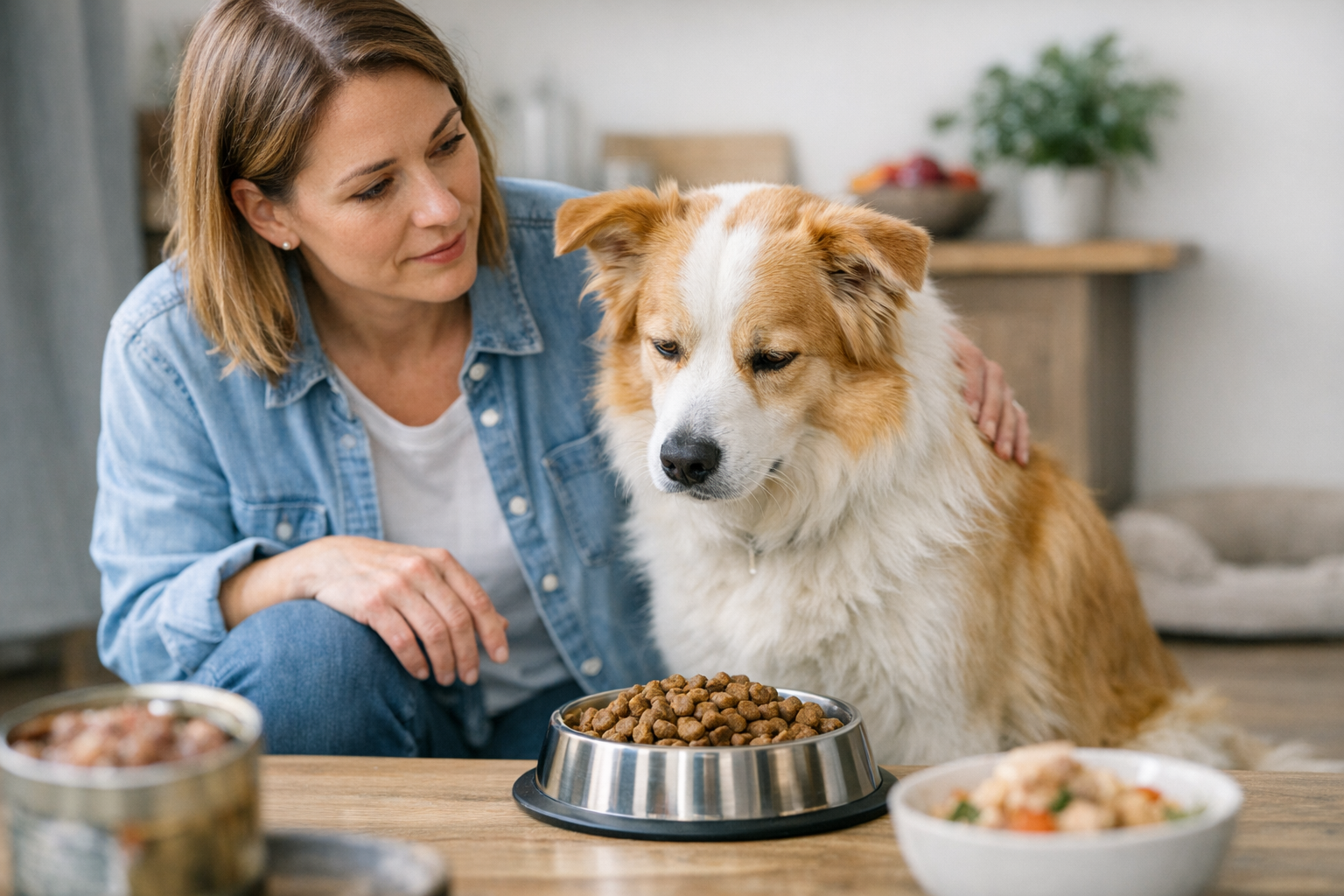
You set the bowl down and hear the familiar clatter of kibble. Your dog walks over, takes one sniff, and turns away. This moment is incredibly stressful for any pet owner. You wonder if they are sick, stubborn, or just bored. At BaxterBoo, we talk to dog owners every day who are navigating these exact worries. It is important to remember that a change in appetite is a form of communication. Your dog is telling you that something in their body, their mind, or their bowl has changed. This post will help you identify the common reasons dogs stop eating dry food. We will cover medical concerns, behavioral habits, and practical tips to get them excited about mealtime again. Our goal is to give you the tools to support your dog's health and happiness.
Quick Answer: Dogs often stop eating dry food due to dental pain, digestive upset, or boredom with the flavor. Behavioral issues, such as waiting for treats or experiencing stress from routine changes, are also common culprits.
Medical Reasons for Appetite Loss
The first step is always to rule out physical discomfort. If a dog who usually loves their food suddenly stops eating, it is often a sign of a health issue. Dogs are excellent at hiding pain. Sometimes a refusal to eat is the only symptom you will see.
Dental and Oral Pain
Dental issues are one of the most frequent reasons dogs reject dry food. Kibble is hard and requires significant chewing force. If your dog has a cracked tooth, an abscess, or inflamed gums, the pressure of crunching down can be painful. You might notice them pick up a piece of food and drop it immediately. They might also chew only on one side of their mouth.
Periodontal disease is common in dogs, especially as they age. Look for red gums, heavy tartar buildup, or very bad breath. If your dog will eat soft treats but rejects hard kibble, their teeth are likely the problem. For more on oral care, our dog dental care collection can be a helpful next stop.
Digestive Issues and Systemic Illness
Sometimes the problem is not the mouth but the stomach. Nausea can make any food unappealing. This might be a temporary upset from scavenging in the yard. It could also be a sign of something more serious like kidney disease, liver issues, or pancreatitis.
If your dog is also lethargic, vomiting, or has diarrhea, these are red flags. Systemic illnesses often cause a gradual or sudden drop in appetite. In these cases, the refusal to eat is a secondary symptom of a larger problem. If you want a deeper look at appetite and hydration, our guide to wet and dry dog food is a useful related read.
Vet Tip: If your dog refuses to eat for more than 24 hours, or 12 hours if they are also vomiting, contact your veterinarian. They can perform blood work or X-rays to rule out serious internal issues.
Behavioral Factors in Picky Eating
If your vet has given your dog a clean bill of health, the issue might be behavioral. Dogs are very smart. They learn quickly how to manipulate their environment to get what they want.
The "Waiting for Something Better" Trap
Many dogs develop picky habits because of how we feed them. If your dog refuses their dry food and you immediately offer a piece of chicken or a handful of treats, you have taught them a lesson. They now know that holding out leads to a higher value reward.
This is especially common if you feed a lot of table scraps. Human food is much more aromatic and flavorful than standard kibble. Your dog might simply be holding out for the "good stuff." Over time, this creates a cycle where the dog eats less and less of their balanced diet.
Stress and Anxiety
Dogs thrive on routine. A change in the household can easily throw off their appetite. Common stressors include:
- Moving to a new home.
- A new baby or a new pet in the house.
- Changes in your work schedule.
- Loud noises like construction or thunderstorms.
- Separation anxiety when you leave.
Anxious dogs often feel too vulnerable to eat. In the wild, eating is a time when an animal is distracted. If your dog does not feel safe in their environment, they may skip meals until they feel more relaxed. If stress is part of the picture, our dog anxiety and calming collection can help you explore supportive options.
Bottom line: Picky eating is often a learned behavior reinforced by high-value treats and human food.
Food Quality and Storage Issues
Sometimes the reason a dog stops eating has nothing to do with the dog and everything to do with the food. Dry food can change over time once the bag is opened.
Spoiled or Rancid Kibble
Dry dog food contains fats and oils. When these are exposed to oxygen, they begin to oxidize and turn rancid. You might not be able to smell the change, but your dog certainly can. Their sense of smell is thousands of times stronger than yours.
If a bag of food has been open for more than a month, it may no longer taste fresh. Storing food in its original bag inside an airtight container is the best way to prevent this. Avoid pouring the food directly into plastic bins. The plastic can harbor bacteria and old oils that contaminate new food. For more storage tips, read our dry dog food freshness guide.
Formula Changes
Pet food manufacturers sometimes update their recipes. They might change a protein source or adjust the fiber content. Even a small change in the ingredient list can alter the smell and flavor. If you just started a new bag and your dog is refusing it, check the label for any "new and improved" notices. Some dogs are very sensitive to these transitions.
Key Takeaway: Always check the expiration date on your kibble and store it in a cool, dry place to maintain its aroma and nutritional value.
Environmental and Routine Changes
The way you serve the food matters as much as what is in the bowl. Small environmental factors can create a negative association with mealtime.
Bowl Issues
Believe it or not, some dogs develop a dislike for their food bowl. Metal bowls can create reflections or clanking noises that startle sensitive dogs. Deep bowls can cause "whisker fatigue" or be uncomfortable for flat-faced breeds.
If the bowl is sliding across a hardwood floor while they eat, the noise and movement might be stressful. Try placing the bowl on a silicone mat. You could also try switching from a deep bowl to a shallow ceramic plate.
Distractions During Mealtime
If your dog's food bowl is in a high-traffic area, they might be too distracted to eat. Other pets in the house can also cause "resource guarding" stress. Even if there is no fighting, a submissive dog might feel too intimidated to eat if a more dominant pet is watching them. Try feeding your dogs in separate rooms to see if their appetite improves. If you are trying to reduce mealtime tension, our dog food collection is a good place to compare options.
Practical Solutions to Encourage Eating
Once you have identified the likely cause, you can start testing solutions. The goal is to make the dry food more interesting without creating a permanent dependency on "extras."
Use Healthy Toppers
You can bridge the gap between plain kibble and a delicious meal by using toppers. At BaxterBoo, we carry a wide variety of meal enhancers that add nutrition and flavor.
- Freeze-Dried Raw: Brands like Stella & Chewy's offer meal mixers that you can crumble over kibble.
- Bone Broth: Adding a splash of dog-safe bone broth increases hydration and aroma.
- Salmon Oil: This adds a strong scent that most dogs love while supporting skin and coat health.
Temperature and Texture Adjustments
Warming up food is one of the easiest ways to entice a picky dog. Heat releases the fat molecules and makes the food smell much stronger. Step 1: Add a small amount of warm water or broth to the kibble. Step 2: Let it sit for a few minutes until it softens slightly. Step 3: Stir it to ensure there are no hot spots before serving.
The softer texture is also much easier for senior dogs or those with minor dental discomfort to manage. If you want more ideas on moisture and texture, our article on adding water to dry dog food is a practical next read.
Establish a Strict Feeding Schedule
Free-feeding, or leaving food out all day, often contributes to picky eating. It removes the "value" of the meal. Instead, move to a scheduled feeding routine.
- Offer the bowl for exactly 15 to 20 minutes.
- If they do not eat, pick the bowl up and put it away.
- Do not offer treats or snacks until the next scheduled mealtime.
- Offer the food again at dinner.
A healthy dog will not starve themselves. Usually, after a missed meal or two, their natural hunger drive will override their pickiness. If your dog is especially selective, our guide to dry dog food for picky eaters may also help.
The Role of the BaxterBoo Pharmacy
If your dog's refusal to eat is linked to a chronic health condition, specialized nutrition is often required. Many dogs with kidney disease, heart issues, or severe allergies need prescription diets. These foods are formulated with specific nutrient levels to manage their condition.
Through our partnership with Pet's Choice, we offer a full-service pharmacy. We carry FDA-approved medications and a wide range of prescription pet foods, including brands like Royal Canin and Farmina Vet Life. If your vet prescribes a therapeutic diet, you can easily order it through us. Our pet pharmacy for dogs works directly with your vet to verify prescriptions, making the process simple and reliable.
Vet Tip: Never switch your dog to a prescription diet without consulting your veterinarian first. These foods are medicine and must be used under professional guidance.
Life Stage Transitions
Appetite changes often occur during major life transitions. Puppies and seniors have very different needs and challenges when it comes to dry food.
Growth Spurts in Puppies
Puppies usually have high energy and large appetites. However, they also go through teething. Between four and six months of age, their gums may be very sore as adult teeth come in. If your puppy stops eating dry food, try soaking it in warm water to make it easier on their tender mouth.
Aging and Senior Dogs
As dogs age, their senses of taste and smell can decline. This makes regular kibble seem bland. Senior dogs may also struggle with cognitive dysfunction, which can make them forgetful or anxious at mealtime.
Additionally, older dogs often have reduced activity levels. They simply might not be as hungry as they once were. Switching to a senior-specific formula, like those from NutriSource or Open Farm, can provide the right balance of calories and joint support for their aging bodies.
Managing Multiple Pets
In a multi-dog household, mealtime dynamics are complex. One dog might be a "speed eater," while the other is a "grazer." If the slow eater feels rushed or threatened, they will eventually stop trying to eat their dry food.
Try these strategies:
- Feed dogs in separate crates or rooms.
- Use a slow-feeder bowl for the fast eater so the slow eater does not feel pressured.
- Stay in the room to supervise and ensure no one is stealing from another bowl.
By creating a calm, protected environment, you allow your dog to focus entirely on their food. This is often all it takes to resolve a "picky" eating habit that was actually caused by social stress. If you are looking for more ways to support routine feeding, our Autoship programme can help keep your dog’s food supply consistent.
Conclusion
Seeing your dog lose interest in their food is worrying, but most cases have a practical solution. Whether it is a quick trip to the vet for a dental check-up, a change in how you store your kibble, or adding a tasty topper, you can help your pet get back on track. We are here to support you with high-quality food options, expert gear, and a dedicated pharmacy for your pet's medical needs. Remember to be patient and consistent.
- Check for signs of dental pain or illness first.
- Keep kibble fresh in airtight containers.
- Limit treats to 10% of their daily calories.
- Use warm water or toppers to boost aroma.
If you are managing a health condition that requires specialized care, our pharmacy and Pet's Choice partnership are ready to help. You can also save on every order by joining our MVP Rewards programme or signing up for Autoship.
FAQ
Why did my dog suddenly stop eating dry food but still eats treats?
This is usually a sign of picky eating or "value seeking." Your dog has learned that if they refuse the kibble, you might provide something more delicious like a treat. However, it can also happen if your dog has mild dental pain. They might be willing to push through the pain for a high-value treat but not for their everyday meal.
Is it okay to mix wet food with dry food?
Yes, mixing wet and dry food is a great way to encourage eating. Wet food has a much stronger aroma and a softer texture that appeals to most dogs. Be sure to stir it in well so your dog cannot just lick the wet food off the top. Remember to adjust the total amount of food to prevent overfeeding and weight gain.
How long can a dog safely go without eating?
Most healthy adult dogs can go 24 to 48 hours without food as long as they are still drinking water. However, you should not wait that long if your dog is a puppy, a senior, or has an underlying health condition. If the lack of appetite is accompanied by lethargy, vomiting, or a refusal to drink water, call your vet immediately.
Can stress really make my dog stop eating their kibble?
Yes, stress is a major factor in canine appetite. Changes like moving, a new family member, or even a change in your work schedule can make a dog feel unsettled. When a dog is in "fight or flight" mode due to anxiety, their digestive system slows down, and eating is the last thing on their mind. Focusing on a calm routine can help.






