
 Save 15% on your 1st Autoship learn more

 Email us
 Live Chat
 FAQs
FAQs





Introduction
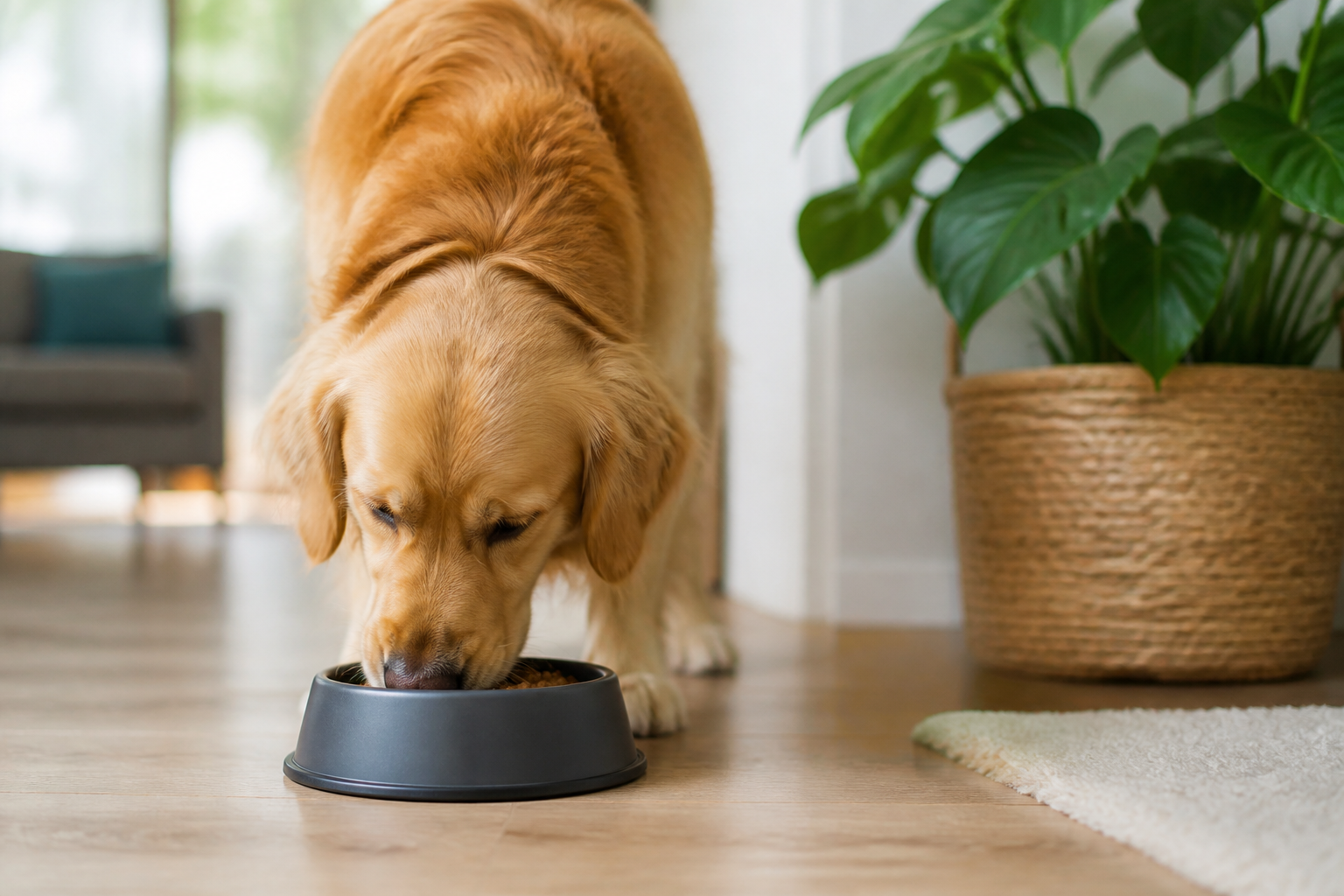
You are standing in the pet food aisle staring at a wall of colorful bags and stacks of shiny cans. It is a moment every dog owner knows well. You want the best for your pet, but the sheer variety of textures and formulas can feel overwhelming. At BaxterBoo, we help owners navigate these choices every day. While both wet and dry options can offer complete and balanced nutrition, many owners find that dry food fits their lifestyle and their dog's health needs more effectively. This article will explain the practical advantages of kibble, from dental benefits to cost savings. We will also look at how dry food supports mental enrichment and when a specialized diet might require a trip to our pet pharmacy. Choosing the right food is about balancing convenience, health, and your dog's unique preferences, and you can start by browsing our dog food category.
Understanding the Moisture Gap
The most obvious difference between these two food types is the water content. Dry dog food, or kibble, typically contains about 10 percent moisture. In contrast, wet food is often 75 to 80 percent water. This difference is not just about hydration. It fundamentally changes how the food is processed and how much energy it provides per bite.
Dry food is made through a process called extrusion. Ingredients are mixed into a dough, cooked under pressure, and pushed through small holes to create specific shapes. These pieces are then dried and sprayed with fats or vitamins to ensure they are shelf stable and tasty. Wet food starts with ground proteins and a gravy or jelly. It is then sealed in a can or pouch and sterilized at high temperatures.
Because dry food has so little water, it is much more calorically dense. You do not need to feed as much of it to meet your dog's daily energy requirements. This density is one reason many owners find it more practical for medium and large breeds that need a significant amount of fuel to stay active.
Quick Answer: Dry food is often considered better because it is more cost-effective, supports dental health through mechanical cleaning, and stays fresh longer once opened. It is also easier to use for training and mental enrichment compared to wet alternatives.
The Dental Health Advantage
One of the most frequently cited reasons for choosing dry food is the benefit to a dog's teeth. When a dog crunches on a piece of kibble, the hard texture provides a mechanical scraping action. This can help reduce the buildup of plaque and tartar on the surface of the teeth.
Wet food is soft and tends to stick to the gum line and between teeth. This can contribute to faster plaque accumulation if the owner does not brush the dog's teeth daily. While kibble is not a replacement for professional dental cleanings or regular brushing, it serves as a helpful tool in a broader oral hygiene routine.
Some dry diets are specifically formulated with larger kibble sizes or unique textures to maximize this cleaning effect. Brands like Royal Canin and Hill's often design pieces that require more chewing, which extends the contact time between the tooth and the food. You can also support oral care with our dog health category.
Vet Tip: Even if your dog eats dry food, they still need regular dental checkups. Consult your veterinarian about your dog's oral health and consider using dental treats or water additives to supplement their kibble diet.
Convenience for the Busy Owner
Dry food offers a level of convenience that wet food simply cannot match. If you have a busy schedule, you likely appreciate a food that does not require immediate cleanup.
- Grazing: Some dogs prefer to eat small amounts throughout the day. Dry food can stay in a bowl for several hours without spoiling or attracting pests. Wet food must be picked up within 30 to 60 minutes to prevent bacterial growth.
- Ease of Serving: Measuring a scoop of kibble is fast and mess-free. There are no cans to open, no spoons to wash, and no lingering odors in the kitchen.
- Portion Control: It is very easy to measure dry food precisely using a standard measuring cup or a kitchen scale. This helps ensure your dog maintains a healthy weight.
- Travel: Taking your dog on a trip is much easier with a bag of dry food. It is lighter to carry and does not require refrigeration or special storage once opened.
Note: If your dog is a "grazer," make sure you are still measuring their total daily portion. Leaving an endless supply of food out can lead to obesity, even with dry kibble.
Cost-Effectiveness and Value
For many households, the budget is a major factor in choosing a dog food. Dry food is almost always the more economical choice when you look at the cost per serving.
Since you are not paying for water weight, you get more actual nutrients for every dollar spent. A large bag of high-quality kibble can last a medium-sized dog several weeks. Buying in bulk is also easier with dry food, as large bags are common and store well in airtight containers.
At BaxterBoo, we see many owners who want premium nutrition without the premium price tag of a 100 percent canned diet. High-quality dry brands like NutriSource provide excellent ingredients while remaining more affordable than feeding an equivalent amount of wet food.
Mental Enrichment and Training
Feeding time is an excellent opportunity for mental stimulation. Dry food is much better suited for this than wet food. Because kibble is dry and durable, you can use it in a variety of interactive ways.
Puzzle Feeders and Slow Feeders
Many dogs eat too quickly, which can lead to digestive issues or a dangerous condition called bloat. Slow-feed bowls have ridges that force the dog to work for each piece of kibble. You can also use puzzle toys like those from KONG. Filling a toy with dry food and letting the dog figure out how to get it out provides valuable cognitive exercise.
Snuffle Mats
A snuffle mat is a fabric mat with long strips of felt. You hide dry kibble inside the strips, and your dog must use their nose to find the food. This taps into their natural foraging instincts and can keep them occupied for a long time. This is nearly impossible to do with wet food.
Training Rewards
If your dog is on a calorie-controlled diet, you can use a portion of their daily kibble as training rewards. This prevents the overfeeding that often happens when you use separate high-calorie treats. Kibble is easy to keep in a pocket or a treat pouch during a walk or a training session in the backyard. For more reward-friendly options, take a look at our dog treats category.
Key Takeaway: Dry food is a versatile tool for behavioral health. It allows you to turn a standard meal into a game or a training session, which helps prevent boredom and anxiety.
When to Reconsider: The Role of Wet Food
While dry food has many benefits, there are specific situations where wet food might be necessary or beneficial. It is important to look at your dog's individual needs.
Senior dogs with missing teeth or painful gums often struggle with hard kibble. For them, the soft texture of canned food is a relief. Similarly, very young puppies who are just weaning may need wet food or kibble soaked in water to help them transition to solid meals.
Wet food is also a great tool for picky eaters. The strong aroma of a high-quality canned food can entice a dog that has lost its appetite due to illness or age. The high moisture content is also helpful for dogs with urinary issues or those who simply do not drink enough water on their own. If you are comparing practical feeding styles, our post on Should Dogs Eat Dry or Wet Food? Choosing the Best Diet is a helpful next step.
The Pharmacy and Prescription Diets
Sometimes, a dog's health requires more than just standard retail food. Many chronic conditions like kidney disease, severe allergies, or digestive disorders require prescription diets.
Our pharmacy carries prescription pet foods and medications. These specialized diets are often available in both dry and wet formats. If your veterinarian recommends a specific formula, you can fulfill that prescription through us.
Vet Tip: If your dog is suddenly refusing their dry food or showing signs of a sensitive stomach, do not simply switch brands. Consult your veterinarian to rule out underlying health issues. A prescription diet might be the safest way to manage their condition.
How to Store Dry Food Safely
One reason owners believe dry food is better is its long shelf life. However, dry food can still go bad if it is not handled correctly. Once you open a bag of kibble, the fats inside begin to oxidize when exposed to air.
To keep the food fresh and the nutrients intact, follow these storage steps:
Step 1: Keep the food in its original bag. / The bags are designed to be a barrier against air and moisture. Step 2: Place the entire bag inside an airtight container. / This provides a second layer of protection and keeps pests away. Step 3: Store the container in a cool, dry place. / Heat and humidity can cause the food to spoil faster or grow mold. Step 4: Use the bag within six weeks of opening. / Even in a sealed container, the quality of the fats can decline after this point.
Safe Storage Checklist
- Check the "Best By" date before purchasing.
- Wash the storage container between every new bag of food.
- Avoid pouring new food on top of old food leftovers.
- Seal the original bag tightly with a clip before closing the container lid.
Bottom line: Proper storage is the only way to ensure your dog gets the full nutritional benefit of their dry food. For a deeper dive, see How Long Can You Keep Dry Dog Food for Peak Freshness.
Making the Transition
If you are switching your dog from a wet-heavy diet to a dry-heavy one, you must go slowly. A sudden change in texture and nutrient density can cause an upset stomach, leading to gas or diarrhea.
Most experts recommend a transition period of seven to ten days. Start by mixing about 25 percent of the new dry food with 75 percent of their current wet food. Every couple of days, increase the amount of dry food while decreasing the wet food. If you want a step-by-step roadmap, our guide on how to switch from dry to wet dog food covers the process in more detail.
If your dog seems hesitant about the new texture, you can add a small amount of warm water or a low-sodium broth to the kibble. This creates a slightly softer consistency and enhances the smell while still providing the benefits of the dry formula. If digestive upset is your main concern, Can Dry Food Cause Diarrhea in Dogs? Understanding the Causes is a useful follow-up.
The Hybrid Approach
Many owners find that the best way to feed their dog is a combination of both types. You might feed dry kibble for breakfast and a mix of dry and wet for dinner. This provides the dental and cost benefits of kibble while giving your dog the hydration and flavor of wet food.
Using wet food as a "topper" is a popular strategy at BaxterBoo. It makes the meal more exciting for the dog without the high cost of a 100 percent canned diet. If you choose this route, remember to adjust the amount of kibble you provide to account for the extra calories in the topper. If you want more ideas for balanced portions, check out What’s the Best Dry Dog Food for Small Dogs?.
Why Quality Matters More Than Texture
Whether you choose dry, wet, or a mix, the quality of the ingredients is the most important factor. Look for foods that list a specific animal protein, like chicken, beef, or lamb, as the first ingredient. Avoid foods with generic terms like "meat by-products" or excessive artificial colors and preservatives.
Brands like The Honest Kitchen offer high-protein, minimally processed dry options that provide the convenience of kibble with the nutritional integrity of fresh food. By choosing a high-quality dry food, you are giving your dog a solid foundation for a long and healthy life.
Key Takeaway: Texture is a personal and practical choice, but nutritional balance is a health requirement. Always look for the AAFCO adequacy statement on the packaging to ensure the food is complete and balanced for your dog's life stage.
Conclusion
Dry dog food is a fantastic choice for many owners because it balances health, value, and convenience. It supports better dental hygiene, offers a cost-effective way to feed larger breeds, and provides endless opportunities for mental enrichment through puzzles and training. While wet food has its place for specific health needs or picky eaters, kibble remains the practical gold standard for the average household. At BaxterBoo, we are proud to offer a curated selection of over 500 brands to help you find the perfect match for your pet. Whether you need a standard high-quality kibble or a prescription diet from our pharmacy, we have the resources to support your dog's wellness journey. You can also save on repeat purchases with our Autoship programme and earn more with the MVP Rewards programme.
Bottom line: For most healthy dogs, a high-quality dry food provides the best combination of nutrition, oral health support, and convenience.
FAQ
Is dry food actually better for a dog’s teeth?
Dry food provides a mechanical scraping action that can help reduce plaque and tartar buildup on the surface of the teeth. While it does not replace the need for regular brushing, the crunching process is much better for oral hygiene than soft wet food, which can stick to the gums. Many veterinarians recommend dry food as part of a comprehensive dental care plan.
Can I leave dry dog food out all day?
Yes, dry food is shelf-stable and can safely sit in a bowl for several hours, making it ideal for dogs that prefer to graze. However, you should still measure the total daily amount to prevent overeating and obesity. Be sure to pick up any uneaten food at the end of the day and wash the bowl to maintain hygiene.
Why is dry food cheaper than wet food?
Dry food is more calorically dense and contains very little water, meaning you are paying for actual nutrients rather than moisture. You can feed a smaller volume of kibble to meet your dog's energy needs compared to the large amount of wet food required for the same calories. This makes the cost per serving significantly lower for dry diets.
Should I add water to my dog's dry food?
Adding a little warm water can enhance the aroma and make the food more appealing to picky eaters or senior dogs with sensitive teeth. It also provides a small boost in hydration for dogs that do not drink much from their water bowl. If you add water, make sure your dog eats the meal within 30 minutes to prevent the food from becoming soggy or harboring bacteria.






