
 Save 15% on your 1st Autoship learn more

 Email us
 Live Chat
 FAQs
FAQs





Introduction
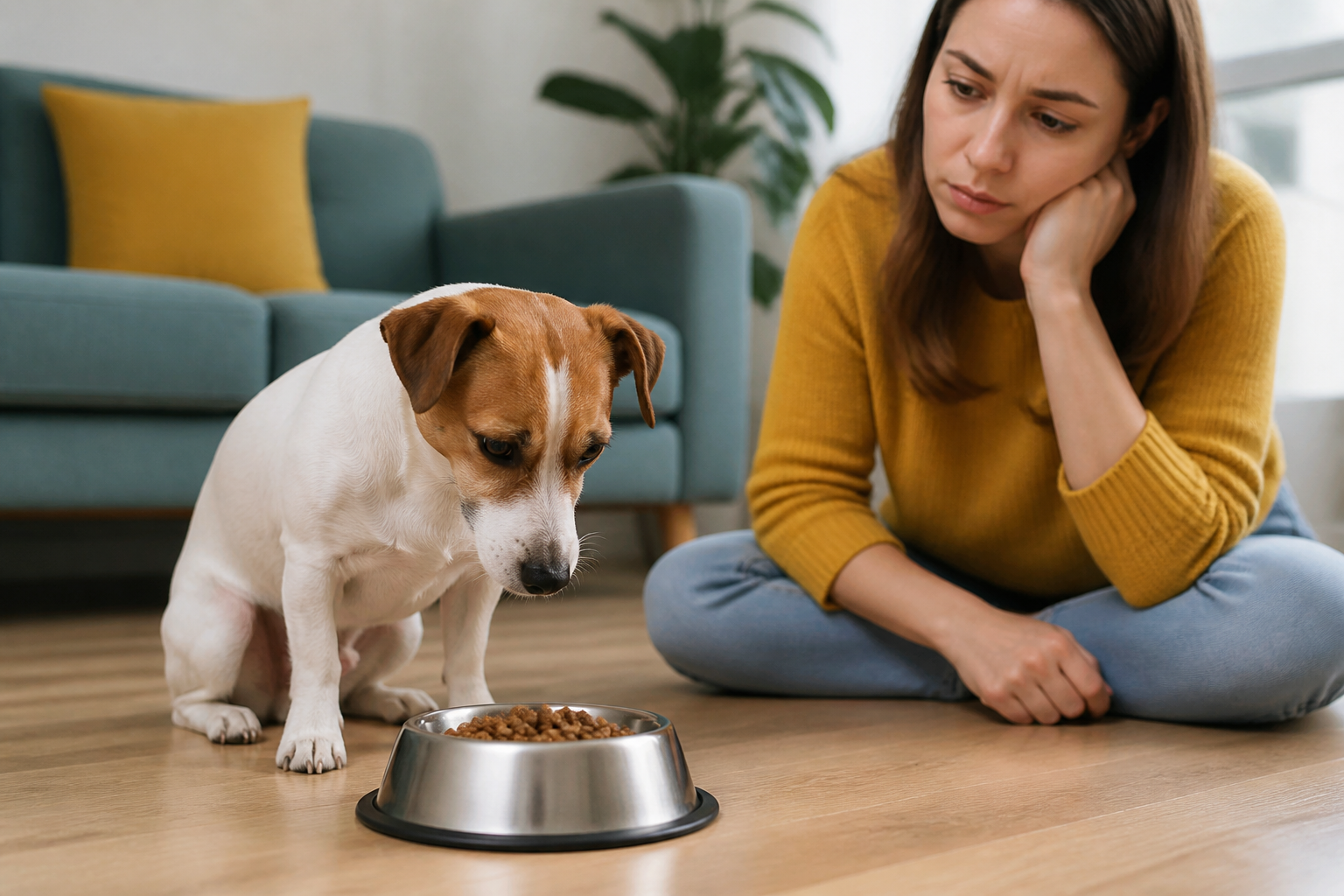
It is a stressful moment for any pet owner. You set the bowl down and your dog takes a sniff, then simply walks away. You might worry she is sick or wonder if she has suddenly become the most demanding eater on the block. This behavior is common, but it always requires a bit of detective work to solve. At BaxterBoo, we see this often and know that the fix could be as simple as changing how you store your kibble or as serious as a dental issue. This post will look at the medical, behavioral, and environmental reasons for a loss of appetite. We will also share practical ways to get your dog excited about mealtime again. Finding the root cause is the first step toward a happy, healthy pup.
Quick Answer: A dog may refuse dry food due to dental pain, underlying illness, or simple boredom. It can also happen if she is getting too many treats or if the food has gone stale. If she refuses food for more than 24 hours, you should consult your veterinarian.
Medical Reasons for a Lack of Appetite
When your dog stops eating her dry food, your first priority should be her physical health. Dogs are masters at hiding pain. A sudden change in eating habits is often the first sign that something is wrong.
Dental Health and Oral Pain
Imagine trying to crunch on hard crackers while you have a toothache. This is exactly what many dogs face. Dental issues are one of the most common reasons a dog will turn away from dry kibble but might still accept soft treats or wet food.
Broken teeth, inflamed gums, or oral infections make the mechanical action of chewing painful. You might notice your dog dropping food from her mouth or only chewing on one side. If her breath is particularly foul or her gums look bright red, a dental problem is likely the culprit.
Gastrointestinal Upsets and Internal Illness
If your dog is feeling nauseated, the smell of her usual food might be off-putting. Issues ranging from a simple upset stomach to more serious conditions like kidney disease or pancreatitis can cause a loss of appetite.
Keep a close eye on other symptoms. Is she also lethargic? Does she have diarrhea or a tense abdomen? If she is not eating and seems "off," it is time for a professional opinion. Our pet pharmacy carries many medications to help with chronic health conditions. We partner with Pet's Choice to provide FDA-approved prescriptions once your vet provides a diagnosis.
Senior Dogs and Changing Senses
As dogs age, their senses of taste and smell often decline. Dry kibble does not have a very strong aroma compared to wet food or fresh meat. If your senior dog cannot smell her food, she might not realize it is time to eat.
Senior dogs also deal with more frequent joint pain. Sometimes the physical act of leaning down to a bowl on the floor is painful for a dog with arthritis. Elevated feeders can sometimes help, but the first step is making the food smell like something worth eating.
Vet Tip: If your dog has not eaten for more than 24 hours, or 12 hours if she is also vomiting, call your veterinarian. A physical exam can rule out hidden pain or internal issues that a change in diet cannot fix.
Behavioral and Environmental Factors
If your vet gives your dog a clean bill of health, the issue is likely behavioral or related to her environment. Dogs are creatures of habit. Even small changes can disrupt their desire to eat.
Stress and Anxiety
Dogs are incredibly sensitive to changes in the home. A new baby, a different work schedule, or a move to a new house can create enough stress to suppress an appetite. Even a loud thunderstorm or nearby construction can make a dog feel too anxious to focus on her bowl.
If you have recently added a new pet to the family, your dog might feel competitive or intimidated. Some dogs are "social eaters" and only want to eat when you are in the room. Others are "closet eaters" who need total privacy to feel safe enough to lower their guard.
The "Treat Trap"
It is easy to accidentally train your dog to be a picky eater. If your dog refuses her dry food and you immediately offer a piece of chicken or a high-value treat, she learns a lesson. She learns that if she waits, she gets something better than kibble.
Many owners do not realize how many calories they are giving away in treats. If your dog is getting table scraps, training treats, and a dental chew every day, she might simply be full. Her dry food is the least exciting thing on her menu, so she skips it.
Key Takeaway: Ensure that treats and extras make up no more than 10 percent of your dog's daily calorie intake. If she is full on treats, she will naturally skip her balanced meal.
Food Quality and Storage Issues
Sometimes the problem is not the dog at all. It is the food itself. Dry dog food is not indestructible. It can go bad or lose its appeal if not handled correctly.
Rancidity and Spoilage
Kibble contains fats and oils that can go rancid when exposed to air, light, and heat. Most bags of dry food are designed to stay fresh for only about two to three weeks once they are opened. If you buy a massive bag for a tiny dog, the food at the bottom of the bag might taste terrible by the time you get to it.
Check the "best by" date on your bag. If the food smells "sour" or like old paint, it has likely oxidized. Your dog's nose is much more sensitive than yours. She will smell the spoilage long before you do.
For more ideas about preserving freshness, read our guide to how long dry dog food stays fresh once opened.
Proper Storage Habits
- Keep the food in its original bag.
- Place the entire bag inside an airtight container.
- Store the container in a cool, dry place.
- Wash the storage container between every new bag of food.
Leftover oils can stick to the sides of a plastic bin. These old oils go rancid and can contaminate a fresh bag of food immediately. Always start with a clean surface.
How to Make Dry Food More Appealing
Once you have ruled out health issues, you can use several strategies to encourage your dog to eat. The goal is to make the dry food more interesting without creating a permanent "picky eater" monster.
Adding Warm Water or Broth
This is the simplest and most effective trick. Adding a splash of warm water to kibble creates a "gravy" and releases the natural aromas of the food. It also softens the texture for dogs with minor dental sensitivity.
If you use broth, ensure it is specifically made for dogs. Human broths often contain onions, garlic, and high levels of salt, which are dangerous for pets. A dog-safe bone broth adds nutrition and a massive flavor boost that most dogs cannot resist. You can compare options in our dog food toppers and broths collection.
Using High-Quality Toppers
Toppers are a great way to add variety without switching diets. You can add a spoonful of wet food, some freeze-dried raw bits, or a splash of salmon oil. Brands like Stella and Chewy's offer meal mixers that are designed specifically for this purpose.
The trick is to mix the topper in thoroughly. If you just put it on top, your dog might "mine" for the good stuff and leave the kibble behind. Stir it until every piece of dry food is coated in the flavor of the topper.
Feeding Schedules and Routine
Stop leaving the food bowl out all day. This is called free-feeding, and it often leads to a lack of interest in food. Instead, put the bowl down for 15 to 20 minutes. If she does not eat, pick the bowl up and do not offer food until the next scheduled mealtime.
A healthy dog will not starve herself. This method teaches her that food is a limited resource and she needs to eat when it is offered. Be consistent. Do not give in and offer treats between meals while you are using this training method.
Choosing the Right Kibble for Picky Eaters
Not all dry foods are created equal. If your dog consistently refuses a specific brand, she might truly dislike the flavor or the size of the kibble.
For additional ideas, see what dry dog food is best for picky eaters.
Kibble Size and Shape
Small dogs often struggle with large, hard nuggets of kibble. If the pieces are too big, it is physically tiring for them to eat a full meal. Conversely, very large dogs might ignore tiny kibble because they cannot easily chew it.
Look for breed-size specific formulas from trusted brands like Royal Canin or Farmina. These are designed with the specific jaw structure and energy needs of different breeds in mind. Sometimes a simple change in the "crunch" factor is all it takes. Browse our adult dog food selection to compare formulas and sizes.
Ingredient Quality and Palatability
Dogs are naturally drawn to foods with high meat content. If your current dry food is mostly corn or grain fillers, it might not smell like food to a dog. Switching to a high-protein, meat-first recipe can make a world of difference.
We carry a wide variety of premium brands at BaxterBoo. Brands like Orijen, Acana, and Open Farm use high-quality animal proteins that have a much stronger natural appeal. If your dog is struggling with allergies or a sensitive stomach, we also offer prescription diets through our pharmacy partnership that are formulated to be both gentle and tasty. You can start comparing options in our dog food category.
Bottom line: A transition to a higher quality food often solves appetite issues because the ingredients are naturally more fragrant and flavorful.
The Role of Mental Stimulation
Sometimes a dog stops eating because the act of eating is boring. In the wild, dogs spend a lot of energy finding food. Eating out of a bowl takes thirty seconds and provides no mental challenge.
Puzzle Feeders and Toys
Try moving the meal from a bowl into a puzzle toy. We carry a large selection of Kong and West Paw toys that can be stuffed with kibble. When a dog has to work for her food, it triggers her natural foraging instincts.
This can be especially helpful for dogs that are stressed or anxious. The act of licking and chewing is naturally calming for a dog. It turns mealtime into a game rather than a chore. Explore our KONG selection for interactive options.
Training with Meals
If your dog is highly motivated by your attention, try using her dry food as training rewards. Instead of putting the bowl on the floor, use the kibble to practice "sit," "stay," and "fetch." Many dogs will eagerly eat their kibble one piece at a time if it means they are interacting with you.
When to Contact the BaxterBoo Pharmacy
If your vet determines that your dog's lack of appetite is due to a chronic condition, you will likely need a long-term plan. This often involves specific medications or a prescription diet.
Our pharmacy is a key resource for our customers. Through our partnership with Pet's Choice, we provide a wide range of FDA-approved medications. This includes everything from allergy relief to heart health and mobility support. If your dog needs a prescription diet like Farmina Vet Life, you can order it directly through us once we verify the prescription with your vet.
Managing a health condition is easier when your supplies are delivered to your door. This is especially true for senior dogs who might need ongoing support for their joints or organ function. Keeping your dog comfortable is the best way to ensure she keeps a healthy appetite.
Summary of Next Steps
Getting your dog back to her dry food requires a calm, consistent approach. You should start by checking the food for freshness and her mouth for any signs of pain. Once you are sure she is healthy and the food is good, you can focus on making the bowl more exciting.
- Rule out medical issues with a vet visit.
- Check the "best by" date on your kibble bag.
- Use warm water or a dog-safe broth to enhance the smell.
- Try a high-quality topper to increase interest.
- Stick to a strict feeding schedule and limit treats.
Key Takeaway: Patience is vital. It may take a few days for your dog to adjust to a new routine or a new feeding method, so stay consistent.
We are here to help you through every stage of pet ownership. Whether you need a new puzzle toy to make mealtime fun or a prescription diet from our pharmacy, we have the expertise to guide you. If you are looking for a way to save on the food your dog loves, our Autoship programme is a great option. It ensures you never run out of fresh food and gives you a discount on your orders. Keeping your dog's bowl full of fresh, high-quality kibble is one of the best ways to keep her happy and healthy for years to come.
FAQ
How long can my dog go without eating her dry food?
A healthy adult dog can typically go 24 to 48 hours without a meal without serious health risks, provided she is still drinking water. However, if your dog is a puppy, a senior, or has an underlying health condition, you should contact your vet much sooner. If the refusal is accompanied by lethargy, vomiting, or diarrhea, seek help immediately.
Why does my dog eat treats but not her dry food?
This is usually a sign of a picky eater who has learned that refusing kibble leads to a "better" reward like a treat or table scrap. It can also happen because treats are often softer and smell stronger than dry kibble. If she can eat a hard treat but not her kibble, she might just be holding out for the flavor she prefers.
Can I mix wet food and dry food every day?
Yes, mixing wet and dry food is a great way to add moisture and aroma to your dog's diet. Just be sure to adjust the total amount of food to prevent overfeeding. It is best to mix them thoroughly so your dog cannot simply pick out the wet food and leave the dry kibble behind. For more guidance, read about mixing dry and wet dog food.
Is it safe to add human food to my dog's kibble?
Some human foods like plain boiled chicken, carrots, or green beans are safe in small amounts. However, you must avoid ingredients like onions, garlic, grapes, and excessive salt. If you choose to add fresh food, ensure it does not unbalance her overall nutrition or lead to weight gain.






