
 Save 15% on your 1st Autoship learn more

 Email us
 Live Chat
 FAQs
FAQs





Introduction
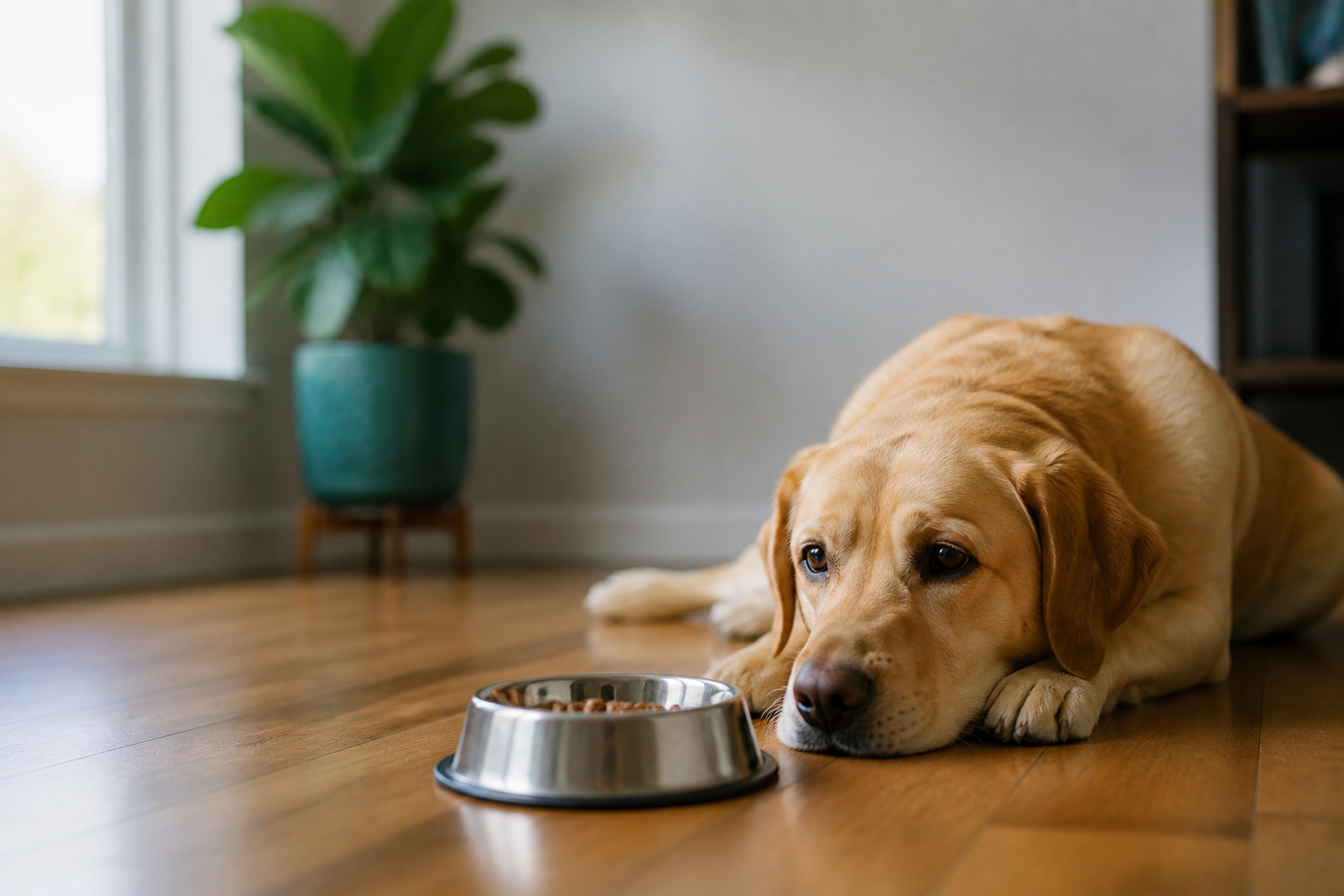
You set the bowl down and hear silence instead of the usual sound of crunching. Your dog sniffs the kibble, looks up at you with those soulful eyes, and walks away without taking a single bite. It is a stressful moment for any pet parent. At BaxterBoo, we know how worrying a sudden change in eating habits can be for a family. This post covers the common medical, behavioral, and environmental reasons why a dog might suddenly reject their dry food. We will explore how to identify the cause and share practical ways to get your pup back on a healthy schedule. Understanding the root of the problem is the first step toward ensuring your dog stays happy and nourished.
Common Medical Reasons for Appetite Loss
When a dog suddenly stops eating something they previously enjoyed, the first step is to check for physical discomfort. Dogs are very good at hiding pain. A change in appetite is often one of the few outward signs they give us.
Dental Pain and Oral Health
Mouth pain is a leading cause of kibble refusal. Dry food is hard and requires significant pressure to break down. If your dog has a cracked tooth, an abscess, or inflamed gums, that crunching sensation can be agonizing. You might notice your dog sniffing the food or acting hungry but hesitating to bite down.
Watch for signs like dropping food from the mouth, pawing at the face, or chewing on only one side. Gum disease can progress quickly in dogs. If the mouth is sore, your pet will naturally prefer softer options like wet food or table scraps.
For more information about warning signs, read our guide to dog dental health and hidden tooth problems.
Gastrointestinal Issues
Nausea can make even the best dog food look unappealing. Just like humans, dogs experience upset stomachs from viruses, bacteria, or eating things they should not have found in the yard. If your dog is dealing with gas, bloating, or mild acid reflux, they may avoid eating to prevent further discomfort.
More serious conditions can also play a role. Issues with the kidneys, liver, or pancreas often lead to a decreased appetite. If your dog is also showing signs of lethargy, vomiting, or diarrhea, it is time for a professional opinion.
Vet Tip: If your dog has not eaten for 24 hours, consult your veterinarian. Sudden inappetence can be a symptom of underlying issues like pancreatitis or dental infections that require medical intervention.
Sensory Decline in Senior Dogs
As dogs age, their senses of smell and taste can fade. Since smell is the primary driver of appetite for a dog, a senior pet might simply not realize the food is there or find it bland. Senior dogs also struggle more with the digestion of hard kibble. The dry kernels expand in the stomach, which can feel uncomfortable for an older dog with a slower digestive tract.
Behavioral Factors and Picky Eating
If your vet has ruled out health problems, the issue might be behavioral. Dogs are intelligent animals that quickly learn how to influence their environment.
The "Holding Out" Strategy
Many dogs are smart enough to realize that if they refuse their kibble, a worried owner might offer something better. This could be a spoonful of wet food, a handful of treats, or bits of chicken from the dinner table. If your dog skips a meal but eagerly accepts a high-value treat, they are likely holding out for a better offer.
This behavior is common in smaller breeds like Yorkshire Terriers or Chihuahuas. They have smaller caloric needs and can afford to skip a meal to see if a better option appears. Reinforcing this by constantly changing the food or adding toppers can accidentally train your dog to be a picky eater.
If treats are part of the routine, compare options in our soft and chewy dog treats collection.
Stress and Anxiety
Dogs thrive on routine. Any change in the household can cause enough stress to suppress their appetite. Common triggers include:
- Moving to a new house
- The arrival of a new baby or a new pet
- Loud noises like construction or thunderstorms
- Changes in your work schedule
- Boarding or a stay at a kennel
Stress-related inappetence is usually temporary. Once the dog feels secure in their environment again, their appetite typically returns.
Key Takeaway: Distinguish between a medical issue and a behavioral one by offering a plain, high-value treat. If they eat the treat but refuse the kibble, the issue is likely behavioral or related to the food quality itself.
Problems With the Food Itself
Sometimes the problem is not with the dog but with the bag of food. Before assuming your dog is being difficult, take a close look at the kibble.
Stale or Spoiled Kibble
Dry dog food contains fats and oils that can go rancid once exposed to oxygen. A bag of kibble typically stays fresh for about two to three weeks after it is opened. If the bag is stored in a warm or humid area, it can spoil even faster. Dogs have a sense of smell that is thousands of times stronger than ours. They can detect rancid fats or mold long before we can see or smell it.
If you have reached the bottom of a large bag that has been open for a month, your dog might be trying to tell you the food tastes bad. For more storage guidance, read about how long dry dog food stays fresh once opened.
Recipe Changes and Quality
Pet food manufacturers sometimes change their formulas without a major announcement. A subtle shift in ingredients can change the smell or flavor profile enough for a discerning dog to notice. At BaxterBoo, we recommend checking the "best by" date and looking for any "new look" or "new formula" labels on the packaging.
Low-quality foods often use heavy fillers and artificial flavorings. A dog might grow tired of these "one-note" flavors. Switching to a high-quality brand like Farmina or Orijen can provide more natural, meat-based aromas that keep dogs interested.
Bottom line: Store kibble in its original bag inside an airtight container to keep fats from oxidizing and preserve the natural flavor.
How to Make Dry Food Appealing Again
If you want to stick with a dry food diet, you can use several strategies to make the bowl more enticing. You can compare different recipes and textures in our dog food category.
Use Warmth and Hydration
Dry food has very little aroma compared to wet food. You can boost the smell by adding a small amount of warm water or low-sodium bone broth to the bowl. Let it sit for a few minutes to soften the kibble and release the meaty scents.
Step 1: Measure your dog's normal portion of kibble.
Step 2: Add two to three tablespoons of warm (not boiling) water or dog-safe broth.
Step 3: Stir the mixture and let it sit for five minutes until the kibble is slightly soft.
Step 4: Serve the meal while it is still warm to maximize the aroma.
For another approach, read this guide on wetting dry dog food for better digestion and hydration.
Introduce High-Quality Toppers
Toppers are a great middle ground for picky eaters. You do not have to switch entirely to wet food. A small amount of a high-quality mixer can provide the variety your dog craves. Browse our dog food toppers for options that can be mixed with a regular meal.
- Freeze-dried raw: Crumbled toppers from brands like Stella and Chewy's add a burst of protein.
- Dehydrated mixers: The Honest Kitchen offers powders that turn into a savory gravy when mixed with water.
- Fresh proteins: A small amount of plain, boiled chicken or a scrambled egg can act as a healthy incentive.
Practical Tips for Feeding Success
| Strategy | Why it Works | Best For |
|---|---|---|
| Scheduled Feeding | Creates a sense of urgency. | Picky eaters and "grazers." |
| Puzzle Feeders | Turns mealtime into a game. | High-energy dogs and bored eaters. |
| Rotating Proteins | Prevents flavor boredom. | Dogs who have eaten the same food for years. |
| Exercise First | Builds a natural physical hunger. | Active dogs with low motivation. |
Managing Health Through Nutrition
If your dog's refusal to eat is tied to a chronic health condition, a specialized diet might be necessary. Some dogs require prescription formulas to manage kidney disease, food allergies, or weight issues.
Our pet pharmacy carries prescription medications and prescription pet foods. If your veterinarian recommends a specific brand like Royal Canin Veterinary Diet or Farmina Vet Life, you can discuss those needs with your veterinarian and explore available options through our pharmacy.
Vet Tip: Never switch your dog to a prescription diet without consulting your veterinarian first. These foods have specific nutrient levels designed for medical management and must be monitored by a professional.
Encouraging Consistent Eating Habits
Consistency is the most effective tool for managing a dog's appetite. If you vary the routine too much, you may create a cycle of pickiness.
Limit Treats and Scraps
It is easy to overdo the treats, especially when you are worried about your dog not eating. However, treats should never make up more than 10% of your dog's daily calories. If your dog fills up on biscuits throughout the afternoon, they will not be hungry for their balanced dinner.
The 20-Minute Rule
Establish a clear start and end to mealtime. Put the bowl down and leave it for 20 minutes. If your dog has not eaten it by then, pick the bowl up and do not offer food until the next scheduled meal. This teaches your dog that food is not available all day and encourages them to eat when the opportunity arises.
- Remove the bowl after 20 minutes regardless of how much was eaten.
- Do not give extra treats to make up for the missed meal.
- Offer fresh food at the next scheduled time.
- Ensure fresh water is always available even if the food is removed.
Key Takeaway: A healthy dog will not starve themselves. By staying consistent with the 20-minute rule, you reinforce that the kibble in the bowl is their primary source of nutrition.
Finding the Right Gear for Success
The environment where your dog eats can be just as important as the food itself. Some dogs are sensitive to the sound of their tags hitting a metal bowl. Others might find a bowl placed on a slippery floor to be intimidating.
Consider switching to a ceramic or BPA-free plastic bowl that is quieter. For older dogs, an elevated feeder can reduce strain on the neck and joints, making it more comfortable to reach their food. If your dog seems bored, a Kong toy stuffed with kibble and a little bit of wet food can provide the mental stimulation they need to engage with their meal again.
BaxterBoo offers a huge selection of feeding accessories to help you customize the experience for your pet. Whether you need a slow feeder to prevent bloating or a high-quality travel bowl for meals on the go, we have you covered.
Conclusion
A dog stopping their dry food intake is a puzzle with many possible pieces. From dental pain and aging to simple boredom or stale kibble, identifying the cause requires careful observation. By checking for freshness, ruling out medical issues with a vet, and using healthy toppers, you can help your dog rediscover their appetite. Remember to stay patient and consistent with your routine.
- Check the bag for spoilage or recipe changes.
- Rule out dental pain or stomach upset with a vet visit.
- Use warm water or toppers to enhance aroma.
- Maintain a strict feeding schedule to reduce pickiness.
Bottom line: Most cases of food refusal can be solved with a mix of routine and high-quality nutrition.
If your dog needs a specialized diet or medication to get their health back on track, visit our pharmacy category to explore available options and discuss prescription needs with your veterinarian.
FAQ
Why did my dog suddenly stop eating kibble but will eat treats?
This is often a sign of a "picky eater" who is holding out for a more flavorful option. If the dog is willing to eat high-value items like treats or human food, they likely do not have a total loss of appetite. It could also suggest that the kibble is stale or that the dog has mild mouth pain that makes hard food less appealing than soft treats.
How long can a dog go without eating dry food?
A healthy dog can generally go 24 to 48 hours without food as long as they are still drinking water. If your dog is a puppy, a senior, or has an underlying health condition, you should contact a vet much sooner. If the refusal to eat is accompanied by lethargy, vomiting, or a refusal to drink water, it is an emergency.
Can I mix wet food and dry food together?
Yes, mixing wet and dry food is an excellent way to transition a picky dog back to their regular diet. The wet food adds moisture and a much stronger aroma which helps stimulate the dog's appetite. Start with a 50/50 mix and slowly increase the amount of dry food over several days as your dog becomes more interested in the bowl.
Does dry dog food really go bad?
Yes, dry dog food can go bad or lose its nutritional value over time. The fats in the food can oxidize and become rancid, creating a sour smell and a bitter taste that dogs dislike. Always keep food in its original packaging to preserve the barrier against light and air, and try to use a bag within three to four weeks of opening.






