
 Save 15% on your 1st Autoship learn more

 Email us
 Live Chat
 FAQs
FAQs





Introduction
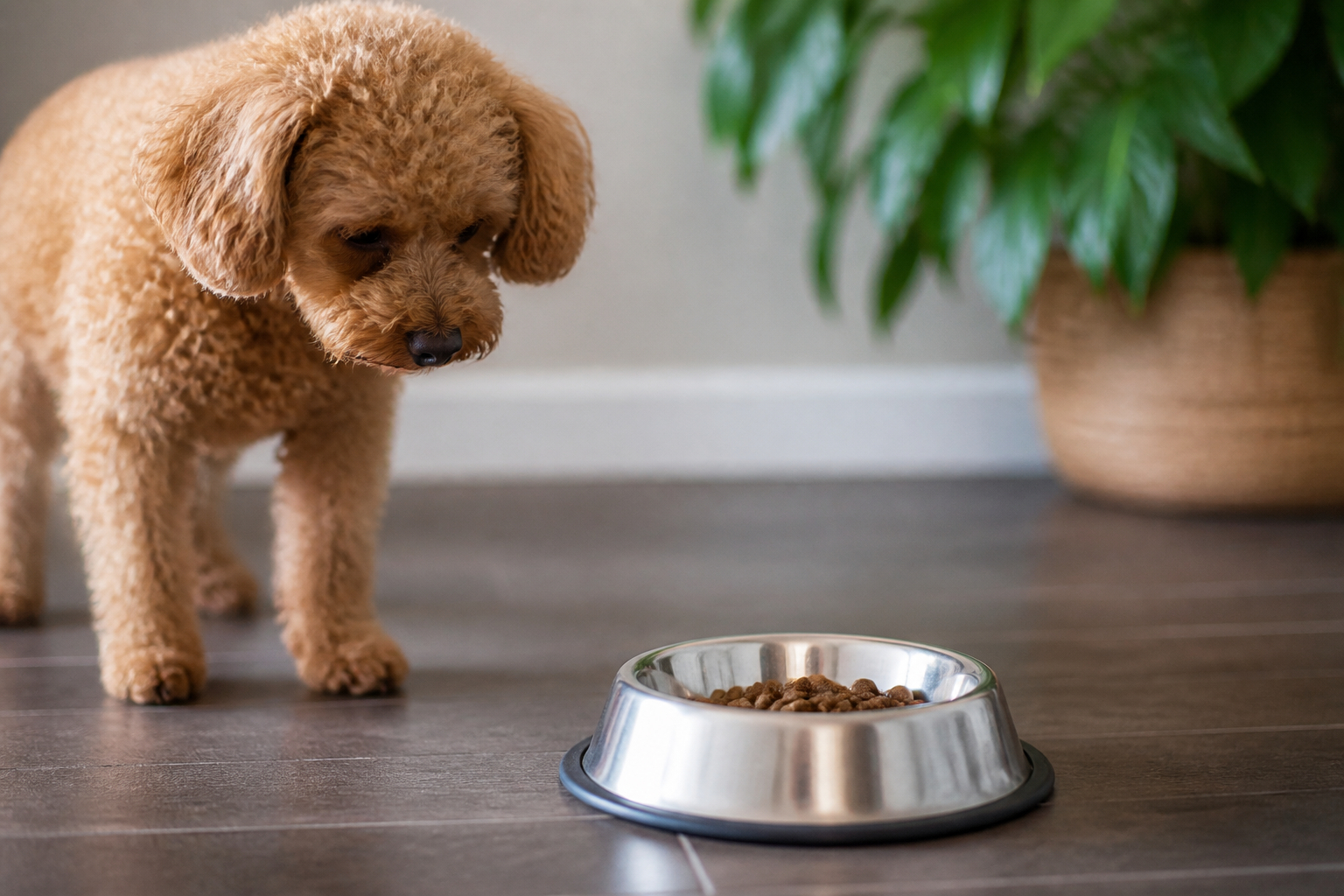
It is a common scene in many homes. You pour a fresh bowl of kibble and your dog walks over for a sniff. Instead of eating, they turn around and walk away. You might feel worried or even a bit frustrated. We see this often at BaxterBoo when owners come to us looking for a new flavor or a different brand. There are many reasons why a dog might stop eating dry food. Some are simple behavior quirks. Others are serious health concerns that need a vet visit. This guide will help you understand the common causes of kibble refusal. We will cover medical issues, food storage mistakes, and behavioral habits. Our goal is to help you figure out if your dog is being picky or if something more serious is happening.
Dental and Oral Health Problems
One of the most frequent reasons a dog rejects dry food is physical pain. Kibble is hard and crunchy. It requires significant pressure from the teeth and jaws to break down. If your dog has a cracked tooth or infected gums, that crunching hurts. You might notice your dog acts hungry but backs away after one bite. They might also drop pieces of food on the floor or chew only on one side of their mouth.
Check for red or bleeding gums. Look for yellow or brown tartar buildup near the gum line. Bad breath that smells like rotting meat is another red flag. Sometimes a dog will eat wet food but refuse dry food. This is a classic sign of dental discomfort because wet food requires almost no chewing. If your dog has lost a tooth or has an oral injury, they will naturally avoid hard textures.
Vet Tip: If you suspect dental pain, schedule an exam right away. Oral infections can spread bacteria to the heart and kidneys if left untreated. Our dog healthcare collection includes products that may support your pet’s routine care.
Symptoms of Dental Distress
- Pawing at the mouth or face.
- Dropping kibble while trying to eat.
- Excessive drooling.
- Bleeding from the mouth.
- Refusal to play with hard chew toys.
Food Freshness and Proper Storage
Dogs have a sense of smell that is thousands of times stronger than ours. You might think the food smells fine. Your dog might smell something very different. Dry dog food contains fats and oils. When these are exposed to air, they begin to oxidize. This process makes the food go rancid. Most kibble stays fresh for about two to three weeks once the seal is broken.
If you buy a massive bag for a tiny dog, the food may spoil before you reach the bottom. Storing food in a garage or a hot laundry room speeds up this process. Heat and humidity are the enemies of kibble. Always check the expiration date on the bag. If the bag has been open for more than a month, try opening a fresh, smaller bag. Your dog might suddenly regain their appetite once the food smells fresh again. For more ideas, read how long dry dog food can stay fresh.
Tips for Keeping Kibble Fresh
- Keep the food in its original bag.
- Place the entire bag inside an airtight plastic or metal bin.
- Store the bin in a cool, dry place like a pantry.
- Wash the storage bin every time you finish a bag.
- Avoid pouring new food on top of old crumbs.
Key Takeaway: Proper storage prevents fats from going rancid. Many dogs refuse dry food simply because the smell tells them the fat has spoiled.
Behavioral Pickiness and Manipulation
Dogs are much smarter than we often give them credit for. They learn patterns quickly. If your dog refuses their kibble and you immediately offer a piece of chicken, they have won. You have taught them that holding out leads to a better reward. This is often called the "Smart Dog" syndrome. They are not actually lacking an appetite. They are simply waiting for a better offer.
This behavior often starts when we give too many table scraps or high-value treats. If your dog knows a treat is coming at 7:00 PM, they might skip their 6:00 PM dinner. This is especially true for smaller breeds like Chihuahuas or Yorkies. These dogs have small stomachs. A few extra treats can easily fill them up for the day.
Bottom line: If your dog is healthy and maintaining weight but refuses kibble while begging for treats, you likely have a picky eater on your hands.
Changes in Routine and Environment
Dogs thrive on consistency. Any change to their daily life can cause stress. Stress often manifests as a lack of appetite. Have you recently moved to a new house? Is there a new baby or a new pet in the home? Even a change in your work schedule can throw a dog off.
Some dogs are "social eaters" who only like to eat when their owners are nearby. Others are "closet eaters" who need total privacy. If the feeding area is in a high-traffic hallway, your dog might feel too anxious to lower their head and eat. Loud noises like a nearby construction site or a thunderstorm can also stop a dog from eating for a day or two. If a move has affected your dog’s routine, helping your dog transition during a move may offer useful ideas.
Common Stressors for Dogs
- Moving to a new home.
- House guests or loud parties.
- Changes in the household members.
- New feeding bowls or locations.
- Separation anxiety when owners are at work.
The Role of Aging in Senior Dogs
As dogs age, their bodies change in ways that affect how they eat. A senior dog might lose some of their sense of smell. Since smell is a huge part of taste, the kibble might start to seem bland. Senior dogs also struggle with many of the same issues humans do as they age. This includes arthritis in the neck or back.
If a dog has a sore neck, bending down to a bowl on the floor can be painful. This makes them avoid the food bowl even if they are hungry. Senior dogs also have slower metabolisms. They simply do not need as many calories as they did when they were younger. If they seem less interested in food but are otherwise happy, they might just need a smaller portion or a different formula.
Quick Answer: Senior dogs often stop eating dry food due to a fading sense of smell or physical pain from bending down. Try using an elevated feeder and adding a smelly topper to spark their interest.
When to Suspect a Medical Issue
If your dog suddenly stops eating both dry food and treats, this is a major concern. A total loss of appetite is called inappetence. It can be a symptom of many different health problems. These range from minor stomach upsets to serious organ issues like kidney or liver disease.
If your dog is also vomiting or has diarrhea, they need to see a vet. Lethargy is another sign that the lack of eating is medical. If your dog seems tired, has pale gums, or is losing weight, do not wait. A veterinarian can run blood tests to find out what is happening inside their body. For prescription-related needs, you can explore our pet pharmacy.
Vet Tip: A dog that refuses all food for more than 24 hours should be seen by a professional. If they also stop drinking water, this is an emergency.
How to Make Dry Food More Appealing
If you have ruled out serious medical issues, you can try several tricks to get your dog interested in kibble again. The goal is to make the food smell better and feel easier to eat. We suggest these steps for dogs that are just being a little picky or bored. You can also read what dry dog food is best for picky eaters for additional food ideas.
Step 1: Add warm water or broth. / Pour a quarter cup of warm water or low-sodium dog-safe broth over the kibble. This releases the aroma of the fats and softens the texture.
Step 2: Use a high-quality topper. / Mix in a spoonful of wet food or a specialized meal topper. Ensure you mix it thoroughly so your dog cannot just pick out the "good stuff" and leave the dry bits. Our dog food toppers and broths can provide options for this step.
Step 3: Warm the meal slightly. / Putting the bowl in the microwave for five to ten seconds can boost the scent. Always stir it and check the temperature with your finger to avoid hot spots.
Step 4: Create a quiet environment. / Move the food bowl to a carpeted area where your dog feels safe. Sometimes the sound of kibble hitting a metal bowl or the sound of tags clinking against the rim can scare a nervous dog.
Step 5: Hand feed a few pieces. / Sometimes starting the process by hand helps. Once the dog gets a taste, they are more likely to finish the bowl on their own.
Establishing a Feeding Routine
One of the best ways to fix a picky eater is to be consistent. Many owners leave food out all day. This is called "free feeding." It often makes dogs less interested in their food because it is always there. They never build up a true sense of hunger. Instead, try a scheduled feeding approach.
Put the bowl down for exactly fifteen minutes. If the dog does not eat, pick the bowl up and put it away. Do not give any treats until the next scheduled mealtime. Most healthy dogs will learn quickly that they need to eat when the food is available. This approach works best when everyone in the house follows the rules. If one person is sneaking treats under the table, the dog will keep holding out.
Why Quality Ingredients Matter
Not all kibble is created equal. Some brands use a lot of "filler" ingredients like corn and soy. These do not have the strong meat smell that dogs love. If your dog is turning their nose up at a budget brand, they might be looking for more protein. High-quality foods from brands like Orijen, Acana, or Stella and Chewy's often use more fresh meat. This makes the food naturally more enticing to a carnivore.
Check the label on your current bag. The first three ingredients should be specific animal proteins. If you see generic terms like "meat by-products" or "cereal grains," your dog might be telling you the food is not very nutritious. Switching to a premium brand can sometimes solve the problem instantly. We carry over 500 brands at BaxterBoo to help you find the perfect match for a picky palate.
The Impact of Overfeeding Treats
It is very easy to lose track of how many treats we give. A small biscuit here and a piece of cheese there adds up quickly. Treats should never make up more than 10% of your dog's daily calories. If your dog is getting 30% of their calories from high-fat treats, they will not want their balanced kibble.
Try cutting out all treats for three days. Watch to see if their interest in dry food returns. If it does, you know the issue was simply that they were too full. You can also use their regular kibble as "treats" during training. This ensures they are getting the nutrition they need without the extra fillers found in many commercial snacks.
Key Takeaway: Treat "creep" is a leading cause of kibble refusal. Reducing snacks often restores a dog's natural hunger for their primary meals.
When to Consider Prescription Diets
Sometimes a dog stops eating because their current food is making them feel slightly unwell. This is common with food sensitivities or allergies. If your dog has itchy skin, chronic ear infections, or frequent gas, their kibble might be the culprit. They might associate eating that food with feeling uncomfortable.
In these cases, a veterinarian might recommend a prescription diet. These are formulated to be highly digestible or to use limited protein sources. We provide access to these specialized foods through our veterinary diet selection. Our pharmacy can help fulfill prescription-related orders once you have a prescription from your vet.
Transitioning to a New Dry Food
If you decide to switch brands, do it slowly. A sudden change can cause a major stomach upset. This makes the dog even less likely to want to eat the new food. Start by mixing 25% of the new food with 75% of the old food. Over the course of a week, slowly increase the amount of new food.
This gives your dog's digestive system time to adjust. It also helps a picky eater get used to a new smell and texture without being overwhelmed. If they pick out the new kibble and leave the old, that is a great sign. If they leave the new kibble, you may need to try a different flavor or protein source. For another perspective, read how to choose between dry and wet dog food.
Bottom line: Slow transitions protect your dog's stomach and help them accept a new dry food more easily.
Summary of Steps to Take
If your dog refuses their dry food, follow this checklist to find the solution. Start with the most common and easily fixed issues first.
- Check the expiration date and smell the food for rancidity.
- Look inside the mouth for red gums or broken teeth.
- Cut out all treats and table scraps for 48 hours.
- Add warm water or a topper to the kibble.
- Observe your dog for other signs of illness like lethargy or vomiting.
- Consult a veterinarian if the refusal lasts more than 24 hours.
Conclusion
A dog refusing dry food is a problem that almost every pet owner faces eventually. Whether it is a simple case of a stale bag or a more serious dental issue, finding the cause is the first step toward a happy eater. Remember to stay patient and avoid turning mealtime into a power struggle. Start by checking the freshness of your food and looking for signs of physical pain. If your dog needs a more specialized diet or medication to get back on track, our pharmacy is here to help. You can also save on your favorite premium brands by using our Autoship programme or earning points with the MVP Rewards programme. Providing the right nutrition is one of the best ways to show your dog love, and we are here to help you get it right every time.
FAQ
Can I just leave the food down until my dog gets hungry enough to eat?
This is called free feeding, and it often backfires with picky eaters. If food is always available, it loses its value and the dog never develops a strong appetite cycle. It is better to put the food down for fifteen minutes and then remove it to teach your dog that mealtime is a specific event.
Why does my dog eat wet food but refuse their dry kibble?
This usually happens for two reasons. First, wet food has a much stronger aroma and more moisture, which makes it more appetizing. Second, wet food does not require chewing, so if your dog has dental pain or sore gums, they will choose the softer option every time.
Is it safe to add human food to my dog's dry food to make them eat?
You can add small amounts of safe human foods like plain boiled chicken, carrots, or unsalted green beans. However, be careful not to create a habit where the dog only eats when "extras" are added. Always avoid onions, garlic, grapes, and excessive salt, as these are toxic to dogs.
How do I know if my dog's kibble has gone bad or turned rancid?
Rancid dry food often has a sour or "paint-like" chemical smell. The kibble might also feel unusually oily or sticky to the touch. If your dog was eating the food fine and suddenly stops when you get to the bottom of the bag, it is likely that the fats have oxidized and the food is stale.






