
 Save 15% on your 1st Autoship learn more

 Email us
 Live Chat
 FAQs
FAQs





Introduction
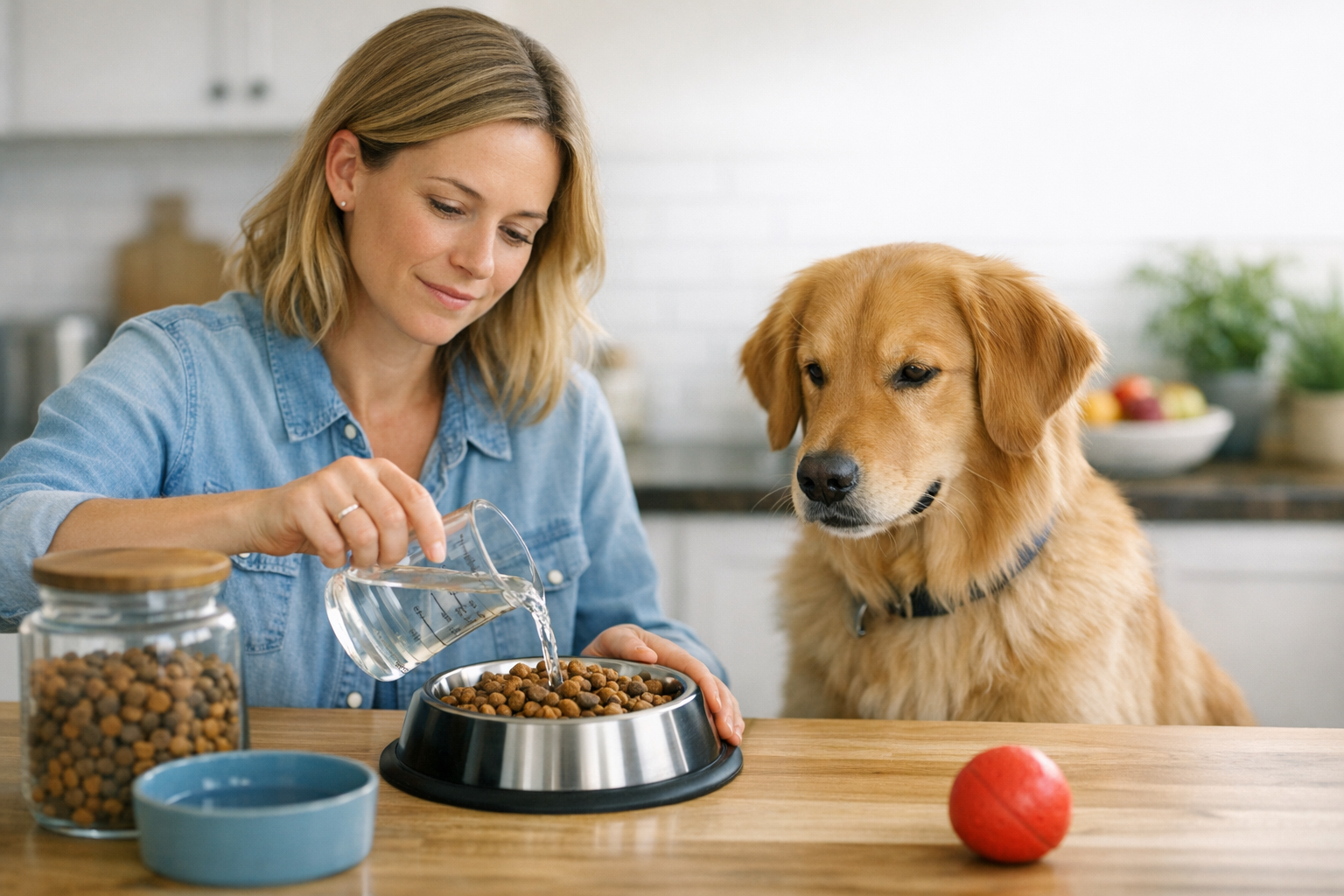
You stand in your kitchen, bowl in hand, watching your dog wait for their dinner. Perhaps you have noticed they are drinking more water than usual lately. Or maybe your senior dog seems to be working a little harder to crunch through those hard nuggets of kibble. It is a common moment for many owners to wonder if that dry food needs a little help. Adding water to kibble is a simple step, but it can significantly change how your dog digests their meal and how much they enjoy it.
At BaxterBoo, we talk to pet parents every day who want to get the most out of their dog's nutrition. If you are still deciding what to feed, our dog food category is a great place to start. In this guide, we will look at why you might want to add moisture to the bowl and when it is better to leave it dry. We will also cover the safest ways to mix water and food to avoid bacteria growth. Adding water can be a healthy habit for most dogs as long as you follow a few basic safety rules.
Quick Answer: Yes, you can add water to dry dog food to improve hydration, aid digestion, and enhance flavor. It is especially helpful for senior dogs with dental issues or picky eaters, but the food must be eaten quickly to prevent spoilage.
The Benefits of Hydration in the Food Bowl
Most dry dog foods are very low in moisture, usually containing only about 10 percent water. In nature, a dog’s diet would naturally contain much more liquid. When a dog eats only dry kibble, they have to drink a significant amount of water separately to stay hydrated and process those calories. For dogs that are not big drinkers, this can lead to a state of mild, chronic dehydration.
Adding water directly to the food ensures your dog gets a boost of hydration with every bite. This is particularly important for dogs with urinary tract issues or those prone to kidney stones. For more support around overall wellness, our dog healthcare category can help you explore related care options. Increased fluid intake helps the kidneys flush out waste more effectively. It also keeps the lining of the urinary tract healthy.
Better Digestion and Satiety
When dry kibble hits a dog's stomach, it begins to soak up the gastric juices. This causes the kibble to expand. If a dog eats too quickly, this expansion happens rapidly in the stomach, which can lead to discomfort or bloating. By adding water to the bowl and letting it sit for a few minutes, you allow that expansion to happen before your dog swallows.
This process also makes the food easier to digest. The water begins to break down the hard starches in the kibble. This means your dog's system does not have to work quite as hard to extract nutrients. Additionally, the extra volume from the water can help a dog feel full. If you are managing a dog's weight, the added liquid provides a sense of fullness without adding extra calories.
Key Takeaway: Adding moisture to kibble mimics a more natural diet and takes the strain off the kidneys and digestive system.
Helping Picky Eaters and Senior Dogs
Some dogs simply lose interest in plain, dry kibble over time. This is often because dry food does not have a very strong scent. A dog's sense of smell is closely tied to their appetite. When you add warm water to kibble, it releases the fats and aromas within the food. The bowl suddenly smells much more like a fresh meal, which can tempt a picky eater back to the bowl.
For senior dogs, the benefits are often physical. As dogs age, they may develop dental disease, losing teeth or suffering from sore gums. Crunching down on hard kibble can become painful. Softening the food with water allows them to eat comfortably. It ensures they continue to get the calories they need without the physical struggle of chewing hard textures.
Support for Puppies
Puppies transitioning from milk or wet food to solid kibble can also benefit. Their deciduous teeth are small and not as strong as adult teeth. Mixing water with their puppy food creates a "mash" that is much easier for their young mouths to handle. It also ensures they stay hydrated during a period of rapid growth and high energy. If you are feeding a young dog, our guide on when puppies can eat dry dog food is a helpful companion read.
Vet Tip: If your senior dog suddenly stops wanting to eat dry food, consult your veterinarian. While softening the food helps, a sudden change in appetite can signal underlying dental pain or other health issues that need professional attention.
Understanding the Risks of Wetting Dry Food
While there are many benefits, adding water to kibble is not without risks. The most significant concern is spoilage. Dry kibble is processed to be shelf stable at room temperature because it lacks moisture. The moment you add water, you create a perfect environment for bacteria like Salmonella and Listeria to grow.
If you add water to your dog's food, you must treat it like fresh or wet food. You cannot leave it out all day for a dog to graze on. Bacteria can reach dangerous levels in as little as an hour, especially in warm weather. If your dog is a "grazer" who likes to take a few bites and walk away, adding water may not be the right choice for your household.
Dental Health Considerations
There is a long standing belief that dry kibble helps clean a dog's teeth through mechanical scraping. While some specialized dental diets are designed to do this, most standard kibbles crumble too quickly to provide much benefit. However, soaking the food entirely removes any abrasive quality it might have had.
If you choose to soak your dog's food, you should be more diligent about other forms of dental care. Our dog healthcare category is a good place to look for oral care support. This might include regular tooth brushing or providing dental chews. Do not rely on the "crunch" of dry food to keep your dog's mouth healthy.
- Only add water to the portion your dog will eat immediately.
- Discard any moistened food that has been sitting out for more than 30 to 60 minutes.
- Wash the food bowl thoroughly with soap and hot water after every meal.
- Monitor your dog's teeth and gums regularly for plaque buildup.
How to Properly Add Water to Kibble
To get the most benefit, you should follow a specific process when mixing water into your dog's meal. Using the right temperature and ratio will ensure the food is palatable and safe. You do not want the food to be swimming in a deep pool of water, but you want enough to thoroughly coat and eventually soften the pieces.
The Right Temperature and Ratio
Always use filtered or clean tap water that is warm, not boiling. Boiling water can actually destroy some of the heat sensitive vitamins and probiotics added to high quality dog foods. Warm water is best because it effectively triggers the release of aromas and softens the kibble faster than cold water.
A good starting ratio is one part water to three or four parts kibble. For example, if you feed one cup of food, try adding one quarter cup of water. You can adjust this based on your dog's preference. Some dogs like a crunchy center with a bit of "gravy" on the outside, while others prefer the kibble to be completely soft.
The Waiting Period
If you want the kibble to be soft, you need to let it soak. After adding the warm water, wait about five to ten minutes. During this time, the kibble will absorb the liquid and expand. This is also the time when the "gravy" forms from the natural starches and fats in the food. If you are in a hurry, even a two minute soak will provide some hydration benefits.
Bottom line: Use warm water in a 1:4 ratio and let it sit for a few minutes to create a safer, more flavorful meal.
Alternatives to Plain Water
If you want to provide even more nutrition, you can use liquids other than plain water. Many owners find that specialized toppers or broths make the meal even more enticing. This is a great way to use the rewards you earn through the MVP Rewards programme, where you can get money back on your frequent purchases of food and toppers.
Bone Broth and Goat Milk
Bone broth is an excellent alternative to water. It is rich in collagen, glucosamine, and amino acids that support joint health and digestion. However, you should never use bone broth made for humans, as it often contains onions, garlic, and high levels of salt, which are toxic to dogs. Use a broth specifically formulated for pets.
Goat milk is another popular option. It is often called "universal milk" because it is very easy for dogs to digest. It contains natural probiotics that support gut health. Adding a splash of goat milk to dry food can be a great way to support a dog with a sensitive stomach.
Mixing with Canned Food
You can also create a hybrid meal by mixing dry kibble with canned food. This provides the hydration of wet food along with the calorie density of dry food. Many people find this is a more cost effective way to improve their dog's diet. We carry over 500 brands at BaxterBoo, and many of them offer both dry and wet versions of the same recipe, making it easy to mix and match.
Step 1: Measure your dog's standard dry food portion into a clean bowl. Step 2: Add your chosen liquid, such as warm water or pet safe bone broth. Step 3: Stir the mixture to ensure even coating. Step 4: Wait 5 to 10 minutes for the desired consistency. Step 5: Serve immediately and pick up the bowl once they finish.
Transitioning to a Moistened Diet
If your dog has always eaten dry food, do not be surprised if they are a bit hesitant at first. The change in texture can be confusing. Start by adding just a tablespoon or two of water to the top of the food without stirring it in. This allows them to experience the new smell while still having the familiar crunch underneath.
Over the course of a week, you can gradually increase the amount of water and the soaking time. If your dog has a very sensitive stomach, any change in their feeding routine should be done slowly. While water itself does not cause digestive upset, the change in how the food is processed in the stomach might cause some minor gas or loose stools if done too quickly. If you want a deeper walk-through, our guide to wetting dry dog food covers the same mealtime basics in more detail.
Using Autoship for Consistency
Once you find a routine that works, whether it is a specific kibble brand or a favorite bone broth topper, consistency is key. Our Autoship programme is a great way to make sure you never run out of your dog's favorites. You can save on your first order and receive free MVP Gold membership. This ensures that your dog's digestive system stays on a steady schedule with the high quality food they need.
When to Talk to a Professional
While adding water to food is generally safe, there are times when you should consult your veterinarian. If you are feeding a prescription diet for a specific health condition, like kidney disease or urinary crystals, check with your vet before adding extra water or toppers. Some therapeutic diets are very precisely balanced, and adding too much extra liquid or outside ingredients might dilute the effectiveness of the food.
If your dog is experiencing chronic digestive issues, such as frequent vomiting or diarrhea, your vet might recommend a specific way of preparing their food. In some cases, a highly digestible prescription diet from our pharmacy may be necessary. Through our pharmacy selection, you can find prescription-focused support that fits a vet-directed feeding plan.
Vet Tip: Always consult your vet before adding supplements or toppers to a prescription diet. They can help you determine the right moisture level to support your dog’s specific medical needs.
Summary of Feeding Options
There is no one right way to feed every dog. Some do perfectly fine on dry kibble with a separate bowl of fresh water. Others thrive when their food is turned into a hydrating, flavorful stew. The table below summarizes the different ways you can approach adding moisture to the bowl.
| Method | Best For | Main Benefit |
|---|---|---|
| Warm Water | Most healthy dogs | Improved hydration and digestion |
| Bone Broth | Senior dogs or active dogs | Joint and gut health support |
| Goat Milk | Puppies or sensitive stomachs | Probiotic and immune support |
| Wet Food Mix | Picky eaters | High palatability and variety |
Practical Tips for Cleanliness
Because wet food attracts more bacteria and can be messier, you may need to adjust your cleaning routine. Dogs that eat moistened food are more likely to get food particles stuck around their muzzles, especially if they have long facial hair or "beards." Keeping a pack of pet wipes near the feeding station can help keep their face clean and prevent skin irritation or "kibble breath."
The bowl itself needs more attention too. Dry kibble leaves behind a fine dust of fats and proteins that can turn rancid. When water is added, these particles stick to the bowl and can form a slimy film called biofilm. This film can harbor bacteria that are resistant to simple rinsing. A trip through the dishwasher or a scrub with hot, soapy water after every meal is the best way to keep your dog's dining area safe.
Quality Ingredients Matter
Regardless of whether you add water, the quality of the base kibble is the most important factor in your dog's health. At BaxterBoo, we handpick the brands we carry to ensure they meet high standards for nutrition. Brands like Farmina, Royal Canin, and Stella & Chewy's offer nutrient dense options that hold up well when moisture is added.
If you are starting with a high quality food, adding water simply helps your dog get the most out of those premium ingredients. It assists the body in breaking down high quality proteins and absorbing essential minerals. It is a small step that can lead to better long term health for your dog.
Conclusion
Adding water to dry dog food is a simple and effective way to support your dog's hydration and digestive health. It can make a world of difference for a senior dog struggling with hard kibble or a picky puppy who needs a bit of encouragement at mealtime. By following the 30 minute rule for spoilage and using warm, filtered water, you can safely enhance your dog's daily routine.
Our team is here to help you find the perfect combination of food, broths, and toppers to keep your dog's tail wagging. Whether you shop online or visit our warehouse in Vernon Hills, you will find a curated selection of products that we truly believe in. For more meal inspiration, our selection of dog food toppers can help you build on the routine you already have.
Bottom line: Adding water to kibble is a healthy practice for most dogs, as long as you maintain strict bowl hygiene and discard uneaten portions.
Check out our full collection of dog food and toppers to find the perfect match for your pet's needs. If your dog requires a specific diet for a health condition, remember that our pharmacy for dogs offers a wide range of prescription foods to keep them feeling their best.
FAQ
Does adding water to dry dog food cause bloat?
Actually, adding water may help prevent bloat in some cases by slowing down fast eaters and pre-expanding the kibble before it reaches the stomach. However, for dogs at very high risk for GDV (bloat), you should consult your vet about the best feeding practices. It is usually the speed of eating and the air swallowed that causes the most concern. If you want to compare more feeding approaches, our guide to mixing dry dog food with water is a useful next read.
How long should I let the kibble soak before serving?
A soak time of 5 to 10 minutes is usually sufficient to soften the food and create a light gravy. If your dog prefers a bit of crunch, you can serve it immediately after stirring. If you have a senior dog with very few teeth, a 15 minute soak in warm water will turn the kibble into a soft mash that is much easier to swallow. For more ideas on age-specific feeding, our senior dog food guide is a helpful place to continue.
Can I add cold water instead of warm water?
You can use cold water, but it will not release the aromas and fats as effectively as warm water. Warm water is more enticing for picky eaters and helps the kibble soften much faster. Just ensure the water is not hot enough to burn your dog's mouth or destroy the sensitive nutrients in the food.
Will adding water make my dog's teeth rot?
Adding water does not directly cause tooth decay, but it does remove the slight abrasive benefit of dry kibble. If you switch to a softened diet, it is important to be proactive with other dental care. Brushing your dog's teeth regularly and providing veterinary approved dental treats will help maintain oral health regardless of their food's texture. If you are shopping for a younger dog, our puppy food guide can help you compare formulas for growing pets.






