Save 15% on your 1st Autoship learn more

 Email us
 Live Chat
 FAQs
FAQs





Introduction
It is a rainy Tuesday afternoon, and your high-energy dog is pacing the hallway. You have already played three rounds of indoor fetch, but the restless energy remains. This is the exact moment many owners realize that physical exercise is only half the battle. Mental stimulation is the missing piece of the puzzle. At BaxterBoo, we know that a bored dog can quickly become a destructive dog. This guide explores how a snuffle mat can transform mealtime into a rewarding brain game. We will cover the specific features that make a mat durable, safe, and effective for different breeds. From slowing down fast eaters to calming anxious pups, the right snuffle mat taps into a dog's most powerful sense. Finding the best dog snuffle mat requires looking at material quality, ease of cleaning, and the specific difficulty level your pet needs.
The Science of the Snuffle: Why Scent Matters
A dog's world is built on scent. While humans rely heavily on sight, a dog's olfactory system is significantly more advanced. Their brains have a much larger area dedicated to processing smells than ours do. When a dog puts its nose to the ground, it is not just smelling; it is gathering information and solving problems. This is why ten minutes of intense sniffing can often be as tiring for a dog as a long walk.
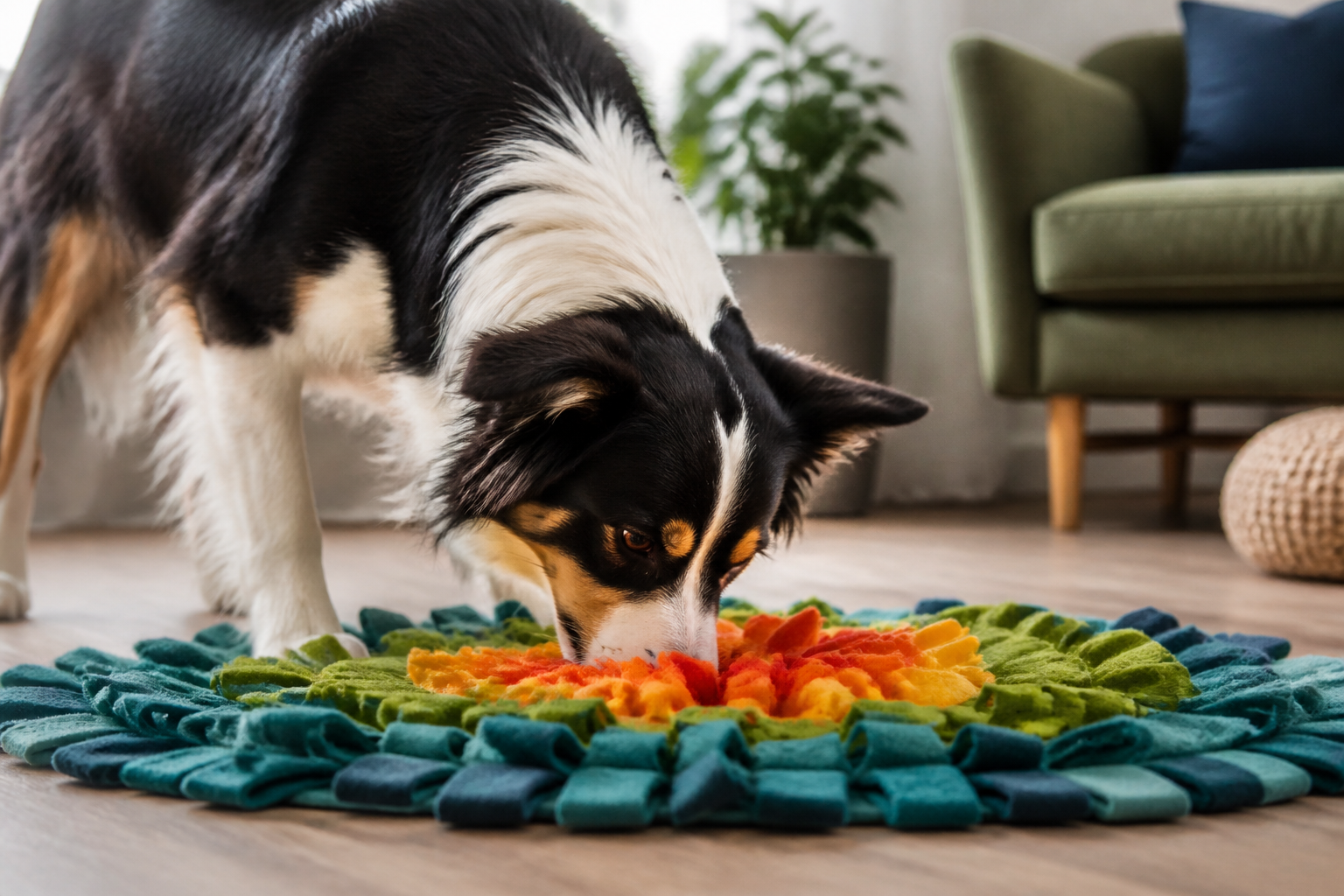
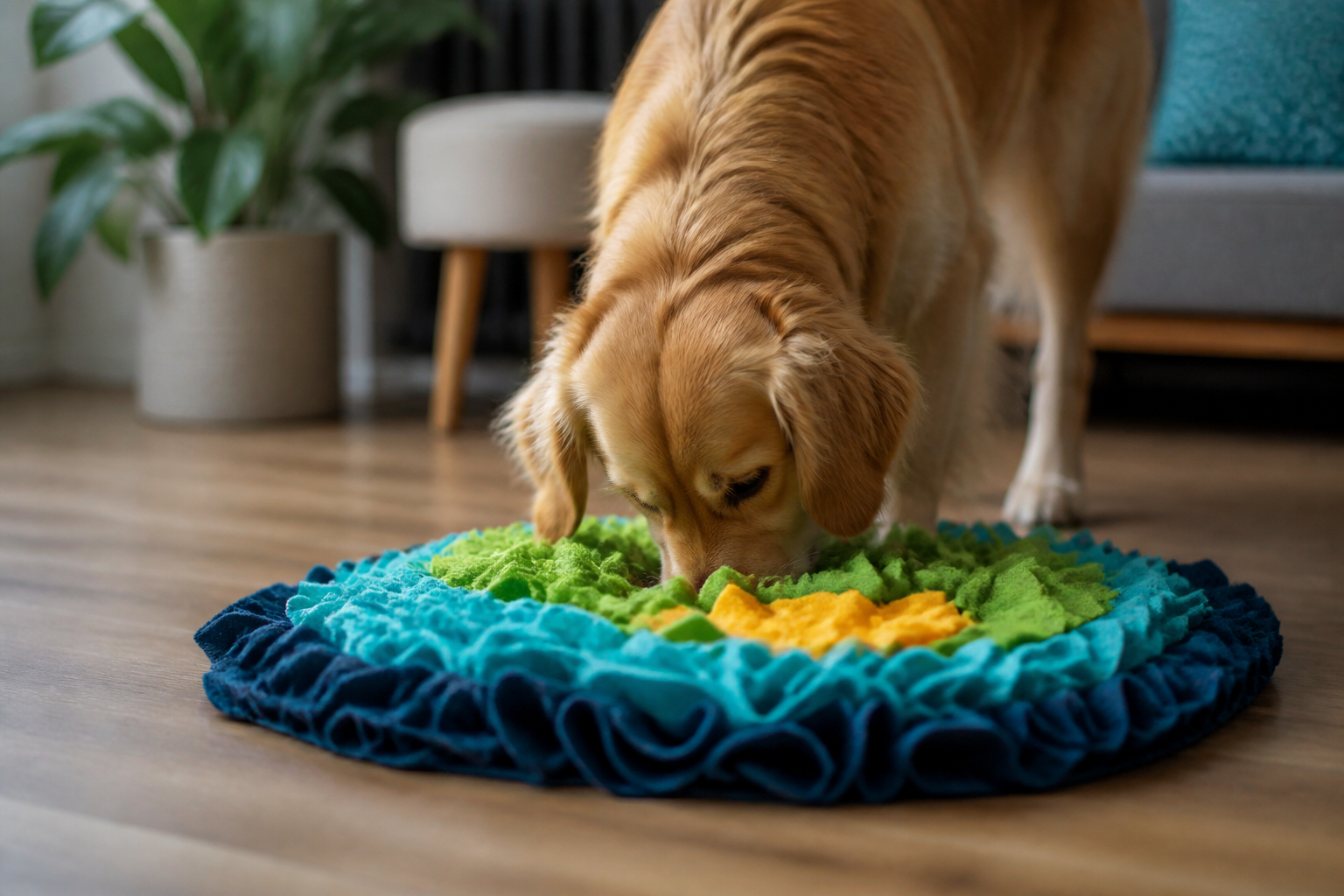
Snuffle mats are designed to mimic the experience of foraging in long grass. By hiding small pieces of dry food or treats within the folds of fabric, you force the dog to use its nose to locate its reward. This activity triggers the release of dopamine, the feel-good hormone, which helps lower stress levels.
Quick Answer: A snuffle mat is an enrichment toy made of fabric strips or pockets designed to hide dry food. It encourages natural foraging behavior, provides mental stimulation, and helps slow down fast eaters during mealtime.
For more ways to keep your dog engaged indoors, explore our dog toys.
Key Features of the Best Dog Snuffle Mat
Not all mats are created equal. If you choose a poorly made option, you might find your dog simply shaking the mat to let the treats fall out or, worse, chewing off the fabric strips.
Material Safety and Texture
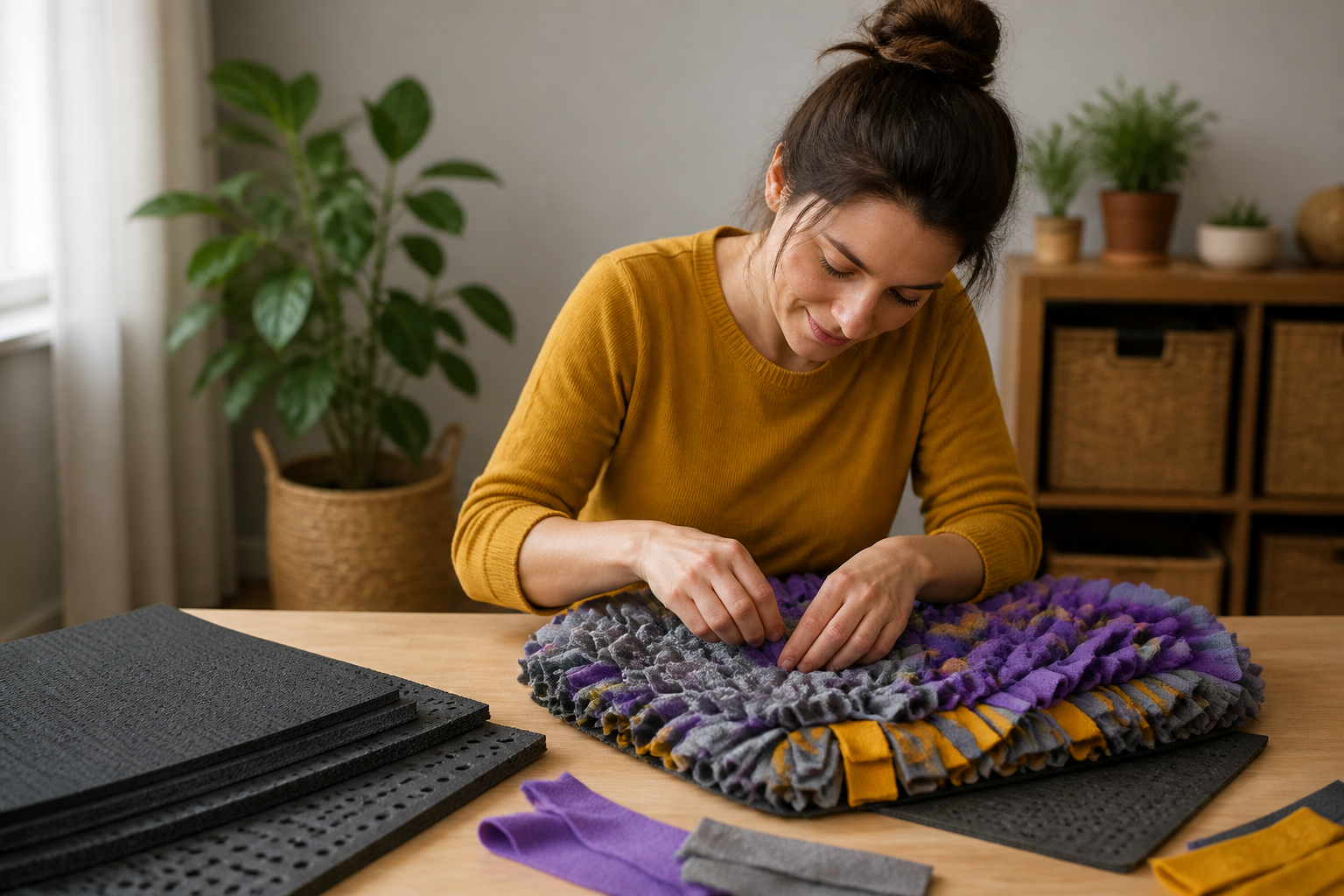
The most common material for a high-quality snuffle mat is heavy-duty polyester fleece. Fleece is ideal because it is soft on a dog's nose and mouth. It also holds its shape well, which is necessary for creating the "pockets" where food is hidden. You should ensure the fabric is non-toxic and free from harsh chemical dyes. Since your dog will be rooting around in these fibers with their nose and tongue, safety is the top priority.
Stability and Non-Slip Bases
A lightweight mat will end up flipped over within seconds. Look for mats with a heavy rubber backing or a non-slip silicone base. Some of the best designs even include suction cups for use on hardwood or tile floors. Stability ensures the dog stays focused on the sniffing task rather than wrestling with the mat itself.
Machine Washability
This is a non-negotiable feature. Between dog drool and the crumbs of kibble, a snuffle mat will get dirty quickly. A mat that cannot go into the washing machine will soon become a breeding ground for bacteria and unpleasant odors. Most high-quality mats are designed to be tossed into a gentle cold cycle and air-dried.
Key Takeaway: The best snuffle mats combine soft, non-toxic fleece with a heavy, non-slip base and are fully machine washable for long-term hygiene.
A product such as the Zanies Sniffari Snuffle Mat Dog Toy - Owl combines treat-hiding features with machine-washable convenience.
Benefits Beyond Simple Play
While many people view these mats as a way to keep a dog busy while they work, the benefits extend into health and behavioral management.
Slowing Down the Speed Eater
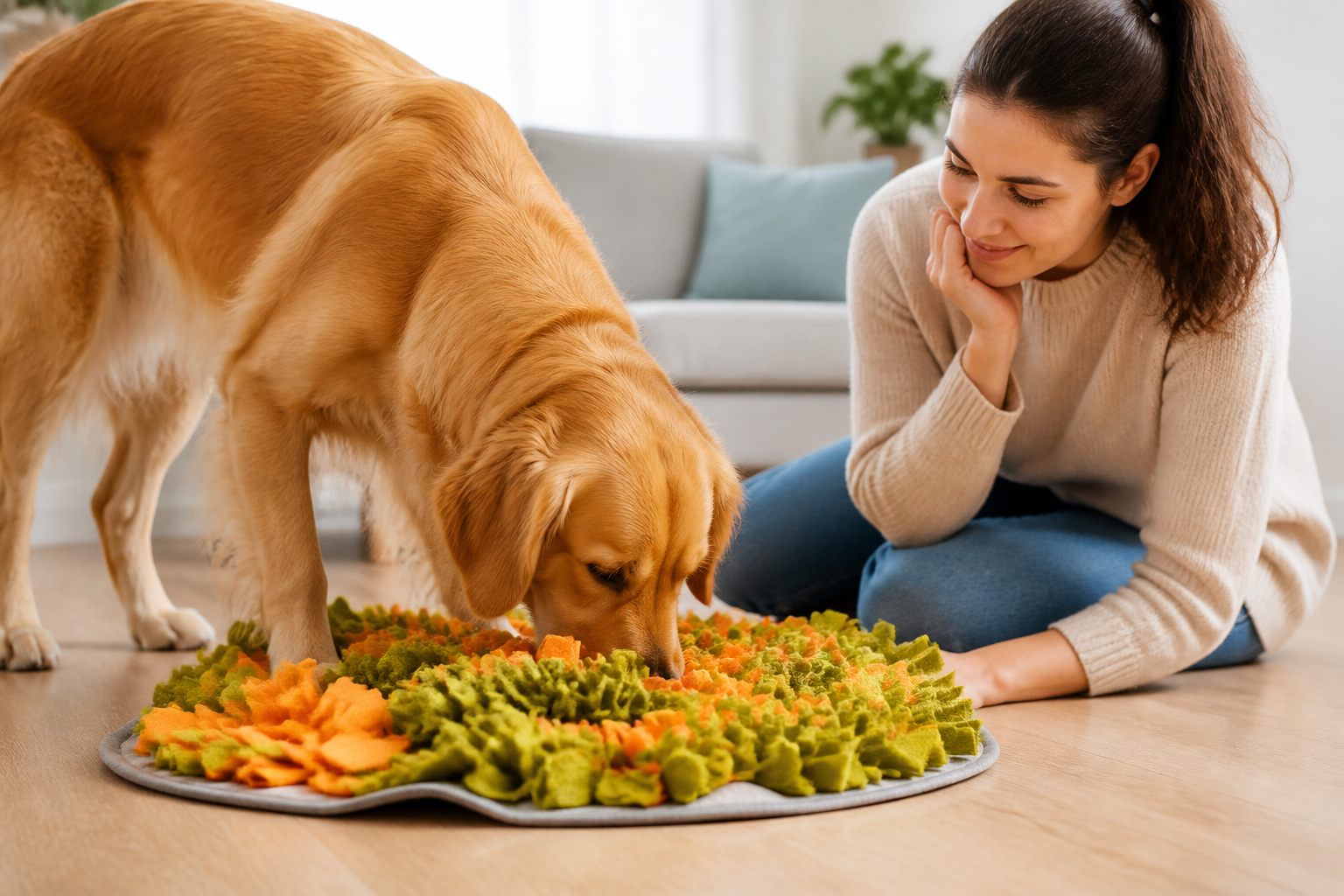
If your dog inhales their dinner in thirty seconds, they are at risk for digestive upset and a dangerous condition called bloat. A snuffle mat turns a thirty-second meal into a ten-minute activity. Because the dog has to find every individual piece of kibble, they are forced to eat at a natural, healthy pace.
For additional enrichment and food-based activities, browse our dog treats.
Mental Exercise for Senior Dogs
As dogs age, their physical mobility often decreases. They might not be able to go for long hikes or play intense games of fetch anymore. However, their minds still need exercise. Snuffling is a low-impact activity that provides cognitive stimulation without putting stress on aging joints.
Vet Tip: For senior dogs showing signs of cognitive decline or those managing anxiety, mental enrichment tools like snuffle mats are highly recommended. If your pet’s behavior changes significantly, always consult your veterinarian. Our pharmacy offers FDA-approved medications for dogs needing clinical support for anxiety or cognitive health.
For more ideas that support mental engagement across life stages, read Beyond the Walk: Engaging Brain Games Your Dog Will Love.
Anxiety Relief and Calming
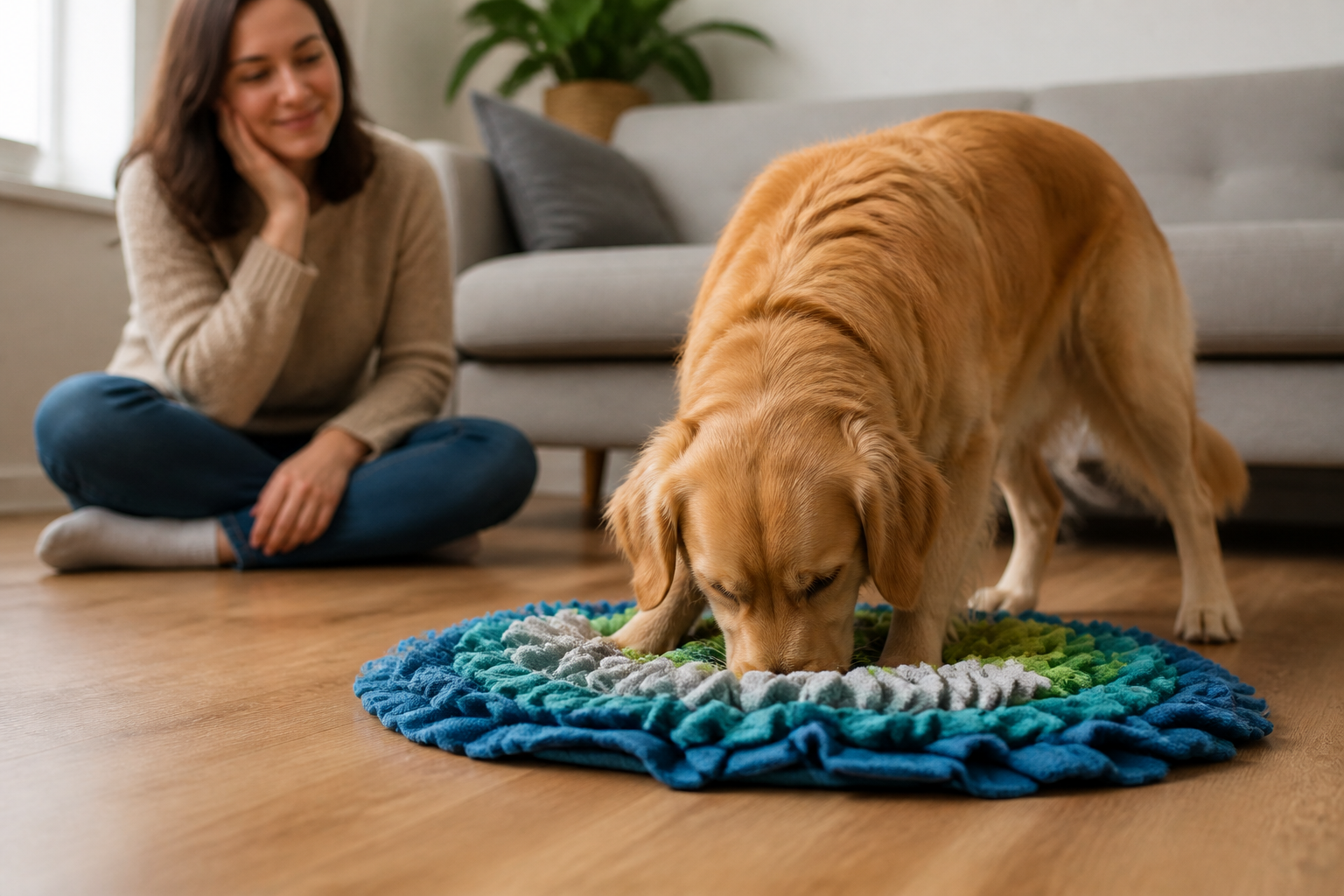
The act of sniffing is naturally rhythmic and calming for dogs. Many trainers recommend using a snuffle mat during high-stress events, such as thunderstorms or when guests arrive. It gives the dog a "job" to focus on, which can help redirect nervous energy into a productive and rewarding task.
You can also explore our calming dog toy ideas for additional enrichment options.
Comparison of Snuffle Mat Styles
| Mat Style | Best For | Pros | Cons |
|---|---|---|---|
| Traditional Shag | Beginners/All Breeds | Easy to use, very soft | Treats can be found quickly |
| Pockets & Flaps | Advanced Snufflers | Higher difficulty, keeps dogs busy longer | Harder to clean deeply |
| Bowl-Shaped | Small Breeds/Travel | Portable, contains mess well | May be too small for large dogs |
| Industrial/Nylon | Heavy Chewers | Very durable, resists tearing | Less soft on the nose |
Choosing the Right Difficulty Level
Just like human puzzles, snuffle mats come in different levels of complexity. If you give a beginner dog a mat with complex hidden pockets and locking flaps, they might get frustrated and walk away.
- Level 1: The Simple Shag. This mat looks like a shaggy rug. You simply sprinkle the food on top and ruffle the fibers. It is perfect for puppies and dogs new to the concept.
- Level 2: The Multi-Texture Mat. These include different shapes like felt "flowers," cups, and folded strips. The variety of textures requires the dog to move the fabric in different ways to reach the food.
- Level 3: The Puzzle Mat. These often feature actual lids, Velcro closures, or deep pockets. The dog must learn to use their paws or snout to flip, pull, or push obstacles aside to find the reward.
Bottom line: Start with a simple design to build your dog's confidence before moving to complex mats that require advanced problem-solving.
If you are shopping for a younger dog, browse our puppy toys for age-appropriate enrichment options.
How to Introduce a Snuffle Mat to Your Dog
If you simply drop a mat full of hidden treats in front of your dog, they might try to rip it apart to get to the "good stuff." Proper introduction is key to ensuring the mat lasts.
Step 1: Start with high-value treats. / Use something very smelly and enticing, like small pieces of dried liver, and place them right on top of the fabric where they are clearly visible.
Step 2: Use a release command. / Ask your dog to sit and stay. Once the mat is ready, give a command like "Find it" or "Search" to signal that the game has begun.
Step 3: Supervise the first few sessions. / If you see your dog start to chew the fabric or try to pick the mat up to shake it, gently interrupt them. Guide their nose back to the "snuffling" action.
Step 4: Increase the difficulty. / Once they understand that sniffing leads to treats, start tucking the food deeper into the folds. Eventually, you can transition to using their regular dry kibble for mealtime.
Step 5: Remove the mat when empty. / This prevents the dog from turning the mat into a chew toy once the food reward is gone.
For another enrichment option that encourages problem-solving, read The Ultimate Guide to Dog Boredom Busters.
Cleaning and Maintaining Your Snuffle Mat
Because these items are used for food, they require regular maintenance. A dirty mat can smell bad and attract pests.
- Daily Maintenance: Shake the mat out over a trash can after every use to remove any leftover crumbs or saliva-soaked bits of food.
- Weekly Washing: Depending on how much your dog drools, aim to wash the mat once a week. Use a pet-safe, fragrance-free detergent. Avoid fabric softeners, as the strong scents can be overwhelming for a dog's sensitive nose.
- Drying: Air drying is usually best to preserve the elasticity of the backing and the texture of the fleece. If you must use a dryer, use a low-heat setting.
- Storage: Roll the mat up and store it in a cabinet when not in use. This keeps it "fresh" and exciting for your dog and prevents it from gathering household dust.
Safety and Supervision
While snuffle mats are generally safe, they are not indestructible. Most are made of fabric, which can be swallowed if a dog decided to shred the mat.
- Not for Heavy Chewers: If your dog has a history of eating fabric or destroying plush toys, you must supervise them 100% of the time. Ingesting fleece strips can lead to intestinal blockages.
- Check for Wear and Tear: Regularly inspect the mat for loose threads or pieces of fabric that have been partially chewed off. Trim any loose bits or replace the mat if it is falling apart.
- Food Management: Be mindful of the extra calories. If you are using the mat for treats throughout the day, reduce the amount of food you give at dinner to avoid weight gain. Our team can help you find healthy, low-calorie treats that work perfectly for snuffling.
Key Takeaway: A snuffle mat is a tool for supervised enrichment, not a chew toy. Removing it after the treats are gone ensures it remains a special, safe activity.
Addressing Behavioral Challenges
For many owners, the best dog snuffle mat is a solution to specific behavioral hurdles. We often see pet parents looking for ways to manage high-strung breeds like Border Collies or Australian Shepherds. These dogs are bred to work, and without a job, they can become anxious.
A snuffle mat provides a constructive outlet for that work drive. It is also an excellent tool for "crate training" or teaching a dog to be calm in a specific spot. By giving them a mat while they are in their crate or on their bed, you create a positive association with that space.
If you are managing a dog with severe separation anxiety, a snuffle mat can be part of a broader management plan. While it is not a cure on its own, it can help lower the dog's overall stress levels. For more complex cases, we recommend consulting a certified veterinary behaviorist. You can also explore our dog pharmacy for products that support calming and behavioral health, which are often used alongside enrichment activities.
For more guidance on creating positive associations with a crate, read Crate Training Your Dog: How Much Is Too Much?.
Conclusion
Introducing a snuffle mat into your dog’s routine is one of the simplest ways to improve their quality of life. It provides a natural outlet for their instincts, slows down their eating habits, and offers a quiet, calming activity for busy households. By focusing on high-quality materials like non-toxic fleece and ensuring the mat is easy to clean, you provide a safe environment for your dog to explore. Remember to supervise your pet during their first few sessions to build good habits and prevent the mat from being treated as a chew toy. Whether you have a growing puppy or a senior dog, this simple tool makes every meal an adventure.
- Choose a mat with a non-slip base for better stability.
- Look for machine-washable fabrics like polyester fleece.
- Introduce the mat slowly with high-value treats to build confidence.
- Always supervise use to prevent chewing or ingestion of fabric.
Bottom line: A snuffle mat is a cost-effective and highly beneficial addition to any dog's toy collection, focusing on mental health as much as physical satisfaction.
Ready to start your dog's enrichment journey? You can earn rewards on every purchase, including enrichment toys and premium kibble, through our MVP Rewards programme.
FAQ
Can I use wet food or raw food in a snuffle mat?
It is not recommended to use wet or raw food in a fabric snuffle mat. The moisture will soak into the fleece and backing, making it very difficult to clean and potentially leading to mold or bacteria growth. Stick to dry kibble or dehydrated treats. If you want to use wet food, a silicone lick mat is a much better and more hygienic choice.
How long should I let my dog use the snuffle mat?
A typical snuffling session lasts between five and fifteen minutes, depending on the size of the mat and how deeply you hide the treats. You should remove the mat as soon as your dog has found all the food. This prevents them from getting bored or starting to chew on the fabric strips once the "reward" is gone.
Is a snuffle mat good for puppies?
Yes, snuffle mats are excellent for puppies. They provide a safe way to burn off energy and help puppies learn to focus. Because puppies are often "mouthy" and prone to chewing, you must supervise them closely to ensure they are sniffing for the food rather than chewing on the fabric. It is a great way to start their cognitive development early.
What should I do if my dog just shakes the mat to get the treats?
Some clever dogs figure out that shaking the mat is faster than sniffing. To prevent this, look for a mat with a heavier base or one that has suction cups to secure it to the floor. You can also try using smaller, smellier treats and hiding them deeper in the folds so they do not fall out as easily when the mat is moved.