
 Save 15% on your 1st Autoship learn more

 Email us
 Live Chat
 FAQs
FAQs





Introduction
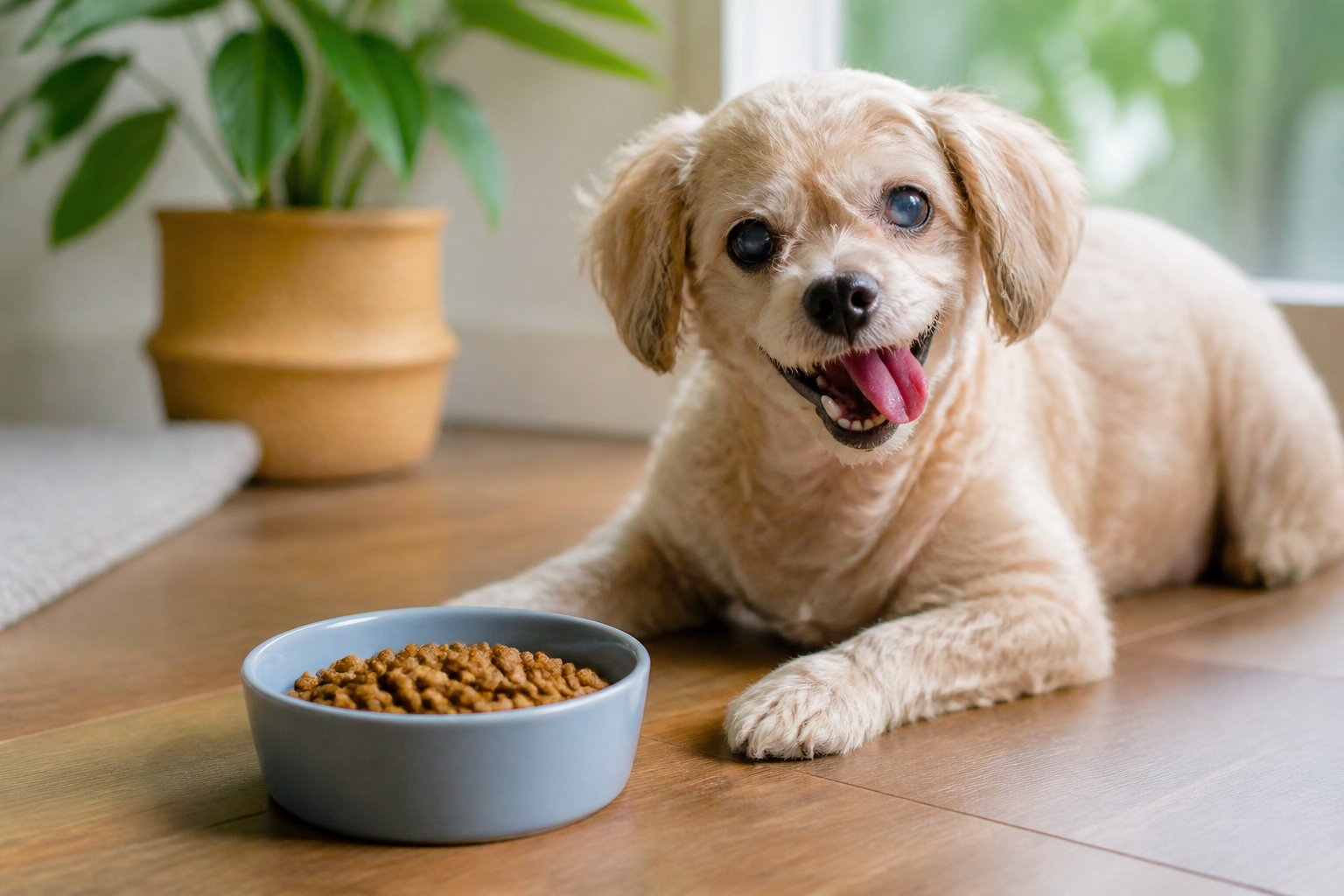
You are standing over the food bowl. Your senior dog is looking up at you with that familiar, hungry gaze. There is a new challenge in the mix. After a recent dental surgery or years of managing periodontal disease, your dog has few or no teeth left. You wonder if that bag of kibble in the pantry is still an option or if everything needs to change. At BaxterBoo, we talk to pet owners every day who are navigating the gummy years of their dog's life. While a toothless dog can technically eat dry food, the way they process it changes significantly. This post covers how dogs eat without teeth, the risks of feeding hard kibble, and the best ways to keep your pet well-nourished.
Quick Answer: Yes, a dog with no teeth can eat dry food, but they usually swallow the kibble whole rather than chewing it. To make it safer and easier to digest, you should soften the dry food with warm water or low-sodium broth before serving.
How Dogs Eat Without Teeth
It is a common misconception that dogs chew their food the same way humans do. Humans have flat molars designed to grind plant matter and grains into a paste before swallowing. Dogs have a shearing dentition. Their teeth are designed to catch prey, tear meat, and break food into chunks small enough to swallow.
Once a piece of food is small enough to fit down the esophagus, a dog's natural instinct is to swallow. This is why many dogs with no teeth can still manage regular kibble. They simply use their tongue to move the food to the back of the throat. If the kibble pieces are small, the dog may not even notice the lack of teeth.
However, just because they can swallow it whole does not mean it is always the best choice. Chewing is the first step of digestion. When a dog swallows hard, dry nuggets whole, the stomach has to work much harder to break those pieces down. This can lead to digestive upset or gas in some sensitive dogs.
For older pets with changing nutritional needs, our senior dog food options can provide another place to compare formulas.
The Risks of Feeding Unaltered Dry Food
Feeding hard, dry kibble to a toothless dog comes with a few specific concerns. The most immediate risk is choking. If a dog gets overexcited and tries to swallow too many pieces of large-breed kibble at once, the food can become lodged.
Another concern is gum irritation. Without teeth to act as a barrier, hard kibble can rub against the sensitive gingival tissue. If your dog recently had extractions, these areas will be tender. Hard edges can cause pain or even lead to minor bleeding in the mouth.
For more guidance about warning signs related to oral discomfort, read how to recognize bad teeth in dogs.
Key Takeaway: While dogs are resilient, the lack of teeth means the mechanical breakdown of food must happen in the bowl rather than the mouth. Softening or resizing food protects the gums and aids digestion.
Strategies for Feeding Dry Food to Toothless Dogs
If your dog is a devoted fan of their current dry food, you do not necessarily have to switch to a different brand. You can modify the texture to make it safer. We see many owners find success with these simple preparation steps.
Soaking the Kibble
The most effective way to serve dry food to a gummy dog is to hydrate it. This turns hard nuggets into a soft, mashable consistency.
Step 1: Measure the portion. / Place your dog's standard amount of dry food into their bowl.
Step 2: Add warm liquid. / Use warm water or a pet-safe, low-sodium chicken or beef broth.
Step 3: Wait for absorption. / Let the food sit for 10 to 15 minutes until the kibble is soft to the core.
Step 4: Mash if necessary. / Use a fork to crush any remaining hard centers before serving.
Crushing the Kibble
If your dog prefers a bit of texture but struggles with whole pieces, you can break the food down. Place the dry kibble in a sealed bag and use a rolling pin to crush it into smaller, manageable bits. This reduces the choking risk while allowing the dog to enjoy the flavor they are used to.
Mixing with Toppers
Sometimes a toothless dog loses interest in dry food because it is harder to pick up with their tongue. Adding a topper like yogurt, canned pumpkin, or a splash of wet food can act as a binder. This makes the food easier to lap up and provides a boost of aroma that encourages eating.
For soft meal additions, explore our dog food topper selection.
Vet Tip: If your dog is losing weight or seems reluctant to eat, schedule a veterinary exam. A professional can check for underlying mouth pain or infections that might require prescription medications or a specific therapeutic diet from our pharmacy.
Transitioning to Wet and Fresh Alternatives
Many owners find that a toothless dog is ultimately happier on a diet that is naturally soft. If you decide to move away from dry kibble, there are several high-quality options available.
- Canned Wet Food: This is the most common alternative. Brands like Royal Canin and Farmina offer textures ranging from smooth pates to stews with small, soft chunks.
- Dehydrated Food: Brands like The Honest Kitchen or Stella and Chewy's offer dehydrated or freeze-dried options. You simply add water to create a soft, oatmeal-like consistency that is perfect for dogs with no teeth.
- Fresh and Gently Cooked Food: These diets are usually very soft and highly palatable. They are often easier for senior dogs to digest and require zero chewing.
When transitioning to a new food, go slowly. Mix a small amount of the new soft food with the old dry food over the course of 7 to 10 days. This prevents the stomach upset that often comes with sudden dietary changes.
For dehydrated meals and soft toppers, browse our selection of The Honest Kitchen products.
You can also compare the pros and cons of different textures in our guide to wet and dry food for senior dogs.
Specialized Diets and the BaxterBoo Pharmacy
Sometimes toothless dogs need more than just soft food. Many dogs lose their teeth due to advanced periodontal disease, which can be linked to other health issues like heart or kidney concerns. In these cases, your vet might recommend a prescription diet.
Through our partnership with Pet's Choice, the BaxterBoo pharmacy offers access to FDA-approved medications and prescription pet foods. If your veterinarian prescribes a specific diet for dental health or senior wellness, you can manage those needs easily through our site. This ensures your dog gets the exact nutrients they need to support their overall health, even if their mouth is a little different than it used to be.
Maintaining Oral Health After Tooth Loss
Even if your dog has no teeth left, oral hygiene is still important. Bacteria can still live on the gums and tongue, leading to bad breath and potential infections.
Cleaning the Gums
You can use a soft, damp cloth or a finger brush to gently wipe your dog's gums. This removes food debris and helps prevent the buildup of plaque on any remaining teeth. Doing this a few times a week keeps the mouth fresh and allows you to check for any redness or swelling.
For additional background, see these pet dental care tips.
Avoiding Hard Chews
Once the teeth are gone, you must retire the hard nylon bones and natural antlers. These can bruise the gums or cause injury to the jaw. Switch to soft plush toys or rubber toys designed for senior dogs.
Hydration is Key
Dry food provides very little moisture. When a dog has no teeth, they may also struggle to drink as efficiently as they once did. Ensure they always have access to fresh water. Adding water to their food, as mentioned earlier, is an excellent way to boost their daily intake.
Bottom line: A toothless mouth still requires regular inspection and gentle cleaning to prevent gum disease and discomfort.
Enrichment for Toothless Dogs
Eating is a primary source of mental stimulation for dogs. When they lose the ability to crunch and chew, they might miss out on that enrichment. You can replace the "crunch" with other sensory experiences.
Lick mats are an incredible tool for dogs with no teeth. You can smear soft food, peanut butter, or plain Greek yogurt across the mat. The act of licking is soothing for dogs and keeps them occupied for a long time.
You can also use soft treats for training. Look for "soft-baked" or "moist" treats that can be easily broken into tiny pieces. Brands like Zesty Paws or Honest Paws often have options that are easy on the gums while providing functional benefits like joint or skin support.
For more ideas, read this guide to dog boredom busters and enrichment.
Shopping for the Gummy Dog
When browsing for supplies at BaxterBoo, focus on textures and sizes. Small-breed kibble formulas are often better for toothless dogs because the individual pieces are much smaller and easier to swallow whole.
- Check the "Medical & Mobility" section for aids that help senior dogs reach their bowls more comfortably.
- Look for "Small Breed" filters in the dog food category.
- Consider our Autoship programme for your new soft food or prescription diets to ensure you never run out.
Conclusion
A dog with no teeth can lead a perfectly normal, happy life. While they can eat dry food, taking the extra step to soften it with warm water or broth makes a world of difference for their comfort and digestion. Whether you stick with kibble or transition to a soft canned diet, the most important thing is ensuring they receive balanced nutrition.
Key takeaways for caring for your toothless dog:
- Soak dry kibble for at least 10 minutes before serving.
- Monitor for signs of gum irritation or choking.
- Incorporate wet food or dehydrated toppers for easier eating.
- Keep up with gum hygiene and regular veterinary check-ups.
If your dog requires specialized nutrition or medication following their dental surgery, our pharmacy is here to help. We provide a convenient way to get the FDA-approved products your vet recommends, delivered right to your door.
FAQ
Can my dog choke if they swallow kibble whole?
Yes, there is a risk of choking if the kibble pieces are too large or if the dog eats too quickly. To prevent this, use a small-breed kibble or soften the food with water until it reaches a mushy consistency. You can also use a slow-feeder bowl to encourage smaller "bites" of food.
Will my dog's personality change after losing their teeth?
Most owners actually report that their dogs become more energetic and happier after having diseased teeth removed. Dental pain can cause lethargy and irritability. Once the source of the pain is gone, your dog may feel like a puppy again, even if their eating habits have changed.
Do I still need to brush my dog's teeth if they only have a few left?
Yes, it is arguably even more important to care for the remaining teeth. Those teeth are now doing more work and are more susceptible to plaque buildup. Use a pet-safe toothpaste and a very soft brush to clean them daily to prevent further extractions.
Is wet food better than dry food for toothless dogs?
Wet food is often easier for toothless dogs to manage because it requires no prep and is highly aromatic. However, high-quality dry food that has been properly softened is just as nutritious. The best choice depends on your dog's personal preference and any specific health requirements set by your vet.






