
 Save 15% on your 1st Autoship learn more

 Email us
 Live Chat
 FAQs
FAQs





Introduction
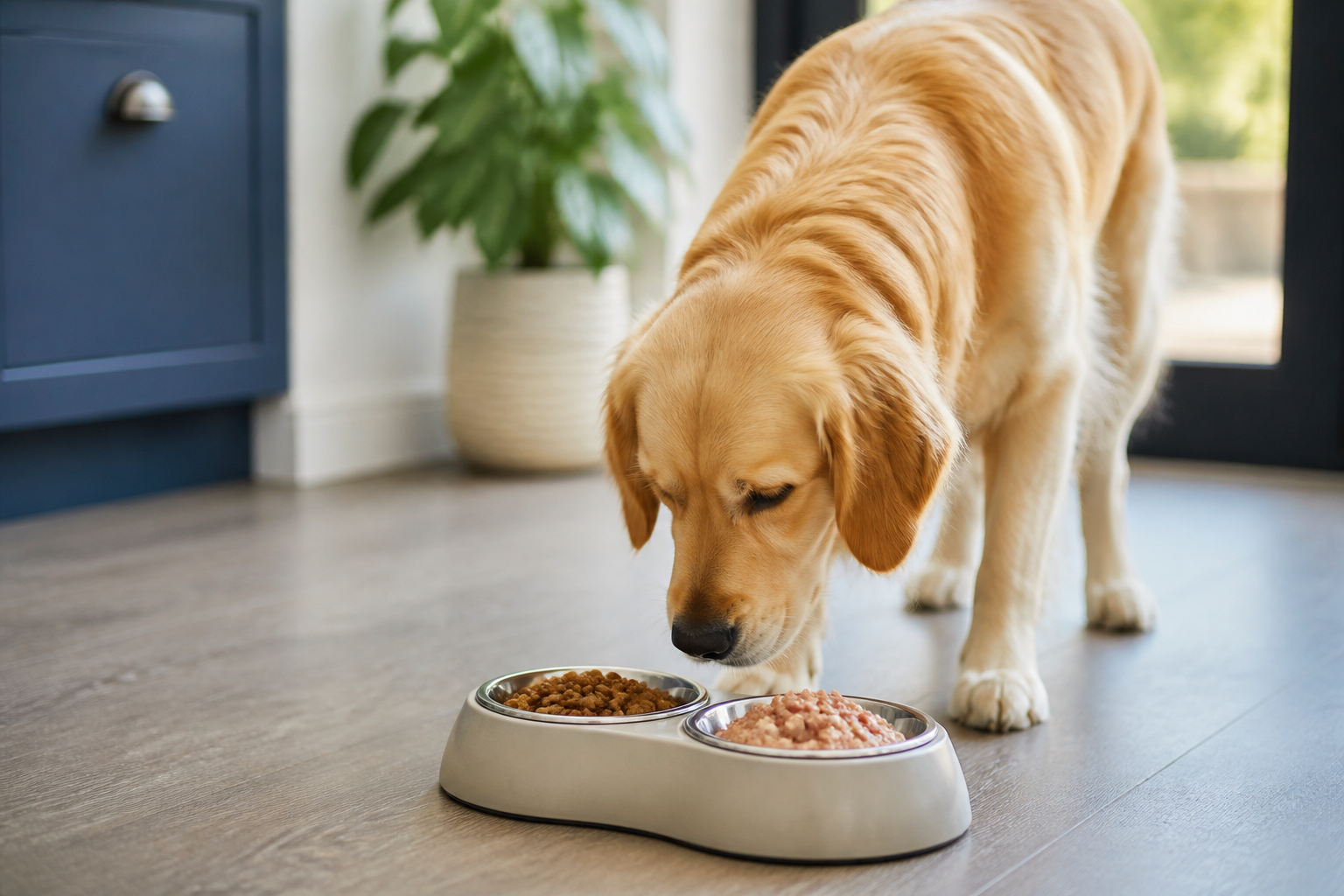
You are standing in the kitchen while your dog stares at a bowl of dry kibble with very little enthusiasm. Many pet owners face this exact moment. You want to make the meal more exciting, but you also worry about upsetting their stomach or causing weight gain. The good news is that mixing these two types of food is a great way to offer the best of both worlds. At BaxterBoo, we see many pet parents successfully combine textures to keep their dogs interested and hydrated. This post covers the benefits of mixed feeding, how to calculate the right portions, and safety tips for transitioning. We will also look at how to manage special dietary needs through our pharmacy services. Mixing wet and dry food is safe for most dogs as long as you maintain a nutritional balance.
Quick Answer: Yes, dogs can safely eat wet and dry food together. This combination provides the dental benefits of kibble alongside the hydration and high palatability of canned food.
The Benefits of a Mixed Diet
Combining wet and dry food offers several advantages for your dog's physical health and daily enjoyment. Each type of food brings a different set of strengths to the bowl.
Enhanced Hydration
Wet dog food typically contains about 75 to 78 percent moisture. Dry kibble usually sits around 10 percent moisture. Many dogs do not drink enough water on their own. Adding a portion of wet food to their diet is a simple way to increase their daily fluid intake. This is especially helpful for dogs prone to urinary tract issues or kidney concerns. Proper hydration supports every organ system and helps the kidneys flush out toxins effectively.
Improved Palatability
The aroma of wet food is much stronger than that of dry food. This is because wet food is often cooked with savory gravies or broths that release scents when the container is opened. For a picky eater or a senior dog with a fading sense of smell, this aroma can be the difference between a skipped meal and a finished one. It makes the kibble more interesting by coating it in flavor.
Dental Health and Texture
Dry kibble is often praised for its ability to help scrape away some plaque as a dog chews. While it is not a replacement for brushing, the mechanical action of crunching hard food is beneficial. When you mix the two, your dog still gets that crunch appeal while enjoying the softer textures of the wet food.
Weight Management and Satiety
Wet food often has fewer calories by volume because of the high water content. This means a dog can eat a larger portion of wet food compared to a small scoop of calorie-dense kibble and feel more "full." This sense of satiety is helpful for dogs that always seem hungry but need to maintain a healthy weight.
Key Takeaway: Mixing food types provides a balance of hydration, dental stimulation, and flavor that a single-source diet often lacks.
Understanding the Nutritional Math
One of the biggest risks of mixing wet and dry food is overfeeding. You cannot simply add a scoop of wet food on top of a full serving of dry food. This leads to accidental weight gain.
Calorie Density Differences
Dry food is highly concentrated. One cup of kibble might contain 400 calories, while a similar volume of wet food might only contain 150 calories. Because the nutrients are so condensed in dry food, the portions look much smaller. You must account for this difference when building a mixed meal. Our dog food category makes it easier to compare available formulas.
Calculating the Ratio
A common starting point is the 75/25 rule. This involves feeding 75 percent of the recommended dry food amount and 25 percent of the wet food amount. For example, if your dog is supposed to eat two cups of dry food per day, you would give them one and a half cups of dry food and replace the final half-cup with an equivalent caloric amount of wet food. For more guidance, read our article on converting wet food portions to dry food.
Reading the Feeding Guidelines
Always check the labels on both products. Most reputable brands provide a feeding guide based on the weight of the dog. Some brands, like Royal Canin or Purina Pro Plan, even provide specific instructions on the label for mixed feeding. If the math feels overwhelming, you can ask your veterinarian to calculate a specific daily calorie goal for your dog.
Vet Tip: If your dog has a history of weight gain or is currently on a weight loss plan, consult your veterinarian before changing their food ratio. They can provide a precise calorie count to ensure your dog stays within a healthy range.
How to Properly Transition Your Dog
Dogs have sensitive digestive systems. A sudden change in protein source or texture can lead to gas, bloating, or loose stools. A gradual transition is the best way to introduce wet food to a dry diet. Our guide on switching from dry to wet dog food offers another transition schedule to compare with your plan.
Step 1: Start with a topper.
For the first two days, add just a tablespoon of wet food to the top of the regular kibble. Do not mix it in deeply yet. This allows your dog to sample the new flavor without a major change in their overall intake.
Step 2: Increase the portion.
On days three and four, increase the wet food to about 10 or 15 percent of the meal. Reduce the dry kibble by a corresponding amount to keep calories stable. At this stage, you can stir the wet food into the kibble to coat the pieces.
Step 3: Reach the target ratio.
By day seven, you should be at your desired mix, such as 50 percent wet and 50 percent dry. Monitor your dog's bathroom habits throughout this week. If you notice any diarrhea, slow down the process and stay at the current level for a few extra days.
- Watch for signs of allergies, such as itchy skin or red ears.
- Ensure the wet and dry foods are from the same life stage (both for adults or both for puppies).
- Check for any changes in energy levels.
- Observe the stools for consistency.
Bottom line: A slow one-week transition prevents most digestive upsets when introducing wet food.
Managing Special Health Needs
Many dogs require specific diets to manage chronic health conditions. Mixing food is still possible in these cases, but it requires more care.
Prescription and Therapeutic Diets
If your dog is eating a prescription diet for issues like kidney disease, skin allergies, or digestive sensitivities, you must be consistent. Mixing a therapeutic dry food with a standard grocery store wet food can ruin the effectiveness of the treatment. For example, a dog on a hydrolyzed protein diet for allergies should only have wet food that also uses hydrolyzed proteins.
Through our partnership with Pet's Choice, we offer a pet pharmacy for dogs that carries FDA-approved medications and prescription pet foods. This includes brands like Farmina Vet Life and Royal Canin Veterinary Diet. If your vet has prescribed a specific diet, our pharmacy can help you manage these orders alongside your regular supplies. You can find both wet and dry versions of many prescription formulas to make mixed feeding easier for a dog with health needs.
Senior Dogs and Dental Issues
As dogs age, they may lose teeth or develop sensitive gums. Kibble can become painful to chew. In these cases, mixing wet food with dry food is a great middle ground. The moisture from the wet food helps soften the kibble. You can even let the mixture sit for five minutes before serving to make the crunchy bits easier to break down. For another perspective on age-related feeding choices, read Should Dogs Eat Dry or Wet Food?.
Puppy Growth Needs
Puppies have very high energy requirements. They need a specific balance of calcium and phosphorus for bone development. If you are mixing food for a puppy, both the wet and the dry components must be labeled for growth or "all life stages." Never mix an adult wet food with a puppy dry food, as it could dilute the essential nutrients the puppy needs for healthy growth.
Vet Tip: Always match the "Life Stage" of both foods. Mixing a "Senior" wet food with a "Puppy" dry food can create nutritional imbalances that are harmful during rapid growth phases.
Practical Tips for Daily Feeding
Mixed feeding requires a little more preparation and cleanup than feeding dry kibble alone. Following a few simple rules will keep your kitchen clean and your dog safe from foodborne bacteria.
Storage and Safety
Once a can of wet food is opened, it begins to spoil quickly. You must refrigerate any unused portion immediately. Most canned food is safe in the fridge for three to five days if it is tightly covered. Use a silicone can lid or transfer the food to an airtight glass container.
The 30-Minute Rule
Unlike dry kibble, which can sit out in a bowl all day, mixed food should not be left at room temperature for long. If your dog does not finish the meal within 30 minutes, you should pick it up and discard the remains. Wet food attracts flies and can grow bacteria rapidly once it is mixed with saliva and left in the open air.
Warming the Food
If your dog is particularly finicky, you can warm the wet food slightly before mixing it with the kibble. Do not make it hot. Just 10 seconds in a microwave-safe dish can enhance the aroma and make the meal more tempting. Always stir the food and check for hot spots with your finger before serving. You can also read how to wet dry dog food for better digestion and hydration for another approach.
Consistency in Brands
While you can mix different brands, it is often easier to stick with one. Most manufacturers design their wet and dry lines to be nutritionally compatible. Using the same brand, such as NutriSource or Stella and Chewy's, can make it easier to ensure the ingredient profiles match. This is particularly helpful for dogs with sensitive stomachs who do not do well with many different protein sources.
Key Takeaway: Proper storage and quick cleanup are essential for safety when feeding a wet and dry mixture.
Common Myths About Mixing Food
There are several misconceptions about feeding dogs a combination of textures. Let's look at the facts behind these common ideas.
Myth: Mixing food causes obesity.
Facts: Mixing food only causes obesity if you do not adjust the total calories. If you add wet food on top of a full portion of dry food, the dog is eating extra calories. If you balance the portions correctly, mixed feeding can actually help with weight loss because wet food is less calorie-dense.
Myth: Wet food rots a dog's teeth.
Facts: Wet food does not cause teeth to rot on its own. However, it does not provide the same mechanical cleaning action as dry kibble. If you feed a mixed diet, it is even more important to maintain a dental care routine. This includes regular brushing and providing dental chews.
Myth: You should never mix different brands.
Facts: It is generally safe to mix high-quality brands as long as both are "complete and balanced." However, for dogs with severe allergies or medical conditions, staying within one brand is safer to avoid hidden ingredients that might trigger a reaction.
Myth: Dogs get bored and need a different mix every day.
Facts: While some variety is good, most dogs thrive on consistency. Frequent changes in the mix can actually lead to pickiness. Once you find a ratio and a flavor combination that works for your dog, it is best to stick with it.
Bottom line: Success with mixed feeding comes down to calorie control and maintaining a consistent routine.
Choosing the Right Products at BaxterBoo
We understand that every dog has unique preferences and needs. Our selection includes over 500 brands, ranging from premium kibble to high-quality canned stews and pates. We focus on curated products that meet high nutritional standards.
Exploring Textures
When choosing a wet food to mix with kibble, consider the texture.
- Pate: Smooth and easy to mix thoroughly into kibble. Great for hiding supplements.
- Stew: Contains chunks of meat and vegetables in a gravy. Excellent for picky eaters who like variety.
- Shredded: Features long strands of protein. Provides a more natural meat texture.
- Toppers: These are often smaller pouches designed specifically to be added to dry food.
Quality Indicators
Look for a "Complete and Balanced" statement from AAFCO on the labels of both foods. This ensures that the food contains all the necessary vitamins and minerals your dog needs. Avoid foods with vague ingredient names like "meat by-products" or excessive artificial dyes. We prefer brands like Open Farm, Zesty Paws for supplements, and Honest Kitchen for high-quality meal options.
Value and Convenience
If you find a combination that your dog loves, our Autoship programme can make life much easier. You can set a recurring schedule for both your favorite kibble and your canned food. This ensures you never run out and provides savings on your orders. It also includes a free MVP Gold membership, giving you even more value as you care for your pet.
Conclusion
Mixing wet and dry food is a practical and rewarding way to feed your dog. It offers the hydration and flavor of wet food while maintaining the convenience and dental benefits of dry kibble. Remember to transition slowly, measure your portions carefully to avoid weight gain, and keep your opened food refrigerated.
- Start with a slow 7-day transition.
- Calculate calories to prevent overfeeding.
- Match life stages for puppies and seniors.
- Use the pharmacy for prescription diet needs.
Key Takeaway: A mixed diet provides a balanced approach to nutrition that caters to a dog's senses while supporting long-term health.
If you are ready to start mixing, browse our wide selection of dog food and treats to find the perfect combination for your pup. For those managing specific health conditions, visit our pet pharmacy to see how our partnership with Pet's Choice can provide the prescription diets your veterinarian recommends.
FAQ
Is it okay to mix wet and dry dog food every day?
Yes, it is perfectly safe to mix them for every meal as long as you maintain the correct total calorie count. Many owners find this consistency helps keep their dog's digestion stable and prevents pickiness. Just ensure both foods are high-quality and appropriate for your dog's age.
Does mixing wet and dry food cause diarrhea?
It can cause loose stools if you switch the diet too quickly. The digestive tract needs time to adjust to new moisture levels and protein concentrations. By following a seven-day gradual transition, you can minimize the risk of gastrointestinal upset.
What is the best ratio for mixing wet and dry food?
There is no single "best" ratio, as it depends on your dog's needs and your budget. A common starting point is 75 percent dry and 25 percent wet. However, some owners prefer a 50/50 split or simply use a small spoonful of wet food as a topper for flavor.
Can I leave mixed dog food out all day?
No, you should not leave mixed food out for more than 30 minutes. The moisture in the wet food creates an environment where bacteria can grow quickly at room temperature. If your dog is a "grazer" who likes to snack throughout the day, it is better to feed them plain dry kibble.






