
 Save 15% on your 1st Autoship learn more

 Email us
 Live Chat
 FAQs
FAQs





Introduction
If you have a small dog but prefer the value of a large bag of kibble, you have likely wondered if that food will stay fresh until the bottom of the bag. You might also find a great sale and want to stock up without the food going stale or rancid. At BaxterBoo, we see thousands of bags of premium food move through our warehouse, and we know that proper storage is the secret to keeping your pet healthy. This guide covers whether you can freeze dry dog food, the best methods for doing so, and how to avoid common storage mistakes. Understanding these storage techniques ensures your dog gets the full nutritional value of their meal every time.
Can You Freeze Dry Dog Food?
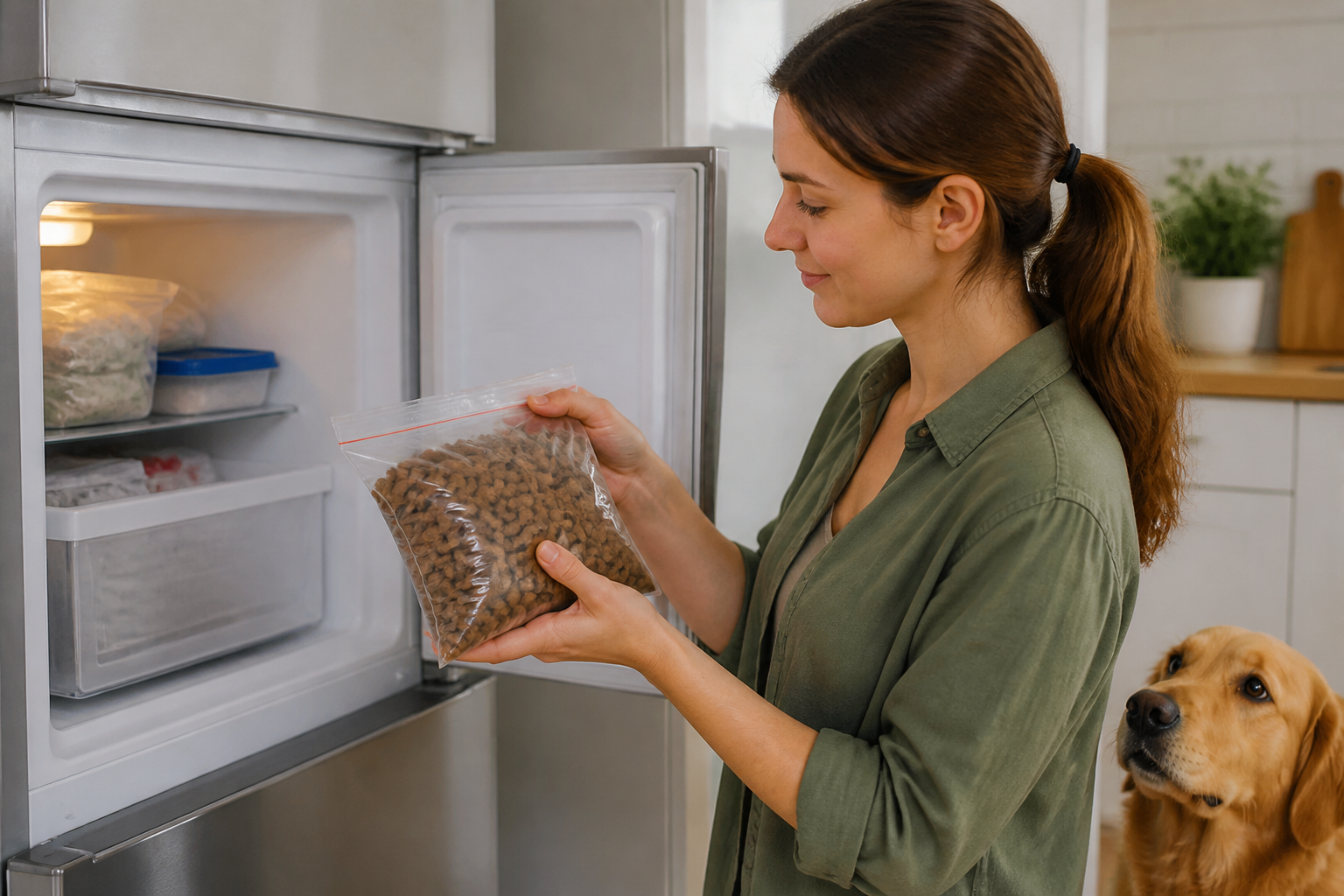
The short answer is yes. You can freeze dry dog food to extend its shelf life and keep it fresh for several months beyond its opening date. Freezing is a practical solution for owners who buy in bulk or those who use specialized, high-fat diets that tend to spoil faster at room temperature.
Quick Answer: Yes, dry dog food can be frozen in airtight containers or freezer-safe bags for six to nine months. This process helps prevent the fats in the kibble from going rancid while protecting the food from pests and moisture.
Most commercial dry foods are extruded and then sprayed with oils and fats to make them taste better. These fats are the first things to spoil when exposed to heat and oxygen. Cold temperatures significantly slow down the oxidation process. While freezing is effective, it is not a permanent solution. The nutritional quality will eventually begin to decline even in a frozen state.
Why You Might Consider Freezing Kibble
Freezing is not necessary for every household, but it offers specific benefits for certain situations. If you live in a warm or humid climate, dry food can degrade quickly in a pantry. Heat speeds up the breakdown of vitamins and causes fats to turn. Freezing keeps the food in a temperature-controlled environment that is much lower than the 80 degree Fahrenheit limit recommended by most manufacturers.
Another benefit is pest prevention. Grain mites, pantry moths, and even rodents are attracted to open bags of dog food. Freezing kills any existing larvae and provides a physical barrier that pests cannot penetrate. This is especially helpful if you store extra food in a garage or basement where pests are more common.
Key Takeaway: Freezing kibble preserves the essential fats and vitamins that normally break down when exposed to air and heat. It also provides a fail-safe against infestations from common pantry pests.
How to Freeze Dry Dog Food Properly
To get the best results, you cannot simply toss a paper bag of food into the freezer. Paper is porous and will allow moisture and freezer odors to seep into the kibble. You must use a method that creates an airtight seal. For additional storage guidance, read our dry dog food storage tips.
The Portioning Method
This is the most effective way to manage frozen food. Instead of freezing one giant container, break the bag down into smaller amounts. Use gallon-sized freezer bags or airtight plastic containers. Each portion should hold about three to five days' worth of food. This prevents you from having to thaw the entire supply every time you need to refill the bowl.
The Bag-in-Bin Method
If you have a large chest freezer, you can place the original bag inside a large, airtight plastic bin. Many experts recommend keeping the food in its original packaging because the bags are designed to resist moisture and fats. The original bag also contains the lot number and expiration date. This information is vital if there is ever a product recall.
Step 1: Check the expiration date. / Ensure the food is still well within its shelf life before freezing.
Step 2: Remove excess air. / Squeeze as much air as possible out of the bag or container before sealing it.
Step 3: Seal it tightly. / Use a heavy-duty bag clip or the built-in zip lock to close the original bag.
Step 4: Place in a secondary container. / Put the bag or portions into a freezer-safe, airtight bin to prevent odor transfer.
Step 5: Label the container. / Write the date you put the food into the freezer so you can track its freshness.
Bottom line: Using airtight, freezer-safe containers is the only way to prevent freezer burn and moisture contamination.
Managing Moisture and Freezer Burn
Moisture is the biggest enemy of dry dog food. When you move food from a cold freezer to a warm room, condensation forms. If you put that damp kibble back into a container, it can grow mold within days. This is why portioning is so important. You only want to thaw what you can use quickly.
Freezer burn happens when air reaches the surface of the food. It does not necessarily make the food unsafe, but it ruins the texture and flavor. Your dog might refuse to eat kibble that has been freezer burned because it loses its aroma. To avoid this, always use bags specifically labeled for freezer use, as they are thicker than standard storage bags.
Thawing and Serving Frozen Kibble
You should never feed your dog kibble while it is still frozen solid. The hard texture can be difficult on their teeth, and the cold temperature can cause digestive upset in some dogs. Thawing is a simple process, but it requires a bit of planning.
The safest way to thaw kibble is in the refrigerator. Move a three-day portion from the freezer to the fridge the night before you need it. This allows the food to reach a safer temperature slowly without creating excessive condensation. If you are in a hurry, you can thaw it on the counter, but you must keep the container closed until it reaches room temperature.
Once the food is thawed, treat it like a fresh bag of food. It should be consumed within a few days. Do not refreeze food that has already been thawed. This cycle of freezing and thawing damages the cell structure of the ingredients and increases the risk of bacterial growth. For more background on freshness windows, see how long dry dog food stays fresh once opened.
Signs That Dog Food Has Spoiled
Even with the best freezing techniques, you should always inspect the food before serving it. Spoiled food can cause significant digestive distress or even long-term health issues. If your dog has a sensitive stomach, they may react to even slight changes in food quality.
Look for these indicators of spoilage:
- A sour or "paint-like" smell which indicates rancid fats.
- Visible white, green, or black fuzz on the kibble bits.
- A change in texture, such as the food feeling sticky or unusually crumbly.
- Your dog suddenly refusing to eat a brand they usually love.
- The presence of dark specks or small insects in the bag.
Vet Tip: If your dog shows signs of vomiting, diarrhea, or lethargy after eating, consult your veterinarian immediately. For chronic digestive issues or allergies, your vet might recommend a prescription diet. Our pet pharmacy for dogs carries prescription foods and medications.
Storage Alternatives to Freezing
If you do not have enough freezer space, you can still keep your dog food fresh by following strict storage protocols. The environment in your home plays a major role in how long a bag stays good. Most people keep dog food in the kitchen, but this is often one of the warmest rooms in the house.
Our team at BaxterBoo recommends finding a spot that stays consistently cool and dry. A closet in the center of the house is often better than a mudroom or a pantry next to the oven. If you use a plastic storage bin, keep the food inside its original bag rather than pouring the kibble directly into the bin. Plastic can develop small scratches over time that harbor bacteria and old fats.
If you struggle to finish large bags before they expire, consider a smaller bag size. While the price per pound is higher, the lack of waste often makes it more cost-effective. You can also use our dog food category to compare options and choose a size that fits your household.
You can also use our Autoship programme to have smaller, fresher bags delivered more frequently. This ensures your dog always has a fresh supply without needing extra freezer space.
Freezing Wet and Fresh Dog Food
While the primary focus is often on kibble, many owners use wet or fresh food as a topper. These foods have much higher moisture content and spoil very quickly once opened. Canned food should only stay in the refrigerator for three to five days. If you cannot finish a can in that time, you can freeze it.
Do not freeze the food inside the metal can. The liquid will expand and can cause the can to burst or break the seal. Instead, spoon the remaining food into an ice cube tray. Once the cubes are frozen, transfer them to a freezer bag. You can then thaw one or two cubes at a time to use as a fresh topper for your dog's dry food. This is an excellent way to reduce waste and save money. For another perspective on feeding formats, read whether wet or dry food is better for dogs.
Key Takeaway: Use ice cube trays to freeze small portions of wet or fresh food. This creates perfectly sized toppers that thaw quickly and prevent canned food from going to waste.
Choosing the Right Storage Equipment
Investing in quality containers makes a difference in how long your food lasts. We carry several brands at BaxterBoo that are specifically designed for pet food. Look for containers with a foam or rubber gasket in the lid. This creates a true airtight seal that keeps moisture out and smells in.
Stainless steel containers are an even better option if you prefer to pour the food directly out of the bag. Steel is non-porous and does not absorb oils like plastic does. It is also much easier to sanitize between bags. Regardless of the material, always wash your storage bins with hot, soapy water every time you finish a bag. Residual oils from the previous batch can go rancid and contaminate the new food.
Summary of Best Practices
To ensure your dog is getting the best nutrition possible, follow a consistent storage routine. Whether you choose to freeze your food or keep it in a pantry, the goal is to limit exposure to air, light, and heat.
- Keep food in its original packaging whenever possible.
- Ensure the storage area is below 80 degrees Fahrenheit.
- Use airtight containers with gaskets.
- Wash storage bins between every single bag.
- Rotate your stock so that the oldest food is used first.
- Discard any food that smells off or shows signs of moisture.
Properly stored food supports your dog's immune system and energy levels. When food goes rancid, the vitamins lose their potency, and the fats can cause inflammation. Taking these extra steps shows you are committed to your pet's long-term wellness. For more storage guidance, explore how long you can keep dry dog food for peak freshness.
Bottom line: Freezing is a safe and effective way to prolong the life of dry dog food if you use airtight containers and follow proper thawing procedures.
Conclusion
Managing your dog's nutrition starts with how you handle their food at home. Freezing dry dog food is an excellent way to maintain freshness, especially for bulk buyers or those in humid environments. By using the portioning method and ensuring an airtight seal, you can keep kibble safe and tasty for up to nine months. We at BaxterBoo are dedicated to providing you with the best products and advice to keep your pets thriving. If you want to simplify your routine and ensure your dog always has fresh meals, consider signing up for our Autoship programme. It is a convenient way to save on every order while keeping your pantry stocked with the freshest possible food.
FAQ
Does freezing dog food change its nutritional value?
Freezing does not significantly change the nutritional profile of the food in the short term. However, over six to nine months, some vitamins may slowly begin to degrade. It is still much better than leaving the food in a warm pantry where those same nutrients would break down much faster.
Can I put the dog food bag directly in the freezer?
You should not put a paper dog food bag directly in the freezer because paper does not block moisture or odors. Instead, place the entire bag inside a large, airtight plastic bin or transfer the food into freezer-safe bags. This creates a barrier that prevents freezer burn and keeps the kibble from smelling like other frozen items.
How do I know if my frozen dog food has gone bad?
The most common sign of spoilage in frozen food is a rancid, chemical smell similar to old oil or wet cardboard. You should also look for signs of moisture or mold growth that may have occurred during a power outage or if the container was not sealed correctly. If the kibble looks shriveled or has a gray tint, it may have severe freezer burn and should be discarded.
How long can dry dog food stay in the freezer?
Most experts recommend using frozen dry dog food within six to nine months for the best quality. While the food may be safe to eat after this point, the flavor and aroma will start to fade. Always label your containers with the date they were frozen to ensure you are rotating your stock and using the oldest food first.






