
 Save 15% on your 1st Autoship learn more

 Email us
 Live Chat
 FAQs
FAQs





Introduction
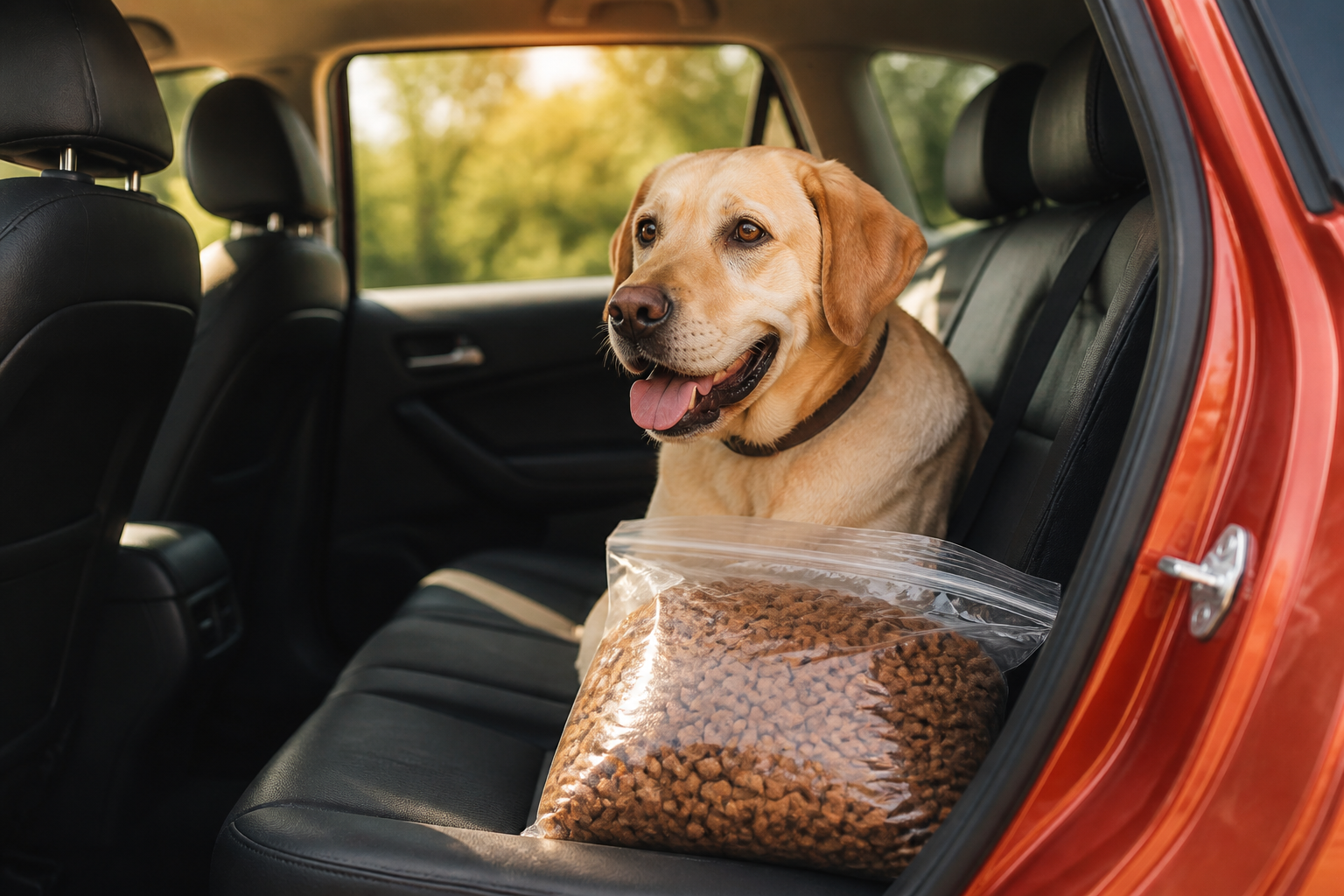
It is a common Saturday morning routine. You stop by the warehouse to grab a fresh bag of high protein kibble for your dog. Then you decide to run a few more errands while the sun beats down on your vehicle. By the time you return to the parking lot, the interior of your car feels like an oven. You might wonder if that bag of food is still safe to serve. At BaxterBoo, we understand that your dog’s nutrition is a top priority. While dry food seems sturdy, it is surprisingly sensitive to temperature changes. High heat can trigger chemical reactions that ruin the quality of the meal. This article covers how heat affects kibble, why the trunk is a danger zone, and how to spot spoilage. Protecting your dog starts with understanding how to keep their food fresh and safe.
Quick Answer: Dry dog food can go bad in a hot car in as little as 30 to 60 minutes. Intense heat causes fats to turn rancid and destroys essential vitamins. This makes the food less nutritious and potentially harmful to your dog’s digestion.
The Greenhouse Effect Inside Your Vehicle
Most pet owners underestimate how fast a car turns into a heat trap. Even on a mild day, the temperature inside a parked car can climb 20 degrees in 10 minutes. If the outside temperature is 80 degrees, the inside of your car can hit 100 degrees very quickly. After an hour, that temperature can soar to 140 degrees or higher. This environment is far outside the safe range for pet food storage.
Most manufacturers recommend storing kibble in a cool and dry place. The ideal temperature range is between 50 and 70 degrees. When you place a bag in a trunk that is hitting triple digits, you are essentially "cooking" the food in its packaging. This heat acts as a catalyst for chemical breakdown. It does not matter if the bag is unopened. Heat is energy that moves through plastic and paper packaging with ease.
Trunks are particularly dangerous because they lack airflow. Unlike the cabin of the car, the trunk does not benefit from residual air conditioning. It stays hot long after you have finished your drive. Sunlight also plays a role if the bag is sitting on a seat. UV rays can penetrate some types of packaging. This creates a double threat of heat and light exposure.
Why Heat Ruins Dog Food Fats
Dry dog food is a complex mixture of proteins and carbohydrates. However, the fats are the most vulnerable part of the recipe. Most high quality kibbles use animal fats or fish oils to provide energy. They also include essential fatty acids like Omega-3 and Omega-6. These fats are vital for your dog’s skin and coat health.
Heat causes these fats to undergo a process called oxidation. This happens when oxygen reacts with the fat molecules. High temperatures speed up this reaction significantly. When fats oxidize, they become rancid. Rancid fat does more than just taste bad to your dog. It can create toxic compounds that lead to digestive upset. Long term exposure to rancid fats can even impact your dog's overall wellness. For more guidance, read our article on how long dry dog food stays fresh once opened.
Natural preservatives are often used in premium brands like NutriSource or Stella and Chewy's. These ingredients include tocopherols, which are forms of Vitamin E. These preservatives have a limited capacity to fight oxidation. Extreme heat forces them to work much harder. Once the preservatives are used up, the food spoils at a very fast rate.
Key Takeaway: Heat destroys the chemical stability of the fats in dog food. This leads to rancidity, which ruins the flavor and can make your dog sick.
The Loss of Essential Nutrients
You buy specific dog food because of the vitamins and minerals on the label. Many of these nutrients are heat sensitive. This means they break down and lose their potency when they get too hot. Vitamins A and E are particularly fragile. The B-vitamin complex also degrades quickly in high temperatures.
If a bag sits in a hot car for several hours, the nutritional profile changes. The food may no longer provide what your dog needs for a balanced diet. Over time, feeding heat damaged food can lead to subtle deficiencies. You might notice your dog has less energy or a duller coat. The immune system also relies on these vitamins to function properly. When comparing replacement options, explore our dog food category.
Minerals are generally more stable than vitamins. However, the overall balance of the food is compromised when the vitamins disappear. Manufacturers work hard to ensure every cup of food is perfect. Heat undoes that work in a very short amount of time.
Moisture and the Threat of Mold
Dry dog food is not completely dry. It usually contains about 10% moisture. This moisture is normally stable at room temperature. When a bag gets hot, that moisture begins to move. It can turn into vapor inside the bag. This is a process called moisture migration.
As the car cools down later, that vapor turns back into liquid. This creates small drops of condensation inside the bag. These damp spots are the perfect breeding ground for mold. You might not see the mold right away. It can grow in the corners of the bag or deep between the kibble pieces. Mold can produce mycotoxins. These are dangerous chemicals that can cause serious illness in dogs.
Bacteria also love warm and damp environments. While the cooking process kills bacteria during manufacturing, contamination can happen after the bag is opened. A hot car provides the perfect incubation temperature for stray bacteria to multiply. This is why a "sweaty" bag of dog food is a major red flag. You can also review our guide to keeping dog food dry for freshness and safety.
Vet Tip: If your dog shows signs of vomiting, tremors, or a sudden loss of appetite after eating, consult your veterinarian immediately. These can be signs of food poisoning or mycotoxin exposure. Always keep the original packaging so the vet can see the batch number and ingredients.
How to Tell if Your Dog Food Has Gone Bad
You should always inspect your dog's food before feeding. This is especially true if the bag has been exposed to heat. Your dog has a much better sense of smell than you do. However, some dogs will still eat spoiled food if they are hungry enough. Do not rely on them to be the only judge of safety.
Use the following steps to check for spoilage:
- The Sniff Test: Fresh kibble should smell meaty or like grain. If it smells sour, metallic, or like old paint, it is likely rancid.
- The Texture Check: Kibble should be dry and crunchy. If it feels sticky, greasy, or damp, it has been compromised.
- The Visual Inspection: Look for clumping. If pieces of food are sticking together, moisture has likely gotten into the bag.
- Check for Pests: Heat and humidity can sometimes attract insects if there are tiny tears in the bag.
If you are unsure, it is better to be safe than sorry. The cost of a new bag of food is much lower than a trip to the emergency vet. Many pet owners feel guilty about wasting food. However, your dog's health is worth more than the price of the bag. For additional warning signs, read how to tell if dry dog food has gone bad.
Safe Transportation Strategies
You can still buy dog food during the summer. You just need to plan your trip carefully. A few small changes to your routine can keep the kibble safe.
Step 1: Make the pet store your last stop.
Do not start your errands with a trip to buy food. Arrange your schedule so the food is in the car for the shortest time possible.
Step 2: Keep the food in the cabin.
Never put dog food in the trunk during hot weather. Place the bag on the floor of the backseat. The air conditioning will help keep the temperature stable while you drive.
Step 3: Use a thermal barrier.
If you have a long drive home, consider wrapping the bag in a moving blanket. You can also use a reflective sunshade to cover the bag. This provides a small amount of insulation against the heat.
Step 4: Bring it inside immediately.
Do not leave the bag in the car while you put away groceries. Make the dog food the first thing you carry into the house.
The Importance of Proper Storage at Home
Once the food is safely inside, the job is not done. Proper storage is a year round requirement. Many people make the mistake of dumping kibble into plastic bins. While these bins look nice, they can cause problems. Plastic is porous and can trap old fats. These fats go rancid and can contaminate the new food you pour in.
We recommend keeping the kibble in its original bag. Most high quality brands use bags designed to protect against oxygen and moisture. You can place the entire bag inside a sealed container for extra protection against pests. This also keeps the barcode and expiration date handy. If you prefer a specific food option, browse our selection of Open Farm products.
Always store the container in a climate controlled area of your home. A pantry or a kitchen cabinet is much better than a garage or a laundry room. Garages can get nearly as hot as cars during the summer months.
Key Takeaway: Proper storage requires a cool, dry, and dark environment. Avoid the garage and keep the food in its original bag for the best results.
Prescription Diets and the BaxterBoo Pharmacy
If your dog is on a prescription diet, the stakes are even higher. Foods like Farmina Vet Life or Royal Canin Veterinary Diet are formulated to manage specific health conditions. These diets often contain specialized ingredients and precise nutrient levels. They are also usually more expensive than standard kibble.
Heat damage to a prescription diet can interfere with your dog’s treatment plan. If the nutrients degrade, the food may no longer support their kidney, liver, or heart health. We carry a wide range of these specialized foods through our partnership with Pet's Choice. Our pet pharmacy for dogs provides FDA-approved medications and prescription diets for dogs with chronic health needs.
If you have accidentally left a prescription bag in a hot car, talk to your vet. They can tell you if the specific formula is particularly sensitive to heat. Because we operate as a real pharmacy, we understand the science behind these specialized products. We want to ensure your dog gets the full benefit of their prescribed nutrition.
Note: Prescription diets require a valid authorization from your veterinarian. Our pharmacy makes it easy to manage these orders alongside your regular pet supplies.
Using Autoship to Avoid Heat Risks
One way to keep your dog's food safe is to avoid the car trip entirely. Our Autoship programme is a great solution for busy pet owners. Instead of hauling heavy bags in a hot car, you can have them delivered directly to your door. This reduces the time the food spends in transit.
When you sign up for Autoship, you also get a free MVP Gold membership. This gives you extra savings and helps you stay stocked up on your dog's favorite brands. You can choose the delivery frequency that works for your household. This ensures the food is always fresh and has not been sitting in a hot warehouse or vehicle. You can review our MVP Rewards information for more details about available rewards.
We carry over 500 trusted brands, including Orijen, Acana, and Open Farm. Most of these brands use high quality ingredients that deserve proper care. Delivering them to your home is the best way to maintain that quality from the factory to the bowl.
When to Contact Your Veterinarian
If you think your dog has eaten spoiled food, monitor them closely. Some dogs have "iron stomachs" and may not show symptoms. Others can become very ill from just one meal of rancid kibble. Common signs of distress include lethargy, diarrhea, and a painful abdomen.
You should also watch for changes in their skin or coat. If you unknowingly feed heat damaged food for a long time, the lack of vitamins will show. Their fur might become brittle or start to thin. This is a sign that the nutrition is not meeting their needs.
Your vet can perform blood work to check for nutritional gaps. They can also help you transition to a new food if your dog has developed a sensitivity. Never ignore a sudden change in eating habits. If a hungry dog refuses their favorite meal, trust their instincts.
Vet Tip: Always consult your veterinarian if you notice a sudden change in your dog's appetite or digestion. They can help rule out underlying health issues that may look like food spoilage symptoms.
Summary of Heat Safety for Dog Food
Taking care of your dog involves more than just picking the right brand. It involves protecting that food until the moment it is eaten. Heat is a silent enemy of pet nutrition. It works quickly to ruin the hard work that goes into making premium kibble. For more storage guidance, see how long dry dog food stays good.
Keep these points in mind for your next shopping trip:
- Dry food is sensitive to temperatures over 80 degrees.
- Trunks can reach dangerous temperatures in under 30 minutes.
- Rancid fats can cause digestive upset and long term health issues.
- Nutrient loss happens before you can see or smell spoilage.
- Autoship and delivery can help you avoid the risks of hot car transport.
We are proud to be a part of your pet care team. Whether you visit our warehouse in Vernon Hills or order online, we want your dog to have the freshest food possible. We have been operating since 2006 and have seen firsthand how much proper storage matters.
Bottom line: Your car is for moving food, not storing it. Protect your investment and your dog's health by keeping kibble cool.
FAQ
Can I still use dog food if it was in a hot car for only two hours?
It depends on the outside temperature and where the bag was placed. If the car was over 90 degrees and the bag was in the trunk, the fats may have already started to oxidize. Check for a sour smell or oily texture before you decide to use it. When in doubt, it is always safer to replace the bag rather than risk your dog's health.
Does an unopened bag protect the food from heat?
No, an unopened bag does not provide insulation against high temperatures. Heat is energy that transfers through the packaging regardless of whether the seal is broken. The vacuum seal only protects against outside air and moisture. It cannot stop the chemical reactions triggered by extreme heat inside the bag.
What are the symptoms of a dog eating rancid food?
The most common symptoms include vomiting, diarrhea, and a general lack of interest in eating. In some cases, your dog might act lethargic or show signs of a painful stomach. Long term consumption of rancid food can lead to more serious issues like vitamin deficiencies. Always contact your vet if you notice these signs after a meal.
How can I keep dog food cool during a long road trip?
If you must travel with a large amount of food, keep it in the passenger area where the air conditioning can reach it. You can also place the bag inside a large cooler without ice to provide a layer of insulation. Avoid placing the food near windows where direct sunlight can hit the bag. Small, airtight containers are also easier to keep cool than one giant bag.






