
 Save 15% on your 1st Autoship learn more

 Email us
 Live Chat
 FAQs
FAQs





Introduction
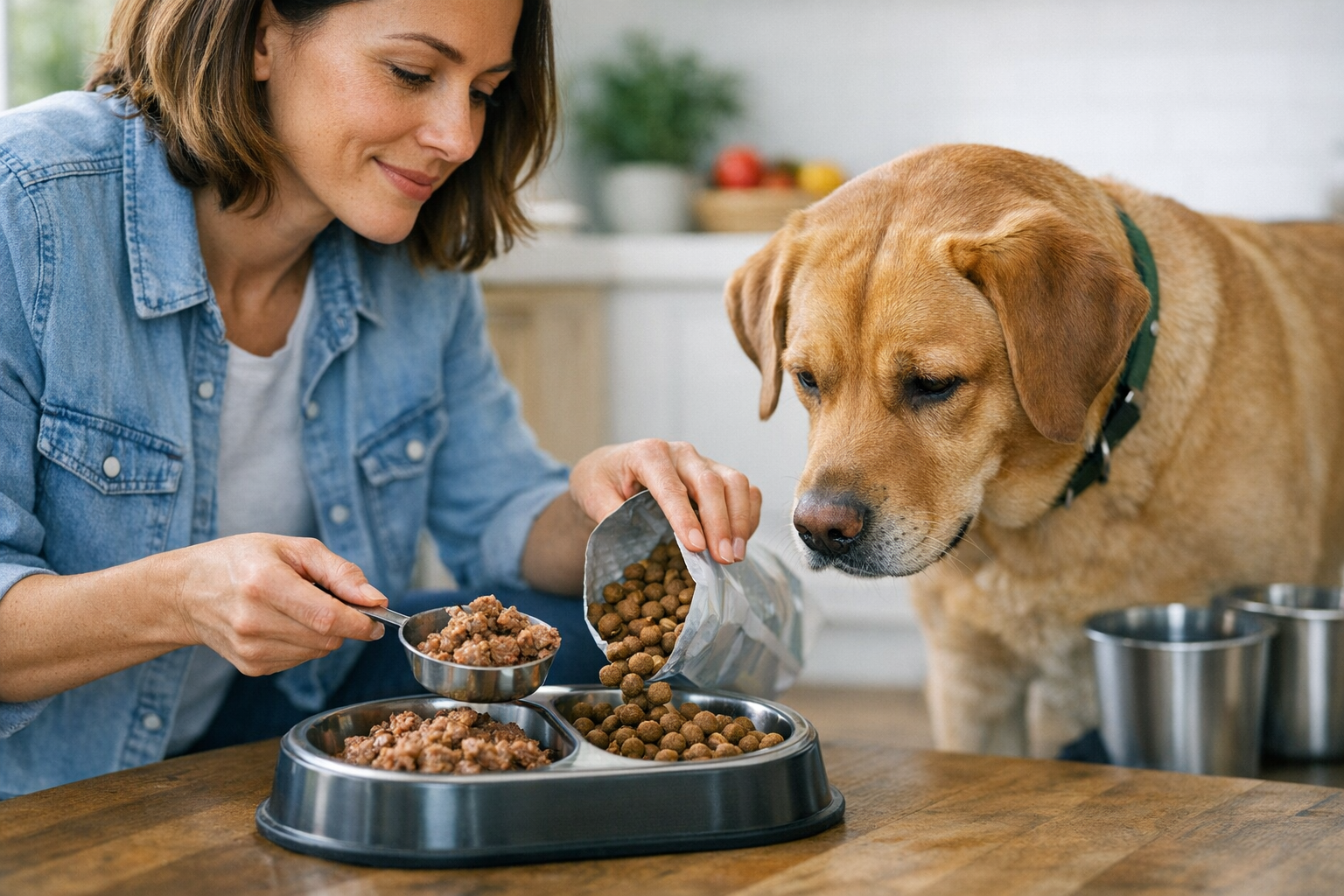
You might be standing in the kitchen watching your dog sniff a bowl of dry kibble before walking away. Maybe you have noticed your senior dog is struggling to crunch through hard pieces. You may just want to give your pet something more exciting than the same brown circles every morning. Whatever the reason, the answer is a clear yes. You can absolutely feed your dog both wet and dry food.
At BaxterBoo, we believe that mealtime should be both nutritious and enjoyable, and our dog food category makes it easy to compare wet and dry formulas. This approach is often called mixed feeding. It allows your dog to enjoy the crunch of kibble along with the savory aroma of canned food. In this post, we will cover the benefits of mixing textures, how to calculate the right portions, and why this hybrid approach is a great choice for many pets. Combining these two food types can improve hydration and help picky eaters while keeping your budget in check.
Why Mixed Feeding Works for Dogs
Mixed feeding is the practice of combining canned food with dry kibble in the same bowl. Some owners also choose to feed kibble in the morning and wet food at night. Both methods allow your dog to get the unique benefits of each format.
Dry food is popular because it is convenient and cost-effective. It is easy to store and helps keep teeth clean through mechanical scraping. On the other hand, wet food is packed with moisture and intense flavor. By mixing them, you create a meal that is more appealing than plain kibble but more affordable than an all-canned diet. If you want to explore a related feeding style, our freeze-dried dog food guide is a helpful next read.
Quick Answer: Yes, you can feed your dog both wet and dry food. This mixed feeding method provides better hydration and flavor while maintaining the dental benefits of dry kibble. Just ensure you adjust the total calories to prevent unwanted weight gain.
The Specific Benefits of Mixing Textures
Each type of food brings something different to the table. When you combine them, you fill the gaps that a single-format diet might leave behind.
Improved Hydration
Many dogs do not drink enough water from their bowls. This is especially true for certain breeds or dogs with a history of urinary issues. Wet food is typically about 75 percent to 78 percent moisture. This extra liquid helps support kidney function and keeps the urinary tract flushed. While it does not replace a fresh water bowl, it provides a significant daily boost to their intake. For more on keeping kibble at its best, our dry dog food freshness guide is worth a look.
Better Palatability for Picky Eaters
Dogs experience the world through their noses. Canned food has a much stronger aroma than dry kibble. When you mix a few spoonfuls of wet food into a bowl of dry food, the smell carries. This often entices dogs that have lost interest in their meals. It is a practical solution for owners who find themselves constantly switching kibble brands to keep their dogs interested. If you are dealing with a finicky eater, our guide to picky dogs and dry food can help.
Satiety and Weight Management
Wet food is less calorie-dense by volume than dry food. This means your dog can eat a larger portion of wet food without consuming more calories. If you have a dog that always seems hungry, adding wet food can help them feel full. The higher moisture and protein content in many quality canned foods help with that "satisfied" feeling after a meal.
Key Takeaway: Mixing food types allows you to customize the moisture, texture, and aroma of your dog's diet to suit their specific physical needs and preferences.
Who Benefits Most from a Mixed Diet?
While almost any healthy dog can enjoy a mixed diet, certain groups see the biggest improvements.
- Senior Dogs: Older pets often have a declining sense of smell. The rich aroma of canned food can jumpstart their appetite. Additionally, seniors with dental issues or missing teeth find softened kibble much easier to chew.
- Small and Toy Breeds: These dogs have tiny jaws. Even small-breed kibble can be a chore to eat sometimes. Mixing in some pate or stew makes the meal easier to manage.
- Dogs with Health Conditions: For dogs prone to bladder stones or kidney issues, the extra moisture in wet food is a vital part of their care plan.
- Active Dogs: Working or high-energy dogs need plenty of calories and hydration. A mixed diet provides the energy density of kibble with the recovery hydration of wet food.
Vet Tip: If your dog has a chronic health condition like kidney disease or diabetes, consult your veterinarian before changing their diet. They can help you choose specific formulas that support their medical needs.
How to Calculate Portions and Calories
The biggest risk of mixing wet and dry food is overfeeding. It is easy to add a "topper" of wet food without realizing you are adding a hundred extra calories a day. Over time, this leads to weight gain.
Understanding the Calorie Gap
Kibble is very concentrated. A single cup can have 400 calories or more. Wet food has more water, so it takes more volume to reach those same numbers. You cannot simply swap one cup of dry for one cup of wet. You must look at the "kcal per cup" and "kcal per can" on the labels. Our how much dry food to feed a dog guide can help you estimate the right baseline.
The Replacement Rule
If you want to add wet food, you must remove a corresponding amount of dry food. For example, if a quarter-can of wet food has 100 calories, you must remove 100 calories worth of kibble from the bowl.
Steps to Calculate the Mix
- Check the feeding guide on the back of your dry food bag to find your dog's total daily requirement.
- Decide what percentage of the meal will be wet food (for example, 25 percent).
- Calculate 25 percent of the daily calorie needs.
- Find how much wet food provides those calories.
- Feed 75 percent of the usual dry food amount alongside that wet portion.
Practical Tips for Mixing at Mealtime
Mixing food is more than just dumping two items in a bowl. A little extra care goes a long way in keeping your dog healthy.
Temperature and Texture
Most dogs prefer wet food at room temperature or slightly warmed. If you keep an open can in the fridge, it will be cold and the fats might solidify. Let it sit out for a few minutes or add a tiny splash of warm water to create a gravy that coats the kibble.
Hygiene and Safety
Unlike dry kibble, wet food spoils quickly. Once you mix it, the clock starts ticking. If your dog does not finish the meal within 30 to 60 minutes, you should throw it away. Bacteria grow rapidly in the moist environment of a mixed bowl. Always wash the bowl thoroughly after every meal to prevent biofilm buildup.
Transitioning Slowly
Even if both foods are high quality, a sudden change can cause an upset stomach. When you start mixed feeding, begin with a very small amount of wet food. Increase the ratio over 7 to 10 days. This gives the digestive system time to adjust to the new moisture and fat levels.
Bottom line: Success in mixed feeding comes down to careful portioning and consistent hygiene.
Brands to Consider for Mixed Feeding
We carry a wide variety of brands that are perfect for this approach. Choosing the right brands ensures that both the wet and dry components provide high-quality nutrition.
High-Quality Options
Brands like Farmina, NutriSource, and Open Farm offer both wet and dry formulas. Many owners find success using the same brand for both. This often ensures the ingredient profiles are compatible. For example, if you feed a grain-free beef kibble, you can easily find a matching beef-based wet food. You can browse our selection of Open Farm products to compare dry recipes and wet stews.
The Honest Kitchen
This brand offers unique dehydrated options that act as a bridge between wet and dry. You can add water to their dehydrated bases and mix them with your favorite kibble. It is a convenient way to get the benefits of wet food without storing heavy cans. Take a look at our selection of The Honest Kitchen products for more options.
Stella and Chewy's
Their meal mixers and frozen-dried patties are another great way to add "wet" nutrition. You can rehydrate these patties with water or bone broth to create a nutrient-dense topper for standard kibble. If that brand works for your dog, our Stella & Chewy's selection is a useful place to browse.
Specialized Diets and the BaxterBoo Pharmacy
Sometimes a dog needs more than just a standard meal. For pets with allergies, digestive issues, or chronic illnesses, a specific diet is necessary.
Our pet pharmacy offers a specialized selection of prescription pet foods through our partnership with Pet's Choice. If your veterinarian recommends a prescription diet, we can help you fulfill that need. We carry FDA-approved medications and therapeutic foods for conditions like:
- Food sensitivities and allergies
- Weight management and obesity
- Urinary tract and kidney health
- Gastrointestinal support
Prescription diets often come in both wet and dry versions. Mixing them can be very helpful for dogs who find therapeutic diets less palatable than their old food. Since BaxterBoo cannot run paid ads for pharmacy items, our blog is the best place to learn about these resources. Using a prescription wet food as a topper for prescription kibble is a common vet-recommended strategy.
Note: Prescription diets require a valid authorization from your veterinarian. You can easily manage these orders through our site to ensure your pet never misses a meal.
Common Mistakes to Avoid
When you start mixing food, it is easy to fall into a few traps. Avoid these common errors to keep your dog at their best.
Mixing Different Life Stages
Never mix puppy food with senior food unless your vet specifically tells you to. Puppies need very different levels of calcium and phosphorus compared to adults. If you are mixing, ensure both the wet and dry food are formulated for your dog's specific life stage.
Ignoring the Toppers
Many people do not count "mix-ins" as food. They view it as a treat. If you add a spoonful of wet food, a splash of goat milk, and a few pieces of jerky, those calories add up. Always treat anything added to the bowl as part of the daily caloric total.
Leaving Cans Open Too Long
An open can of wet food only lasts about two to three days in the refrigerator. Use a silicone can cover to keep it airtight. If you cannot finish a large can in three days, consider buying smaller cans or pouches to ensure freshness.
Forgetting Dental Care
While dry food helps a little with dental health, mixing it with wet food reduces that "crunch" factor. If you move to a mixed diet, be more diligent about teeth brushing or providing dental chews. We offer a variety of dog healthcare products that can help offset the softer texture of a mixed diet.
Storage and Handling of Mixed Diets
Proper storage keeps the food safe and saves you money. Dry food should stay in its original bag, placed inside an airtight container. This protects the fats from oxidizing.
For wet food, if you use only a small amount each day, consider freezing portions. You can put wet food into ice cube trays and thaw one "cube" per meal. This prevents waste and ensures every serving is fresh.
If you choose to use our Autoship programme, you can coordinate the delivery of both your kibble and your cans. This ensures you never run out of either component. Plus, Autoship customers can keep their essentials coming on schedule.
Conclusion
Feeding your dog both wet and dry food is an excellent way to provide variety and health benefits. It solves the problem of the picky eater, supports aging pets, and ensures your dog stays well-hydrated. By carefully calculating calories and choosing high-quality brands, you can create a meal plan that fits your lifestyle and your dog's needs.
We invite you to explore our extensive collection of over 500 brands to find the perfect pairing for your pet. Whether you need a premium kibble from Orijen or a savory canned stew from Tiki Dog, we have the selection you need.
Bottom line: Mixed feeding offers a balanced approach to nutrition that combines the convenience of dry food with the hydration and taste of wet food.
Ready to start mixing? Check out our wide selection of wet and dry dog food today. If your pet has a specific health need, remember to visit our pharmacy section for prescription options. You can also join the MVP Rewards programme to earn points on every bag and can you buy.
FAQ
Can I mix wet and dry food for a puppy? Yes, you can mix them, but you must ensure both foods are specifically formulated for puppies. Puppies have high energy needs and require precise levels of minerals for bone growth. Always check the AAFCO statement on the label to confirm the food is appropriate for the growth stage.
Does mixing wet food with dry food cause diarrhea? A sudden change in diet can lead to loose stools or an upset stomach. To avoid this, introduce the wet food very slowly over at least a week. If your dog has a sensitive stomach, look for limited-ingredient wet foods or bland diet options.
How long can mixed wet and dry food sit out? Once you add wet food to kibble, the meal should not sit out for more than an hour. The moisture in the wet food can cause the kibble to soften and become a breeding ground for bacteria. If your dog is a "grazer" who eats slowly throughout the day, it is better to stick to dry food only.
Is it cheaper to feed a mixed diet? Mixed feeding is generally more expensive than feeding only dry food but significantly cheaper than an all-canned diet. It acts as a middle ground for owners who want to provide premium nutrition and hydration without the high cost of feeding multiple cans of food every day.






