
 Save 15% on your 1st Autoship learn more

 Email us
 Live Chat
 FAQs
FAQs





Introduction
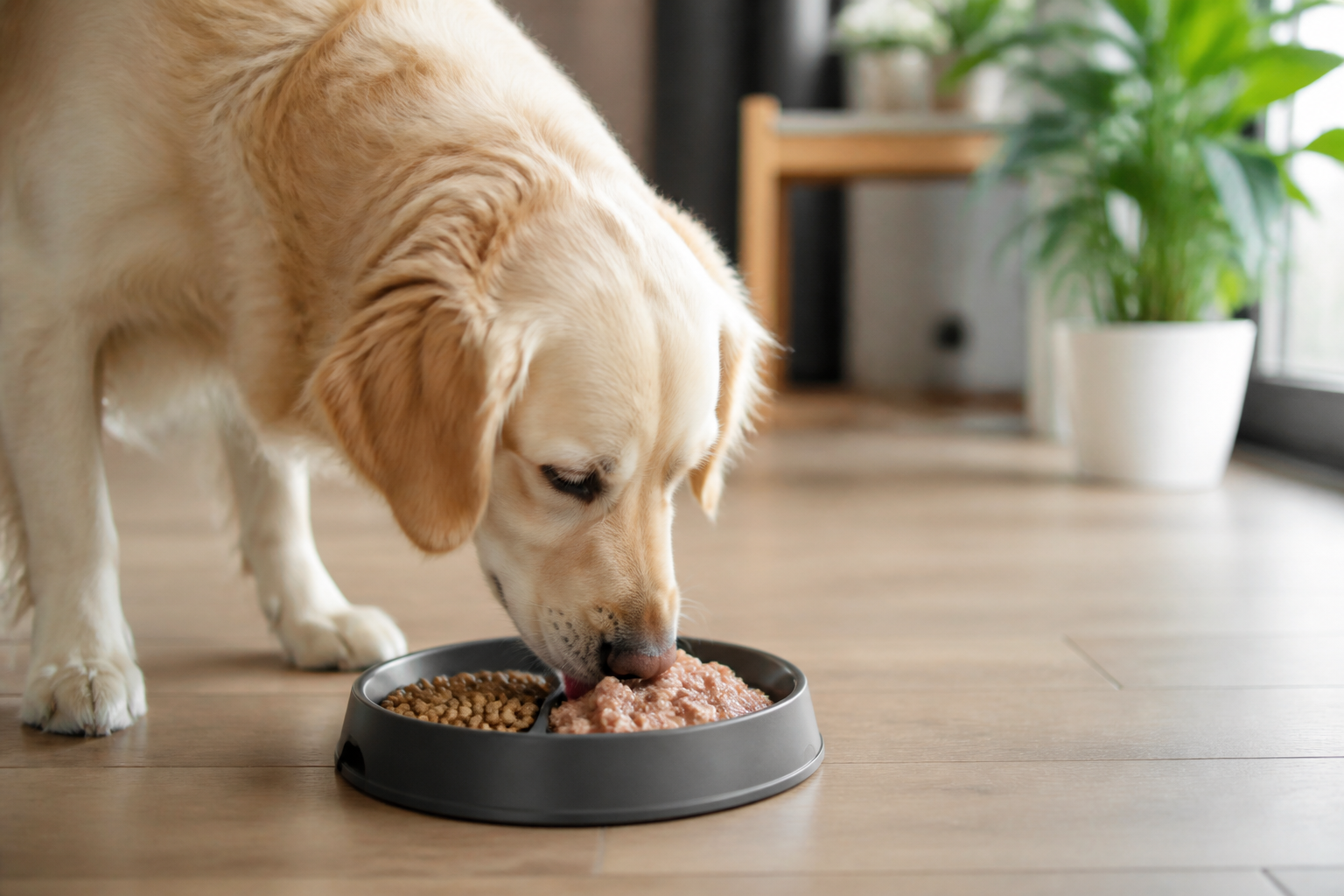
You are standing in the kitchen with a bag of crunchy kibble in one hand and a savory can of stew in the other. Your dog is watching every move with intense focus. You might be wondering if mixing these two textures is a good idea or if it will upset their stomach. This is a common question we hear from pet parents at BaxterBoo. Many owners want to give their dogs more variety but worry about getting the nutritional balance just right.
This article covers everything you need to know about combining wet and dry food. We will look at the benefits for hydration and dental health. We will also discuss how to calculate the right portions to avoid weight gain. Mixing food can be a great way to support your dog through different life stages.
Quick Answer: Yes, you can feed your dog wet and dry food together. This method provides the hydration benefits of wet food along with the dental support of dry kibble. You must ensure both foods are complete and balanced and that you adjust the portions to maintain a healthy weight.
The Benefits of a Mixed Diet
Feeding a combination of wet and dry food offers the best of both worlds. Dry kibble is known for its convenience and its ability to help keep teeth clean. The hard texture of kibble like NutriSource or Open Farm provides a mechanical scraping action. This helps reduce plaque and tartar buildup as your dog chews.
Wet food brings a different set of advantages. It has a much higher moisture content than dry food. Most dry foods contain about 10 percent water. Wet formulations usually consist of 75 to 80 percent water. This extra moisture is excellent for supporting kidney function and urinary tract health. It is also a simple way to keep your dog hydrated if they do not drink enough from their water bowl.
The aroma of wet food is much stronger than dry kibble. This makes it very useful for dogs that have a lower appetite. The rich smell of brands like Stella & Chewy’s or Tiki Cat can entice a dog to finish their entire meal. This is helpful for dogs that are recovering from an illness or those that have grown bored with their standard diet.
Key Takeaway: Mixed feeding combines the dental benefits of crunchy kibble with the hydration and high palatability of wet food. This creates a more interesting and healthy mealtime experience.
How to Calculate the Right Portions
The most common mistake pet parents make is simply adding a scoop of wet food on top of a full serving of dry food. This leads to accidental overfeeding and weight gain. You must look at the caloric density of both products to find the right balance.
Every brand has a different calorie count. You cannot assume that half a cup of one food equals half a cup of another. Start by checking the feeding guidelines on the back of each package. These guides tell you how much to feed based on your dog's weight. If you want to feed a 50/50 mix, you should give half the recommended amount of the dry food and half the recommended amount of the wet food.
Many owners prefer a 75/25 split. This means the majority of the meal is kibble with a smaller portion of wet food used as a topper. This is often more budget-friendly. It still provides the aromatic benefits that make the meal exciting. Always use a standard measuring cup or a kitchen scale for accuracy.
Vet Tip: If your dog is struggling with weight management, consult your veterinarian before changing their diet. They can help you calculate exact caloric needs based on your dog's activity level and body condition score.
For help comparing serving sizes, see our guide on how much wet dog food equals one cup of dry food.
Which Dogs Benefit Most from Mixed Feeding?
While most dogs can enjoy a mixed diet, certain groups see specific benefits. Understanding your dog's unique needs can help you decide if this approach is right for them.
Senior Dogs
Older dogs often experience a decline in their sense of smell. They may also develop dental sensitivities or lose teeth. The strong aroma of wet food helps them stay interested in their meals. The soft texture can also be used to moisten hard kibble. This makes it easier for them to chew without discomfort.
Picky Eaters
Some dogs are naturally more finicky about their food. They might walk away from a bowl of plain dry kibble. Adding a small amount of wet food with gravy or pate can change their mind. Brands like Caru or Lotus offer different textures that can make a boring meal feel like a special treat.
Dogs Needing Hydration
If your dog is prone to urinary crystals or simply does not drink much water, wet food is a great tool. Increasing water intake through food is often more effective than trying to encourage more drinking. This keeps the bladder flushed and supports overall metabolic health.
For additional ideas, read our guide to adding water to dry dog food.
Small Breed Dogs
Small dogs can be very selective. They also have smaller stomachs and may struggle with large kibble sizes. Mixing a small-breed specific kibble with a high-quality wet food ensures they get concentrated nutrition in a format that is easy for them to manage.
Safety and Storage Rules
Safety is a priority when you work with wet food. Unlike dry kibble, which can sit in a bowl for several hours, wet food spoils quickly once it is exposed to the air.
- Do not leave mixed food out for more than 30 to 60 minutes.
- Discard any uneaten portion after the meal is over.
- Clean the food bowl thoroughly after every feeding to prevent bacteria growth.
- Store opened cans or pouches in the refrigerator immediately.
Most wet food will stay fresh in the fridge for 24 to 72 hours. We recommend using a silicone can cover to keep the food from drying out and to contain the smell. If you find that your dog does not like cold food, you can let it sit at room temperature for a few minutes before mixing it. Do not microwave the food in the can.
Bottom line: Freshness is key when feeding wet food, so always refrigerate leftovers and toss anything left in the bowl after an hour.
For more serving and storage guidance, explore our article on switching from dry to wet dog food.
Mixing Prescription and Therapeutic Diets
If your dog is on a therapeutic diet for a specific health condition, you must be more careful. Prescription foods are formulated with precise levels of minerals, proteins, and fats. Mixing a standard over-the-counter wet food with a prescription dry food can ruin the intended medical effect.
For example, if your dog eats a diet for urinary health, adding a standard wet food might change the pH of their urine. This could lead to the formation of stones. If your dog has a food allergy, mixing brands could introduce an allergen that causes a flare-up.
Our pharmacy at BaxterBoo offers a wide range of FDA-approved prescription diets and medications through our partnership with Pet's Choice. We carry brands like Farmina Vet Life and Royal Canin that offer both wet and dry versions of the same therapeutic formula. When you stay within the same prescription line, you ensure your dog gets the variety they want without compromising their medical treatment.
Vet Tip: Never mix a therapeutic or prescription diet with another food without asking your vet first. Doing so can dilute the nutrients meant to manage your dog's specific health condition.
How to Transition to a Mixed Diet
Any change in diet should happen slowly. This prevents stomach upset, gas, and diarrhea. Even if you are staying with the same brand, the change in texture and moisture can be a lot for a dog's digestive system to handle at once.
Step 1: Start with a very small amount. / Replace about 10 percent of their dry food with the new wet food.
Step 2: Monitor their digestion. / Check for any signs of loose stool or gas over the next two days.
Step 3: Increase the ratio gradually. / If they are doing well, move to 25 percent wet food for another few days.
Step 4: Reach your final goal. / Slowly work your way up to your desired mix over the course of a full week.
If your dog has a sensitive stomach, you might want to choose a limited ingredient diet. Brands like KOHA or Zesty Paws offer options that focus on simple, high-quality proteins. This can make the transition much smoother for dogs that react poorly to complex ingredient lists.
For another gradual transition approach, read how to mix dry and wet dog food for a healthy diet.
Texture and Temperature Preferences
Every dog is an individual. Some dogs love a "soup" style meal where the wet food is thoroughly mixed with the kibble. This coats every piece of dry food in flavor. Others prefer the "side-by-side" method where they can choose which part to eat first.
Temperature also plays a role. If you take the wet food straight from the fridge, it might be too cold for some dogs. You can stir in a tablespoon of warm water to take the chill off. This also creates a nice gravy that further enhances the smell of the meal. Do not use boiling water, as this can destroy some of the vitamins in the food.
- Pate: Good for hiding medications or mixing thoroughly.
- Stew: Great for picky eaters who like chunks of meat.
- Shredded: Offers a different mouthfeel that many dogs enjoy.
- Kibble: Provides the necessary crunch for dental health.
Cost Considerations
Many owners find that a purely wet food diet is too expensive for a large dog. Mixing allows you to provide the high-quality ingredients found in wet food while staying within a budget. Since dry kibble is more calorie-dense and shelf-stable, it acts as the affordable base of the meal.
Buying in bulk can help save money. You can purchase cases of wet food and large bags of kibble to lower the price per serving. Programs like our Autoship service are perfect for this. You can set up a recurring delivery for your favorite brands and save on every order. This ensures you never run out of the food your dog loves and simplifies your shopping routine.
Key Takeaway: Mixed feeding is a cost-effective way to improve the quality of your dog's diet without the high expense of an all-wet food regimen.
Common Myths About Mixing Food
There are several misconceptions about feeding wet and dry together. One myth is that it will cause dental decay. While wet food does not have the scraping power of kibble, it does not actively cause decay as long as you maintain a regular dental care routine. Using dental treats like Greenies or Cosequin supplements can further support oral health.
Another myth is that you can only mix foods from the same brand. While staying within one brand makes it easier to match nutrient profiles, it is not a strict requirement for healthy dogs. As long as both foods are AAFCO compliant and labeled as "complete and balanced," they can be mixed. The exception, as mentioned before, is for dogs on prescription diets where brand consistency is vital.
Some people believe that mixing food causes bloat. There is no scientific evidence that mixing wet and dry food increases the risk of Gastric Dilatation-Volvulus (GDV). However, if your dog tends to eat very quickly because they are excited by the wet food, consider using a slow feeder bowl. This prevents them from gulping air along with their meal.
For another perspective on choosing between textures, see what is better, wet or dry food for dogs.
Monitoring Your Dog's Progress
Once you have established a mixed feeding routine, pay attention to the results. A healthy diet should result in several visible signs of wellness.
Your dog should have a shiny, soft coat and clear skin. Their energy levels should be consistent throughout the day. Stools should be firm and regular. If you notice that your dog is becoming lethargic or gaining weight, it is time to reassess the portion sizes.
Regular vet visits are essential for tracking weight. A few extra pounds might be hard to see under a thick coat of fur, but your vet can use a body condition scale to give you an accurate assessment. They can also check for any underlying issues that might require a change in nutrition, such as early-stage kidney disease or joint stiffness.
Bottom line: Watch for a shiny coat and steady energy as signs that your dog's mixed diet is providing the right nutrition.
Summary of Mixed Feeding
Mixing wet and dry dog food is a practical way to enhance your pet's life. It solves many common problems, from dehydration to boredom at the bowl. By following the calorie math and keeping an eye on storage safety, you can provide a high-quality dining experience.
Remember to:
- Use "complete and balanced" foods.
- Calculate calories, not just volume.
- Transition slowly over 7 days.
- Store open wet food in the fridge.
- Consult a vet for prescription needs.
We have been helping pet owners find the best products since 2006. Our team at BaxterBoo carefully selects every brand we carry to ensure your dog gets the best nutrition possible. Whether you are looking for a premium kibble or a grain-free wet food topper, our dog food category can help you make the best choice for your furry friend.
FAQ
Can I mix different brands of wet and dry dog food?
Yes, you can mix different brands as long as both are labeled as "complete and balanced" for your dog's specific life stage. The only exception is for dogs on therapeutic or prescription diets, where you should stick to the same brand to avoid interfering with the medical formulation. Mixing different high-quality brands like NutriSource and Stella and Chewy's can actually provide a wider variety of nutrients.
How do I know how many calories to feed when mixing?
You should check the caloric content (measured in kcal) on the packaging of both the wet and dry food. If you want a 50/50 mix, calculate half the daily calories your dog needs from the kibble and half from the wet food. If you are unsure of your dog's total daily calorie needs, your veterinarian can provide a specific number based on their weight and activity level.
Is it okay to feed dry food in the morning and wet food at night?
Yes, this is a perfectly acceptable way to provide variety. This method is often easier for owners because it eliminates the need to measure and mix both types at every meal. Just ensure that the total amount of food given across both meals matches your dog's daily nutritional requirements to prevent overfeeding.
How long can wet food sit out once it is mixed with kibble?
Mixed food should not sit at room temperature for more than one hour. Wet food is highly perishable and can attract bacteria or insects if left out. If your dog does not finish their meal within 30 to 60 minutes, it is safest to discard the leftovers and wash the bowl thoroughly before the next feeding.






