
 Save 15% on your 1st Autoship learn more

 Email us
 Live Chat
 FAQs
FAQs





Introduction
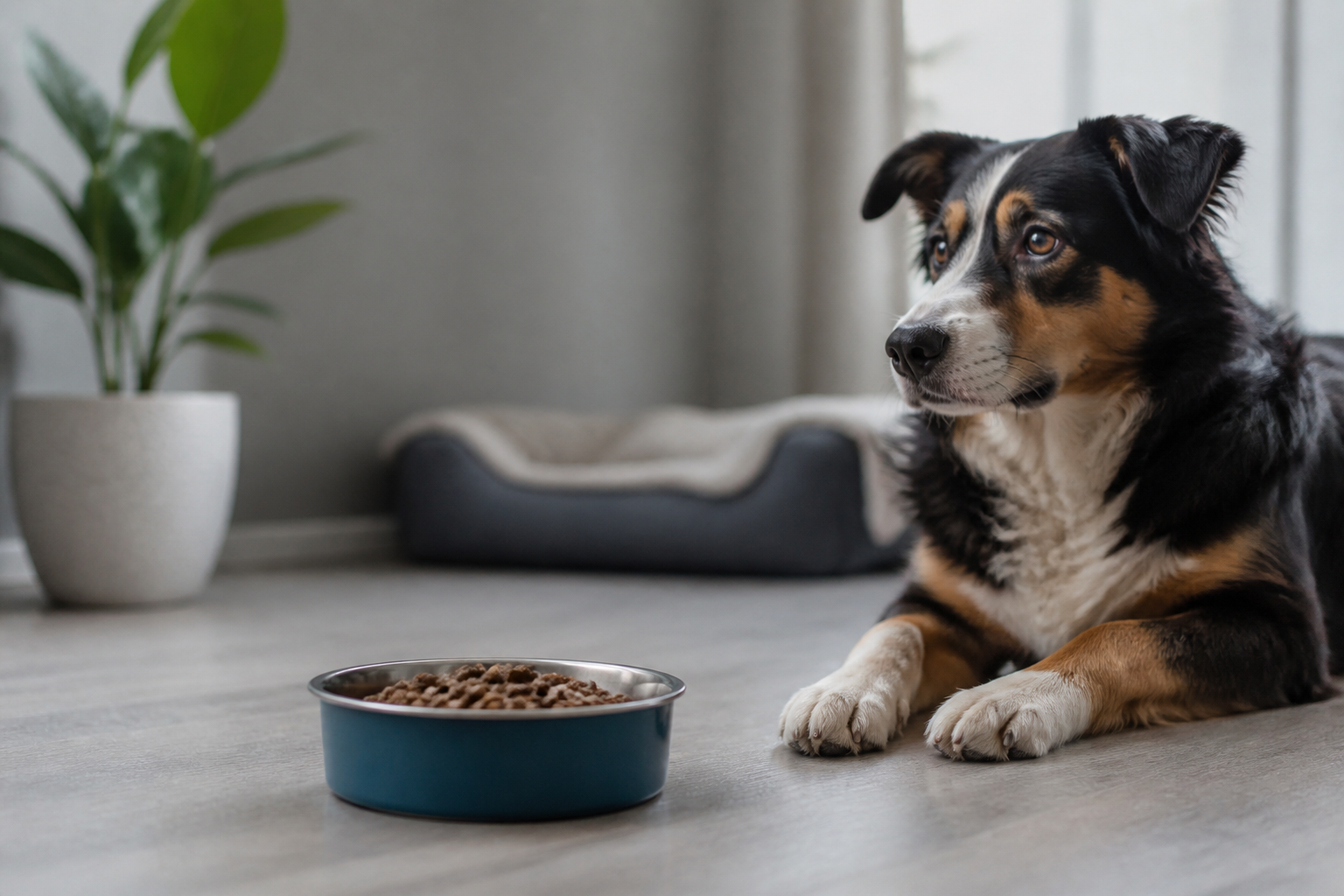
You might find yourself standing in the kitchen late at night, looking at a half-finished bowl of kibble. Your dog ate some of their dinner but left the rest. You wonder if you should pick it up or let them snack on it until morning. It seems like a waste to throw it away. At BaxterBoo, we hear this question from many pet owners who want to balance convenience with their pet's health. While dry food is shelf-stable, leaving it out for long periods changes the quality and safety of the meal. This article covers the risks of leaving kibble in the bowl, the behavioral impact on your dog, and how to store food properly. Our goal is to help you create a feeding routine that keeps your pet healthy and your home clean.
Quick Answer: You should generally avoid leaving dry dog food out overnight. While it likely won't spoil as fast as wet food, it attracts pests, loses nutritional value through oxidation, and can disrupt your dog's potty and behavior routines.
The Science of Kibble Freshness
Dry dog food is popular because it stays fresh much longer than canned options. Most kibble contains about 10 percent moisture. This low water content makes it harder for bacteria to grow. However, dry food is not indestructible. The moment you pour kibble into a bowl, it starts to change.
Air is the main enemy of fresh food. Dry food is often coated with fats and oils to make it taste good and provide essential fatty acids. When these fats are exposed to oxygen, a process called oxidation begins. Over several hours, these fats can start to turn rancid. You might not smell the difference, but your dog certainly can. Their sense of smell is thousands of times stronger than yours. Stale food smells "off" to them, which might lead to them becoming picky eaters. For more guidance, read about how long dry dog food stays fresh once opened.
Humidity also plays a role. If you live in a damp climate, the kibble can absorb moisture from the air. This turns a crunchy meal into a soft, soggy one. Moisture is exactly what bacteria and mold need to grow. Even if the food looks fine, it might be harboring microscopic spoilers by morning.
Key Takeaway: Oxidation begins the moment kibble hits the air. This reduces the flavor and nutritional quality of the fats in the food.
Saliva and Bacterial Growth
Most people think dry food stays clean because it is dry. This changes the second your dog takes a bite. When your dog licks the food or eats half the bowl, they leave saliva behind. This saliva introduces moisture and bacteria from the dog's mouth into the bowl.
Bacteria thrive in warm, moist environments. A bowl of kibble sitting in a dark kitchen overnight is the perfect breeding ground. If your dog has a sensitive stomach, eating "backwash" kibble can cause digestive upset. We recommend washing your dog's bowl daily with hot, soapy water to prevent a slimy biofilm from forming. If you are concerned about stale food, see how to tell whether dry dog food has gone bad.
The Risk of Unwanted Pests
Leaving food out is like hanging a "vacancy" sign for pests. Many household invaders are nocturnal. Ants, cockroaches, and silverfish come out at night to forage. A bowl of protein-rich dog food is a massive prize for them. Once a scout ant finds the bowl, they will bring the whole colony by sunrise.
Rodents are also a concern. Mice and rats are excellent at finding steady food sources. If they know your dog's bowl is always full, they will move into your walls or pantry. Picking up the food bowl at night is one of the easiest ways to keep your home pest-free. It removes the reward for these unwanted guests.
Behavioral and Training Impacts
Many owners practice "free-feeding," which means the bowl is always full. While this seems easy, it can cause behavioral issues. Food is a primary motivator for dogs. If food is always available, it loses its value. This can make training more difficult because your dog isn't as motivated by treats or rewards.
Scheduled feeding helps build a bond between you and your pet. It reinforces that you are the provider of good things. It also allows you to monitor exactly how much your dog is eating. If a dog has access to food all night, you might not notice a loss of appetite right away. A change in eating habits is often the first sign of illness. If you notice your dog is suddenly uninterested in their scheduled meals, it is time to consult your veterinarian for a checkup. For help with portions and meal timing, see how much dry food to feed a dog.
Potty Training and Digestion
For puppies or senior dogs, a consistent feeding schedule is vital. Digestion is a predictable process. If your dog eats a snack at 3 AM, they will likely need a bathroom break before you are awake. This leads to accidents in the house or disrupted sleep for you. By removing the bowl after dinner, you help regulate their digestive clock. This makes potty training much smoother and keeps their energy levels stable.
When Leaving Food Out Might Be Necessary
There are a few situations where leaving food out might be recommended by a professional. These are usually medical exceptions.
- Nursing mothers: Dogs feeding a large litter need massive amounts of calories. They may need to eat small meals throughout the day and night to keep up their milk supply.
- Underweight dogs: Sometimes a vet will suggest free-feeding for a dog that needs to gain weight quickly.
- Medical conditions: Some dogs with blood sugar issues, like diabetes or hypoglycemia, may need access to small amounts of food to keep their levels steady.
- Tiny breeds: Very small puppies, like Chihuahuas, can suffer from low blood sugar if they go too long without eating.
Vet Tip: Always talk to your vet before switching to a free-feeding model. They can help you determine if your dog's specific health needs require constant access to food or if a strict schedule is better.
Transitioning to a Feeding Schedule
If you have been leaving food out overnight and want to stop, do it gradually. Dogs thrive on routine, and a sudden change might cause some anxiety. Follow these steps to make the switch.
Step 1: Pick a time. Choose two times a day for meals, such as 7 AM and 6 PM. Stick to these times as closely as possible.
Step 2: Set a timer. Put the bowl down and give your dog 20 minutes to eat. If they haven't finished by then, pick the bowl up.
Step 3: Save the leftovers. If the food is dry and hasn't been licked, put it back in an airtight container. If it is soggy, throw it away.
Step 4: Offer water only. Make sure your dog has plenty of fresh water available all night. Just because the food goes away doesn't mean the water should. If your dog resists the change, these tips for getting your dog to eat dry food may help.
Bottom line: A 20-minute window for eating helps your dog focus on their meal and prevents the food from going stale.
Proper Storage for Freshness
Keeping the food fresh in the bowl starts with how you store it in the bag. Many people pour the kibble directly into a plastic bin. This can actually make the food go bad faster. Plastic bins can develop tiny scratches that harbor bacteria and old oils. These oils go rancid and contaminate the new food you pour in.
We recommend keeping the kibble inside its original bag. Most high-quality brands use bags designed to keep moisture and light out. Place the entire bag inside an airtight container. This gives you two layers of protection. It also ensures you have the expiration date and batch number handy in case there is ever a product recall. You can compare fresh options in our dog food category.
Using Technology for Consistency
If your schedule makes it hard to be home for every meal, an automatic feeder might be a better solution than leaving food out overnight. These devices can be programmed to release a specific amount of food at the same time every day. This keeps the routine consistent without leaving a bowl open to the air and pests for ten hours.
Our pharmacy at BaxterBoo also carries prescription diets that may require specific feeding instructions. Through our partnership with Pet's Choice, we provide FDA-approved prescription foods for dogs with kidney issues, allergies, or weight management needs. These specialized diets are often more expensive, so you definitely don't want them going stale or being eaten by pests. Using an automatic feeder or a strict schedule ensures these important meals are used efficiently. For recurring food deliveries, see our Autoship programme.
Maintaining Your Feeding Area
The area where your dog eats should be as clean as your own dinner table. A messy feeding station attracts bugs and grows mold.
- Use a silicone mat under bowls to catch spills.
- Wash the mat and the floor around it weekly.
- Check for hidden kibble that might have rolled under the fridge or cabinets.
- Replace plastic bowls with stainless steel or ceramic options.
Stainless steel is non-porous. This means it doesn't soak up oils and bacteria like plastic does. It is also easier to sanitize in the dishwasher. Keeping a clean station makes it easier to spot if your dog has left food behind, which tells you to pick the bowl up before bed.
Summary of Best Practices
Caring for your dog involves more than just picking the right brand of food. It is about how you handle that food every day. While leaving dry food out overnight might not be an immediate emergency, it is not a great habit for the long term.
- Pick up the bowl about 30 minutes after the last meal.
- Wash bowls daily to prevent bacteria.
- Store kibble in its original bag inside a sealed container.
- Keep a consistent schedule to help with potty training.
- Monitor your dog's appetite as a health indicator.
At BaxterBoo, we want to help you make the best choices for your pet's lifestyle. Whether you are managing a senior dog's weight or starting a new puppy on the right foot, a solid routine is the foundation of good health. For another perspective on feeding routines, read should you feed your dog wet and dry food.
Key Takeaway: Scheduled feeding is safer, cleaner, and better for your dog's behavior than leaving food out overnight.
Conclusion
Deciding to pick up your dog's food at night is a simple change that offers big rewards. You will have a cleaner home, a more motivated dog, and better control over their health. If your dog is a slow eater, try offering smaller portions more frequently instead of one large bowl left out all day. This keeps the food fresh and enticing. For help managing your pet's long-term health needs, remember that our pet pharmacy offers a wide range of prescription diets and medications through Pet's Choice. You can also save on your favorite premium brands by joining the MVP Rewards programme or setting up Autoship for regular deliveries. Keeping your pet's bowl fresh is just one way to show them you care.
FAQ
Does dry dog food go bad if left out for 12 hours?
Dry dog food will not usually become toxic in 12 hours, but it will lose its freshness and flavor. The fats in the food begin to oxidize and can start to turn rancid, especially in warm or humid environments. Additionally, if the food was licked, bacteria from your dog's mouth can begin to grow in the moisture left behind.
Will leaving dog food out overnight attract mice or rats?
Yes, leaving food out overnight is a major attractant for rodents and insects like ants and cockroaches. These pests are most active at night and will quickly identify an open bowl as a reliable food source. Once they find food in your home, it can be very difficult to get rid of them without professional help.
Is free-feeding or scheduled feeding better for dogs?
Most veterinarians and trainers recommend scheduled feeding over free-feeding. Scheduled meals help you monitor your dog's appetite, which is a key indicator of their health. It also helps with potty training and keeps your dog motivated during training sessions since food is viewed as a special resource rather than something always available.
Can my dog get sick from eating old kibble left in the bowl?
While it is not common for a single overnight session to cause severe illness, it can lead to digestive upset. Saliva mixed with kibble creates a breeding ground for bacteria and mold. Over time, eating stale or contaminated food can cause vomiting, diarrhea, or a general loss of interest in eating.






