
 Save 15% on your 1st Autoship learn more

 Email us
 Live Chat
 FAQs
FAQs





Introduction
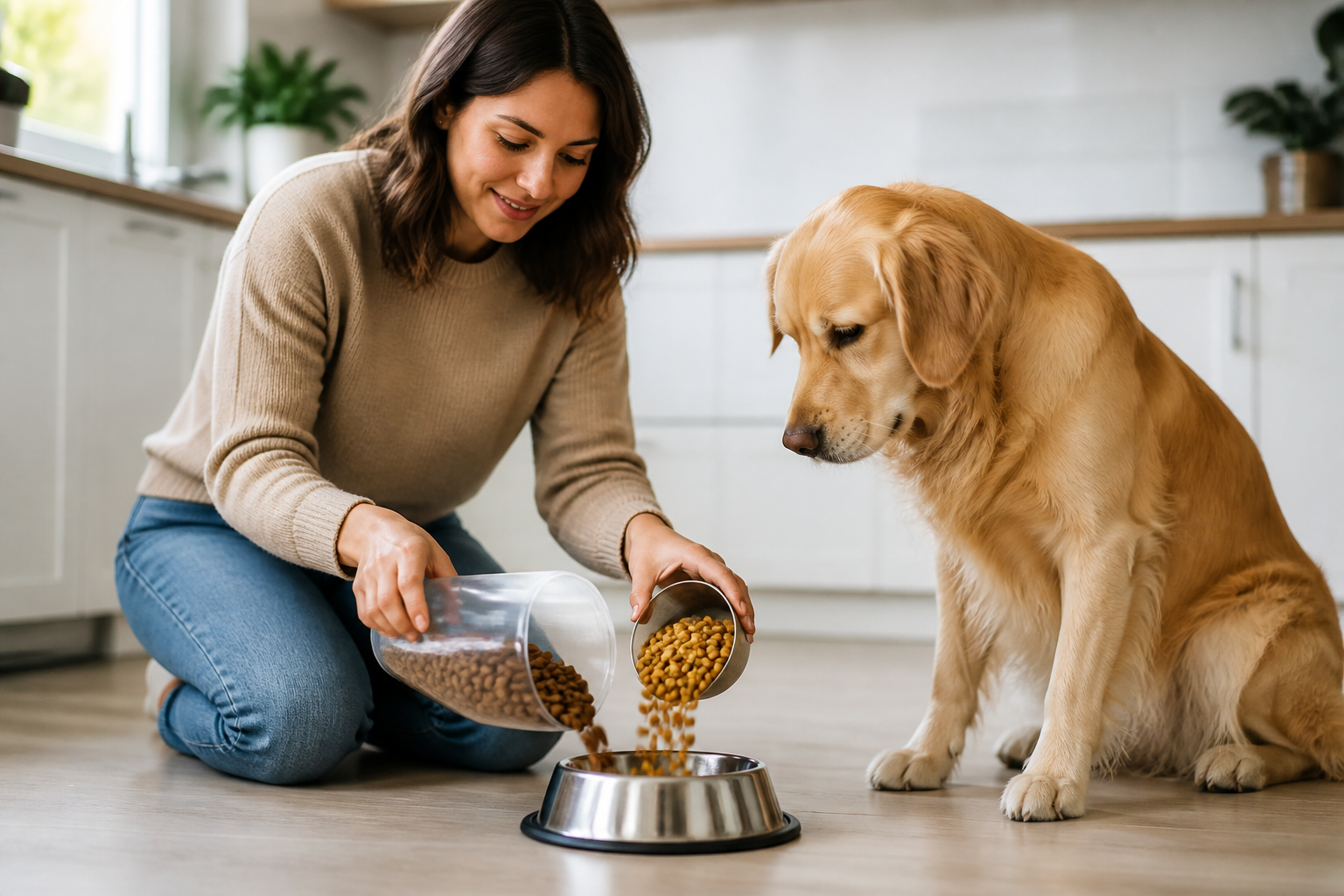
You are standing in your kitchen with a half-empty bag of premium kibble and a new bag of a different brand. Maybe you are trying to save money by stretching a high-end food. Perhaps your dog has suddenly decided their usual meal is boring. You might just be in the middle of switching brands and want to know if it is okay to put both in the same bowl. This is a common situation for many of us at BaxterBoo, where we help pet owners navigate these daily choices.
Mixing two dry dog foods is generally safe, but it is not as simple as just shaking two bags together. There are nutritional balances, calorie counts, and life stages to consider. We want to make sure your dog stays healthy while you find the right feeding routine. This article covers why you might mix foods, the safety rules you should follow, and how to do it without upsetting your dog’s stomach.
Why You Might Consider Mixing Foods
There are several practical reasons why you might want to combine different dry foods. Many of our customers use this method to solve specific problems or to make their budget go a little further.
Managing Your Budget
High-quality, nutrient-dense foods like Orijen or Acana offer incredible nutrition but come at a higher price point. Some owners choose to mix a very high-end food with a more affordable but still high-quality base kibble. This allows the dog to benefit from premium ingredients like freeze-dried raw pieces or specialized proteins while keeping the overall cost per meal lower.
Dealing with a Picky Eater
Some dogs get bored with the same flavor every single day. Adding a bit of a more aromatic or "tasty" kibble to their standard diet can act like a topper. This often encourages them to finish their entire bowl. If your dog is suddenly picky, it is always a good idea to rule out dental issues or health concerns with your vet before assuming they just want a new flavor.
For additional ideas, read our guide to dry dog food for picky eaters.
Transitioning to a New Diet
This is the most common reason for mixing. You should almost never switch a dog's food overnight. Their digestive systems are full of specific bacteria that specialize in breaking down their current food. A sudden change can lead to gas, diarrhea, or vomiting. Mixing the old and new food over a week or two gives their gut time to adjust.
Key Takeaway: Mixing dry foods is a useful tool for transitioning diets, saving money, or enticing picky eaters, but it must be done with a plan to maintain nutritional balance.
Is It Safe to Mix Two Dry Dog Foods?
The short answer is yes, it is safe for most healthy adult dogs. However, you are essentially creating a new, custom recipe every time you mix. Most commercial dog foods are formulated to be "complete and balanced" on their own. This means they contain every vitamin, mineral, and fatty acid a dog needs in the correct proportions.
When you mix two brands, you are shifting those proportions. For a healthy dog, a slight shift in the calcium-to-phosphorus ratio is usually fine. For a dog with specific health needs, it can be more complicated.
Quick Answer: You can safely mix two dry dog foods if both are formulated for the same life stage and meet AAFCO standards. The main goal is to avoid overfeeding and ensure the mix does not dilute specific nutrients your dog needs.
The Life Stage Rule
This is the most important safety rule. You should only mix foods designed for the same life stage. Puppy food is very different from adult maintenance food. Puppies need higher levels of protein, fat, and specific minerals for bone growth. Adult dogs do not need that level of calorie density.
If you mix puppy food into an adult dog's bowl, you might cause them to gain weight. If you mix adult food into a puppy's bowl, you might deprive them of the nutrients they need for proper development. The same applies to senior dogs who may need lower protein or added joint support found in brands like Cosequin or specific senior formulas.
Our adult dog food selection makes it easier to compare formulas intended for mature dogs.
Watching for Sensitivities
If your dog has a sensitive stomach, mixing two foods can make things complicated. If they have a reaction, you won't know which bag caused it. We carry many limited-ingredient diets from brands like Zesty Paws or Stella & Chewy's that are great for sensitive dogs. If you decide to mix, try to keep the protein sources similar, such as mixing two chicken-based recipes rather than a beef and a fish recipe.
For a meal mixer or topper, consider Stella & Chewy's selection while keeping the overall food ratio consistent.
The Importance of Nutritional Balance
Every bag of food we sell at BaxterBoo has a statement from the Association of American Feed Control Officials (AAFCO). This statement tells you if the food is a complete meal or just a supplement.
AAFCO Standards
When you mix two "complete and balanced" foods, the resulting mixture is also generally complete and balanced. The problem arises if you mix a complete food with a "topper" or a "mixer" that is not a full meal. These toppers are often high in flavor but low in essential minerals like zinc or iron. If the topper makes up more than 10 percent of the total calories, you might be creating a nutritional deficiency over time.
The Calorie Trap
Not all kibble is created equal. One cup of a "weight management" kibble might have 300 calories, while a cup of a "high performance" kibble might have 500 calories. If you mix them half and half by volume, you are feeding 400 calories.
If you aren't careful, you can easily overfeed your dog. This is why we recommend looking at the "kcal/kg" or "kcal/cup" listed on the back of the bag. If the two foods have very different calorie counts, you need to adjust your measuring cup accordingly.
| Food Type | Typical Calorie Count (per cup) | Primary Goal |
|---|---|---|
| Weight Management | 250 - 325 kcal | Satiety with fewer calories |
| Adult Maintenance | 350 - 425 kcal | General health for active dogs |
| Performance / Active | 450 - 550+ kcal | Sustained energy for working dogs |
Vet Tip: If your dog is on a weight loss plan, mixing foods can make it very hard to track their intake. Consult your veterinarian to calculate the exact calories your dog needs before you start blending different brands.
For another look at comparing formulas and transitioning diets, see our guide to selecting dry dog food.
When Mixing Is Not a Good Idea
There are specific times when you should stick to a single bag of food. Mixing can actually hurt the effectiveness of certain diets.
Therapeutic and Prescription Diets
If your vet has prescribed a specific food for a medical condition, do not mix it with regular kibble. Therapeutic diets are formulated with very precise levels of certain nutrients. For example, a kidney support diet has very low phosphorus. Adding a regular kibble—even a high-quality one—will add phosphorus back into the diet and could make your dog's condition worse.
Our pet pharmacy offers a wide range of prescription pet foods through our partnership with Pet's Choice. These foods are designed to treat specific issues like urinary crystals, kidney disease, or severe allergies. If your dog is on one of these, always talk to your vet before adding any other dry food to the bowl.
Severe Food Allergies
For dogs with intense allergies, veterinarians often recommend a "hydrolyzed protein" or "novel protein" diet. The goal is to keep the ingredient list as short as possible. Mixing in a second food introduces dozens of new ingredients. If your dog starts itching or getting ear infections, you won't know which ingredient is the trigger. In these cases, simplicity is always better.
Bottom line: Prescription diets and allergy-specific foods should never be mixed with other kibbles because it can dilute the medical benefits of the food.
How to Mix Two Dog Foods Safely
If you have decided that mixing is right for your dog, follow a structured approach. This prevents digestive upset and ensures your dog actually likes the new combination.
Step 1: Check the Ingredients
Look at the first five ingredients on both bags. If one food is high-quality with meat as the first ingredient and the other is full of fillers, your dog's digestion might suffer. Try to find foods with similar quality levels. We stock over 500 brands, so finding a compatible match is easy.
You can browse our dog food category to compare brands, recipes, and life-stage options.
Step 2: Calculate the Ratio
Decide why you are mixing. If it is for a transition, you will start with a small amount of new food. If it is for long-term feeding, a 50/50 or 75/25 split is common. Use a consistent measuring cup for both to ensure the ratio stays the same every day.
Step 3: Blend Thoroughly
Don't just put one food on top of the other. Many dogs are experts at "sorting." They will eat the tasty new kibble and leave the old stuff behind. Mix the kibbles together in a large container or a storage bin. This ensures they get a bit of both in every mouthful.
Step 4: Monitor the Results
Watch your dog for the first two weeks. You are looking for three things:
- Stool quality: It should remain firm. Soft stools mean the mix is too rich or the transition was too fast.
- Energy levels: Your dog should remain active and alert.
- Coat condition: A shiny coat is a sign of good fat and protein balance.
Transitioning Between Foods
If you are mixing because you want to switch brands entirely, you need to go slow. We recommend a seven-day transition for most dogs. Some dogs with very sensitive stomachs might need fourteen days.
- Days 1-2: 75% old food, 25% new food.
- Days 3-4: 50% old food, 50% new food.
- Days 5-6: 25% old food, 75% new food.
- Day 7: 100% new food (or your final desired mix ratio).
During a food transition, our guide to switching from dry to wet dog food offers another gradual feeding framework.
If your dog develops gas or soft stools at any point, don't move to the next step. Stay at the current ratio for a few extra days until their stomach settles. This is the best way to prevent a "food strike" or a messy cleanup.
Storage and Freshness Considerations
One of the biggest mistakes people make when mixing two dry dog foods is improper storage. When you open a bag of kibble, the fats inside begin to oxidize. This makes the food go stale and eventually rancid.
If you are mixing two different bags, you might have two large bags open at the same time. If you have a small dog, it could take months to finish all that food. By the time you get to the bottom, the vitamins may have degraded, and the taste will be off.
Keep the Bags
Whenever possible, keep the food in its original bag. Those bags are designed to keep out light and moisture. You can place the entire bag inside an airtight plastic or metal container. If you are pre-mixing a large batch, only mix what your dog will eat within three to four weeks.
Check Use-By Dates
Always check the expiration dates on both bags. If you mix a fresh bag with one that expires in a month, the whole batch needs to be used quickly. Storing food in a cool, dry place is essential. Avoid keeping dog food in a hot garage or a damp basement, as heat and humidity speed up spoilage.
Practical Tips for the Long-Term Mixer
If you plan to mix two foods permanently, there are a few ways to make the process easier and more consistent.
Use Weight Instead of Volume
A cup of small kibble has more food in it than a cup of large, heart-shaped kibble because there is less air between the pieces. If you want to be precise, use a kitchen scale to measure by grams. This is the only way to be 100 percent sure you are giving the same amount of nutrition every day.
Watch the Water
Dry food only contains about 10 percent moisture. When you mix different kibbles, especially if they are high in protein, your dog may need more water to help process the nutrients. Always ensure a bowl of fresh, clean water is available. Some owners find that adding a splash of water or unsalted broth to the mixed kibble helps with digestion and makes the "mix" more appetizing.
For more ideas about adding moisture to meals, read our guide to mixing dry dog food with water.
Consistency is Key
Dogs thrive on routine. Once you find a mix that works, try not to change it constantly. Changing the ratio or the brands every week can lead to chronic digestive issues. Pick two high-quality brands you trust and stick with them.
Key Takeaway: Precision in measuring and proper storage are the two most important factors in keeping a mixed-food diet healthy and fresh for your dog.
Common Myths About Mixing Dog Food
There is a lot of misinformation about pet nutrition online. Let's look at a few things people get wrong about mixing kibble.
Myth: It Causes "Protein Confusion"
There is no such thing as protein confusion. A dog's body breaks down protein into amino acids regardless of where it comes from. Mixing chicken and beef kibble will not confuse your dog's digestive system. However, as we mentioned earlier, it can make identifying allergies more difficult.
Myth: You Can't Mix Different Shapes
Some people worry that mixing different sizes or shapes of kibble is bad for a dog's teeth or digestion. This is not true. In fact, different textures can be good for mental stimulation. The only exception is very small dogs. If you mix a large-breed kibble with a toy-breed kibble, the small dog might struggle to chew the larger pieces safely.
Myth: It Voids the Nutritional Guarantee
As long as both foods are AAFCO-approved, they are safe to eat together. You aren't "breaking" the food by mixing it. You are simply creating a combined profile of the nutrients found in both bags.
Conclusion
Mixing two dry dog foods together is a practical way to manage costs, please a picky eater, or transition to a new brand. As long as you match the life stages and keep an eye on the total calorie count, it is a safe and effective feeding method for most dogs. Remember to watch for signs of digestive upset and keep your food stored in airtight containers to maintain freshness.
- Always match the life stage (puppy to puppy, adult to adult).
- Transition slowly over 7 to 14 days to avoid stomach issues.
- Measure by weight or calorie count rather than just by the scoop.
- Avoid mixing prescription diets without talking to your vet.
If your dog has a chronic health condition or requires a specialized diet, our pharmacy is here to help. We offer a huge selection of prescription foods and medications through our partnership with Pet's Choice. You can also save on your regular food orders by joining our Autoship programme or earning points through the MVP Rewards programme.
Bottom line: Mixing kibble is safe and easy if you follow a slow transition and keep your dog's specific life stage in mind.
FAQ
Can I mix a grain-free food with a grain-inclusive food?
Yes, you can mix these two types of food. Many owners do this to provide a variety of fiber sources or to slowly introduce grains back into a dog's diet. Just make sure both foods are high-quality and that your dog does not have a known sensitivity to specific grains like corn or wheat.
Will mixing two foods help my dog lose weight?
Mixing can help with weight loss only if you are mixing a standard kibble with a low-calorie weight-management formula. However, you must still track the total calories carefully. If you simply add more food to the bowl, your dog will gain weight regardless of the mix.
How long does it take for a dog's stomach to adjust to a mix?
Most dogs adjust to a new food mixture within seven to ten days. During this time, you might notice minor changes in their stool. If the upset lasts longer than a few days or includes vomiting, stop the new mix and consult your veterinarian to rule out an allergy or underlying issue.
Is it okay to mix different brands of the same protein?
Yes, mixing two different brands of chicken-based food is often easier on a dog's stomach than mixing two different proteins. This is a great way to take advantage of different brand benefits, such as one having added probiotics and the other having better omega fatty acid levels. Always check that both brands meet AAFCO standards for complete nutrition.






