
 Save 15% on your 1st Autoship learn more

 Email us
 Live Chat
 FAQs
FAQs





Introduction
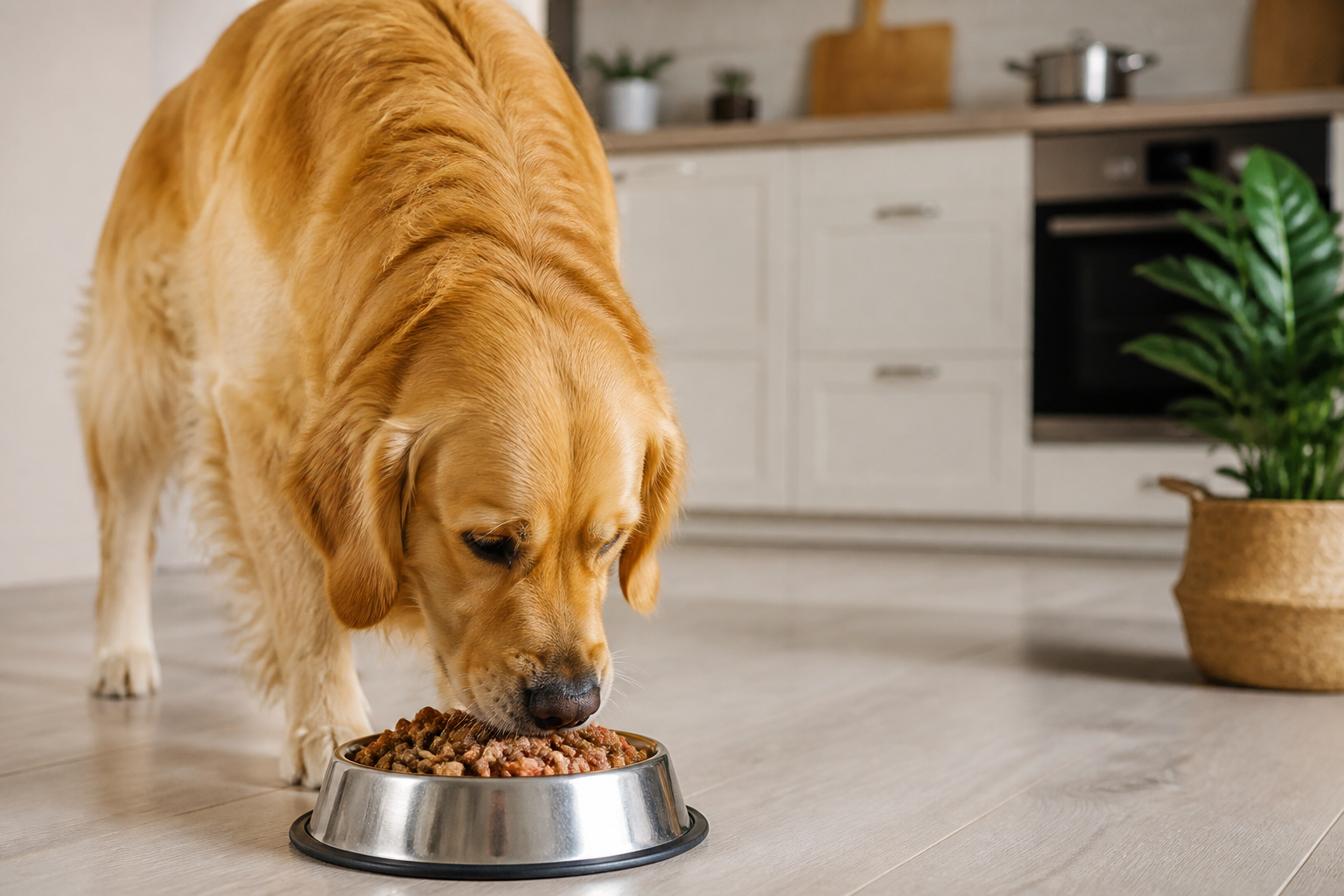
You stand in the kitchen while your dog looks at a bowl of plain kibble with zero interest. Many pet owners face this exact moment. You might wonder if adding a scoop of canned food would make the meal more appealing or if it might upset their stomach. At BaxterBoo, we hear this question from our customers every day. The short answer is yes, you can certainly mix wet and dry dog food together. This approach is often called mixed feeding. It combines the crunch of kibble with the rich aroma of wet food. This guide covers the benefits of mixing, how to calculate the right portions, and how to handle special health needs. We want to help you create a meal plan that keeps your dog happy and healthy. Explore our dog food category to compare wet and dry options.
Quick Answer: Yes, you can safely mix wet and dry dog food as long as both products are complete and balanced. You must adjust the portions of each to ensure you are not overfeeding your dog.
The Benefits of a Mixed Diet
Mixing wet and dry food provides the best of both worlds for your dog. Dry food is convenient and often helps with dental health through mechanical scraping. Wet food provides much higher moisture levels and more intense flavor. When you combine them, you create a texture that many dogs find much more exciting than plain kibble.
Improved Hydration
Hydration is a major benefit of adding wet food to a dry diet. Most dry kibble contains only about 10 percent moisture. Canned or pouched foods often contain 75 percent water or more. This extra liquid helps support kidney function and urinary tract health. It is particularly helpful for dogs that do not drink enough water from their bowls. For another approach to adding moisture, read our guide to adding water to dry dog food.
Better Palatability for Picky Eaters
If your dog is a picky eater, the strong smell of wet food can act as a natural appetite stimulant. Wet food often contains more animal fats and proteins that smell enticing to a dog. By mixing a small amount of wet food into the kibble, you coat the dry pieces in a flavorful gravy. This makes it much harder for your dog to pick out only the "good stuff" while leaving the nutrition behind.
Cost-Effectiveness
Feeding an all-wet diet can become very expensive, especially for large breeds. Mixing allows you to stretch your budget further. You get the nutritional boost and flavor of premium wet brands like Open Farm or Stella and Chewy's without the high cost of a 100 percent wet food diet.
| Feeding Method | Main Benefit | Best For |
|---|---|---|
| Dry Only | Cost and Dental | Active dogs on a budget |
| Wet Only | Hydration and Taste | Seniors or very picky eaters |
| Mixed Feeding | Balance and Variety | Most healthy adult dogs |
Understanding Calories and Portions
The biggest mistake owners make when mixing food is simply adding wet food on top of a full serving of dry food. This leads to accidental weight gain. You must replace a portion of the dry food with an equivalent amount of wet food based on calorie counts. Our guide to wet-to-dry food conversions can help you think through the math.
The Replacement Rule
You cannot simply swap one cup of dry for one cup of wet. Dry food is much more calorically dense than wet food because the water has been removed. On average, one cup of dry food contains as many calories as three or four cans of wet food. You should check the labels for the kilocalories per cup or per can.
Working with Your Vet
If your dog needs to lose weight or has a specific health condition, you should ask your veterinarian for a daily calorie target. Once you have that number, you can decide how to split it. Many owners find success with a 75/25 split. This means 75 percent of the daily calories come from kibble and 25 percent come from wet food.
Key Takeaway: Always calculate portions by calories rather than volume. Adding wet food without reducing kibble will lead to obesity.
Mixing for Different Life Stages
A dog's nutritional needs change as they age. What works for a puppy may not be appropriate for a senior dog. You must ensure that both the wet and dry foods you choose are formulated for your dog's specific life stage.
Puppies
Puppies have high energy needs and require specific levels of calcium and phosphorus for bone growth. If you mix food for a puppy, both must be labeled for growth or for all life stages. We carry many puppy-specific options from brands like NutriSource and Royal Canin that work well together. Our puppy collection is a helpful place to explore age-appropriate choices.
Senior Dogs
Senior dogs often benefit the most from mixed feeding. As dogs age, their sense of smell can decline. The strong aroma of wet food encourages them to keep eating. Additionally, many seniors have dental issues or missing teeth. Adding wet food or a broth topper can soften the kibble. This makes it much easier for them to chew and swallow. For more guidance, read our comparison of wet and dry food for senior dogs.
Vet Tip: If your senior dog suddenly stops eating their dry food, do not just add wet food. Consult your vet to rule out dental pain or underlying health issues like kidney disease.
Therapeutic and Prescription Diets
Some dogs require special food to manage health conditions like skin allergies, kidney disease, or urinary stones. Mixing becomes a bit more complex in these cases. You should generally stay within the same brand and product line for prescription diets.
Our pet pharmacy provides a wide range of FDA-approved prescription foods through our partnership with Pet's Choice. Brands like Farmina Vet Life and Royal Canin offer matching wet and dry versions of their therapeutic formulas. Mixing a prescription dry food with a standard grocery store wet food can ruin the effectiveness of the diet. For example, if your dog is on a low-protein kidney diet, adding a high-protein topper can put unnecessary stress on their organs.
Allergic Dogs and Sensitive Stomachs
For dogs with food sensitivities, mixing limited ingredient foods is the safest path. Look for brands like Zesty Paws or The Honest Kitchen that focus on simple, whole-food recipes. When you mix, try to keep the protein source the same. If you are feeding a lamb-based kibble, choose a lamb-based wet food. This makes it easier to identify the culprit if your dog has a reaction.
Bottom line: Prescription diets must be mixed with their matching wet counterparts to remain effective for health management.
Step-by-Step: How to Transition to Mixed Feeding
If your dog currently eats only dry food, you should not switch to a mixed diet overnight. A sudden change can cause diarrhea or gas. Follow this slow transition plan over the course of one week. For additional transition guidance, see our article on switching from dry to wet dog food.
Step 1: Start with a topper. Add just one tablespoon of wet food to their normal dry meal for two days.
Step 2: Monitor the stool. If your dog's digestion looks normal, move to a 10 percent wet and 90 percent dry mix.
Step 3: Adjust the dry portion. At this point, start removing a small amount of kibble to account for the wet food calories.
Step 4: Reach your goal ratio. Gradually increase the wet food until you reach your desired balance over the next four days.
Storage and Safety Tips
Dry food can sit out in a bowl for a long time without spoiling. Wet food cannot. This is the most important safety rule when mixing dog food.
- Discard uneaten food. If your dog does not finish their mixed meal within 30 minutes, throw it away.
- Refrigerate open cans. Once you open a can or pouch, it must stay in the fridge. Use it within two to three days.
- Use airtight lids. We recommend using silicone can covers to keep the wet food from drying out or smelling up your refrigerator.
- Clean the bowl daily. Mixed food leaves behind a sticky residue that can grow bacteria much faster than dry kibble dust.
Common Toppers and Add-ins
You do not always have to use traditional canned food. There are several other ways to mix wet and dry food using products from our inventory.
Freeze-Dried Raw
Brands like Stella and Chewy's or Vital Essentials offer freeze-dried raw nuggets. You can crumble these over kibble or rehydrate them with water. This adds the benefits of raw nutrition with the convenience of shelf-stable storage.
Bone Broths and Stews
If you want to add moisture without a lot of extra calories, a bone broth is a great choice. Honest Paws and other brands make broths specifically for dogs. These are lower in sodium than the versions made for humans. They are excellent for softening hard kibble for small dogs or seniors. Browse our dog treats category for topper-style options.
Gently Cooked Food
Fresh, gently cooked foods like those from Open Farm provide high-quality proteins. These often come in frozen or refrigerated pouches. Mixing these with kibble is a great way to provide "human-grade" ingredients while keeping the crunch of dry food.
Key Takeaway: Variety in textures can help maintain interest in food for dogs that get bored easily.
Avoiding Common Mistakes
When owners begin mixing, they often fall into a few traps that can harm their dog's health over time.
Using Human "Wet" Food
It is tempting to just pour some chicken soup or beef gravy over kibble. Human foods often contain onions, garlic, or excessive salt. These ingredients can be toxic or cause long-term heart and kidney issues. Always stick to products specifically formulated for dogs.
Ignoring AAFCO Statements
Not all wet foods are meant to be a full meal. Some are labeled as "supplemental" or "toppers" only. This means they do not have the vitamins and minerals required to be a dog's sole source of nutrition. If you are mixing a large amount of wet food, make sure it says "complete and balanced" on the label.
Forgetting Dental Health
While the idea that dry food "cleans" teeth is sometimes overstated, wet food definitely does not help. If you move to a diet that is mostly wet food, you must be more diligent about dental care. We offer many dental treats and water additives to help manage plaque if your dog's diet becomes softer. See our dental and breath care collection for related products.
Handling Picky Eaters
Some dogs will eat the wet food and leave the dry kibble sitting in the bowl. If your dog does this, try "mashing" the two together. Use a fork to incorporate the wet food into the kibble so that every piece of dry food is coated. This makes it impossible for the dog to separate them. You can also add a splash of warm water. The warmth enhances the smell and creates a more uniform texture.
Our MVP Rewards members often share that their picky eaters do best when the wet food is warmed slightly in the microwave before mixing. Just be sure to stir it well to avoid any "hot spots" that could burn your dog's mouth. Learn more about the MVP Rewards programme while planning your pet's regular purchases.
Summary of Best Practices
Mixing wet and dry dog food is a fantastic way to boost your dog's health and mealtime enjoyment. It provides necessary hydration, especially for dogs prone to urinary issues. It also makes premium nutrition more affordable for many families.
To succeed with mixed feeding:
- Use the calorie counts on the labels to determine the right portions.
- Transition slowly over 7 to 10 days to avoid stomach upset.
- Stay within the same brand for prescription diets.
- Clean bowls immediately after feeding to prevent bacteria growth.
- Ensure both foods match your dog's current life stage.
We are proud to carry over 500 trusted brands to help you find the perfect combination. Whether you are looking for a high-protein kibble from Acana or a gentle pâté from Tiki Cat, we have the selection you need. Our Autoship programme is a great way to ensure you never run out of your dog's favorite wet food toppers while saving money on every order.
Bottom line: Mixing wet and dry food is a safe, healthy, and practical way to feed your dog as long as you balance the calories and maintain food safety.
FAQ
How much wet food should I add to dry food?
The amount depends on your dog's size and calorie needs. A common starting point is replacing 25 percent of the dry food with an equivalent caloric amount of wet food. Always check the feeding guidelines on both packages to ensure the total calories do not exceed your dog's daily requirement.
Does mixing wet and dry food cause diarrhea?
It can cause loose stools if you switch the diet too quickly. Dogs have sensitive digestive systems that need time to adjust to new proteins and higher moisture levels. Start with a very small amount of wet food and gradually increase it over a week to prevent any stomach issues.
Can I mix two different brands of dog food?
Yes, you can mix different brands of healthy, commercial dog food for a normal adult dog. However, if your dog is on a prescription or therapeutic diet, you should stick to the same brand. Different brands use different mineral balances that might interfere with a medical diet's effectiveness.
Should I add water if I am already mixing in wet food?
You can add water if your dog needs even more hydration or if you want to create a softer consistency. Adding warm water to a wet and dry mix can help release the aromas of the food. This is particularly helpful for senior dogs or those with a decreased sense of smell.






