
 Save 15% on your 1st Autoship learn more

 Email us
 Live Chat
 FAQs
FAQs





Introduction
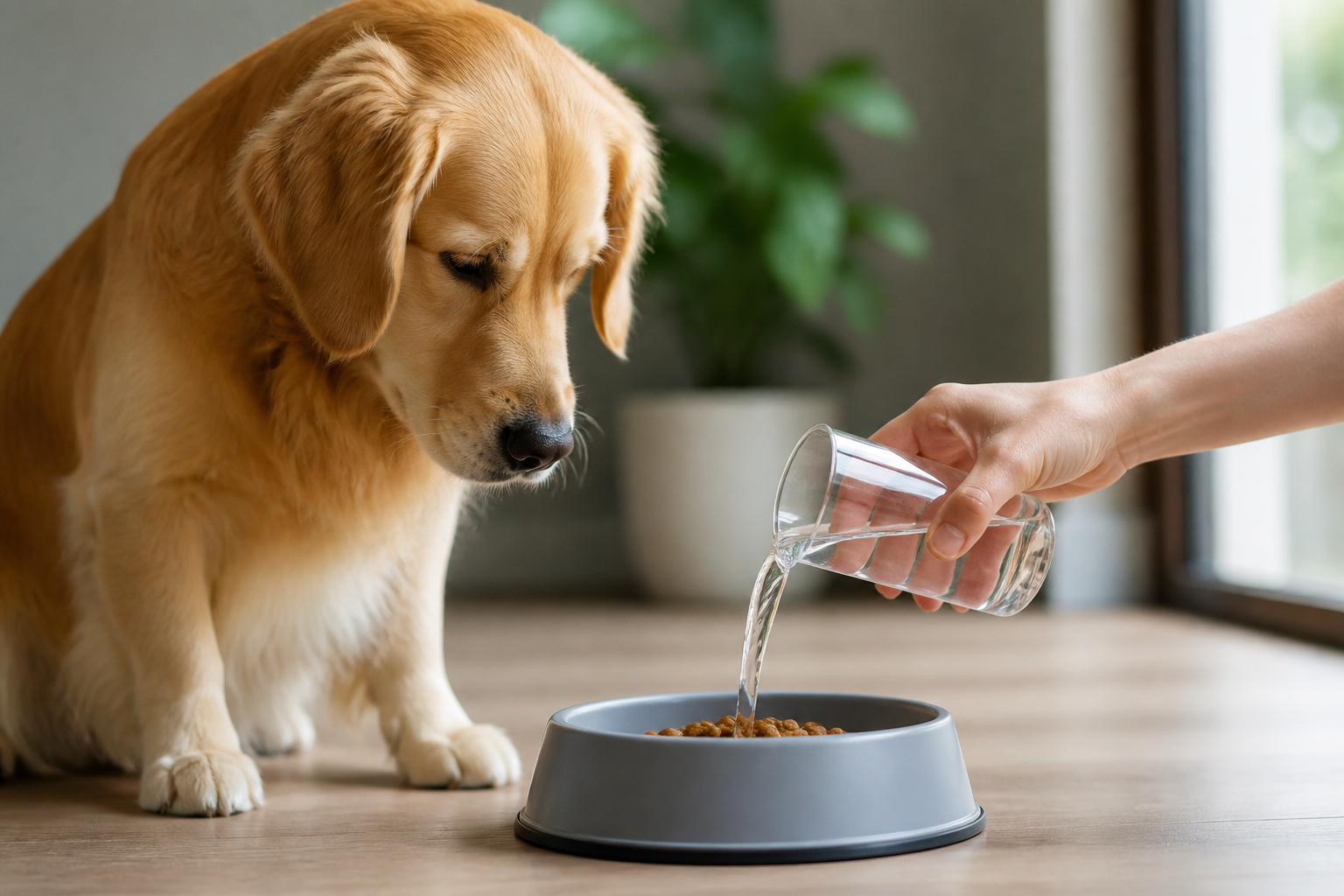
You are standing in your kitchen with a scoop of dry kibble and a dog that is looking less than enthusiastic about dinner. Maybe your puppy is struggling to chew those hard nuggets, or your senior dog seems to have lost interest in eating altogether. You might wonder if adding a splash of water to the bowl is a good idea. It seems like a simple solution, but it actually changes the texture and nutritional experience of the meal. At BaxterBoo, we believe that how you serve a meal is just as important as what is in the bowl. We have spent years helping pet owners find the right balance for their dogs. This post will cover the benefits of hydrating dry food, the safety steps you need to take, and why adding moisture might be the best choice for your dog's health. Adding water can turn a basic meal into a hydrating feast that supports digestion and wellness.
The Basic Benefits of Hydrating Kibble
The most immediate benefit of adding water to dry food is improved hydration. Most dry kibble contains only about 10 percent moisture. In the wild, a dog’s ancestors would eat a diet that was significantly more hydrated. When a dog eats only dry food, they must make up that moisture deficit by drinking plenty of water from a bowl. However, many dogs do not drink enough on their own. By adding water directly to the food, you ensure they are getting a boost of fluids with every bite.
Proper hydration is not just about thirst. It is essential for every metabolic process in your dog’s body. It helps the kidneys flush out toxins and supports healthy urinary tract function. For dogs prone to urinary crystals or stones, that extra moisture can be a literal lifesaver. It dilutes the urine and encourages frequent flushing of the bladder.
Quick Answer: Yes, you can and often should put water in your dog's dry food. It improves hydration, makes the food easier to digest, and enhances the aroma for picky eaters. Just ensure you serve it fresh and do not leave it out for more than 30 minutes.
Enhancing Flavor and Aroma
Dogs experience much of the world through their noses. Dry kibble that has been sitting in a bag can lose some of its enticing scent. When you add warm water to the bowl, it releases the fats and aromas trapped in the dry nuggets. This makes the food much more appealing to a dog that has a low appetite or is recovering from an illness.
For senior dogs whose sense of smell may be fading, this extra aroma can be the difference between a skipped meal and a finished bowl. It turns a "boring" dry pellet into a savory, gravy-coated meal. This simple trick is often more effective than switching brands of food constantly to satisfy a picky eater. For additional ideas, read what can be added to dry dog food for better health.
Improving Digestion and Nutrient Absorption
Dry food requires a lot of work from the digestive system. To break down a hard pellet, the stomach must produce extra acid and pull moisture from the surrounding tissues. If the dog is already slightly dehydrated, this process slows down. By soaking the food before it even reaches the stomach, you are giving the digestive tract a head start.
Hydrated food is easier for the body to break down and move through the intestines. This can lead to better nutrient absorption. If the food is partially softened, the enzymes in the gut can reach the nutrients more efficiently. This often results in more consistent energy levels and even better stool quality.
Preventing Gulping and Bloat
Some dogs eat as if they are in a race. Gulping down dry kibble can lead to a condition called bloat, or Gastric Dilatation-Volvulus (GDV), which is a medical emergency. When a dog swallows a large amount of dry food and air at once, the food can expand rapidly in the stomach.
Adding water to the food allows it to expand in the bowl rather than inside your dog. It also makes it harder for the dog to inhale the food at high speeds. The moisture creates a texture that requires more deliberate licking and chewing. If your dog is a fast eater, soaking the food is a practical way to manage their pace. You can also review how to wet dry dog food for better digestion and hydration.
Key Takeaway: Adding moisture to dry food supports the kidneys, aids in smooth digestion, and can help prevent the rapid stomach expansion that leads to bloat in large breeds.
The Myth of Dry Food and Dental Health
One of the most common reasons owners avoid adding water to food is the belief that dry kibble cleans teeth. There is a long standing idea that the crunch of the kibble scrapes away plaque. However, most veterinarians agree that this is largely a myth.
Think about it like humans eating crackers. A crunchy cracker does not clean your teeth. In fact, the carbohydrates in the cracker often stick to your teeth and feed bacteria. Most dogs do not even chew their kibble long enough for any scraping action to occur. They bite a nugget once or twice and swallow it.
Real Dental Care
If you are worried about your dog's teeth, adding water to their food will not make things worse. The real way to manage dental health is through regular brushing and professional cleanings. Softening the food can actually be better for dogs with existing dental pain. If a dog has sore gums or a loose tooth, biting down on a hard piece of kibble can be painful. Softened food allows them to eat without discomfort. For broader oral-care ideas, see our dog dental care collection.
Vet Tip: Do not rely on dry food to keep your dog's teeth clean. If you notice bad breath, red gums, or your dog is dropping food, consult your veterinarian for a dental checkup. They may recommend a specific dental diet or a professional cleaning.
When Your Dog Needs More Than Just Water
Sometimes, a dog needs a specific diet to manage a health condition like kidney disease, obesity, or severe allergies. In these cases, your vet might prescribe a prescription diet. These foods are formulated with precise nutrient levels to treat or manage a disease.
Our pharmacy carries a wide range of these FDA-approved prescription pet foods through our partnership with Pet's Choice. If your dog is on a prescription diet, you can still add water to it. In fact, many prescription diets for urinary health or kidney support are designed to be even more effective when the dog's moisture intake is high. Our dog pharmacy can help you explore prescription-related options.
Navigating Health Challenges
If your dog has chronic digestive issues or is losing weight unexpectedly, it is important to talk to a professional before making major changes. While adding water to food is generally safe, it can change how a dog reacts to their diet. We recommend talking to your vet if you see persistent vomiting, diarrhea, or a complete lack of interest in food.
The BaxterBoo pharmacy is an excellent resource for managing ongoing health needs. We provide access to medications and therapeutic diets that can be delivered right to your door. This convenience ensures your dog never misses a dose or a specialized meal.
Safety and Storage Concerns
The biggest risk of adding water to dry food is spoilage. Dry kibble is shelf-stable because the moisture has been removed. Once you add water back in, you create a perfect environment for bacteria, yeast, and mold to grow.
You must treat hydrated kibble just like you would treat wet canned food. It cannot sit out all day. If your dog is a "grazer" who likes to take a few bites and come back later, adding water might not be the best choice unless you are willing to pick the bowl up. For more storage guidance, read how long dry dog food lasts.
Proper Handling Guidelines
To keep your dog safe, follow these rules for hydrated food:
- Use fresh, filtered water for every meal.
- Serve the food immediately after soaking.
- Pick up any uneaten food after 30 minutes.
- Wash the food bowl thoroughly with soap and water after every meal.
- Never mix water into a large container of kibble for later use.
Following these steps prevents the growth of harmful pathogens like Salmonella or Listeria. These bacteria thrive in moist, room-temperature environments. A clean bowl and fresh service are the best ways to keep your dog's gut healthy.
Alternatives to Plain Water
While plain water is the easiest thing to add, it is not your only option. Many dog owners choose to use other liquids to boost the nutritional value of the meal even further.
Bone Broth
Bone broth is a popular choice for a reason. It is packed with collagen, glucosamine, and chondroitin, which support joint health. It also contains amino acids like glycine that help maintain a healthy gut lining.
When choosing a bone broth, make sure it is specifically made for dogs. Human versions often contain onions, garlic, and high amounts of salt, all of which can be toxic to dogs. A dog-safe bone broth adds deep flavor and extra nutrients that plain water simply cannot provide.
Goat's Milk
Raw or fermented goat's milk is another excellent topper. It is often called a "universal milk" because it is very easy for dogs to digest. It is loaded with probiotics that support the immune system and gut health. For dogs with sensitive stomachs or those who have recently been on antibiotics, goat's milk can help restore balance to the digestive tract.
Canned Food Mix-ins
If you want to keep it simple, you can mix a few spoonfuls of canned wet food with the dry kibble and a little water. This creates a "stew" that is very high in protein and moisture. It is a great way to transition a dog that is used to eating only dry food. For more information, read can you mix dry dog food with wet.
Key Takeaway: Using bone broth or goat's milk instead of water can provide extra joint and gut support while making the meal even more enticing for picky eaters.
Step-by-Step: How to Hydrate Your Dog's Food
If you are ready to start adding water to your dog's meals, it is best to do it gradually. A sudden change in texture can occasionally cause a little digestive upset or make a skeptical dog refuse the meal.
Step 1: Determine the amount. / Start by adding just a tablespoon or two of water to the usual portion of kibble to see how your dog reacts.
Step 2: Use the right temperature. / Use warm water rather than cold or boiling water. Warm water releases the most aroma without the risk of burning your dog's mouth.
Step 3: Find the perfect ratio. / A good general rule is one part water to two parts kibble. You want the food to be moist but not floating in a soup.
Step 4: Let it soak. / Wait about 2 to 5 minutes before serving. This allows the water to penetrate the hard outer shell of the kibble.
Step 5: Monitor the response. / Watch your dog to see if they enjoy the new texture. If they seem hesitant, you can try mashing a few pieces to release more flavor.
Bottom line: Hydrating food is a simple process that requires only a few minutes of soaking time and the right ratio of warm water.
Considerations for Different Life Stages
The needs of a puppy are very different from those of a senior dog. Hydrating food can play a specific role in each stage of your dog's life.
Puppies
Puppies have small teeth and sensitive gums. When they are transitioning from mother's milk to solid food, dry kibble can be very intimidating. Soaking the kibble into a soft mush makes this transition much easier. It also ensures that the puppy stays hydrated during a time of rapid growth. Since puppies are prone to playing hard and forgetting to drink, the extra water in their food is a helpful safety net. If you are shopping for age-appropriate essentials, visit our puppy supplies section.
Senior Dogs
As dogs age, they often face dental issues, a decreased sense of smell, and slower digestion. Softening their food addresses all three of these problems. It is also common for senior dogs to develop kidney issues. Increasing their water intake through their food is one of the easiest ways to support kidney function as they enter their golden years.
Working and Active Dogs
Dogs that are very active, such as hunting dogs or agility competitors, lose a lot of moisture through panting. For these dogs, adding water to their food helps them recover faster. It ensures their muscles are hydrated and their body temperature is regulated more effectively after a long day of work.
Managing Weight with Hydrated Food
If your dog is carrying a few extra pounds, adding water to their food might help with weight management. Dry food is very calorie-dense. A small amount of food contains a lot of energy. This can lead to a dog feeling hungry even after they have eaten their calorie-allotted portion.
By adding water, you increase the volume of the food without adding any calories. This creates a sense of fullness, or satiety. The dog feels like they have eaten a much larger meal, which can reduce begging and help them stick to a weight loss plan.
Portions Still Matter
It is important to remember that adding water does not change the calorie count of the kibble itself. You must still measure the dry food accurately. If you are overfeeding the dry kibble, adding water will not help with weight loss. Use a standard measuring cup and talk to your vet about the right amount of calories for your dog’s specific size and activity level.
For dogs needing serious weight intervention, we carry weight management formulas in our warehouse and online store. You can also set up these items on our Autoship program to ensure you never run out and stay consistent with your dog's diet plan. Our Autoship program also grants you a free MVP Gold membership for extra savings.
When to Avoid Adding Water
While adding water is beneficial for most, there are a few cases where it might not be the right choice.
- Free Feeders: If you leave food out all day for your dog to eat at will, you cannot add water. The risk of spoilage is too high.
- Traveling: If you are in a situation where you cannot properly clean the bowl or dispose of leftovers, it is safer to stick to dry food temporarily.
- Specific Medical Advice: Occasionally, a vet may recommend a specific hard-textured food for a specific recovery process. Always follow your vet's direct orders.
If your dog truly prefers the crunch and refuses to eat hydrated food, do not force the issue. Instead, focus on providing multiple water sources throughout your home and consider adding a water fountain to encourage more drinking.
Practical Tips for Busy Owners
We know that pet parents are busy. Adding an extra step to mealtime can feel like a chore, but it doesn't have to be. You can make the process faster by keeping a thermos of warm water nearby or using a dedicated kettle for your dog's meals.
If you use bone broth, you can freeze it into ice cubes. Simply pop one or two cubes into the bowl and add a little warm water. This cools the water down to a safe temperature quickly while adding all the benefits of the broth.
Key Takeaway: You can simplify the process of hydrating food by using pre-portioned broth cubes or a dedicated warm water source.
Conclusion
Adding water to your dog's dry food is a simple, cost-effective way to improve their overall health. It supports kidney function, aids digestion, and can make mealtimes much more exciting for your furry friend. Whether you are caring for a growing puppy or a senior dog with a fading appetite, that extra moisture makes a significant difference. At BaxterBoo, we want to make sure you have everything you need to keep your dog thriving. From premium kibble in our dog food category to the supplements and toppers that make it better, we are here to help.
The most important thing is to monitor your dog and see what works best for them. Every dog is an individual with their own preferences. If you decide to make the switch to hydrated meals, remember to keep it fresh and clean. For those who want to ensure they always have the best food and toppers on hand, consider joining the MVP Rewards program to earn points on every purchase.
FAQ
Does adding water to dry dog food cause bloat?
There is no scientific evidence that adding water directly causes bloat. In fact, many experts believe that pre-soaking kibble helps it expand in the bowl rather than the stomach, which might actually reduce the risk. To further prevent bloat, focus on using slow feeders and avoiding vigorous exercise immediately after your dog eats.
How long can I leave soaked dog food in the bowl?
You should treat soaked kibble like wet canned food and never leave it out for more than 30 minutes. Once water is added, the food becomes a breeding ground for bacteria and mold. If your dog does not finish their meal within that window, you should discard the leftovers and wash the bowl thoroughly.
Can I use hot water to soak my dog's kibble?
You should use warm water, not boiling or hot water. Boiling water can destroy some of the heat-sensitive vitamins and probiotics found in high-quality dog food. It also poses a significant risk of burning your dog's mouth if they try to eat before it has cooled down completely.
Does soaking food make my dog's teeth rot?
Soaking food does not cause tooth decay, but it does remove the minimal scraping action that dry kibble provides. However, since dry kibble is not an effective way to clean teeth anyway, the trade-off is worth it for the digestive and hydration benefits. The best way to prevent dental issues is through daily brushing with dog-safe toothpaste.






