
 Save 15% on your 1st Autoship learn more

 Email us
 Live Chat
 FAQs
FAQs





Introduction
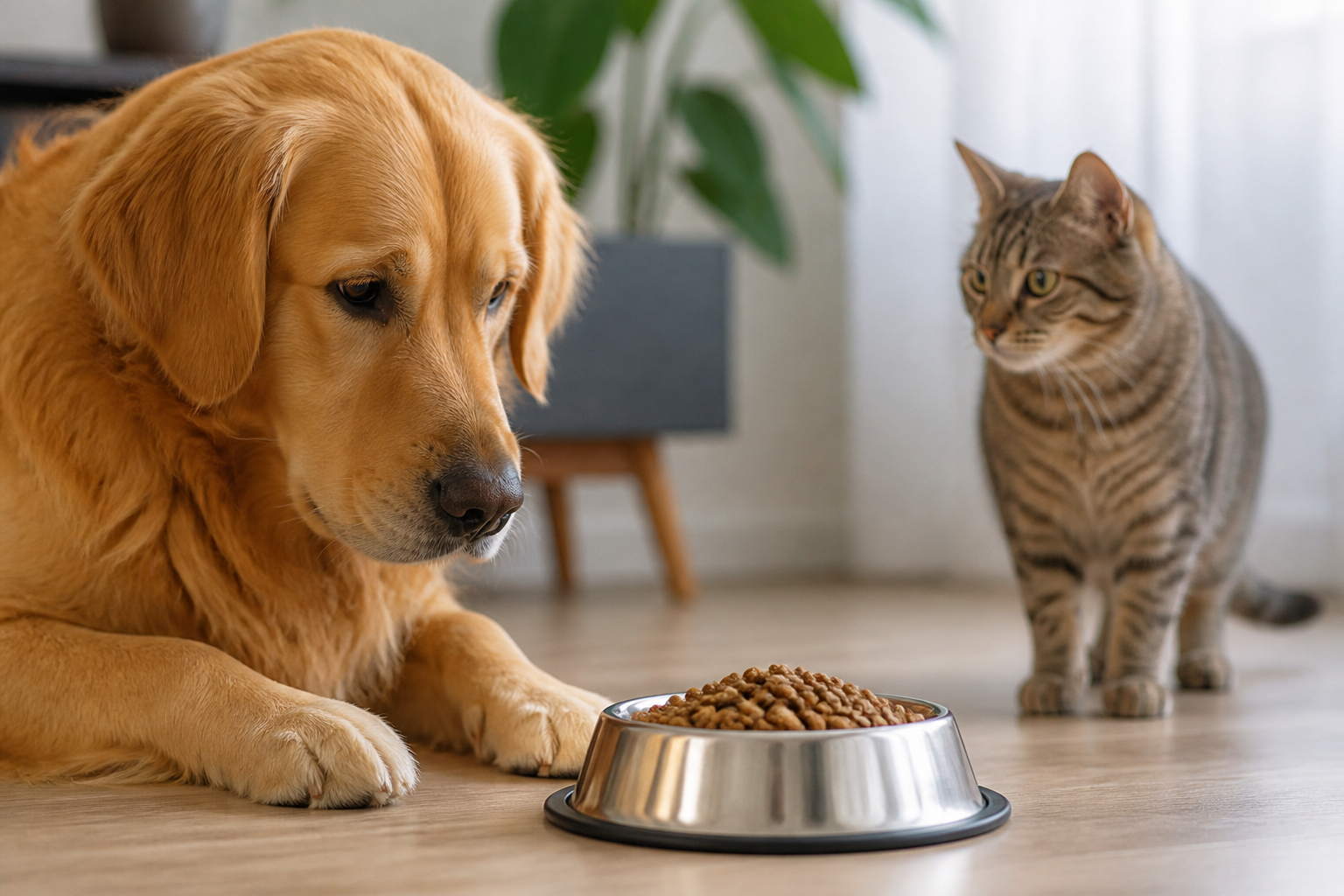
You turn your back for a moment to grab the mail and hear a suspicious crunching sound. You walk back into the kitchen to find your dog with their head buried in the cat's bowl, happily polishing off the last of the salmon-flavored kibble. It is a scene we see often at BaxterBoo, where many of our customers manage multi-pet households. This common "kibble heist" usually leaves owners wondering if their dog will get sick or if they can simply use cat food as a backup when the dog food bag runs empty. While a few stolen bites generally will not cause an emergency, using cat food as a staple diet for a dog is a different story entirely. This article covers the nutritional differences between the species, the specific health risks of long-term feeding, and how to manage mealtime in a house with both dogs and cats. If you want to browse options for each pet, start with our cat food category.
Quick Answer: Most healthy dogs can handle a small amount of cat food without serious issues. However, cat food is too high in protein and fat for a dog's long-term health and can lead to obesity or pancreatitis.
The Nutritional Gap Between Species
Dogs and cats have very different biological requirements. These differences are reflected in how their food is formulated. Cats are obligate carnivores. This means their bodies are designed to process animal tissue as their primary source of energy and nutrients. They have a strict requirement for certain amino acids and vitamins that they cannot produce on their own.
Dogs are omnivores. While they love meat, their bodies are adapted to derive nutrition from a mix of animal and plant sources. They are much more flexible in how they process carbohydrates, fats, and proteins. Because of these distinct biological paths, the Association of American Feed Control Officials (AAFCO) sets different minimum nutrient standards for each species. For a broader look at everyday kibble options, explore our dog food category.
Key Nutrient Differences
Cat food is significantly more calorie-dense than dog food. It contains higher concentrations of protein and fat to satisfy the feline metabolism. For a dog, this density is often "too much of a good thing." The following table shows the minimum requirements for adult maintenance in both species.
| Nutrient | Adult Dog Minimum | Adult Cat Minimum |
|---|---|---|
| Crude Protein | 18% | 26% |
| Crude Fat | 5.5% | 9% |
| Taurine | Not Required | 0.1% (Dry) |
| Vitamin A | 5,000 IU/kg | 3,332 IU/kg |
Cat food also contains higher levels of specific amino acids like taurine and arginine. It often includes arachidonic acid, an essential fatty acid that cats must get from their diet. While these are not toxic to dogs, the sheer concentration of these elements can put a strain on a dog's digestive system and internal organs over time. If you want to compare foods from a brand known for species-specific formulas, take a look at our selection of Royal Canin products.
Key Takeaway: Cat food is a concentrated "super-fuel" designed for carnivores. While it meets a dog's basic needs, it provides levels of fat and protein that far exceed what a healthy dog requires for daily maintenance.
Why Dogs Find Cat Food Irresistible
If you have ever wondered why your dog treats the cat's bowl like a five-star restaurant, the answer is in the ingredients. Manufacturers design cat food to be highly palatable. Since cats can be notoriously picky eaters, their food is often coated in animal fats and flavor enhancers that create a strong, meaty aroma.
To a dog, this smell is like a siren song. The high fat content makes the food taste better than their own more balanced kibble. Dogs have an incredible sense of smell and can easily detect the higher protein and fat levels in the feline version of dinner. Once they have a taste, they may even start to turn their nose up at their own food, hoping for another chance at the "premium" stuff. If you are comparing higher-protein options for dogs, our selection of Farmina products is a helpful place to browse.
The Problem with Palatability
When a dog starts preferring cat food, it creates a behavioral challenge. They might stop eating their own balanced meals to hold out for a feline snack. This can lead to a cycle of picky eating. It also makes it harder to manage their weight, as even a small handful of cat kibble contains far more calories than a comparable amount of dog kibble.
Vet Tip: If your dog is suddenly refusing their own food but begging for the cat's meal, it is time for a checkup. A sudden change in appetite or pickiness can sometimes signal dental issues or underlying health problems that need a professional diagnosis.
Short-Term Risks of a Kibble Heist
For most healthy adult dogs, eating a single bowl of dry cat food will result in nothing more than a bit of gas or a soft stool. The high fat content is the most likely culprit for immediate distress. A dog's digestive tract is accustomed to a specific balance of fiber and nutrients. When you introduce a sudden blast of high-fat protein, the system can struggle to process it quickly.
Symptoms of short-term digestive upset include:
- Mild diarrhea or loose stools
- Occasional vomiting
- Abdominal gurgling or gas
- Temporary loss of interest in the next meal
If your dog steals a large amount of cat food, you should monitor them closely for the next 24 to 48 hours. Most minor cases of "garbage gut" or dietary indiscretion resolve on their own once the food passes through the system. However, if the vomiting is persistent or the dog seems lethargic, you should contact your veterinarian. For more practical feeding guidance, see How to Get My Dog to Eat His Dry Food and Enjoy It.
The Danger of Pancreatitis
The most significant immediate health risk for a dog eating cat food is pancreatitis. This is an inflammation of the pancreas, an organ that helps digest food and regulate blood sugar. When a dog consumes a high-fat meal that their body is not used to, the pancreas can become overstimulated and inflamed.
This condition is painful and can be life-threatening. Some breeds, like Schnauzers and Shetlands, are more prone to pancreatitis, but it can happen to any dog. If your dog has a history of a sensitive stomach, even a small amount of cat food could trigger an episode.
Symptoms of Pancreatitis to Watch For:
- Severe or persistent vomiting
- Hunched back or signs of abdominal pain
- Extreme lethargy or weakness
- Loss of appetite
- Fever
If your dog shows these signs after eating cat food, seek veterinary care immediately. This is not a condition you should try to treat at home with over-the-counter remedies.
Vet Tip: For dogs with a history of pancreatitis or sensitive digestion, strict dietary control is vital. We work with Pet's Choice to provide prescription diets through our pharmacy for dogs that need specialized, low-fat nutrition to manage chronic conditions.
Long-Term Consequences of Feeding Cat Food
Feeding cat food as a regular part of a dog's diet leads to chronic health issues. Since the food is not "complete and balanced" for a dog's specific needs, the body starts to show signs of strain over months or years. If your dog needs ongoing nutritional support, our pet pharmacy is a natural next step.
Weight Gain and Obesity
Because cat food is so calorie-dense, it is very easy to overfeed a dog. A dog eating the same volume of cat food as they would dog food is receiving a massive surplus of calories. Obesity leads to a host of other problems, including joint pain, heart disease, and a shortened lifespan.
Kidney and Liver Strain
The high protein levels in cat food are a major concern for senior dogs or those with early-stage organ issues. The kidneys and liver are responsible for filtering out the byproducts of protein metabolism. When a dog's system is constantly flooded with more protein than it needs, these organs have to work much harder. Over time, this can accelerate the progression of kidney or liver disease.
Vitamin Toxicity
Cat food often contains higher levels of Vitamin A and Vitamin D than dog food. While these are necessary in small amounts, they are fat-soluble vitamins that stay in the body. If a dog consumes them in high concentrations every day, they can reach toxic levels. This can cause issues ranging from joint stiffness to more severe organ damage.
Bottom line: While cat food meets the basic survival requirements for protein, the long-term imbalances in vitamins, minerals, and calories make it an unsafe choice for a dog's primary diet.
High-Risk Dogs
Certain dogs should never have access to cat food, even as a treat. If your dog falls into one of these categories, you must be extra vigilant about keeping the cat's bowl out of reach.
- Dogs with Kidney Disease: High protein levels put too much pressure on failing kidneys.
- Dogs with Liver Disease: The liver struggles to process the rich nutrient profile of cat food.
- Overweight Dogs: The calorie density will sabotage any weight loss plan.
- Dogs with a History of Pancreatitis: Even a single "cheat meal" of high-fat cat food can trigger a relapse.
- Senior Dogs: Older dogs often have slower metabolisms and more sensitive organs that do not handle high-fat, high-protein diets well.
If your dog has one of these conditions, any instance of eating cat food should be reported to your vet. They may want to check blood levels or adjust medications to ensure the high-fat meal does not cause a flare-up. For dogs that need long-term dietary structure, our Autoship programme can help keep the right food arriving on schedule.
Managing a Multi-Pet Household
Prevention is the most effective way to protect your dog from the risks of cat food. In a house with both species, you have to be the referee. This requires a combination of management tools and consistent routines. We carry various gates and feeding solutions at BaxterBoo to help make this easier for our customers.
Physical Barriers
Since cats are naturally more agile, use height to your advantage. Feeding your cat on a sturdy counter, a tall cat tree, or a dedicated feeding shelf keeps the food out of the dog's reach. This also allows the cat to eat in peace without feeling like they have to guard their bowl.
If your cat prefers eating on the floor, consider using a baby gate with a small pet door. These doors are often just large enough for a cat to squeeze through but small enough to stop most medium and large dogs. For small dogs that can fit through the same gaps as the cat, a microchip-activated feeder is a great investment. These bowls only open when they detect your cat's specific microchip, keeping the dog locked out.
Scheduled Mealtimes
Free-feeding is the easiest way for a dog to sneak cat food. If you leave a bowl of dry cat food out all day, your dog has multiple opportunities to steal bites when you are not looking. Moving to scheduled mealtimes allows you to supervise the feeding process.
Step 1: Place the dog and cat in separate areas or rooms for feeding. Step 2: Give them 15 to 20 minutes to finish their meals. Step 3: Immediately pick up any leftover food and store it in a secure container. Step 4: Clean the floor of any stray kibble that might have been knocked out of the bowl.
Training the "Leave It" Command
Training is a vital part of household management. A strong "leave it" command can save your dog from eating something they shouldn't. Practice this command regularly with low-value items first, then gradually move up to more tempting snacks. While it might not stop a dog when you are out of the room, it gives you control when you are present. If you like practical feeding tips, How Much Dry Dog Food to Feed a Puppy is a useful companion read.
Key Takeaway: Combining physical barriers with a strict feeding schedule is the only way to guarantee your dog stays out of the cat's dish.
What to Do During a Food Shortage
We have all been there: it is late at night, you just realized you are out of dog food, and the stores are closed. In this scenario, a single meal of dry cat food is generally acceptable as an emergency backup for a healthy dog. It is better than letting them go hungry or feeding them potentially dangerous table scraps.
However, do not make it a habit. If you find yourself frequently running out of food, consider a subscription service. Our MVP Rewards programme is another way to make repeat shopping more rewarding.
Vet Tip: When you have to feed an emergency meal of cat food, reduce the portion size. Since cat food is more calorie-dense, your dog needs less of it to feel full and stay within their daily calorie limits.
Summary of Best Practices
Caring for a dog means ensuring they get nutrition specifically tailored to their species. While the occasional stolen bite of cat food is a common part of life with multiple pets, it should never be encouraged or ignored.
- Always keep cat food in a location the dog cannot access.
- Monitor your dog for signs of GI upset or pancreatitis if they steal a large amount.
- Consult your veterinarian if your dog has underlying health issues and eats cat food.
- Use physical barriers like gates or elevated feeders to maintain separate dining areas.
- Stick to high-quality dog foods from trusted brands like Royal Canin, Farmina, or NutriSource to ensure your dog is getting the right balance of nutrients.
If your dog's habit of stealing cat food has led to weight issues or digestive concerns, our pharmacy through Pet's Choice can help. We provide a wide range of prescription diets and medications for managing weight, kidney health, and digestive sensitivity. Maintaining a clear boundary between "dog food" and "cat food" is one of the simplest ways to keep your furry family members healthy and happy for years to come. For more on freshness and storage, read How Long Can You Keep Dry Dog Food for Peak Freshness.
FAQ
Can a dog die from eating cat food?
It is very rare for a dog to die from a single instance of eating cat food, but it can happen indirectly through a severe case of pancreatitis. This condition causes the pancreas to become dangerously inflamed, which can lead to organ failure if not treated. Most dogs will only experience mild stomach upset, but you should always monitor them closely for signs of distress.
Is wet cat food worse for dogs than dry cat food?
Both wet and dry cat foods are problematic for dogs because they share the same high-protein and high-fat profiles. However, wet cat food is often even more rich and aromatic, making it even more tempting for dogs and potentially harder on a sensitive stomach. Neither should be used as a regular meal replacement for a dog. If you are weighing wet versus dry feeding styles, How to Switch From Dry to Wet Dog Food is a helpful next read.
Why does cat food make my dog's breath smell so bad?
Cat food is usually formulated with higher concentrations of fish oils and animal proteins, which have a much stronger odor than the ingredients in most dog foods. When a dog eats these concentrated proteins, the lingering scent on their teeth and the gases produced during digestion can result in particularly pungent "cat food breath."
Can I give my dog cat treats as a reward?
While one or two cat treats are unlikely to hurt a healthy dog, it is not a great habit to start. Cat treats are often very high in fat and calories, which can lead to weight gain if given frequently. It is better to use treats designed specifically for dogs, as these are formulated to be safer for their digestive systems and overall nutritional balance.






