
 Save 15% on your 1st Autoship learn more

 Email us
 Live Chat
 FAQs
FAQs





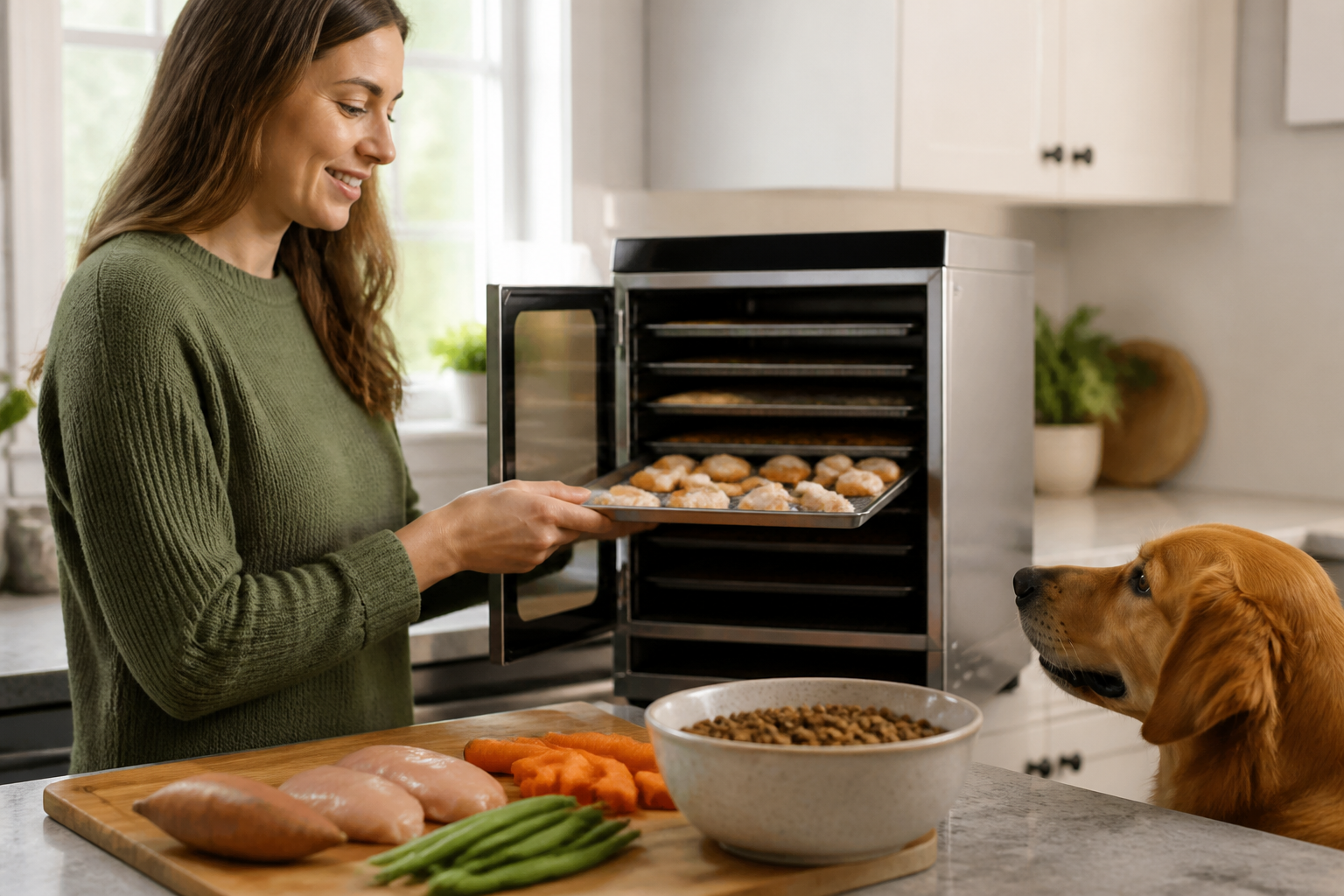
Introduction
You finally found a high quality kibble your dog actually likes, and you snagged a giant bag while it was on sale. Now you are staring at that twenty pound bag and wondering if the last few scoops will be stale before your dog can finish them. This is a common worry for pet owners who want to provide the best nutrition without wasting money. At BaxterBoo, we know that keeping food fresh is just as important as choosing the right ingredients. This guide explores whether you can freeze dry dog food to keep it fresh, the difference between freezing and freeze-drying, and the best ways to store your dog's meals for long term quality. Understanding these methods ensures every bowl you serve is as nutritious as the day you opened the bag.
Quick Answer: You can freeze dry dog food by placing it in airtight containers in your freezer to extend its shelf life. For true freeze-drying, a specific machine removes moisture through sublimation, which preserves 97 percent of nutrients and makes the food shelf-stable for much longer.
Freezing vs. Freeze-Drying: Clearing Up the Confusion
When people ask about this topic, they often mean one of two things. Some want to know if they can put a bag of dry kibble in their home freezer. Others are asking about the industrial or home process of freeze-drying raw ingredients. Both methods help with freshness, but they work very differently.
Freezing kibble is a simple storage solution. You are taking a finished product and lowering the temperature to slow down the breakdown of fats. This does not change the structure of the food. It just hits the pause button on spoilage. It is a practical move for bulk buyers who do not have a large number of dogs to feed.
True freeze-drying is a preservation process. It involves freezing the food and then putting it into a vacuum. This turns the ice inside the food directly into vapor without it ever becoming liquid. This process, known as sublimation, removes almost all the moisture. Because bacteria and mold need moisture to grow, freeze-dried food stays fresh for a very long time without needing a freezer. For more guidance about serving freeze-dried meals, read how much freeze-dried dog food to feed your pet.
Key Takeaway: Freezing is a storage method that requires constant cold, while freeze-drying is a preparation method that creates a shelf-stable product.
Why Temperature and Air Matter for Dog Food
Dry dog food might seem indestructible, but it is actually quite fragile once the seal is broken. Most premium kibbles are coated in fats and oils to make them taste good and provide essential fatty acids. When these oils are exposed to oxygen, they begin to oxidize. This process makes the food go rancid.
Rancid fat does more than just smell bad. It can cause digestive upset and lead to long term health issues if consumed regularly. Heat and light speed up this oxidation process. This is why a bag of food sitting in a hot garage or a sunny pantry spoils much faster than food kept in a cool, dark place. For additional storage guidance, see how long dry dog food stays good.
Another hidden threat is the grain mite. These tiny pests can find their way into dry food bags. They thrive in humid environments and can trigger allergies in some dogs. Freezing your kibble for at least 48 hours is a known way to kill off these mites and their eggs. This is a helpful tip if your dog suffers from unexplained skin itchiness or environmental sensitivities.
Vet Tip: If your dog suddenly stops eating a food they usually love, smell the bag. Rancidity can be hard for humans to detect early on, but a dog's nose will pick up the "off" scent immediately. If the food smells like old paint or wet cardboard, it is time to toss it.
Step-by-Step Guide to Freezing Dry Kibble
If you decide to freeze your dry food to keep it fresh, you need to do it correctly. Simply throwing an open bag into the freezer can lead to freezer burn or moisture contamination. Moisture is the enemy of dry kibble. If the food gets damp in the freezer and then thaws, it can grow mold quickly.
Step 1: Portions for convenience.
Do not freeze the entire twenty pound bag in one lump unless you have a massive freezer. Divide the food into smaller, gallon-sized freezer bags. This allows you to take out only what you need for a week at a time. It prevents the constant cycle of thawing and refreezing the whole batch.
Step 2: Use the original packaging.
If you can fit the original bag inside a container, do it. The bags used by high quality brands are designed to keep out light and air. They often have a nitrogen flush to keep the food fresh until it is opened. Cut out the lot number and expiration date from the bag and tape it to your storage container.
Step 3: Squeeze out the air.
Before sealing your freezer bags, squeeze as much air out as possible. If you have a vacuum sealer, that is even better. Removing the oxygen is the most important step in preventing the fats from going rancid.
Step 4: Choose the right container.
If you are putting the bags in a chest freezer, place them inside a plastic bin. This protects the bags from getting ripped by other frozen items. It also adds another layer of insulation against temperature swings.
Bottom line: Proper freezing requires airtight seals and portion control to prevent moisture from ruining the kibble's texture.
The Science of Freeze-Drying for Freshness
If you are interested in the actual process of freeze-drying dog food at home, you are looking at a different level of preservation. Home freeze-dryers have become more popular, though they are a significant investment. This process is excellent for owners who want to make their own raw-style meals that are easy to store.
Freeze-drying preserves about 97 percent of the original nutritional value of the ingredients. This is much higher than traditional dehydrating, which uses heat. Heat can destroy sensitive vitamins and enzymes. By using cold and a vacuum, freeze-drying keeps the cellular structure of the food intact.
When you freeze-dry dog food, it becomes extremely light. Since the moisture is gone, it is also very shelf-stable. You can store these meals in Mylar bags with oxygen absorbers for years. This makes it a favorite method for people who travel with their dogs or want to be prepared for emergencies. You can compare shelf-stable options in our freeze-dried dog food collection.
Benefits for Dogs with Health Needs
Using frozen or freeze-dried food can be a great strategy for managing specific health conditions. For dogs on a prescription diet, the cost of food can be very high. We carry a variety of prescription options through our pet pharmacy. Our partnership with Pet's Choice allows us to provide FDA-approved medications and therapeutic diets.
Because prescription bags are expensive, you do not want any of that food to go to waste. Freezing portions of a therapeutic diet ensures that the specialized nutrients remain stable. This is especially important for diets rich in Omega-3 fatty acids, which are highly prone to oxidation.
For dogs with severe allergies, freeze-dried raw food is often a savior. It allows owners to feed a limited ingredient diet without the preservatives found in many canned or dry foods. If your vet has recommended a specific protein for an elimination diet, you can often find freeze-dried versions of lamb, duck, or rabbit that are easy to handle and store.
Vet Tip: Always consult your veterinarian before switching to a freeze-dried raw diet, especially if your dog has a compromised immune system or underlying health issues. They can help you ensure the diet is balanced and safe for your specific pet.
Transitioning to Commercial Freeze-Dried Options
If you find that freezing kibble is too much work, or if your dog is getting picky, commercial freeze-dried food is a fantastic middle ground. We carry several trusted brands that have perfected this process. Brands like Stella & Chewy's, Primal, and Open Farm offer freeze-dried nuggets or patties that provide the benefits of raw food with the convenience of a shelf-stable product.
These foods are highly palatable. Because the moisture is removed through the cold vacuum process, the flavor and aroma are concentrated. This makes them excellent as a topper for regular kibble or as a complete meal. For senior dogs with a declining appetite, the strong scent of freeze-dried food can often encourage them to eat.
Why choose commercial freeze-dried over kibble?
- Higher protein and fat content with fewer carbohydrates.
- No need for artificial preservatives.
- Lightweight and perfect for hiking or travel.
- Retains natural enzymes that aid in digestion.
Safe Handling and Rehydration
Whether you are freezing your own kibble or buying freeze-dried patties, safe handling is essential. Freeze-dried food is technically raw. While the process makes it shelf-stable, it does not always kill every type of bacteria. Most reputable companies use a process called High Pressure Processing (HPP) to ensure safety, but you should still treat the food with care.
Always wash your hands after handling freeze-dried treats or meals. Wash your dog's bowl after every feeding to prevent bacteria from growing in the leftover crumbs. If you are rehydrating the food, this becomes even more important.
Rehydration is a vital step if you are feeding freeze-dried food as a complete meal. Freeze-dried food usually contains only about 2 percent moisture. If a dog eats this dry, their body has to provide the moisture for digestion, which can lead to dehydration over time. You can use warm water, but many owners prefer adding bone broth. Using something like Caru or Open Farm bone broth adds extra collagen and flavor while providing the necessary hydration.
Key Takeaway: Always rehydrate freeze-dried meals with water or broth to support your dog's digestion and kidney health.
The Role of Airtight Storage Bins
Even if you do not freeze your food, how you store it in your pantry matters. Many people make the mistake of pouring the food directly into a large plastic bin. Over time, the oils from the kibble soak into the plastic. These oils go rancid and contaminate every new bag of food you pour in.
If you use a storage bin, keep the food inside its original bag. Put the whole bag inside the bin. This gives you two layers of protection. It also keeps the bin clean. If you must pour the food out, you should wash the container with hot, soapy water and dry it completely before every new bag.
For the best results, look for bins with a gasket seal. These are much better at keeping out air and pests than a simple snap-on lid. At BaxterBoo, we recommend keeping your storage bins in a climate-controlled part of your house rather than a garage or laundry room where temperatures and humidity fluctuate. For more storage ideas, read how to keep dog food dry for freshness and safety.
Using Frozen Food for Enrichment
Freezing your dog's food can also be a great way to slow down a fast eater or provide mental stimulation. If you have a dog that inhales their dinner in seconds, try turning their meal into a frozen puzzle. This is especially useful during the hot summer months.
You can soak their dry kibble in water or broth until it gets mushy. Stuff this mixture into a rubber toy like a Kong and put it in the freezer. It turns a thirty-second meal into a twenty-minute activity. This helps with digestion and provides a soothing licking activity that can help anxious dogs calm down.
Another option is to make "kibble pops." Put a few pieces of dry food into an ice cube tray, fill with water or broth, and freeze. These make great low-calorie treats that keep your dog hydrated and occupied.
Cost Considerations and Value
Buying in bulk is one of the best ways to save money on premium dog food. However, the savings disappear if you have to throw away a quarter of the bag because it went stale. Freezing allows you to take advantage of large-bag pricing without the risk of spoilage. Browse our dog food category to compare formulas and bag sizes.
If you are a frequent buyer, you might also consider our Autoship programme. This allows you to receive fresh food on a schedule that matches how fast your dog eats. You get a discount on your orders and a free MVP Gold membership. This ensures you always have fresh food and do not need to store massive amounts for long periods.
When you combine bulk buying, proper freezing, and rewards programs like MVP Rewards, you can significantly lower your annual pet care costs. It is about being smart with your storage so you never have to choose between quality and budget.
Signs Your Dog Food Has Gone Bad
Even with the best storage practices, you should always check the food before serving it. Sometimes a seal fails or moisture gets into a container without you noticing.
- A sour or "off" odor like paint thinner or old oil.
- Visible mold, which may look like white fuzz or dark spots.
- A change in the texture of the kibble, such as feeling greasy or becoming crumbly.
- The presence of small bugs or webs inside the bag.
- Your dog suddenly refusing to eat or turning their head away.
If you see any of these signs, do not risk it. Mold and rancid fats can lead to serious illness. It is better to start a fresh bag than to deal with a vet visit for food poisoning. You can also review signs that dry dog food has gone bad.
Conclusion
Can you freeze dry dog food to keep it fresh? The answer is a clear yes. Whether you are putting kibble in the freezer to stop rancidity or using a freeze-dryer to create a nutrient-dense raw meal, these methods are excellent for maintaining quality. Proper storage is the key to getting the most value out of your dog's food. By using airtight containers, keeping the original packaging, and monitoring for signs of spoilage, you can ensure your dog stays healthy and happy.
If you find that managing large bags is too difficult, consider a more convenient option. Our pharmacy can help with specialized diets, and our wide selection of commercial freeze-dried foods offers top-tier nutrition without the storage headaches.
Key Takeaway: Protecting your dog's food from oxygen, heat, and moisture is the most effective way to preserve nutrition and flavor.
Explore our collection of premium dog food and storage solutions to find the perfect fit for your home. Sign up for Autoship today to save on every order and keep your pantry stocked with the freshest meals possible.
FAQ
How long can I keep dry dog food in the freezer?
When stored in a truly airtight container or vacuum-sealed bag, dry kibble can stay fresh in the freezer for up to six months. Beyond that, the quality may begin to decline even if the food is technically safe to eat. Always check for freezer burn or unusual odors before feeding it to your dog.
Does freezing dog food kill the nutrients?
No, freezing does not significantly impact the nutritional value of dry dog food. In fact, it helps preserve sensitive vitamins and fats that would otherwise break down at room temperature. It is considered one of the safest ways to extend shelf life without using chemical preservatives.
Can I feed my dog the food while it is still frozen?
Most dogs can safely eat frozen kibble, and many enjoy the crunchy texture as a cold treat. However, for a full meal, it is usually better to let the food thaw slightly or rehydrate it with warm water. This makes it easier to digest and ensures the aroma is strong enough to be appetizing.
Is freeze-dried dog food better than kibble?
Freeze-dried food is often considered superior in nutrition because it is not subjected to the high heat of the extrusion process used for kibble. It retains more natural enzymes and vitamins. However, it is also more expensive, so many owners use it as a high-value topper or for special treats.






