
 Save 15% on your 1st Autoship learn more

 Email us
 Live Chat
 FAQs
FAQs





Introduction
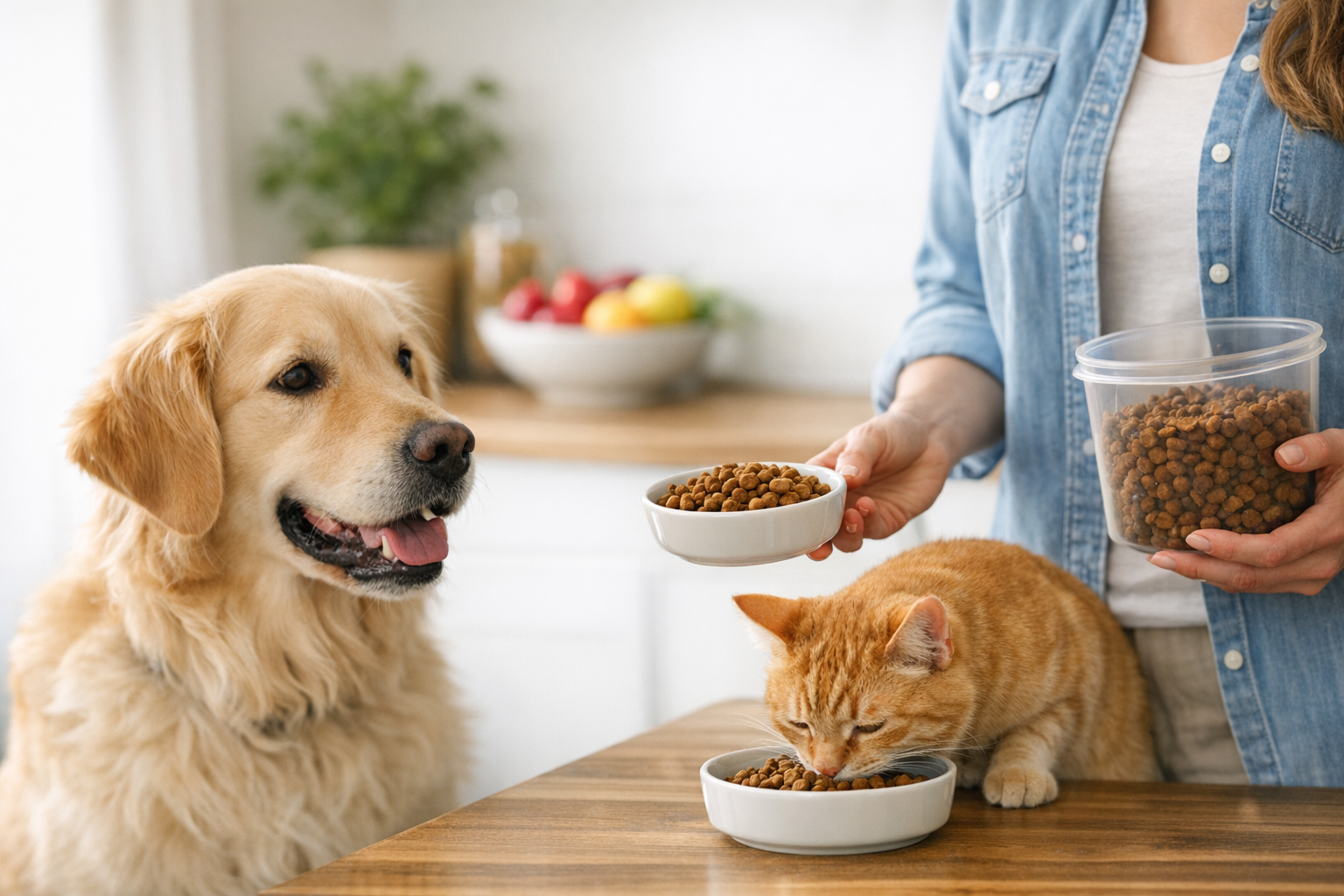
You are likely familiar with the sound of a dog crunching on something they should not have. You look toward the laundry room or the kitchen corner and see your dog with their head deep in the cat's bowl. It is a common scene for the millions of Americans who share their homes with both species. Many dogs find the rich, meaty aroma of dry cat food impossible to resist. At BaxterBoo, we frequently help pet owners who are worried after their dog sneaks a snack from the feline side of the house. For related nutrition guidance, start with our cat food category. This article will explain why dogs crave this food and why it is not a healthy long term choice. We will also look at the nutritional gaps and the health risks involved. While a single kibble is rarely a crisis, understanding the biology behind the bowl is essential for your dog's wellness.
The Biological Breakdown: Omnivores vs. Carnivores
The most important reason dogs and cats eat different food is their biological classification. Dogs are omnivores. This means their bodies are designed to process nutrients from both animal and plant sources. They can thrive on a diet that includes grains, vegetables, and fruits alongside high quality meat. Their digestive systems are flexible enough to extract energy from carbohydrates.
Cats are obligate carnivores. Their bodies are strictly tuned to process animal protein and fat. They have a biological requirement for certain nutrients that are only found in animal tissue. Because of this, cat food is formulated with a much higher concentration of meat based ingredients. When a dog eats cat food, they are consuming a diet that is far more calorie dense and protein heavy than their body requires.
The Protein and Fat Factor
If you look at the labels of the premium brands we carry, such as Royal Canin or Farmina, you will notice a stark difference in the guaranteed analysis. Most adult dog foods contain a minimum of 18 percent protein. In contrast, adult cat foods usually start at 26 percent protein and often go much higher. The fat content follows a similar pattern. Dog food typically requires about 5.5 percent fat, while cat food requires at least 9 percent. If you want to compare suitable options, browse our dog food category.
This high fat content is exactly why your dog is so interested in the cat's bowl. Fat tastes good to dogs. To them, the cat's dry kibble is essentially a bowl full of treats. While this might seem like a win for a picky eater, it creates a massive nutritional imbalance.
Amino Acids and Micronutrients
Beyond the basics of protein and fat, the micronutrient profiles are very different. Cats require taurine in their diet because their bodies cannot produce enough of it on their own. Dogs can usually synthesize their own taurine, so dog food manufacturers do not always add it in high amounts.
Cats also need specific forms of Vitamin A and arachidonic acid that must come from animal sources. Dog food is formulated with the assumption that the dog's body will convert beta carotene into Vitamin A. If a dog eats only cat food, they may end up with excessive levels of certain vitamins. Conversely, a cat eating dog food would quickly become malnourished.
Quick Answer: You can give your dog a few pieces of dry cat food as an occasional treat, but it should never be their primary diet. Cat food is too high in protein and fat for dogs, which can lead to weight gain and digestive issues. Always prioritize a balanced dog food formulated for their specific life stage.
Why Dogs View Cat Food as a High-Value Treat
Dogs experience the world through their noses. Cat food is designed to be highly palatable to a species that is notoriously finicky. Manufacturers use high concentrations of animal fats and proteins to make the kibble smell enticing. To a dog, this scent is far more powerful than their own balanced kibble.
This "tastiness" is a double edged sword. Because the food is so high in fat, it can cause a dog to lose interest in their own nutrition. If they know they can scavenge the cat's bowl, they may start refusing their own meals. This creates a cycle of pickiness that is hard to break. It also makes it difficult to manage your dog's weight, as the calorie count per cup is significantly higher in cat food. If you are looking for a way to keep feeding routines consistent, our Autoship programme can help.
The Hidden Risks of a Cat Food Diet for Dogs
Feeding cat food to your dog regularly is not just a matter of "wrong food." It can lead to clinical health problems that require veterinary intervention. The most immediate concern is often digestive upset, but the long term effects on internal organs are more concerning.
Pancreatitis and Digestive Upset
The high fat content in cat food is the primary culprit for pancreatitis. This is a painful condition where the pancreas becomes inflamed. It can be triggered by a single high fat meal or by a diet that is consistently too rich.
Symptoms of pancreatitis include:
- Severe vomiting
- Abdominal pain or a "hunched" posture
- Diarrhea
- Lethargy and loss of appetite
If your dog shows these signs after eating cat food, you should contact your veterinarian immediately. This condition can be life threatening if left untreated.
Obesity and Weight Management
Because cat food is so calorie dense, it is very easy to overfeed a dog without realizing it. Even a small amount of cat kibble can push a dog over their daily caloric limit. Over time, this leads to obesity. Extra weight puts significant strain on a dog's joints and can worsen mobility issues in senior pets. If you are trying to stay ahead of weight gain, our dog treats category can help you choose smarter rewards.
Kidney and Liver Strain
The high protein levels in cat food are not necessarily toxic, but they are unnecessary for a healthy dog. The kidneys and liver are responsible for processing and filtering protein byproducts. In a dog with underlying or early stage kidney disease, this extra work can cause the condition to progress more quickly. Older dogs are particularly vulnerable to this strain.
Vet Tip: If your dog has a history of sensitive stomach, kidney issues, or pancreatitis, keep cat food completely out of reach. Even a small amount can trigger a flare up. If your dog accidentally consumes a large amount of cat food, monitor them for 24 hours for signs of distress and consult your vet if vomiting occurs.
When Cat Food Is Used Therapeutically
There are very rare instances where a veterinarian might suggest cat food for a dog. These are usually "emergency" situations involving extreme loss of appetite. For example, dogs battling cancer or senior dogs with severe muscle wasting may sometimes be given cat food to encourage them to eat. The high calorie count helps them maintain weight when they refuse all other food.
However, this is a short term strategy used only under medical supervision. It is much better to use high quality dog specific supplements or prescription diets. If your veterinarian recommends a prescription option, our pharmacy for dogs is the place to explore those needs. Through our partnership with Pet's Choice, we can help you get the exact nutrition your vet recommends for a dog with a diminished appetite.
How to Manage a Multi-Pet Household at Mealtimes
The best way to stop your dog from eating cat food is to prevent the opportunity. This is often easier said than done, especially if your cat is a "grazer" who likes to eat small amounts throughout the day. You will need to get creative with your feeding environment.
Physical Barriers and Solutions
You can use the natural agility of your cat to your advantage. Most dogs are much larger and less vertical than cats.
Consider these strategies:
- Elevated Feeding: Place the cat's bowl on a sturdy counter, a cat tree, or a dedicated feeding shelf.
- Microchip Feeders: These bowls only open when they sense the specific microchip of your cat. They are excellent for keeping dogs out of the cat food.
- Gated Rooms: Use a baby gate with a small "cat door" built into it. This allows the cat to enter a room for their food while the dog remains outside.
- Scheduled Feedings: Instead of leaving food out all day, move to scheduled meal times. Supervise the pets while they eat and pick up the bowls as soon as they are finished.
Training the "Leave It" Command
Training is a powerful tool for managing household scavengers. The "leave it" command is essential for every dog owner. It teaches the dog that ignoring the tempting item results in a better reward from you.
Step 1: Place a piece of low value kibble in your hand and close your fist. Step 2: Let the dog sniff your hand. When they stop sniffing and pull away, say "yes" and give them a high value treat from your other hand. Step 3: Repeat this until the dog immediately looks at you when you say "leave it." Step 4: Practice with the cat's bowl nearby, keeping the dog on a leash for safety.
Key Takeaway: Preventing access to cat food is the most effective way to avoid nutritional imbalances and health risks. Use a combination of physical barriers and consistent training to keep your dog focused on their own food.
Managing Nutritional Needs with BaxterBoo
At BaxterBoo, we want to make it easy for you to provide the right nutrition for every member of your family. Whether you are looking for a grain free dog food, a senior formula, or a high protein diet that satisfies your dog's cravings safely, we carry over 500 trusted brands. If you want to compare premium formulas, visit our selection of Royal Canin products. Brands like Stella and Chewy's or The Honest Kitchen offer the meaty flavors dogs love without the risks associated with cat food.
If your dog has managed to sneak enough cat food to cause a weight problem or a digestive issue, we can help there too. Our pharmacy partnership with Pet's Choice provides access to prescription diets and medications for managing chronic conditions. You can even set up these items on Autoship to ensure you never run out of the right food, which helps prevent the temptation to "borrow" from the cat's bag when the dog's bag is empty. For more help on choosing a kibble that fits your dog’s routine, read our guide to selecting the right dry dog food.
Conclusion
While the occasional stolen bite of dry cat food is not a reason to panic, it is important to prevent it from becoming a habit. The high fat and protein levels that make cat food so appealing to dogs are the same factors that can lead to obesity, pancreatitis, and organ strain. Your dog's body is designed for the balanced nutrition found in high quality dog food. By setting up a secure feeding environment and choosing the right products, you can keep both your dog and your cat healthy and satisfied.
- Separate feeding areas to prevent scavenging.
- Use high value dog treats to redirect your dog's interest.
- Monitor for signs of digestive upset if a "snack" occurs.
- Consult your veterinarian if your dog seems addicted to cat food.
Bottom line: Stick to species specific food to ensure your dog lives a long, healthy, and balanced life.
FAQ
Is it okay if my dog eats cat food just once?
Yes, for most healthy dogs, a single instance of eating cat food will not cause a major problem. They might experience a bit of gas or a soft stool due to the rich ingredients, but it is rarely an emergency. You should simply monitor them and make sure they return to their regular dog food for the next meal.
Why does my dog like cat food better than their own?
Cat food is significantly higher in fat and animal protein, which makes it smell and taste much more intense than standard dog kibble. Dogs are naturally attracted to these high calorie scents. It is essentially the "fast food" of the pet world, offering a flavor profile that is hard for their own balanced diet to match. If you want another angle on mealtime variety, see should senior dogs eat wet or dry food?.
Can cat food cause pancreatitis in dogs?
Yes, the high fat content in cat food is a known trigger for pancreatitis in dogs. This is especially true for dogs that are already prone to the condition or those that are overweight. A single large portion of cat food can be enough to cause a painful and dangerous inflammatory response in the pancreas.
What should I do if my dog ate a whole bag of cat food?
If your dog consumes a large quantity of cat food, you should contact your veterinarian or an animal poison control center. The sudden intake of massive amounts of fat and protein can lead to severe gastrointestinal distress or pancreatitis. Your vet may recommend inducing vomiting or monitoring the dog closely for signs of abdominal pain and lethargy. For a practical feeding follow-up, check how many cups of dry dog food per day for your dog.
If you want help keeping kibble fresh after you switch your dog back to their own bowl, read how long dry dog food is good for after opening.






