
 Save 15% on your 1st Autoship learn more

 Email us
 Live Chat
 FAQs
FAQs





Introduction
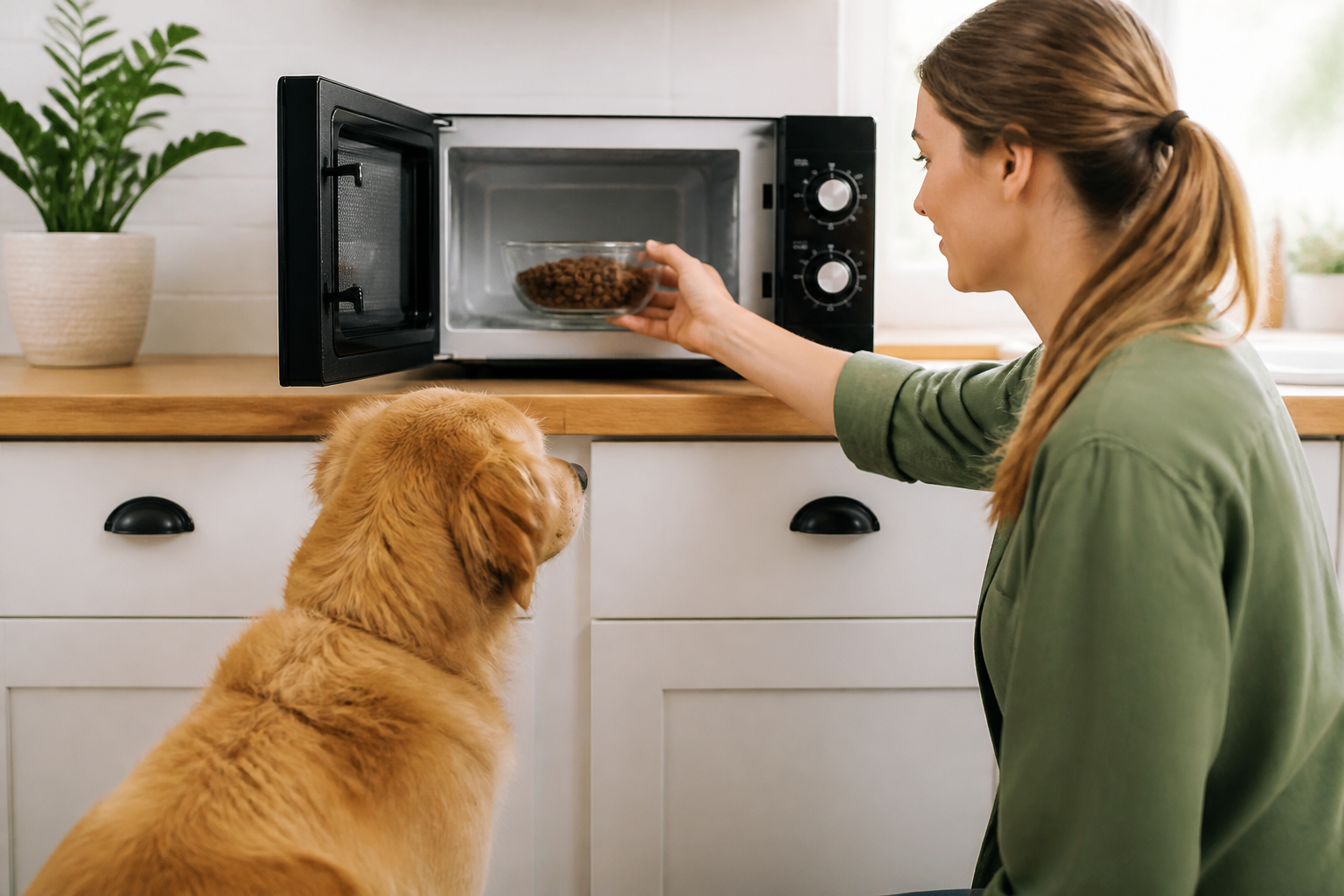
You stand in the kitchen with a bowl of kibble and a dog who refuses to take a single bite. Maybe your dog is older and has lost some interest in mealtime. Perhaps they are recovering from a recent vet visit and need a little extra encouragement to get those calories in. It is a common frustration for many pet owners. You might think that a quick zap in the microwave will release those savory aromas and make the meal more appealing. At BaxterBoo, we talk to owners every day who are looking for ways to support their pets through picky phases or senior health transitions. While microwaving dry dog food is possible, it comes with specific risks that every pet parent should understand before pressing the start button. This guide explores the safety, nutritional impact, and better alternatives for warming your dog's dinner.
Why Pet Owners Consider Microwaving Kibble
The primary reason people want to heat up dry dog food is to increase its palatability. Dogs rely heavily on their sense of smell to determine if something is worth eating. A dog has up to 300 million olfactory receptors in their nose. Humans only have about six million. When you warm up kibble, the fats and oils within the food begin to melt and release a stronger scent. This can be a lifelike scent trail that leads a reluctant eater straight to the bowl.
For senior dogs, the sense of smell often declines. This makes standard, room-temperature kibble seem bland or uninteresting. A warm meal can also be gentler on sensitive teeth or gums. If a dog has dental disease or has recently had extractions, slightly softened and warmed food feels much better than hard, cold kernels.
Quick Answer: You can microwave dry dog food for very short intervals, but it is generally not recommended. It often leads to uneven hot spots that can burn your dog's mouth and may degrade sensitive vitamins and enzymes.
For additional ideas, read our guide to choosing dry dog food for picky eaters.
The Risks of Using a Microwave for Dog Food
Microwaves do not heat food the same way an oven or a stovetop does. They use non-ionizing radiation to vibrate water molecules at incredibly high speeds. This friction creates heat. While this is fast, it is often unpredictable in a dry product like kibble.
The Danger of Hot Spots
Dry dog food has very low moisture content. This means the microwave will heat the fats and any remaining moisture unevenly. You might touch the top of the food and find it feels lukewarm. However, a single piece of kibble buried at the bottom could be hot enough to cause a thermal burn on your dog's tongue or throat. These hot spots are difficult to detect just by feeling the surface of the bowl.
Plastic Leaching and Safety
Many owners keep dog food in plastic travel containers or scoops. If you put these in the microwave, you risk chemical leaching. Even plastics labeled as "microwave safe" can release small amounts of phthalates or bisphenol A (BPA) when heated at high temperatures. These chemicals are known endocrine disruptors. If you must use a microwave, always transfer the food to a lead-free ceramic or glass bowl first.
Nutritional Degradation
Dog food is formulated to be a complete and balanced diet. Manufacturers add specific vitamins, minerals, and taurine after the initial cooking process because these nutrients are heat-sensitive. High-intensity microwave heat can break down water-soluble vitamins like Vitamin B1 (thiamine) and Vitamin C. Over time, consistently microwaving your dog's food could lead to nutritional gaps.
Key Takeaway: Uneven heating and the loss of essential vitamins make the microwave a risky choice for daily meal preparation.
How Microwaving Affects Different Types of Kibble
Not all dry foods react the same way to heat. The ingredients and the way the food was made play a big role in how it handles the microwave.
- Standard Extruded Kibble: This is the most common type of dog food. It is cooked at high pressure and temperature. Because it is already highly processed, adding more heat can make it quite brittle or overly greasy as the sprayed-on fats melt.
- Raw-Coated Kibble: Brands like Stella and Chewy's offer kibble coated in freeze-dried raw pieces. Microwaving this type of food is a poor idea. The high heat kills the beneficial enzymes and probiotics that make raw-coated food valuable. You can compare options in our raw and freeze-dried dog food selection.
- Cold-Pressed Dog Food: This food is processed at lower temperatures to preserve nutrients. Microwaving it defeats the entire purpose of choosing a cold-pressed diet.
- Grain-Free Formulas: These often use legumes or potatoes as binders. These starches can become very gummy or hard when microwaved without enough water.
Better Alternatives to the Microwave
If you want to treat your dog to a warm, aromatic meal, there are much safer ways to do it. These methods provide more control over the temperature and often add much-needed hydration to your dog's diet.
The Warm Water Method
This is the gold standard for warming dog food. Boil some water and let it sit for a few minutes until it is warm but not scalding. Pour about a quarter cup of the warm water over the kibble.
Step 1: Measure your dog's standard portion of dry food into a ceramic bowl. Step 2: Add warm (not boiling) water until the kibble is partially submerged. Step 3: Let the bowl sit for three to five minutes. This allows the food to soften and the aroma to release. Step 4: Stir the food to ensure the temperature is even throughout the bowl. Step 5: Test the temperature with your finger before serving.
For a closer look at this method, read how to wet dry dog food for better digestion and hydration.
Using Low-Sodium Broths
If water seems too plain, you can use a pet-safe broth. Brands like The Honest Kitchen or Caru produce bone broths specifically for dogs. These are free from onions, garlic, and excessive salt, which are common in human-grade broths and can be toxic to pets. Warm the broth on the stove or in a mug, then pour it over the kibble. This adds a massive punch of flavor and collagen for joint support.
You can explore our dog food toppers and broths for options to mix into a regular meal.
The Double Boiler Technique
If you have a very picky eater who dislikes soggy food, you can use a double boiler. Place the dry food in a glass bowl. Set that bowl over a pot of simmering water. The steam will gently warm the bowl and the food inside without adding moisture or using radiation. This keeps the kibble crunchy while still releasing those tempting aromas.
Vet Tip: If your dog suddenly stops eating or only eats when food is warmed, schedule a check-up. Lack of appetite can be an early sign of dental pain, kidney issues, or other underlying health conditions that need a professional diagnosis.
Feeding Senior Dogs and Pets with Health Needs
As dogs age, their nutritional requirements change. They may need more protein to maintain muscle mass or specific supplements for joint health. If your senior dog is struggling to eat, it might be time to look at specialized diets.
We carry several premium brands designed for specific life stages, including Farmina and Royal Canin. You can browse our Royal Canin selection when comparing formulas for different needs. Sometimes, a transition to a prescription diet is necessary to manage conditions like kidney disease or food sensitivities. Our pharmacy at BaxterBoo provides access to FDA-approved prescription pet foods and medications through our partnership with Pet's Choice. If your veterinarian prescribes a specific diet to help with your dog's health, you can often find those options through our pharmacy services.
When feeding a dog with health issues, consistency is vital. Microwaving can change the texture of the food in ways that might upset a sensitive stomach. Stick to the warm water method to keep the meal predictable and easy to digest.
For more senior feeding guidance, read whether senior dogs should eat wet or dry food.
Managing Picky Eaters Without Heat
Sometimes the temperature isn't the problem. Your dog might just be bored or looking for more variety. Before reaching for the microwave, try these enrichment strategies to make mealtime more exciting.
- Food Toppers: A spoonful of wet food or a sprinkle of freeze-dried meal mixers from Stella and Chewy's can change the entire profile of a meal.
- Omega-3 Oils: Adding a squirt of wild Alaskan salmon oil provides a strong scent and supports skin and coat health.
- Slow Feeders: Sometimes changing the delivery method makes food more interesting. A puzzle feeder or a slow-feed bowl can turn a boring meal into a game.
- Small, Frequent Meals: If a dog is overwhelmed by a large bowl of food, try breaking it into three or four smaller servings throughout the day.
You can also browse our Stella & Chewy's products for meal mixers and other food options.
The Science of Canine Digestion and Warm Food
In the wild, canines eat prey that is at body temperature. This is roughly 101 to 102 degrees Fahrenheit. Serving food at this temperature mimics their natural biological drive. Warm food is also easier for the stomach to process. Cold food requires the body to use energy just to warm the contents of the stomach up to body temperature before digestion can truly begin.
By adding warm water to kibble, you are also helping the kidneys. Many dogs live in a state of mild dehydration because they do not drink enough water to compensate for a strictly dry diet. The moisture from the warm water "pre-digests" the starches in the kibble. This makes it easier for the small intestine to absorb nutrients.
Key Takeaway: Adding warm moisture is biologically superior to microwaving dry kernels because it aids hydration and mimics a dog's natural diet.
For another perspective on changing food texture and moisture, see how to switch from dry to wet dog food.
Safe Preparation Checklist
Before you serve any warmed meal to your dog, run through this quick checklist to ensure their safety.
- Temperature check: Did you test the food with your own skin? It should feel pleasantly warm, never hot.
- Stirring: Did you stir the food thoroughly to break up any potential hot spots?
- Bowl Material: Are you using a safe ceramic, stainless steel, or glass bowl?
- Additives: Is the water or broth you added free from toxic ingredients like onions or excess salt?
- Freshness: If you added water, did you discard any uneaten portions after 30 minutes? Wet kibble can grow bacteria quickly.
When to Consult Your Veterinarian
While a picky phase can be normal, a total refusal to eat is a red flag. If your dog misses more than two meals, it is time to call the vet. This is especially true for small breeds or senior dogs who do not have large energy reserves.
If you notice other symptoms alongside a poor appetite, seek help immediately. These symptoms include:
- Vomiting or diarrhea
- Lethargy or hiding
- Pawing at the mouth or excessive drooling
- Weight loss you can see or feel
- Changes in water consumption
Your vet might recommend blood work or dental X-rays. In some cases, they may suggest an appetite stimulant or a transition to a prescription diet available through our pharmacy. Managing a chronic condition often starts with the right food, and we are here to help you get those supplies delivered right to your door.
Transitioning to a New Warmed Diet
If you decide to start adding warm water or broth to your dog's kibble, do it gradually. A sudden change in moisture or temperature can occasionally cause loose stools.
Step 1: Start by adding just a tablespoon of warm water to their regular meal. Step 2: Over three days, slowly increase the amount of liquid until you reach the desired consistency. Step 3: Monitor your dog's bathroom habits and energy levels during the transition. Step 4: Once your dog is comfortable, you can experiment with pet-safe broths or toppers for extra nutrition.
Bottom line: While you can technically microwave kibble for a few seconds, the risks of burns and nutrient loss make warm water a much better choice for your pet.
Conclusion
Feeding your dog should be a moment of connection, not a source of stress. While the microwave offers a quick fix for a picky eater, the potential for hot spots and diminished nutrition makes it a less than ideal tool for the job. By choosing safer methods like the warm water soak or using high-quality broths, you can enhance the aroma of your dog's food while supporting their hydration and overall health. If you are managing a senior pet or a dog with specific medical needs, remember that quality nutrition is the foundation of their well-being. Explore our dog food selection and supplements at BaxterBoo to find the perfect match for your dog's needs. For those on a long-term health journey, our Autoship program offers a convenient way to stay stocked on the essentials without the hassle.
FAQ
Is it safe to microwave dog food in the original bag?
No, you should never microwave dog food in its original packaging. These bags often contain foil linings or plastic layers that can catch fire or leach chemicals into the food. Always transfer the food to a microwave-safe glass or ceramic dish if you must use the microwave.
How long should I microwave dry dog food?
If you choose to microwave kibble, you should do it for no more than 10 to 15 seconds. You must add a little water first to prevent the kernels from scorching. After heating, stir the food vigorously and wait at least one minute to ensure there are no hidden hot spots before serving it to your dog.
Does microwaving dog food kill probiotics?
Yes, high heat is very effective at killing the beneficial bacteria known as probiotics. Many high-quality dry foods are sprayed with probiotics after the cooking process. Microwaving the food will likely neutralize these benefits, which can impact your dog's digestive health over time.
Can I microwave wet dog food instead?
Microwaving wet food is generally safer than dry food because the higher moisture content helps it heat more evenly. However, you still need to be careful about hot spots. Always remove the food from the metal can, place it in a safe bowl, and stir it thoroughly before checking the temperature and serving it to your dog.






