
 Save 15% on your 1st Autoship learn more

 Email us
 Live Chat
 FAQs
FAQs





Introduction
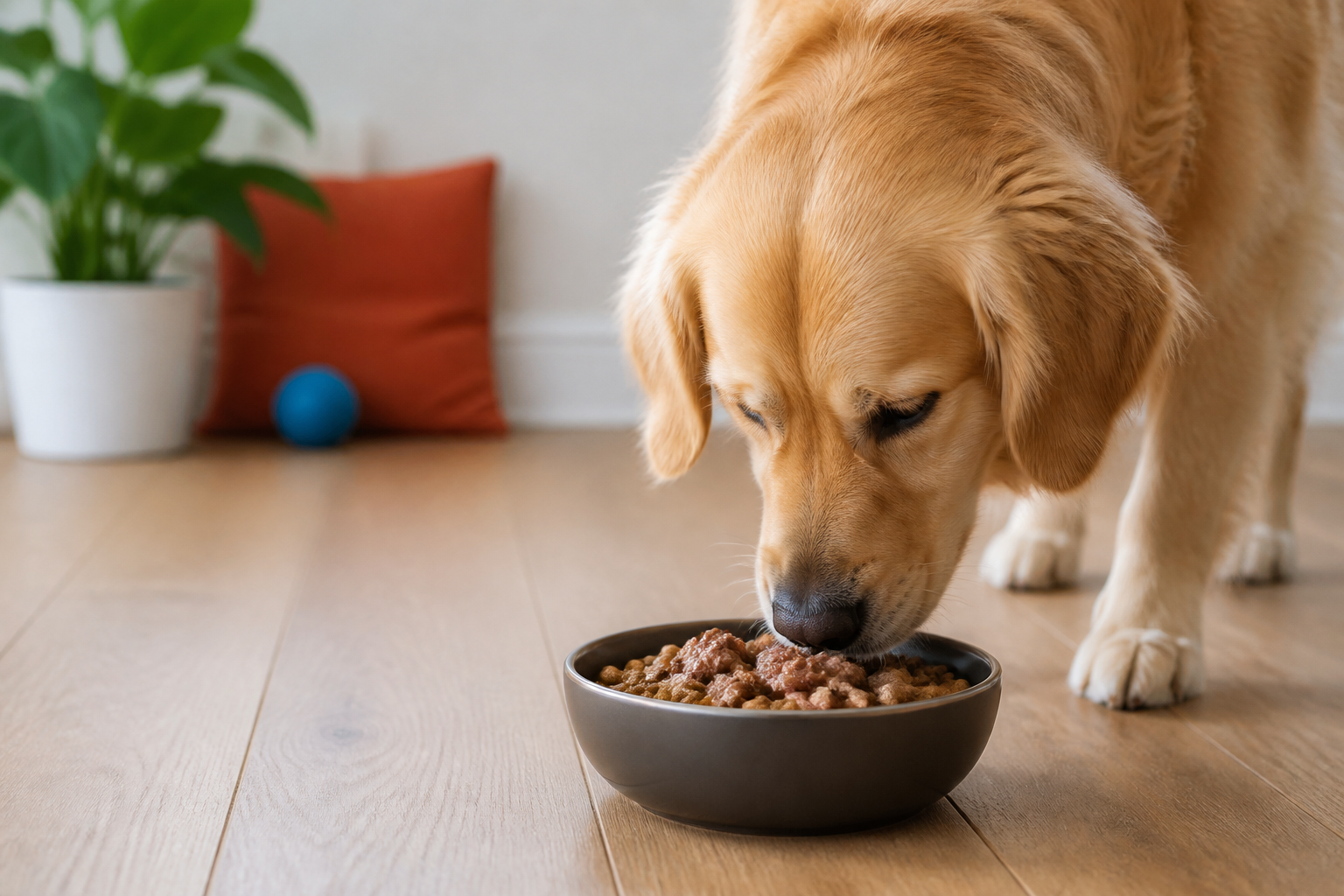
You stand in your kitchen with a bag of crunchy kibble in one hand and a savory can of stew in the other. Your dog is waiting patiently, or perhaps not so patiently, at your feet. You want to give them a meal that is both nutritious and exciting, but you wonder if combining these two textures is okay for their stomach. This is a question we hear often at BaxterBoo from pet parents who want to upgrade their dog's dining experience. Mixing wet and dry food is a common practice that offers a hybrid of benefits. It can help with hydration, improve interest in food, and support dental health. This article covers the safety rules, portion math, and best practices for creating a mixed bowl. We will help you understand how to balance nutrients so your dog stays healthy and satisfied.
Quick Answer: Yes, you can mix wet and dry dog food. It is a safe and effective way to increase hydration and flavor while maintaining the dental benefits of dry kibble.
The Benefits of a Mixed Diet
Feeding a combination of wet and dry food provides what many call the best of both worlds. Dry kibble is convenient and cost effective. It stays fresh in the bowl longer and provides a satisfying crunch. Wet food is rich in moisture and aroma. It often tastes better to dogs who have lost interest in plain dry pellets. You can compare different formulas in our dog food category.
Enhanced Hydration
Many dogs do not drink enough water throughout the day. This can be a concern for their kidney and urinary tract health. Wet food is typically composed of about 75 percent to 80 percent water. When you mix it with dry food, you naturally increase your dog's fluid intake. This is especially helpful during hot summer months or for dogs who are prone to dehydration.
Better Palatability for Picky Eaters
If you have a dog that sniffs their bowl and walks away, mixing might be the solution. The strong scent of wet food is much more enticing than the mild smell of dry kibble. The gravy or pate can coat the dry pieces. This makes it harder for a dog to pick out the "good stuff" and leave the rest. It ensures they get the full nutritional profile of the meal. For additional ideas, read our guide to dry dog food for picky eaters.
Texture and Variety
Dogs can get bored with the same texture every single day. A mixed meal provides a variety of mouthfeels. The contrast between the soft meat chunks and the hard kibble keeps them engaged. It turns a routine task into a rewarding experience. This variety can prevent a dog from becoming overly fixated on just one type of food.
Key Takeaway: Mixing food combines the hydration and flavor of wet food with the dental benefits and lower cost of dry kibble.
Safety and Nutritional Standards
Before you start mixing, you must ensure you are not diluting your dog's nutrition. Not all pet foods are created equal. Some are intended as "toppers" or "mixers" only. Others are "complete and balanced."
Checking the AAFCO Statement
The Association of American Feed Control Officials (AAFCO) sets the standards for pet food nutrition in the United States. Look for a statement on the label that says the food is "complete and balanced." This means the product contains every vitamin and mineral your dog needs to survive and thrive. If both your wet and dry foods are complete and balanced, you can mix them in any ratio. If one is just a topper, it should not make up more than 10 percent of the total daily calories.
Life Stage Consistency
Puppies have different nutritional needs than adult dogs. They require more protein and calcium for growing bones. If you are feeding a puppy, both the wet and dry food should be formulated for growth. Mixing an adult wet food into a puppy’s dry food can throw off the balance of nutrients. The same applies to senior dogs. We carry brands like Wellness and NutriSource that offer life stage specific formulas for both formats.
Vet Tip: Always consult your veterinarian before changing the diet of a dog with chronic health issues. They can help you calculate the exact calorie needs for your specific dog.
How to Calculate Proper Portions
One of the biggest risks of mixing wet and dry food is overfeeding. It is easy to accidentally give your dog too many calories when you add a "scoop" of wet food to their regular kibble. Obesity is a leading health problem in pets. It can lead to joint pain and heart issues. For more information about comparing formats, see our article on wet versus dry dog food.
The Calorie Math
You cannot simply swap one cup of dry food for one cup of wet food. Dry food is much more calorie dense because the moisture has been removed. Usually, a standard can of wet food contains roughly the same calories as a half cup or three quarters of a cup of kibble.
Follow these steps to find the right balance:
- Determine your dog's total daily calorie requirement with your vet.
- Decide on your ratio, such as 50 percent dry and 50 percent wet.
- Check the calories per cup for the dry food and calories per can for the wet food.
- Measure carefully with a standard measuring cup or a kitchen scale.
Managing Weight with Prescription Diets
If your dog is already overweight, mixing can still work. You may need a specialized weight management formula. Our pet pharmacy carries prescription diets through our partnership with Pet's Choice. These foods are designed to keep dogs feeling full while providing fewer calories. Brands like Farmina Vet Life offer options that can be managed through a veterinary prescription.
Bottom line: Weight gain is the primary risk of mixed feeding, so you must measure both types of food accurately to maintain a healthy balance.
Addressing Life Stage and Health Needs
Different dogs have different reasons for needing a mixed diet. Understanding these needs helps you choose the right products from our selection of over 500 brands.
Senior Dogs and Dental Health
Older dogs often struggle with dental disease or missing teeth. Crunching on hard kibble can be painful for them. Adding wet food to the bowl softens the kibble. You can let the mixture sit for a few minutes to allow the dry pieces to absorb the moisture. This makes the food much easier to chew while still providing some mechanical cleaning for the teeth they have left. If you are comparing options for an older dog, read our guide to wet and dry food for senior dogs.
Puppies and High Energy Needs
Puppies have small stomachs but huge energy requirements. They need to eat a lot of calories to support their rapid growth. Sometimes, they get tired of chewing before they have eaten enough. Mixing in a high calorie puppy wet food can help them get the fuel they need without overwhelming their digestive system.
Managing Chronic Conditions
If your dog is managing a condition like kidney disease or allergies, their diet is their medicine. In these cases, it is often best to stay within the same brand. For example, if you feed Royal Canin dry food for a specific condition, use the matching Royal Canin wet food. This ensures the mineral levels stay exactly where the veterinarian wants them.
- Use wet food to hide medications or supplements.
- Select "limited ingredient" wet foods for dogs with sensitive skin.
- Choose "grain-free" options if your vet has recommended avoiding certain carbohydrates.
- Look for "stew" textures to add more liquid for urinary support.
Best Practices for Handling and Storage
Mixing wet and dry food requires more care than feeding kibble alone. Wet food is a perishable product. Once the seal is broken, the clock starts ticking. For additional transition and storage guidance, see our guide to switching from dry to wet dog food.
The Four Hour Rule
Dry kibble can sit in a bowl all day without much issue. Wet food cannot. Once you mix the two, you should only leave the bowl down for about four hours. After that, bacteria can begin to grow in the moist environment. If your dog does not finish their meal within that time, you should throw away the leftovers.
Proper Refrigeration
An opened can of dog food should be covered and kept in the refrigerator. It will typically stay fresh for two to three days. Using a plastic can cover or an airtight container helps prevent the food from drying out. It also keeps your fridge from smelling like dog food. When you are ready to feed the next meal, you can let the cold food sit out for a few minutes to reach room temperature. Most dogs prefer their food a little bit warm rather than ice cold.
Avoiding Countertop Contamination
Be careful with the spoons and bowls you use. Wash the dog's bowl with hot, soapy water after every mixed meal. This prevents the buildup of old food particles and saliva. This simple step keeps your dog’s dining area hygienic and prevents stomach upset.
Key Takeaway: Mixed food spoils quickly, so keep the bowl clean and refrigerate any unused wet food immediately.
How to Transition to a Mixed Diet
You should never change your dog's diet overnight. Their digestive systems are sensitive to sudden shifts in protein and fat levels. A fast change can lead to gas, diarrhea, or vomiting. A gradual approach is also covered in our article about mixing dry dog food with wet food.
Step 1: Start with a small amount. / Add just a tablespoon of wet food to their regular portion of kibble. Do this for two days.
Step 2: Monitor the stool. / Check your dog's bathroom habits. If their stool remains firm, you can proceed.
Step 3: Increase the wet portion. / Reduce the amount of kibble slightly and increase the wet food. Maintain this for another two days.
Step 4: Reach your goal ratio. / Continue the gradual swap until you hit the desired balance of wet and dry food.
If at any point your dog shows signs of discomfort, slow down. You might need to take a week or two to fully transition. This slow process allows the "good" bacteria in their gut to adjust to the new ingredients.
Specific Brand Recommendations for Mixing
We carry a wide variety of brands that make mixing easy. Many of these companies design their wet and dry lines to complement each other.
Stella & Chewy's
This brand is famous for high quality ingredients. They offer "stew" toppers and wet foods that pair perfectly with their raw coated kibble. This is a great choice for pet parents who want a focus on minimally processed proteins.
Wellness and Wellness Core
Wellness offers a huge variety of textures. You can choose from pates, gravies, or shredded meats. Their Core line is high in protein and works well for active dogs who need a little extra boost in their bowl.
KOHA
KOHA specializes in limited ingredient diets. If your dog has a sensitive stomach, their "minimal ingredient" wet foods are excellent for mixing. They focus on novel proteins like kangaroo or duck which can help dogs with food sensitivities.
Farmina
Farmina uses high quality Italian ingredients. Their Vet Life and Natural & Delicious lines are formulated with scientific research. They offer a very consistent nutrient profile across their wet and dry options. This makes the calorie math much simpler for the pet owner.
Bottom line: Choosing high quality, compatible brands ensures that your mixed feeding strategy supports long term health rather than just short term taste.
Conclusion
Mixing wet and dry dog food is an excellent way to provide variety and nutrition. It helps picky eaters enjoy their meals and keeps all dogs better hydrated. Remember to always look for "complete and balanced" labels and to measure your portions carefully to avoid weight gain. By keeping an eye on storage safety and transitioning slowly, you can make mealtime the highlight of your dog's day. At BaxterBoo, we are here to help you find the right combination for your pet’s unique needs. Whether you are browsing our warehouse in Vernon Hills or shopping online, our team is ready to assist. You can even save on your favorite cans and bags by using our Autoship programme. This ensures you never run out of the food your dog loves while earning MVP Rewards on every purchase.
FAQ
Can I mix different brands of wet and dry dog food?
Yes, you can mix different brands as long as both are labeled as complete and balanced for your dog's life stage. However, if your dog has a very sensitive stomach or a specific health condition, staying within the same brand is often safer. This ensures the nutrient ratios and ingredients are consistent and less likely to cause a reaction.
Does mixing wet food with dry food cause tooth decay?
Wet food does not directly cause tooth decay, but it does not provide the scraping action that dry kibble offers. To maintain dental health, you should still provide dental chews or brush your dog's teeth regularly. The combination of formats is actually beneficial because the kibble provides some cleaning while the wet food provides the nutrition and hydration.
How long can I leave a bowl of mixed wet and dry food out?
You should not leave mixed food out for more than four hours at room temperature. The moisture in the wet food creates a breeding ground for bacteria once it is exposed to the air and your dog's saliva. If your dog is a "grazer" who likes to eat slowly throughout the day, mixed feeding may not be the best choice unless you can pick the bowl up.
Is it okay to mix wet food with prescription dry food?
You should consult your veterinarian before mixing anything with a prescription diet. These diets are precisely formulated to manage specific medical conditions. Adding a standard retail wet food might accidentally add too much salt, phosphorus, or protein. Our pharmacy carries prescription wet foods that are designed to match their dry counterparts safely.






