
 Save 15% on your 1st Autoship learn more

 Email us
 Live Chat
 FAQs
FAQs





Introduction
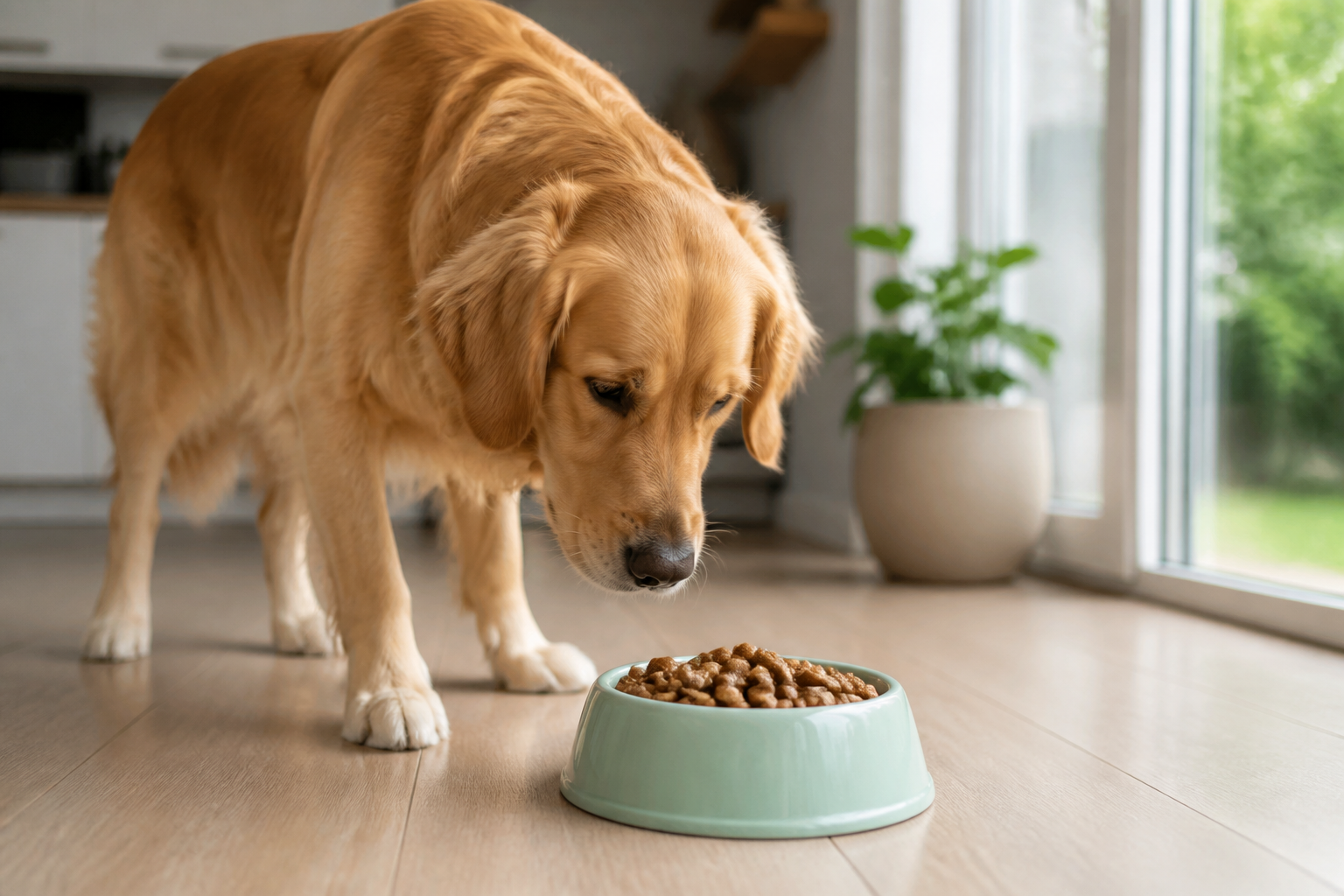
You are standing in your kitchen with a bag of kibble. You might notice your dog seems less than excited about their dinner, or perhaps you are worried they are not drinking enough water throughout the day. It is a common moment for many pet owners. You wonder if adding a splash of water to that dry food might make it more appealing or easier to eat. At BaxterBoo, we hear this question frequently from customers looking to improve their pet’s mealtime experience. Adding moisture to dry food is a simple way to boost hydration and flavor. This post covers the benefits of wetting dry food, the potential drawbacks, and how to do it safely. You can definitely wet dry dog food, and for many dogs, it is a healthy choice that supports better digestion and hydration.
Quick Answer: Yes, you can add water to dry dog food. It helps with hydration, improves the taste for picky eaters, and makes the kibble easier to chew for seniors or puppies. Just be sure to serve it immediately to prevent bacteria growth.
The Primary Benefits of Adding Water to Kibble
Most dry dog foods contain very little moisture, usually around 10 percent. In the wild, a dog’s natural diet would contain a much higher percentage of water. By adding liquid back into the bowl, you are mimicking a more natural state of food. This change can have a significant impact on your dog's daily health.
Improved Hydration
Hydration is the most obvious benefit. Some dogs are simply lazy drinkers. They might not visit the water bowl often enough, especially during hot Illinois summers or after a long walk. When you add water to their food, you ensure they are getting a baseline level of fluids with every meal. This supports kidney function and helps flush out toxins.
Better Palatability for Picky Eaters
If you have a picky eater, you know the struggle of trying to get them to finish a bowl of plain kibble. Dry food relies on a coating of fats to smell and taste good. When you add warm water to the bowl, it releases those aromas. The scent becomes much stronger, which can entice a dog who has lost interest in their food. This is particularly helpful for dogs recovering from an illness who may have a suppressed appetite.
For more ideas, read our guide on helping your dog enjoy dry food.
Easier Chewing and Digestion
For certain dogs, the hard crunch of kibble is a challenge rather than a benefit.
- Puppies: Young puppies transitioning from milk to solids often need their food softened into a mash.
- Seniors: Older dogs often have dental sensitivity or missing teeth. Softened food allows them to eat without pain.
- Fast Eaters: Some dogs "bolt" their food, swallowing kibble whole. Pre-moistening the food can slow them down and start the breakdown process before it hits the stomach.
If you are shopping for a growing dog, browse our puppy supplies for age-appropriate essentials.
Key Takeaway: Adding water turns a standard meal into a hydrating, aromatic experience that is easier on the teeth and the stomach.
Managing Your Dog’s Dental Health
A common concern among owners is that wetting food will ruin the dental benefits of dry kibble. Many people believe the "crunch" of dry food scrapes away plaque. While there is some truth to this, dry food is not a substitute for real dental care.
Most kibble is brittle. It shatters as soon as a dog’s tooth hits it. This means the cleaning action only happens at the very tips of the teeth. If your dog has existing dental issues, the pain of chewing hard kibble might actually cause them to eat less.
Vet Tip: If your dog has red gums, bad breath, or seems to drop food while eating, consult your veterinarian for a dental exam. Our pet pharmacy carries prescription dental diets like Royal Canin Dental or Farmina Vet Life that are specifically shaped to clean teeth more effectively than standard kibble.
If you choose to wet your dog's food, you should be even more diligent about their oral hygiene. Use dog-specific toothpaste or provide dental chews like Greenies to help manage plaque. A quick brushing session a few times a week will keep their mouth healthy regardless of food texture.
For more ideas, explore our dog dental care category or read about dental chews for dogs.
Potential Drawbacks and Safety Risks
While wetting food is generally good, there are a few rules you must follow to keep your dog safe. Moisture and warmth are the perfect environment for bacteria to grow.
The Risk of Spoilage
Once you add water to dry food, the clock starts ticking. Dry kibble is shelf-stable because it lacks moisture. As soon as you hydrate it, you have essentially turned it into fresh food. If your dog is a "grazer" who leaves food in the bowl for hours, wetting the food is a bad idea. Bacteria can multiply quickly, leading to an upset stomach or worse.
For additional storage guidance, read how long dry dog food stays fresh.
Mess and Cleanup
Wet kibble is significantly messier than dry kibble. It can stick to your dog’s muzzle or long ears. It also leaves a residue on the bowl that hardens like cement if it is not washed immediately. You will need to commit to washing the food bowl after every single meal to prevent mold and slime buildup.
Expansion and Bloat Concerns
Dry food expands when it gets wet. You can see this yourself if you leave a few pieces of kibble in a cup of water for twenty minutes. Some owners worry that this expansion inside the stomach contributes to bloat. However, many experts suggest that pre-soaking the food actually reduces the risk. It allows the food to expand before it enters the dog, which might prevent them from overeating or experiencing sudden stomach distension.
Note: If you have a large, deep-chested breed prone to bloat, talk to your vet about the best feeding method. They may recommend smaller, softened meals throughout the day.
How to Properly Wet Your Dog’s Food
To get the most benefit, you should follow a consistent process. Do not just pour cold tap water over the bowl and walk away.
Step-by-Step Transition
Step 1: Start with a small amount. / Begin by adding just two or three tablespoons of liquid to the usual serving. Step 2: Use warm liquid. / Warm water (not boiling) helps release the scents and softens the outer shell faster. Step 3: Let it sit. / Allow the food to soak for about 5 to 10 minutes until it reaches the desired consistency. Step 4: Monitor the response. / Observe if your dog enjoys the texture and ensure they finish the meal within 20 minutes.
What Liquid Should You Use?
You do not have to stick to plain water. There are several ways to add nutrition while you hydrate.
- Warm Water: The simplest and most cost-effective option. Use filtered water if your local tap water has a strong odor.
- Bone Broth: Specifically formulated dog bone broths are excellent. They are low in sodium and contain no onions or garlic. Brands like The Honest Kitchen or Caru offer high-quality toppers.
- Goat's Milk: This is a great option for puppies or dogs needing extra calories and probiotics.
- Unsalted Chicken Broth: If you use human broth, ensure it has zero added salt, onions, or spices.
You can also browse our dog food toppers and broths for additional options.
Recommended Ratios
A good rule of thumb is one part liquid to four parts dry food. For example, if you feed one cup of kibble, add a quarter cup of water. You can adjust this based on your dog’s preference. Some dogs like a "soup" while others just want the pieces to be slightly tender.
When to Consult Your Veterinarian
If you are changing your dog's diet because they have stopped eating, a vet visit is essential. An adult dog who suddenly refuses dry food might be dealing with an underlying health issue. This could be anything from a tooth abscess to kidney disease or digestive upset.
At BaxterBoo, we emphasize that your vet is your best partner in nutrition. If your dog needs a specific diet to manage a condition, our pet pharmacy provides FDA-approved prescription foods. Whether it is a low-fat diet for pancreatitis or a hydrolyzed protein diet for allergies, these can often be softened with water just like standard kibble.
Key Takeaway: Always rule out medical reasons for a loss of appetite before assuming your dog is just being picky about the texture of their food.
Using Wetting as a Tool for Life Stages
Different stages of life require different approaches to mealtime. We see many customers at our Vernon Hills warehouse looking for ways to support their growing puppies or aging seniors.
Puppies and Teething
Puppies go through a difficult teething phase between four and six months of age. Their gums are sore, and their adult teeth are pushing through. During this time, they may find hard kibble painful to chew. Softening their food with warm water or a bit of goat's milk can ensure they keep getting the nutrients they need for growth without discomfort.
For more feeding guidance, read how much dry dog food to feed a puppy.
Senior Dogs and Cognitive Health
As dogs age, their senses often dull. They might not smell their food as well as they used to. Adding warm water or a smelly topper can jumpstart their interest in eating. For seniors, we also recommend looking into supplements. Products like Senilife or Cosequin can be mixed right into the softened food, making it easy for them to take their daily health support.
Dogs with Weight Management Needs
If your dog is on a weight loss journey, wetting their food can actually help them feel full. The water increases the volume of the food without adding calories. This "satiety" factor means they are less likely to beg for treats later. Brands like Farmina Vet Life offer excellent weight management formulas that work well with this method.
Bottom line: Adjusting the moisture level of food is a versatile way to support your dog through every stage of their life, from puppyhood to the golden years.
FAQ
Does adding water to dry dog food cause bacteria growth?
It can if the food is left out for too long. Moisture creates an environment where bacteria thrive, so you should only wet the food right before mealtime. If your dog does not finish the meal within 30 to 60 minutes, you should discard the leftovers and wash the bowl.
Can I use boiling water to soften my dog's kibble?
No, you should avoid using boiling water. Extremely high temperatures can degrade some of the vitamins and nutrients in the food. Furthermore, boiling water can burn your dog's mouth if they try to eat too quickly. Stick to warm or room-temperature water.
Will adding water to food make my dog's stool soft?
Usually, adding water does not cause diarrhea or soft stool unless you are adding a new ingredient like rich broth or milk. If you use plain water, it should actually help with digestion. However, any sudden change in diet can cause minor upset, so start with a small amount of water first.
Is it better to mix wet canned food or water with kibble?
Both are great options depending on your goals and budget. Mixing in wet canned food from brands like Tiki Cat or Stella and Chewy's adds more protein and fat, which is great for picky eaters. Using water is a calorie-free way to provide hydration and soften the texture.
For more comparisons, read is wet or dry food better for dogs.
Conclusion
Wetting dry dog food is a simple, effective way to improve your dog's health and enjoyment of their meals. It provides essential hydration, helps picky eaters find their appetite, and makes eating easier for dogs with dental issues or those in their senior years. We carry over 500 trusted brands at our warehouse to ensure you have the best selection of kibble and toppers to choose from. Whether you use plain warm water or a nutrient-rich bone broth, the key is to serve the meal fresh and clean the bowl afterward. If you are managing a chronic health condition that requires a specific diet, remember that our pet pharmacy is here to help with prescription foods and medications.
- Boosts daily hydration for better kidney health.
- Enhances the natural aroma of kibble for picky eaters.
- Provides a softer texture for puppies and seniors.
- Helps manage weight by increasing meal volume.
If you are ready to upgrade your dog's mealtime, consider signing up for our Autoship programme to save on your favorite kibble and ensure you never run out of the supplies your pet needs.






