
 Save 15% on your 1st Autoship learn more

 Email us
 Live Chat
 FAQs
FAQs





Introduction
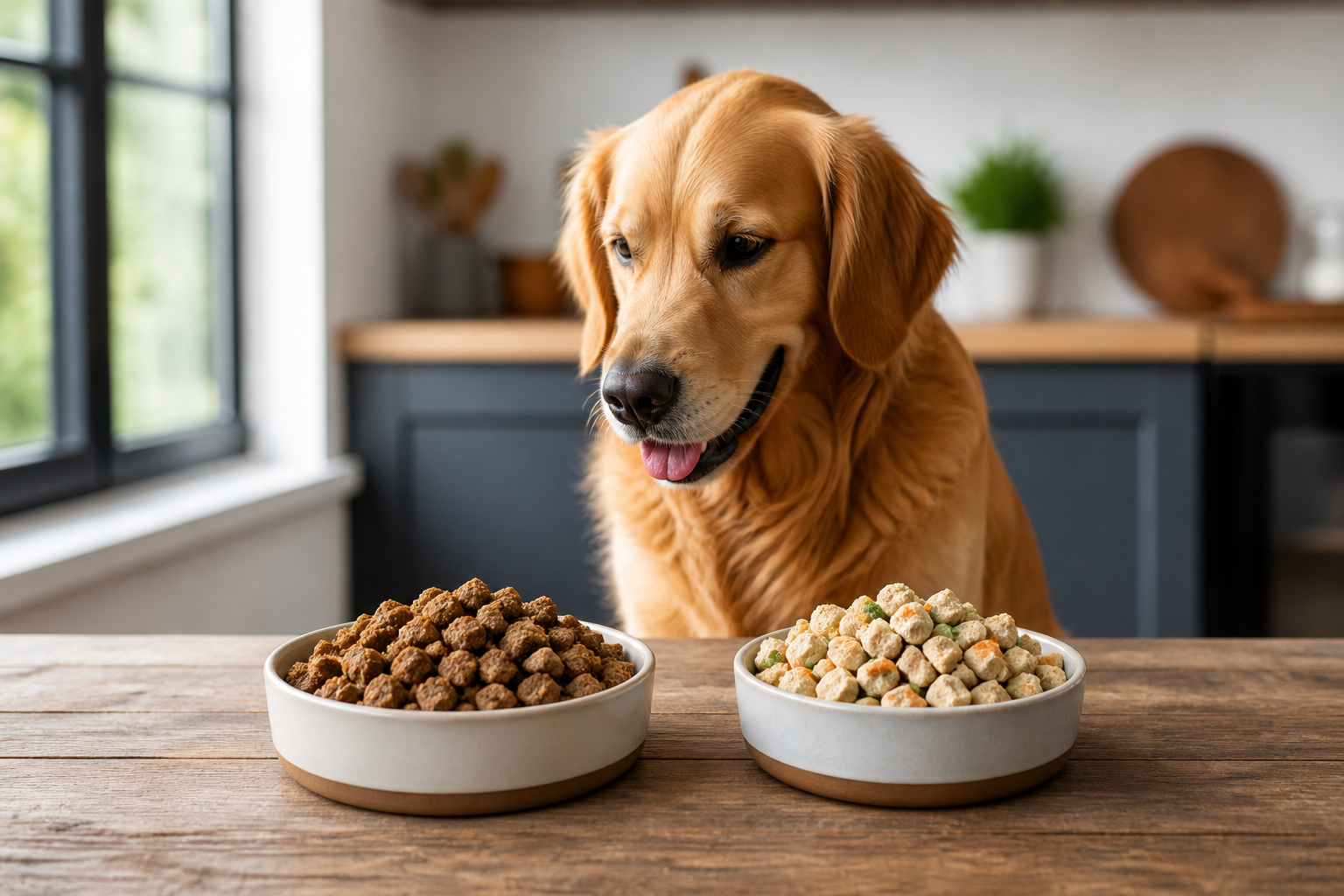
You are standing in the pet food aisle or scrolling through dozens of premium options online. You want to move away from standard kibble because you have heard that minimally processed diets offer better nutrition for your dog. You see bags of dehydrated food and boxes of freeze-dried morsels. Both look similar in their dry form. Both promise whole ingredients and raw-like benefits. However, the price points and textures are different. You wonder if the extra cost for one is worth the investment for your dog’s health.
At BaxterBoo, we know that choosing a diet is one of the most important decisions you make as a pet owner. This guide will break down the science behind these two preservation methods. We will compare their nutritional value, cost, and safety. By the end, you will understand which option fits your lifestyle and your dog’s specific needs. Both methods are excellent alternatives to highly processed foods, but the best choice depends on your priorities for convenience and health.
Quick Answer: Freeze-dried food is generally superior for nutrient retention and taste because it uses no heat. Dehydrated food is often more budget-friendly and offers a chewier texture while still providing much higher quality than traditional kibble.
Understanding the Freeze-Drying Process
Freeze-drying is a sophisticated method of preservation also known as lyophilization. The process begins by flash-freezing raw ingredients. Once the food is solid, it is placed into a vacuum chamber. The pressure is lowered, and a tiny amount of heat is applied. This causes the ice in the food to turn directly into water vapor without ever becoming liquid. This scientific phenomenon is called sublimation.
Because the food is never truly cooked, the cellular structure remains intact. This is why freeze-dried nuggets look like actual pieces of meat or vegetables. They are incredibly lightweight because almost all the moisture has been removed. Most freeze-dried foods retain about 98 to 99 percent of their original moisture-free weight.
This method is the closest you can get to a raw diet while keeping the convenience of a shelf-stable product. It does not require chemical preservatives. The lack of moisture alone prevents bacteria and mold from growing. Most brands we carry use this process to offer a high-protein, low-carb meal that appeals to even the most selective eaters. Explore our freeze-dried dog food category to compare available options.
The Benefits of Freeze-Dried Food
The biggest advantage of freeze-drying is the preservation of heat-sensitive nutrients. Vitamins, minerals, and natural enzymes remain active. These enzymes help your dog digest their food more efficiently. Many owners notice smaller, firmer stools when they switch to this type of diet.
- Retains 99 percent of nutritional value.
- Preserves natural flavors and aromas.
- Very long shelf life when kept dry.
- Rehydrates almost instantly.
For more guidance on serving and rehydrating these meals, read how to feed freeze-dried dog food.
How Dehydration Differs
Dehydration is an ancient preservation technique. It involves circulating warm, dry air around the food to evaporate moisture. While modern technology has made this process much more controlled, it still relies on heat. The temperature is kept low enough to avoid "cooking" the food in the traditional sense, but it is high enough to remove water slowly.
Dehydrated dog food usually looks more like flakes or leathery pieces. The process removes about 95 percent of the moisture. Because heat is involved, the texture of the meat changes. It becomes tougher and more concentrated. This is similar to how beef jerky is made for humans.
Many people choose dehydrated options because they represent a middle ground. They are more processed than freeze-dried foods but far less processed than kibble. Kibble is made using high-heat extrusion that can strip away natural nutrients. Dehydration is a much gentler alternative that keeps the integrity of whole food ingredients. You can browse our dehydrated dog food selection to explore this format.
The Benefits of Dehydrated Food
Dehydrated food is often more affordable than freeze-dried options. The equipment required for dehydration is less expensive to operate. This makes it a great choice for owners of large dogs who want premium nutrition without the highest price tag.
- More cost-effective for multi-dog households.
- Chewier texture that some dogs prefer.
- Compact and easy to store in large quantities.
- Reduces the risk of certain pathogens through gentle heating.
Nutritional Comparison: Which Is Healthier?
When you compare the two, freeze-dried food usually wins the nutritional race. The total absence of heat means that the proteins are not denatured. Every vitamin and probiotic included in the raw ingredients stays exactly where it should be. For dogs with severe allergies or sensitive stomachs, this raw-like integrity can be a significant benefit.
Dehydration is still very healthy, but the gentle heat can cause a slight reduction in some vitamins, such as Vitamin C and certain B vitamins. However, many dehydrated brands compensate for this by using high-quality, human-grade ingredients. The nutritional difference between the two is relatively small when compared to the massive leap in quality over standard grocery store kibble.
Key Takeaway: Freeze-dried food offers the maximum possible nutrient density because it avoids heat entirely. Dehydrated food is a close second and remains a massive nutritional upgrade over traditional dry kibble.
For another perspective on the benefits and handling of this format, see whether freeze-dried dog food is good for dogs.
Cost and Value Considerations
Price is often the deciding factor for many pet parents. Freeze-drying is an expensive and time-consuming industrial process. This cost is passed down to the consumer. If you are feeding a 100-pound Great Dane, a strictly freeze-dried diet can become very expensive.
Dehydrated food offers a lower cost per serving. Because it is slightly more dense, a smaller box often rehydrates into a large amount of food. For example, a 10-pound box of dehydrated food might produce 40 pounds of fresh food once water is added.
At our warehouse, we often suggest using these foods in different ways to maximize value. You can use freeze-dried morsels as a high-value topper on a base of dehydrated food or high-quality kibble. This gives your dog the enzyme benefits of freeze-dried food while staying within a reasonable budget. We also offer the MVP Rewards program, which helps you earn points on every bag of premium food to lower your long-term costs.
Preparation and Rehydration
Both types of food require a bit more work than simply pouring pellets into a bowl. Because the moisture has been removed, you should ideally add water back in before serving. This is especially important for maintaining your dog's kidney and bladder health.
Preparing Freeze-Dried Meals
Freeze-dried food is porous. When you add warm water, it acts like a sponge. It usually rehydrates in less than three minutes. The pieces will regain their original shape and soft texture. This is excellent for senior dogs who might have dental issues and need a softer meal.
Preparing Dehydrated Meals
Dehydrated food takes longer to soak up water. Because the fibers are toughened by the drying heat, you may need to wait 5 to 10 minutes for the food to fully soften. Some brands result in a mushy or oatmeal-like consistency, while others retain distinct chunks.
Vet Tip: Always ensure you are rehydrating these foods according to the package instructions. Providing adequate moisture is crucial for digestion. If your dog has a history of urinary issues or kidney disease, talk to your veterinarian about how these diets can support their hydration needs.
For additional portioning guidance, review how much freeze-dried dog food to feed your pet.
Safety and Pathogens
One of the main concerns with raw-based diets is the presence of bacteria like Salmonella or Listeria. Freeze-drying does not use heat to kill bacteria. Instead, most reputable brands use a process called High-Pressure Processing (HPP). This uses extreme pressure to neutralize pathogens without using heat or chemicals.
Dehydration uses low heat, which can help reduce the microbial load. Some owners feel safer with dehydrated food because the heat provides an extra layer of protection. However, both methods are generally considered safe when purchased from trusted, high-quality brands that conduct rigorous batch testing.
If you are concerned about the safety of raw ingredients, our pet pharmacy can be a great resource. We partner with Pet's Choice to provide access to professional advice and prescription diets if your dog has a compromised immune system that requires specific safety protocols.
Texture and Palatability
Dogs experience food through scent and texture. Freeze-dried food smells exactly like the raw meat it was made from. This makes it a "holy grail" for picky eaters. The light, crunchy texture is also very satisfying for dogs who enjoy a bit of a snap to their food.
Dehydrated food has a more varied texture. Some dogs love the chewy, leathery feel of dehydrated meat. However, the "oatmeal" consistency of some rehydrated vegetable and meat blends can be a turn-off for certain pets. If your dog is particular about the "mouthfeel" of their food, you might want to start with a small bag of each to see which they prefer. For a specific brand comparison, explore our selection of Stella & Chewy's products.
Shelf Life and Storage
Both options are winners when it comes to shelf life. Because the moisture content is so low, they can last for months or even years if unopened. Once a bag is opened, freeze-dried food is generally more sensitive to humidity. You must keep the bag tightly sealed to prevent the food from absorbing moisture from the air.
Dehydrated food is slightly more shelf-stable once opened, but it still needs to be kept in a cool, dark place. Neither of these requires a freezer or refrigerator until they have been mixed with water. This makes them the perfect choice for camping trips, travel, or emergency kits.
For broader dry-food storage advice, read how long dry dog food stays fresh once opened.
Storage Checklist:
- Keep bags in a cool, dry pantry.
- Avoid storing food under the sink where moisture is high.
- Use an airtight container for opened bags of freeze-dried food.
- Only rehydrate what your dog will eat in one sitting.
- Discard any rehydrated food left at room temperature for more than two hours.
Which Should You Choose?
The choice between dehydrated and freeze-dried often comes down to your dog's specific health goals.
Choose Freeze-Dried If:
- You want the closest alternative to a raw diet.
- Your dog is extremely picky.
- You are feeding a small dog or using it as a topper.
- Your dog has sensitive digestion and needs active enzymes.
Choose Dehydrated If:
- You want high-quality nutrition on a tighter budget.
- You are feeding a large dog.
- Your dog enjoys a chewier, more substantial texture.
- You want a shelf-stable "fresh" food that is easy to transport.
Transitioning Your Dog Safely
You should never switch your dog's food overnight. Their digestive systems need time to adapt to the rich nutrient profile of these foods. A sudden change can lead to upset stomachs or diarrhea.
Step 1: Start by mixing 25 percent of the new rehydrated food with 75 percent of their current food. Do this for three days. Step 2: If their stool remains firm, move to a 50/50 split for the next three days. Step 3: Increase to 75 percent new food and 25 percent old food for another three days. Step 4: Complete the transition to 100 percent of the new diet.
If you notice any signs of lethargy, persistent vomiting, or severe diarrhea during this process, stop the transition and consult your veterinarian. Every dog's gut microbiome is different, and some may need a slower transition period, especially senior dogs.
The Role of Supplements
While these foods are nutritionally complete and balanced according to AAFCO standards, some owners use them as a base for additional wellness support. For example, if you are feeding a senior dog, you might add a liquid joint supplement to the water you use for rehydration.
We carry a wide variety of supplements at BaxterBoo that pair perfectly with these diets. Whether you are looking for skin and coat support or probiotics, these minimally processed foods make a great delivery system. The moisture in the food helps the supplements mix in thoroughly so your dog eats every drop.
Environmental Impact and Sustainability
Another factor to consider is the weight of the food. Traditional canned food is heavy because it is mostly water. Shipping water is inefficient and has a higher carbon footprint. Both dehydrated and freeze-dried foods are incredibly light. This makes them more eco-friendly to ship from our warehouse to your door.
Furthermore, many of the brands that specialize in these processes, such as Stella & Chewy's or The Honest Kitchen, prioritize sustainable sourcing. They often use cage-free poultry, grass-fed beef, and non-GMO produce. When you choose these diets, you are often supporting better farming practices as well.
Bottom line: Both dehydrated and freeze-dried foods offer superior nutrition and environmental benefits compared to kibble, with freeze-dried being the premium choice for nutrient retention and dehydrated being the practical choice for value.
Conclusion
Choosing between dehydrated and freeze-dried dog food is a win-win for your pet. Both options move away from the heavy processing of kibble and provide your dog with the whole-food nutrition they deserve. Freeze-dried food stands out for its raw-like quality and incredible taste, making it ideal for picky eaters and those seeking maximum enzymes. Dehydrated food offers a fantastic middle ground, providing high-quality ingredients and convenience at a more accessible price point.
We have seen thousands of dogs thrive after making the switch to these premium diets. Our BaxterBoo team is always here to help you navigate our selection of over 500 brands to find the perfect fit. If you are ready to start, consider signing up for our Autoship programme. It ensures you never run out of your dog’s favorite food and gives you additional savings on every order. Your dog’s journey to better health starts with what you put in their bowl today.
FAQ
Is freeze-dried dog food safer than raw food?
Many experts consider freeze-dried food safer because it undergoes processes like High-Pressure Processing (HPP) to neutralize pathogens while remaining shelf-stable. Raw food requires very strict temperature control from the store to your freezer to prevent bacteria growth. Freeze-dried food eliminates the risk of spoilage during transport and storage.
Do I have to add water to dehydrated dog food?
Yes, you should always rehydrate dehydrated dog food before serving. Because the dehydration process removes so much moisture, feeding it dry can lead to dehydration in your dog. Adding water also helps the food expand before it hits their stomach, preventing discomfort and aiding in the digestion of nutrients.
Which is better for a dog with allergies?
Freeze-dried food is often better for dogs with severe allergies because it is the least processed. The lack of heat means the proteins stay in their natural state, which can be easier for an allergic dog's immune system to recognize and process. However, many dehydrated foods offer limited-ingredient recipes that are also excellent for managing sensitivities.
Can I use freeze-dried food as a meal topper?
Absolutely. Using freeze-dried food as a topper is a great way to improve the nutritional value of a standard kibble diet without the expense of a full freeze-dried meal. It adds a boost of raw enzymes and high-quality protein that can make mealtime more exciting for your dog and support their overall wellness.






