
 Save 15% on your 1st Autoship learn more

 Email us
 Live Chat
 FAQs
FAQs





Introduction
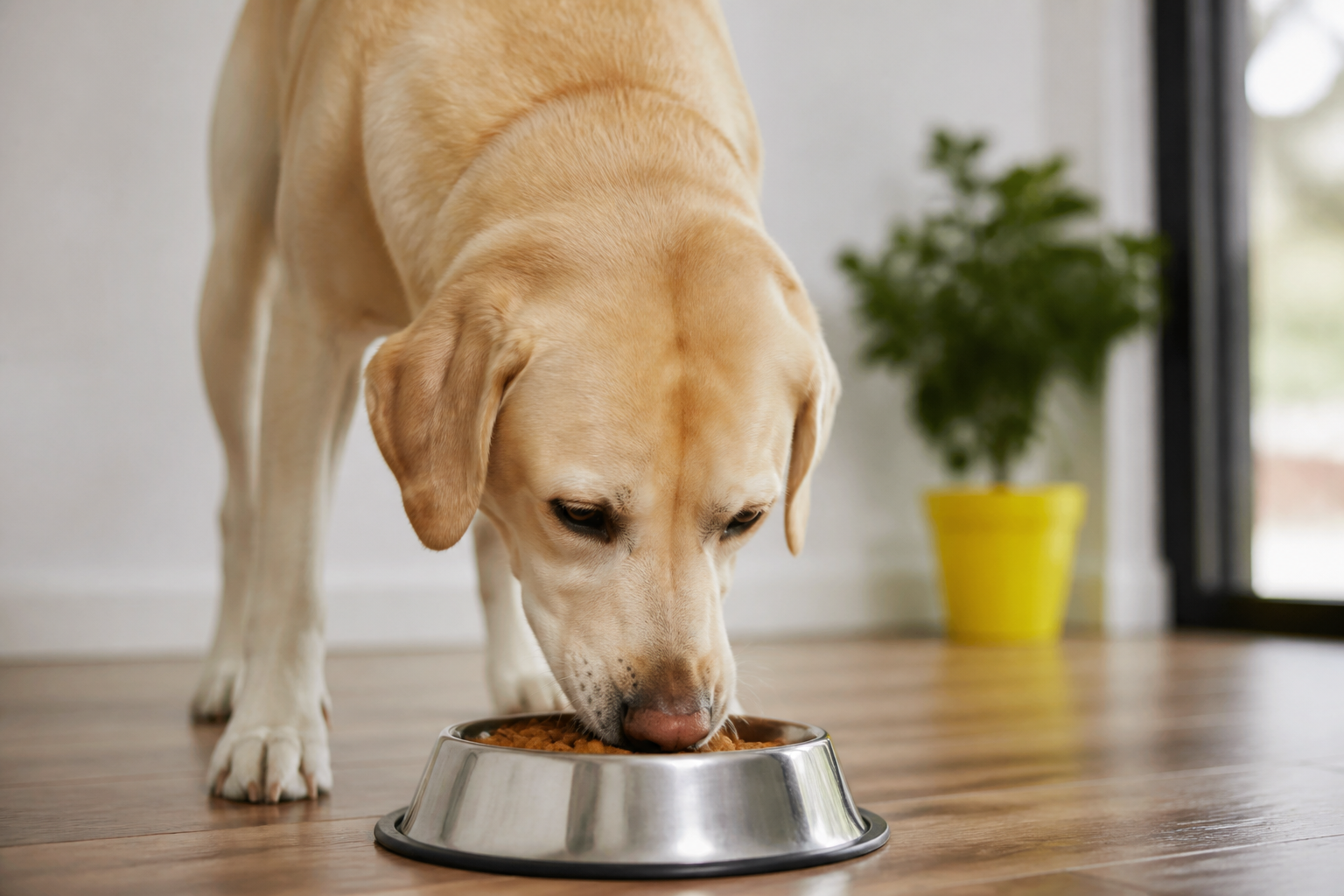
You fill the bowl with high-quality kibble and set it down. Instead of the usual enthusiastic greeting, your dog gives the food a quick sniff and walks away. This moment is a common source of stress for many pet parents. You want to ensure your companion is getting the nutrition they need to thrive. While most dogs accept dry food without issue, others seem entirely uninterested in the crunch. At BaxterBoo, we have spent years helping owners navigate the nuances of canine nutrition and preference. This post explains why dogs may or may not like dry food and how you can make it more appealing. We will also explore the benefits of kibble and when a lack of interest might signal a health concern. Understanding your dog's perspective on dinner time is the first step toward a happy, healthy pet.
The Science of Crunch: Why Dogs Gravitate Toward Kibble
Most dogs do enjoy dry food because of how it is made. Manufacturers use a process called extrusion to create kibble. This involves mixing ingredients into a dough and cooking them under high pressure. Once the pieces are shaped and dried, they undergo a crucial step called coating. This is where the flavor really comes from for your dog.
Companies spray a combination of fats, oils, and sometimes digests onto the outside of the kibble. Since a dog's sense of smell is significantly more powerful than their sense of taste, this aromatic coating is what makes the food enticing. If the coating smells like high-quality animal fat, most dogs will dive in.
The texture also plays a role. Many dogs enjoy the resistance of a crunchy bite. For some, the act of chewing provides a form of sensory satisfaction. However, the appeal of dry food is not just about the flavor coating. It is also about the habit. Dogs that grow up eating kibble often develop a strong preference for that specific mouthfeel.
Quick Answer: Most dogs like dry dog food because of the aromatic fats and oils sprayed on the kibble during processing. While they have fewer taste buds than humans, their strong sense of smell makes these coatings very appealing.
Dry Dog Food vs. Wet Dog Food: A Comparative View
Choosing between dry and wet food is one of the most basic decisions for any pet owner. Both options provide complete and balanced nutrition, but they offer very different eating experiences. Our dry dog food category makes it easier to compare formulas and find options for your companion.
| Feature | Dry Dog Food (Kibble) | Wet Dog Food (Canned) |
|---|---|---|
| Moisture Content | Typically 10 percent or less | Often 75 to 80 percent |
| Shelf Life | Long shelf life after opening | Must be used quickly once opened |
| Cost | Generally more budget-friendly | Can be more expensive per serving |
| Dental Benefit | Helps scrape away some tartar | Does not provide mechanical cleaning |
| Aroma | Mild to moderate | Very strong and pungent |
| Convenience | Easy to portion and leave out | Requires refrigeration of leftovers |
Dry food is excellent for dogs that prefer to graze throughout the day. It does not spoil quickly when left in the bowl. It is also much easier to use in puzzle toys or for training rewards. Wet food usually wins the "taste test" for picky eaters because it is more aromatic and has a texture closer to fresh meat. For another comparison, read how dry and wet dog food differ.
Common Reasons Your Dog Might Refuse Dry Food
If your dog suddenly stops liking their dry food, it is rarely a case of being stubborn for no reason. There is almost always an underlying factor affecting their appetite. Identifying the "why" is the only way to find a solution. Our guide to dry dog food for picky eaters offers additional ideas for understanding selective eating.
Dental Pain and Oral Health
A dog with a cracked tooth or inflamed gums will find dry food painful to eat. Imagine trying to eat a handful of hard pretzels with a toothache. If your dog approaches the bowl but drops the kibble or only eats on one side of their mouth, dental issues may be the cause.
Sensory Changes in Seniors
As dogs age, their senses of smell and taste can dull. Since the appeal of kibble relies heavily on its aroma, a senior dog may find their usual dinner uninteresting. They might need something with a stronger scent to trigger their appetite.
Boredom and Picky Eating
Some dogs simply get bored with the same recipe every day. This is especially common in small breeds like Yorkies or Chihuahuas. If you frequently give table scraps or high-value treats, your dog might be holding out for the "good stuff" rather than eating their balanced meal.
Stress and Environmental Changes
A move to a new house or a change in the family dynamic can impact a dog's appetite. Stress often manifests as a lack of interest in food. If your dog is anxious, they may ignore their dry food until they feel more secure in their environment.
Vet Tip: If your dog has stopped eating dry food but still has an appetite for treats or wet food, schedule a dental checkup. Persistent refusal to eat can also be a sign of internal illness, so a professional exam is essential for any sudden change in behavior.
Strategies to Boost Dry Food Palatability
You do not necessarily have to switch to wet food if your dog is underwhelmed by kibble. There are several ways to make dry food more exciting. Most of these methods focus on enhancing the aroma and altering the texture.
- Add Warm Water: This is the easiest and most effective trick. Adding warm water to the bowl releases the aromas of the fats coated on the kibble. It also creates a light gravy and softens the texture.
- Use a Topper: A small amount of a high-quality topper can go a long way. Our selection of Stella & Chewy's products includes meal mixers and toppers that can add extra aroma to a standard bowl of kibble.
- Incorporate Bone Broth: Using a pet-safe bone broth instead of water adds nutrients and a rich flavor. Make sure the broth does not contain onions or excessive salt.
- Temperature Matters: Gently warming the food can help. If you add water or broth, ensure it is warm but not hot to the touch.
- Limit Treats: If your dog is waiting for treats, stop giving them for a few days. Make the dry food the only option during meal times to reset their expectations.
Key Takeaway: Enhancing the aroma of dry food is the best way to encourage a picky dog to eat. Warm water or a flavorful topper can transform a boring meal into an enticing one.
The Role of Prescription Dry Diets and Our Pharmacy
Sometimes a dog's lack of appetite for dry food is linked to a chronic health condition. For example, dogs with kidney disease or urinary issues may require specific nutrient levels that standard kibble does not provide. These conditions often require a prescription diet formulated by a veterinarian.
Our pet pharmacy provides access to prescription pet medicines and specialized products. Through our partnership with Pet's Choice, we offer brands like our selection of Farmina products for pets managing specific health hurdles. If your veterinarian recommends a prescription dry diet for weight management or skin allergies, our pharmacy can help you manage those needs conveniently.
Bottom line: Prescription dry foods are essential for managing many health conditions, and our pharmacy makes it easy to get these specialized diets delivered to your door.
How to Choose a High-Quality Kibble
Not all dry foods are created equal. If your dog does not like their current food, it might be due to the quality of the ingredients. At BaxterBoo, we handpick the brands we carry to ensure they meet high standards for nutrition and taste.
When looking at a label, the first ingredient should always be a specific animal protein. Avoid foods that list generic "meat meal" or excessive amounts of fillers like corn and soy. Brands such as Open Farm and our selection of NutriSource products focus on high-quality sourcing and digestible ingredients.
Consider the kibble size as well. A Great Dane might find tiny puppy kibble frustrating to eat, while a Toy Poodle may struggle with large, hard chunks. Many brands offer specific formulas for small or large breeds to ensure the texture and size are appropriate for the dog's mouth.
Checking for Freshness
Dry food contains fats that can go rancid over time. If a bag has been sitting open for months, the flavor will change. Always check the "best by" date and store the food properly to maintain its appeal.
- Look for a named protein as the first ingredient.
- Choose a kibble size appropriate for your dog's breed.
- Avoid artificial colors or flavors.
- Check for added probiotics to support digestion.
Storing Dry Food to Keep It Fresh and Tasty
How you store your dog's food significantly impacts whether they will continue to like it. Once a bag of kibble is opened, it is exposed to oxygen, heat, and moisture. These elements cause the fats in the food to break down, which ruins the taste and smell. For more guidance, see how long dry dog food stays fresh after opening.
The best way to store dry food is to keep it in its original bag. These bags are designed to provide a barrier against the elements. Place the entire bag inside an airtight container. This provides a double layer of protection. If you pour the food directly into a plastic bin, the oils can leach into the plastic and go rancid, contaminating future batches of food.
Keep the container in a cool, dry place. A hot garage or a damp basement is not an ideal spot for pet food storage. If you buy large bags to save money, ensure your dog can finish the bag within six to eight weeks. After that point, the nutritional quality and flavor begin to decline.
Transitioning Your Dog to a New Dry Food
If you decide that your dog's current food is the problem, do not switch to a new brand overnight. A sudden change in diet can lead to upset stomachs and diarrhea. A gradual transition allows your dog's digestive system to adapt to the new ingredient profile. You can also review this guide to switching from dry to wet dog food for additional transition guidance.
Step 1: Mix 25 percent of the new food with 75 percent of the old food. / Feed this mixture for two to three days while watching for any digestive changes.
Step 2: Increase the ratio to 50 percent new food and 50 percent old food. / Continue this for another two to three days if your dog is doing well.
Step 3: Move to 75 percent new food and 25 percent old food. / This stage helps your dog get used to the new flavor and texture.
Step 4: Serve 100 percent of the new food. / By this point, your dog should be fully transitioned and enjoying their new meal.
When to Worry About a Lack of Appetite
While pickiness is common, a complete refusal to eat is a red flag. If your dog has not eaten anything for 24 to 48 hours, it is time to contact your veterinarian. This is especially true if the lack of appetite is accompanied by other symptoms.
Watch for lethargy, vomiting, or changes in drinking habits. If your dog seems interested in food but cannot seem to chew it, they may have an obstruction or a severe dental issue. Older dogs that stop eating may be experiencing cognitive changes or internal discomfort.
Health management often involves a combination of the right food and the right support. For dogs with ongoing needs, we recommend exploring our FIGO Pet Insurance partnership. This can help cover the costs of diagnostic tests if your dog's lack of appetite turns out to be a medical concern.
Key Takeaway: A dog that refuses all food for more than a day needs professional medical attention. Never try to force a dog to eat if they are showing signs of illness.
Quality and Value in Every Bowl
We believe that every dog deserves a meal they genuinely look forward to eating. Whether your companion prefers the crunch of a high-protein kibble or needs the added moisture of a topper, we are here to help. BaxterBoo carries over 500 trusted brands to ensure you find the perfect match for your pet's specific needs.
If you find a brand your dog loves, our Autoship programme is a great way to save. You get a discount on your first order and a free MVP Gold membership. This ensures you never run out of your dog's favorite food and helps you earn rewards on every purchase.
Bottom line: Finding the right dry food involves balancing high-quality ingredients with your dog's unique flavor preferences.
Conclusion
Most dogs like dry dog food because of the savory coatings and satisfying crunch. However, preferences can change due to age, health, or even simple boredom. By choosing a high-quality brand like Farmina or Open Farm and using simple hacks like adding warm water, you can make mealtime the highlight of your dog's day. Always remember to monitor your pet's eating habits closely. A sudden change in appetite is often a signal that something else is going on.
To keep your dog's bowl full of the nutrition they need, explore our full collection of dry dog food. From grain-free options to life-stage specific formulas, we have the selection to satisfy even the pickiest eaters.
FAQ
Why does my dog only eat dry food when I add something to it?
Your dog has likely learned that holding out for a topper results in a tastier meal. Adding wet food or broth enhances the aroma, which makes the kibble more enticing. To break this habit, you can try slowly reducing the amount of topper over several days.
Is it okay to leave dry dog food out all day?
Dry food is safe to leave out for several hours, making it ideal for dogs that like to graze. However, you should still measure the daily portion to prevent overfeeding and obesity. If you add water or wet food to the kibble, it should be picked up after 30 minutes to prevent spoilage.
Can puppies eat the same dry food as adult dogs?
Puppies require specific levels of protein, fat, and minerals like calcium to support their rapid growth. Most adult dry foods do not meet these requirements. It is best to feed a dedicated puppy formula until your dog reaches physical maturity, which is usually around one year of age.
How can I tell if my dry dog food has gone bad?
The most obvious sign of spoiled kibble is a sour or metallic smell, which indicates the fats have gone rancid. You might also notice a change in color or the presence of mold if moisture has entered the bag. If your dog suddenly refuses a food they normally love, check the bag for freshness.






