
 Save 15% on your 1st Autoship learn more

 Email us
 Live Chat
 FAQs
FAQs





Introduction
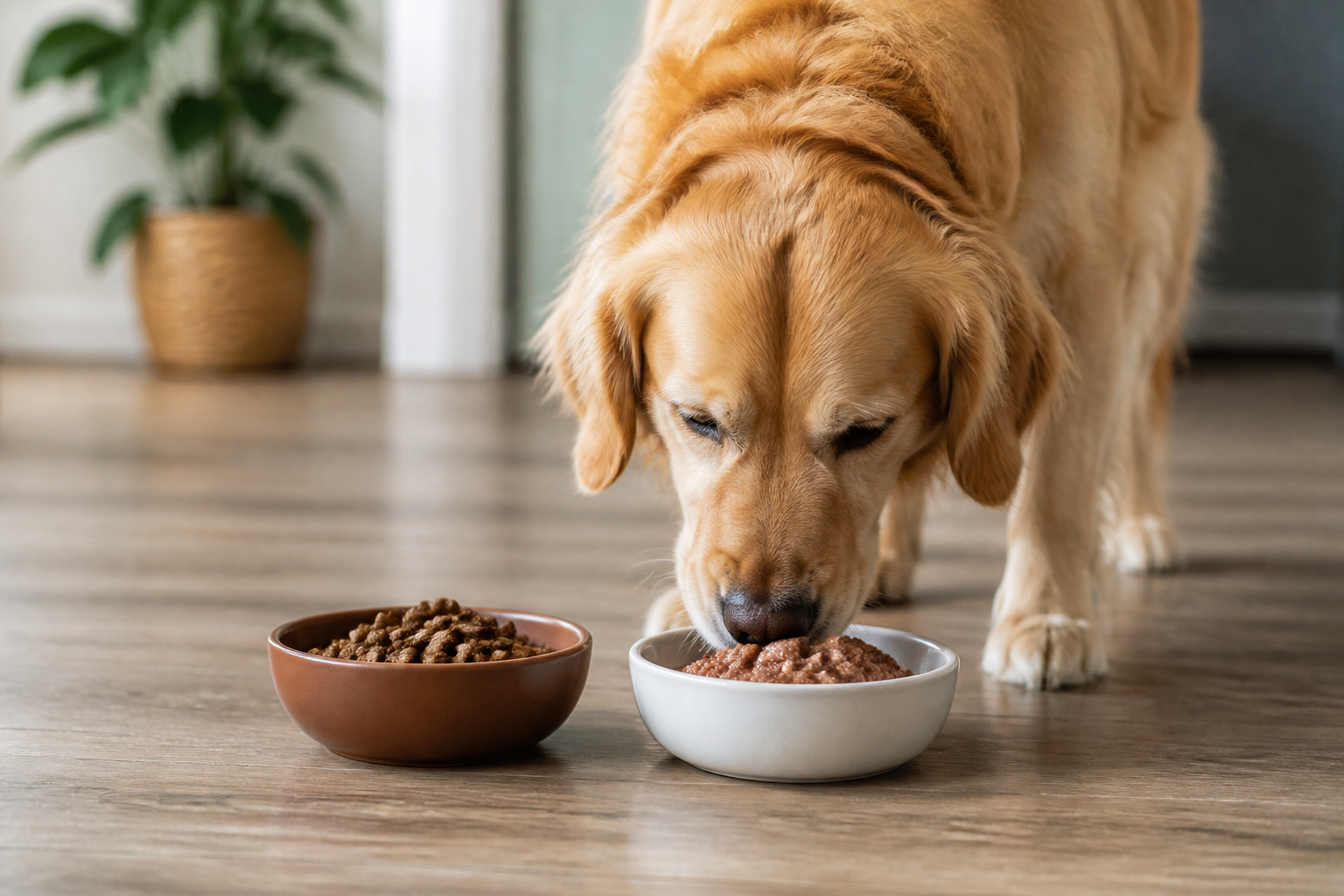
You stand in the pet food aisle and wonder if that bag of kibble is really what your dog wants. You see the cans of stew and wonder if your pup is missing out on a better meal. At BaxterBoo, we hear this question from pet parents every single day. Some dogs dive into a bowl of dry nuggets with total excitement. Others will not touch their dinner unless it is smothered in a savory gravy. This guide looks at the pros and cons of both formats to help you decide. Whether you have a picky eater or a senior dog with dental needs, the right choice depends on your pet’s unique lifestyle. We will cover nutrition, hydration, and the practical side of feeding to help you make the best choice.
Quick Answer: Most dogs prefer wet food because it has a stronger aroma and a softer texture. However, a high-quality dry food is often more convenient for owners and offers specific dental benefits for the dog.
The Science of Dog Preferences
Dogs do not experience food the same way humans do. While we have about 9,000 taste buds, dogs only have around 1,700. This means they do not pick up on subtle flavors as well as we do. However, their sense of smell is nearly 10,000 to 100,000 times more acute than ours. This is the primary reason why many dogs seem to prefer wet food.
Wet food is much more aromatic than dry kibble. When you open a can, the scent of meat and fats is released immediately. This scent triggers a dog's natural drive to eat. Dry food has a scent, but it is much more muted. The fats and oils are often sprayed on the outside of the kibble, but they do not waft through the air like the moisture in canned food.
Texture also plays a significant role in what a dog chooses. Some dogs enjoy the crunch of kibble. It provides a sensory experience that mimics chewing on bone or cartilage. Other dogs prefer the soft, meaty chunks found in canned diets. This is especially true for dogs that may have sensitive mouths or small jaws.
Key Takeaway: A dog's preference is driven mostly by smell rather than taste. Wet food generally wins the preference test because its high moisture content carries scents more effectively.
Why Some Dogs Thrive on Wet Food
Wet food is often called canned food, but it also comes in pouches and trays. It usually contains between 75 and 78 percent moisture. This high water content is one of its biggest advantages for certain dogs. Our dog food category includes both wet and dry options.
Hydration and Urinary Health
If your dog does not drink much water from their bowl, wet food can bridge the gap. Proper hydration is essential for kidney function and urinary tract health. Dogs with a history of kidney disease or urinary stones often benefit from the extra liquid. The moisture helps flush the system and keeps urine diluted.
Support for Picky Eaters
We all know a dog that turns their nose up at plain kibble. For these finicky eaters, wet food can be a lifesaver. The rich smell and variety of textures (like pates, stews, or shreds) can entice even the most stubborn pup. It is also a great tool for dogs that have a decreased appetite due to illness or stress. For more ideas, see our guide to dry dog food for picky eaters.
Benefits for Senior Dogs
As dogs age, their senses often dull. A senior dog might lose some of their sense of smell. This makes dry kibble seem unappealing. The strong scent of wet food can help jumpstart their appetite. Additionally, many older dogs suffer from dental disease or missing teeth. Soft food is much easier for them to manage than hard, crunchy pellets. You can also compare approaches in our guide to wet and dry food for senior dogs.
Satiety and Weight Management
Wet food can actually help some dogs feel fuller. Because it has a higher volume for fewer calories, a dog can eat a larger portion without overconsuming energy. This is helpful for dogs that always seem hungry but need to maintain a healthy weight.
Vet Tip: If your dog is struggling with chronic health issues like kidney disease or severe allergies, consult your veterinarian. Our pet pharmacy carries prescription options for dogs with specific health needs.
The Practical Advantages of Dry Food
Dry food, or kibble, is the most popular choice for dog owners in the United States. It is made by mixing ingredients into a dough and then extruding it through small holes to create shapes. These shapes are then dried and cooled.
Convenience and Storage
One of the biggest perks of dry food is how easy it is to handle. You can buy a large bag and store it for weeks. As long as the bag is sealed or kept in an airtight container, it stays fresh. You can also leave dry food in a bowl for a few hours without it spoiling. This is perfect for "grazers" who like to eat a few bites at a time throughout the day.
Dental Health Benefits
The crunch of kibble is not just for sound. As a dog chews, the hard texture can help scrape away a small amount of plaque and tartar from the surface of the teeth. While it is not a replacement for regular brushing, it does provide more dental stimulation than soft food. Some brands even make specific dental kibble with a texture designed to scrub the teeth as the dog bites down. For more ways to support oral care, read our pet dental care tips.
Better for the Budget
Generally speaking, dry food is more cost-effective. You are not paying for the weight of the water content. For owners of large breeds, feeding a 100 percent wet food diet can become very expensive. Kibble allows you to provide high-quality nutrition at a lower price point per serving.
Enrichment and Training
Kibble is incredibly versatile for mental stimulation. You can put it in puzzle toys, snuffle mats, or slow feeders. This turns mealtime into a game that burns mental energy. It is also easy to use as a low-calorie training treat. You can keep a handful of kibble in your pocket without making a mess.
Bottom line: Dry food offers superior convenience and dental support, making it an excellent base for most healthy adult dogs.
Comparing Nutritional Content
It is a common myth that wet food is "richer" or "better" than dry food. In reality, both can provide a complete and balanced diet. You must look for the AAFCO (Association of American Feed Control Officials) statement on the label. This ensures the food meets the basic requirements for your dog's life stage.
Protein and Fat
On a "dry matter basis," the protein and fat levels are often quite similar between the two formats. However, because wet food is mostly water, the percentages on the label look much lower. To compare them fairly, you have to do a little math to remove the water from the equation. Often, wet food is slightly higher in fat, which contributes to its great taste.
Carbohydrates
Dry food usually has a higher carbohydrate content. Carbs like grains, potatoes, or peas are necessary to hold the kibble together during the cooking process. Wet food does not need these binders, so it often contains fewer carbohydrates. This can be a benefit for dogs that need a lower-carb diet.
Caloric Density
Kibble is very calorie-dense. A small cup of dry food might have the same calories as an entire large can of wet food. This makes it easy to overfeed if you are not careful with measuring. Always use a standard measuring cup or a kitchen scale to ensure your dog is getting the right amount.
Key Takeaway: Neither format is inherently more nutritious. The quality of the ingredients matters more than whether the food is in a bag or a can.
Can You Have the Best of Both Worlds?
Many pet parents choose to mix wet and dry food. This is often the best solution for both the dog and the owner. It provides the aromatic appeal of wet food with the dental benefits and cost-savings of dry food.
How to Mix Effectively
If you decide to mix, you must be careful with the total calorie count. You cannot simply add a scoop of wet food on top of a full serving of dry food. This will lead to weight gain. You should reduce the amount of kibble to account for the calories in the topper.
Step 1: Determine the total daily calories your dog needs.
Step 2: Decide what percentage of the meal will be wet versus dry.
Step 3: Measure both portions accurately every single time.
Step 4: Watch your dog's body condition and adjust if they start gaining weight.
Using Toppers for Variety
We carry a wide range of meal toppers at BaxterBoo that can make dry food more exciting. These can be canned foods, broths, or freeze-dried mixers. Adding a splash of goat milk or a spoonful of savory stew can transform a boring bowl of kibble into a gourmet feast. Our dog food toppers and supplements offer options for adding variety to meals.
- Start with a small amount of wet food to check for digestive upset.
- Keep opened cans in the refrigerator for no more than three days.
- Wash the bowl after every meal to prevent bacteria growth from the wet food.
- Ensure fresh water is always available, even if feeding wet food.
Bottom line: Mixing formats is an excellent way to boost palatability while keeping your feeding routine manageable and affordable.
Choosing for Different Life Stages
A dog's nutritional needs and physical abilities change as they grow. This often dictates whether dry or wet food is the better choice at that moment.
Puppies
Puppies have tiny teeth and very high energy needs. Many people start puppies on wet food or softened kibble. To soften kibble, simply add a little warm water or low-sodium broth and let it sit for ten minutes. This makes it easier for them to chew as their adult teeth come in. As they get older, the crunch of dry food becomes more important for their developing jaws.
Adult Dogs
Most healthy adult dogs do well on either format. The choice usually comes down to your schedule and your dog's activity level. Active dogs might benefit from the concentrated energy in kibble. Sedentary dogs might do better with the volume and satiety of wet food to prevent obesity.
Seniors
Senior dogs often face the most challenges with food. Between dental pain, a fading sense of smell, and a slower metabolism, they may become very picky. Wet food is often the gold standard for seniors. It is easy on their teeth and smells strong enough to get them excited about eating again.
Managing Health Conditions Through Diet
Sometimes, the choice between wet and dry is not about preference but about health. Certain medical conditions make one format clearly superior.
Weight Loss
If your dog needs to lose weight, wet food can be a helpful tool. The high moisture content allows the dog to eat a larger volume of food while consuming fewer calories. This helps them feel full, which prevents the begging and searching behaviors that often derail a diet.
Allergies and Sensitivities
Dogs with food sensitivities often need limited-ingredient diets. You can find these in both wet and dry formats. However, some owners find that wet foods have fewer synthetic preservatives or binders, which can be helpful for highly sensitive dogs.
Dental Issues and Recovery
If your dog has just had a dental cleaning or tooth extraction, your vet will likely recommend soft food for a week or two. Wet food allows the gums to heal without the irritation caused by hard kibble. Once the mouth is healed, you can slowly transition back to dry food to help maintain those clean teeth.
Vet Tip: Any sudden change in your dog's appetite or difficulty chewing should be discussed with a veterinarian. They can rule out underlying issues like gum disease or internal health problems.
How to Transition Your Dog to a New Food
Whether you are moving from dry to wet or switching brands, you must do it slowly. A dog's digestive system needs time to adjust to new ingredients and moisture levels. A sudden switch often leads to an upset stomach or diarrhea. For a related step-by-step guide, read how to switch from dry to wet dog food.
Step 1: Days 1 to 2. Feed 75 percent of the old food and 25 percent of the new food.
Step 2: Days 3 to 5. Feed a 50/50 mix of the old and new food.
Step 3: Days 6 to 8. Feed 25 percent old food and 75 percent new food.
Step 4: Day 9 and beyond. Feed 100 percent of the new food.
Observe your dog's stool during this time. If it becomes loose, slow down the transition. It is also important to note that wet food often results in smaller, softer stools because the body is absorbing more moisture. This is normal and usually not a cause for concern unless the stool is liquid or contains blood.
Common Myths About Wet and Dry Food
There is a lot of misinformation in the pet world. Let's clear up a few common misconceptions.
Myth: Wet food causes more cavities.
While wet food does not scrape the teeth like kibble, it does not necessarily "cause" cavities. Cavities are rare in dogs. The real issue is gum disease. Both types of food can contribute to plaque if you do not brush your dog's teeth regularly.
Myth: Dry food stays fresh forever.
Even though kibble has a long shelf life, the fats can eventually go rancid. Once a bag is opened, try to use it within six to eight weeks. Always check the expiration date before buying.
Myth: Dogs get bored of the same food.
Some dogs love variety, but many are perfectly happy eating the same balanced meal every day. If your dog is healthy and maintaining weight, you do not have to change their food constantly. If you do want to provide variety, using a topper is safer than switching the entire base diet.
Making the Final Decision
When you look at the evidence, there is no single "correct" answer. The best food is the one that your dog enjoys, that fits your budget, and that keeps your pup at a healthy weight. At BaxterBoo, we carry over 500 trusted brands to ensure you have plenty of options regardless of what you choose.
If your dog is healthy and has no trouble drinking water, dry kibble is a fantastic, convenient choice. If your dog is older, has dental issues, or is a very picky eater, wet food might be the better path. Many owners find that a combination of both provides the most benefits.
We invite you to explore our selection of premium dog foods and toppers. Our team has handpicked every product to ensure quality and safety for your pets. If you are starting a new diet or need to set up a regular feeding schedule, consider our Autoship programme. It saves you time and ensures you never run out of your dog's favorite meal.
FAQ
Can I leave wet dog food out all day?
No, you should not leave wet food out for more than two hours. Because of its high moisture content, it can quickly grow bacteria at room temperature. If your dog does not finish their wet food within thirty minutes, it is best to pick it up and refrigerate the leftovers.
Is wet food more expensive to feed than dry food?
Yes, in most cases, wet food costs more per serving than dry food. This is because you are paying for the canning process and the weight of the water. For budget-conscious owners of large dogs, using wet food as a topper rather than a full meal is a common way to save money.
Does dry food really clean a dog's teeth?
Kibble provides a mechanical scraping action that can help reduce tartar buildup, but it is not a cure-all for dental health. It is much better than wet food for dental hygiene, but it should still be paired with regular tooth brushing and professional vet cleanings.
Why does my dog have diarrhea after eating wet food?
Diarrhea often happens if the wet food was introduced too quickly or if it has a much higher fat content than the previous diet. It can also happen if the food was left out too long and spoiled. Always transition to a new food slowly over seven to ten days to prevent digestive upset.






