
 Save 15% on your 1st Autoship learn more

 Email us
 Live Chat
 FAQs
FAQs





Introduction
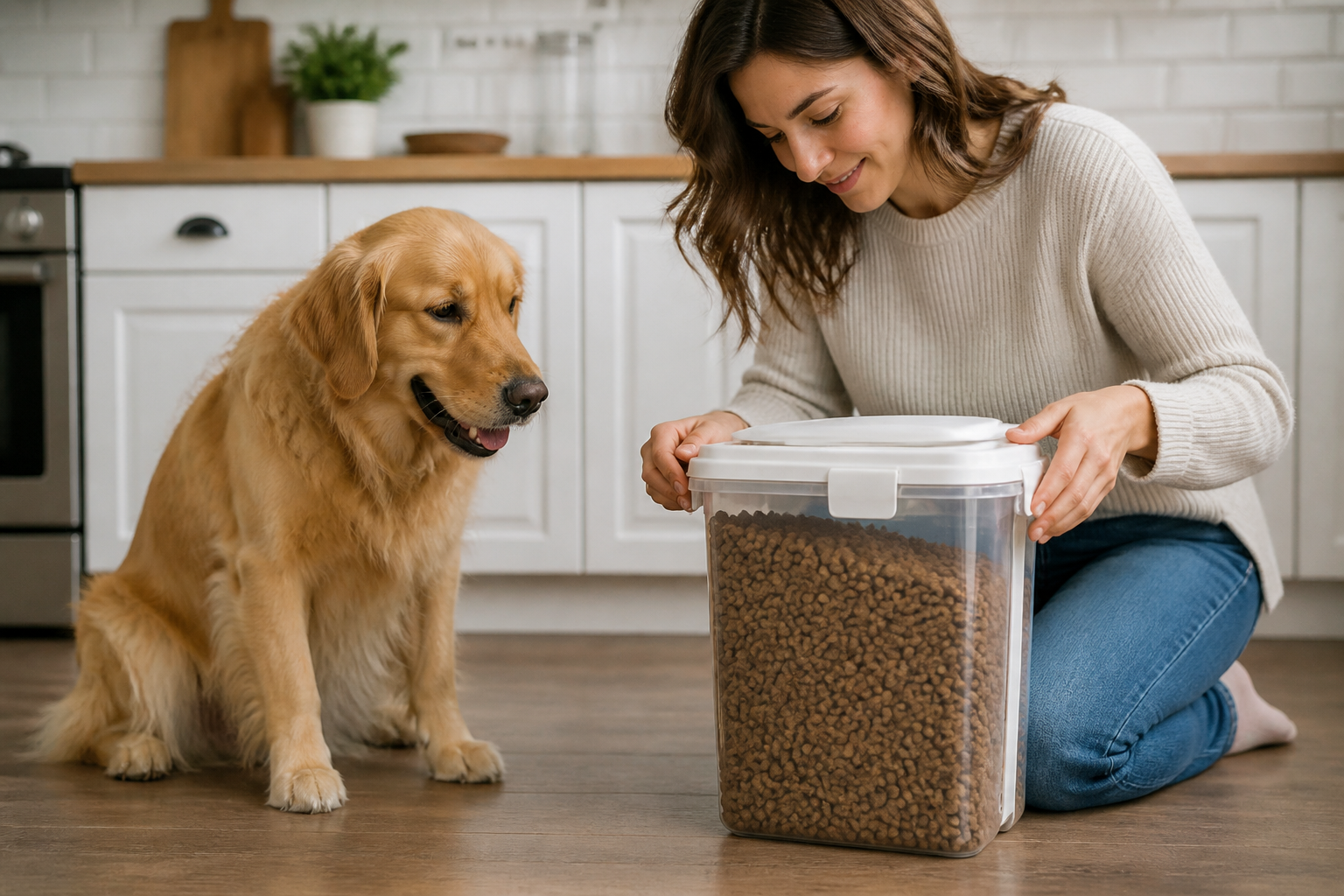
You likely know the smell of a freshly opened bag of high quality kibble. It has a specific, rich scent that tells you the fats and proteins are intact. Fast forward three weeks, and if that bag has been sitting open in a humid laundry room, the experience is very different. At BaxterBoo, we talk to pet owners every day who wonder if those heavy duty clips and airtight bins are actually necessary or just extra work. The short answer is that sealing your dog food is one of the most important things you can do for your pet's health. This post covers why air is the enemy of kibble, how to choose the right containers, and the best ways to keep pests away. Properly sealing your dog’s food preserves the nutrients you are paying for and keeps your pup safe from spoilage.
The Science of Air and Oxidation
When dry dog food is manufactured, it is often sprayed with fats and oils to make it palatable and provide essential fatty acids. These fats are highly reactive when they meet oxygen. This process is called oxidation. When oxygen hits the surface of the kibble, the fats begin to break down and turn rancid. Rancid fats do more than just smell bad. They can lead to digestive upset and, over time, may contribute to more serious health issues.
Sealing the food creates a physical barrier that slows this process down significantly. Most premium dog food bags are designed with specialized liners that help keep oxygen out and oils in. If you leave the bag wide open, you are essentially inviting the air to strip the food of its nutritional value. This is why the bottom of an unsealed bag often looks dusty and smells sour. The nutrients have literally degraded.
Quick Answer: Yes, dry dog food must be sealed in an airtight environment. Exposure to oxygen causes fats to turn rancid and degrades essential vitamins, while moisture can lead to dangerous mold growth.
The Role of Moisture and Mold
Moisture is the second major threat to your dog's dry food. Kibble is a low moisture product by design. This low moisture content is what makes it shelf stable. However, if you live in a humid climate or store the food in a damp area like a basement, the kibble will absorb water from the air.
Once the moisture levels in the bag rise, it becomes a breeding ground for mold and bacteria. Some molds produce mycotoxins, which are invisible but highly toxic to dogs. You might not see fuzzy green patches until the problem is very advanced. Sealing the food in a moisture proof container prevents this absorption and keeps the kibble crunchy and safe.
Tips for Managing Humidity
- Store food in a temperature controlled part of the house rather than the garage.
- Avoid placing the food container directly on a concrete floor which can wick moisture.
- Check the bottom of the container regularly for any signs of dampness or "clumping" kibble.
For additional storage guidance, read our article on keeping dog food dry outside for freshness and safety.
Why the Original Bag Is Your Best Friend
A common mistake pet owners make is pouring the kibble directly into a plastic bin. While a bin is great for keeping out pests, the bag itself is a marvel of engineering. Most high quality bags are made with multi layer barriers specifically designed to prevent fat from seeping out and oxygen from getting in.
When you pour food directly into a plastic container, the oils from the kibble can soak into the plastic walls over time. These oils eventually go rancid. Even if you wash the bin, that plastic can retain the smell and contaminate the next batch of fresh food. We recommend placing the entire bag inside your storage container. This gives you two layers of protection and keeps your bin much cleaner.
Key Takeaway: Keep the kibble in its original bag and place the bag inside an airtight bin. This preserves the oil barrier and keeps critical information like lot numbers and expiration dates handy.
Choosing the Right Storage Container
If you are shopping for a new storage solution, look for specific features that go beyond a standard plastic tub. A true airtight seal usually involves a rubber gasket in the lid. This creates a pressurized environment that keeps air out and smells in. This is also helpful if you have a dog who is a "counter surfer" and tries to break into their own food supply.
Stainless steel containers are an excellent high end option because they are non porous. Unlike plastic, steel will not absorb oils or odors. However, a high quality BPA free plastic bin with a gasket seal is the standard for most households. Whatever material you choose, make sure it is sized appropriately. Buying a 50 pound bin for a 10 pound bag of food leaves too much "headspace" for air to sit inside the container with the food.
Storage Container Checklist
- Check for a rubber or silicone gasket around the lid.
- Ensure the latches are sturdy and cannot be easily nudged open by a pet.
- Choose a size that closely matches the bag size you usually buy.
- Verify that the material is food grade and BPA free.
The Danger of Pests and Infestations
Unsealed dog food is a beacon for pests. This includes everything from common houseflies and ants to more invasive problems like pantry moths, weevils, and rodents. Mice can smell a bag of dog food from a surprising distance. Once they find a way into a loosely rolled bag, they can contaminate the entire supply with droppings and urine.
Pantry moths are another frequent visitor to unsealed pet food. They lay eggs in the kibble, and you may eventually notice small webs or larvae in the corners of the bag. At that point, the food must be discarded. A hard sided, sealed container is the only way to ensure these visitors stay out of your dog’s dinner.
Environmental Factors: Heat and Light
Where you store the food is just as important as how you seal it. High temperatures accelerate the breakdown of nutrients. If you store your dog food in a garage where temperatures exceed 80 degrees Fahrenheit, the "best by" date on the bag becomes irrelevant. The heat will cause the food to spoil much faster.
Light is another factor that is often overlooked. If you use a clear plastic container and store it in a sunny spot, the UV rays can degrade the vitamins in the food. This is another reason why keeping the food inside its original opaque bag is so helpful. It provides a dark environment that protects light sensitive nutrients like Riboflavin and Vitamin A.
Vet Tip: Always store pet food in a cool, dry place below 80 degrees. If your dog shows a sudden lack of interest in their food or develops diarrhea, check the food for a sour smell or signs of mold, and consult your veterinarian if symptoms persist.
Maintaining Your Storage Gear
Even the best airtight container needs regular maintenance. Every time you finish a bag of food, you should clean the container. Do not simply "top off" the bin by pouring new food over the crumbs of the old food. The crumbs and dust at the bottom are the oldest and most oxidized parts of the previous bag. They will contaminate your fresh food immediately.
Wash the container with hot, soapy water and let it dry completely before putting a new bag inside. Any lingering moisture from the cleaning process can lead to mold growth in the new batch of food. If you use the "bag in the bin" method, this cleaning process is much faster and only needs to be done every few months or if a spill occurs.
How Long Does Opened Food Last?
Most manufacturers provide a "best by" date that assumes the bag is unopened. Once you break the seal, the clock starts ticking. Even with perfect storage, most experts recommend using a bag of dry food within six weeks of opening. This is why buying the largest bag possible to save money isn't always the best strategy for small dogs.
If it takes your dog three months to finish a 40 pound bag, the food they are eating in that final month is likely stale and nutritionally depleted. It is often better to buy smaller bags more frequently. You can use our Autoship programme to ensure you always have fresh food arriving just as you need it, which keeps the nutrition levels high and the waste low.
For more detail on freshness timelines, read how long dry dog food stays fresh once opened.
Identifying Spoiled Food
You should trust your senses when it comes to your dog's safety. Before you scoop the food, give it a quick sniff. It should smell like grain and meat. If it smells like old paint, used cooking oil, or has a sharp sour note, it has likely gone rancid.
Signs to Toss the Bag
- The kibble feels greasy or sticky to the touch.
- You see any evidence of webbing, bugs, or larvae.
- Your dog, who is usually a good eater, suddenly refuses the food.
- There are visible dark spots or "fuzz" on the pieces.
- The food has a "dusty" appearance that seems excessive.
If your dog refuses food unexpectedly, our guide on helping dogs eat dry food offers another helpful perspective.
Health Risks of Improper Storage
Feeding spoiled or contaminated food can lead to more than just a picky dog. Bacteria like Salmonella or E. coli can thrive in improperly stored food, especially if moisture gets in. These can cause severe vomiting, bloody diarrhea, and dehydration.
If your dog is managing a chronic health condition or has a sensitive stomach, the quality of their food is even more critical. Our pet pharmacy provides prescription diets through our partnership with Pet's Choice, and these specialized foods often have specific storage requirements to maintain their therapeutic properties. Always follow the manufacturer instructions on prescription bags to the letter.
Bottom line: Proper sealing is a health requirement, not a suggestion, as it protects your dog from rancidity, mold, and bacterial contamination.
Proper Cleaning Routine
Follow these steps to ensure your storage area stays clean and safe for your pet.
Step 1: Empty the container completely. / Do not mix old kibble crumbs with a fresh bag of food.
Step 2: Wash with mild soap. / Use hot water and a sponge to remove any oily residue from the bottom and sides.
Step 3: Sanitize the lid. / Pay close attention to the rubber gasket where dust and moisture can get trapped.
Step 4: Air dry thoroughly. / Ensure there is zero moisture left before placing a new bag or pouring in new food.
Summary of Best Practices
Proper food storage is a simple way to protect your investment and your dog’s wellness. By focusing on air, moisture, and temperature, you ensure that every bowl you serve is as nutritious as the first.
- Keep the food in the original bag to maintain the fat barrier.
- Seal the bag with a clip and place it in an airtight bin.
- Store the container in a cool, dry, and dark location.
- Wash the storage container between every single bag of food.
- Use the food within six weeks of opening the bag.
If you want to make sure you are never stuck with a stale bag of food, consider joining the MVP Rewards programme. It helps you earn back on every purchase, making it easier to buy fresh, smaller bags more frequently. Keeping your dog’s food sealed and safe is a small daily habit that pays off in long term health.
For another look at freshness and storage mistakes, see does dry dog food go bad.
FAQ
Can I store my dog's food in the garage?
It is generally best to avoid garage storage because of extreme temperature fluctuations. Heat can cause the fats in the food to go rancid very quickly, and humidity can lead to mold growth. If you must store it in the garage, ensure the container is truly airtight and keep it off the concrete floor to avoid moisture wicking.
Is it okay to pour the food directly into a plastic bin?
While you can do this, it is not the best method for long term freshness. The plastic can absorb oils from the kibble which eventually go rancid and contaminate future batches of food. Keeping the food in the original bag inside the bin is the most effective way to preserve quality and keep your bin clean.
How do I know if my dog food has gone rancid?
The most common sign of rancid food is a sour or "off" smell that reminds people of old oil or chemicals. You might also notice the kibble feels unusually oily or sticky to the touch. If your dog suddenly refuses to eat or seems to hesitate before their meal, they might be smelling spoilage that you haven't noticed yet.
Does sealing dog food prevent bugs?
Yes, a hard sided container with an airtight gasket is the best defense against pests like ants, pantry moths, and rodents. Most insects can easily chew through a standard paper dog food bag if it is left sitting on the floor. A sealed bin creates a barrier that bugs cannot penetrate and hides the scent that attracts them in the first place.






